
Démolitions de vieilles maisons en face de l’hôtel de Sens — History & Facts
In the act of demolition, there lies a poignant truth: the destruction of the old makes way for the new, a bittersweet birth amidst the rubble. The tension between change and nostalgia permeates every brushstroke, capturing a moment that speaks to the cycles of life. Focus on the left side of the canvas, where the skeletal remains of weathered buildings loom like sentinels of a bygone era. Notice how the dusty hues of gray and brown dominate the palette, contrasted sharply by the vibrant reds and blues of the hotel in the background.
The careful placement of light casts long shadows, suggesting a sense of impending transformation while evoking the weight of history being erased. In this work, contrasts abound—the stillness of the past collides with the cacophony of rebirth. The crumbling structures whisper stories, their silence echoing the vibrancy of the modern hotel that represents progress. The viewer is invited to grapple with the emotional turmoil of loss, reminding us that every end holds the seeds of a new beginning, a theme that resonates deeply in the human experience. In 1926, Ferdinand Boberg was immersed in the changing landscape of Paris, poised between the lingering aftereffects of World War I and the dawn of modernism.
As urban renewal transformed the cityscape, he engaged with the shifting artistic currents of his time, capturing not just physical destruction but the essence of renewal in the face of change—a reflection of both his environment and his own artistic evolution.
More Artworks by Ferdinand Boberg
Browse all →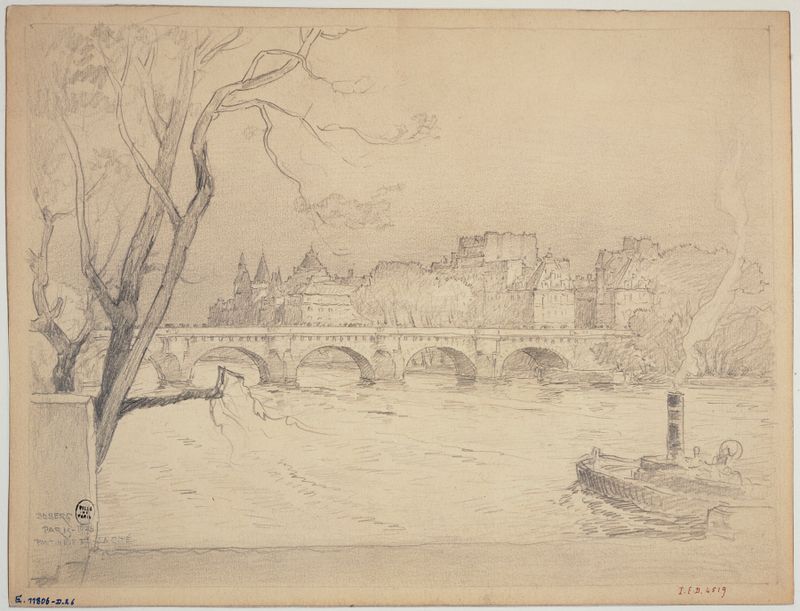
Le Pont-Neuf et la Cité
Ferdinand Boberg
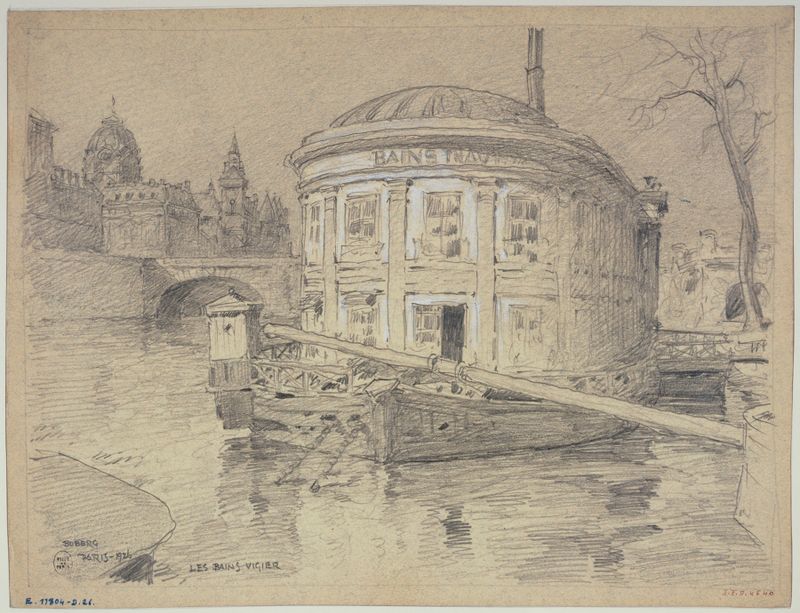
Les bains Vigier au Pont-Neuf
Ferdinand Boberg
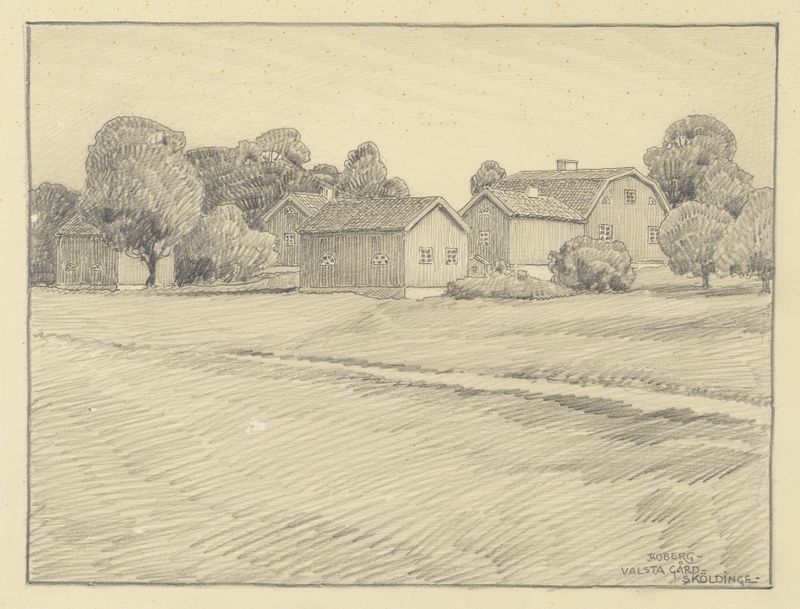
Valsta Gård
Ferdinand Boberg
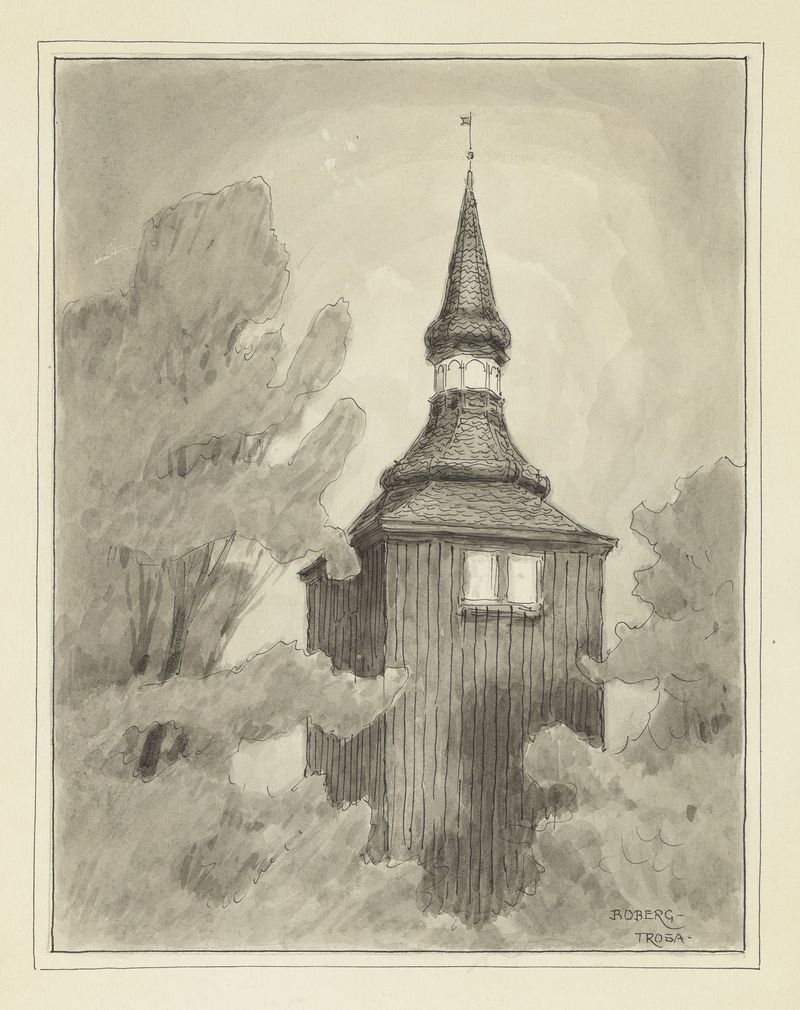
Trosa
Ferdinand Boberg
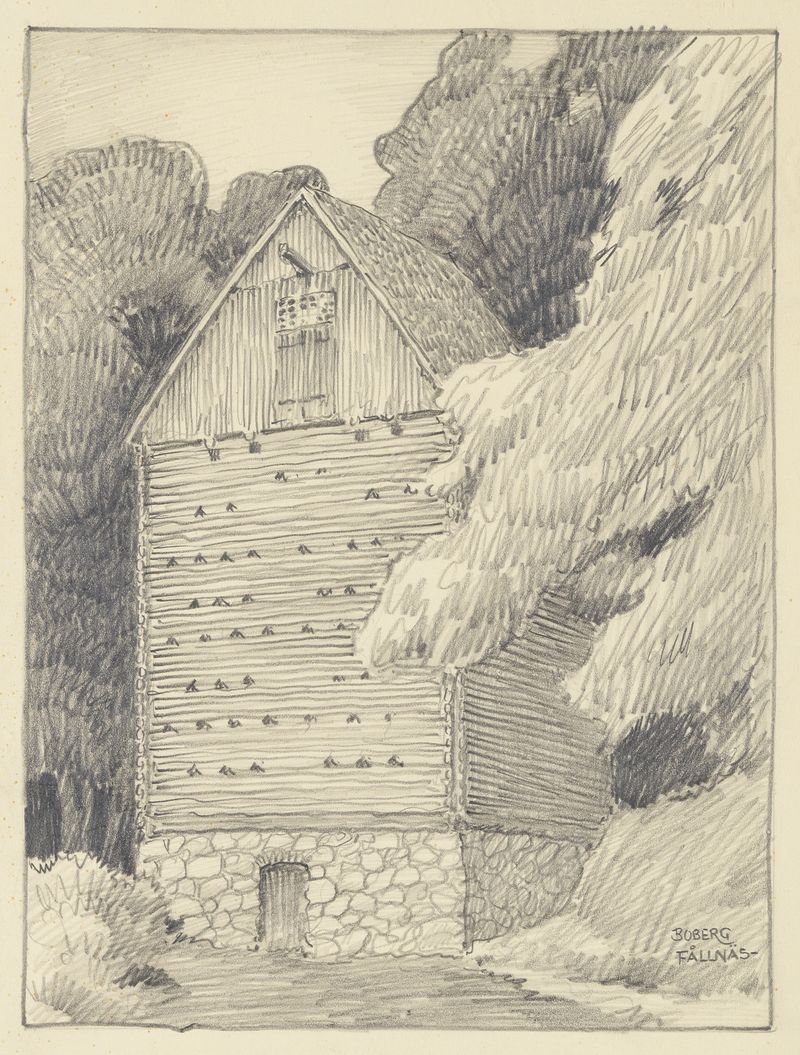
Fållnäs
Ferdinand Boberg
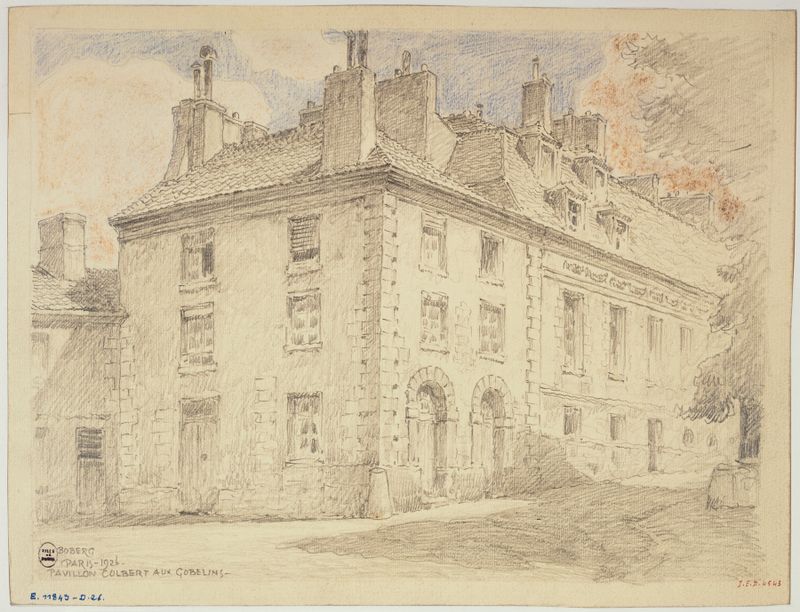
Le pavillon Colbert aux Gobelins
Ferdinand Boberg
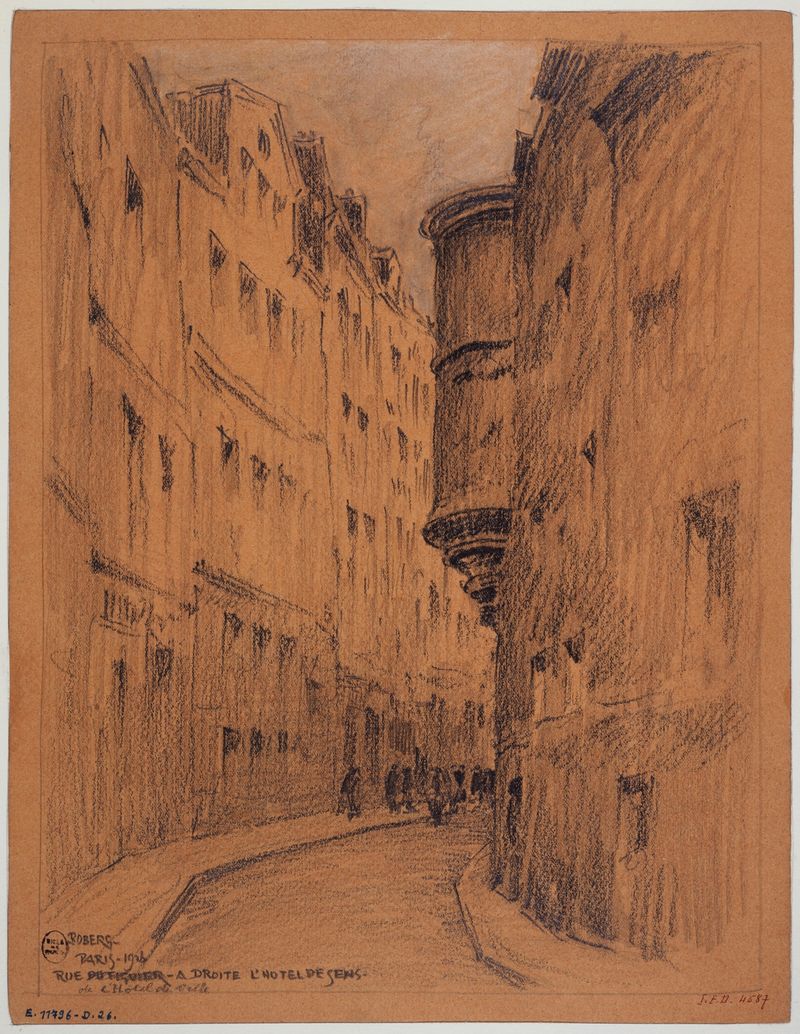
Rue de l’Hôtel de Ville; l’hôtel de Sens
Ferdinand Boberg
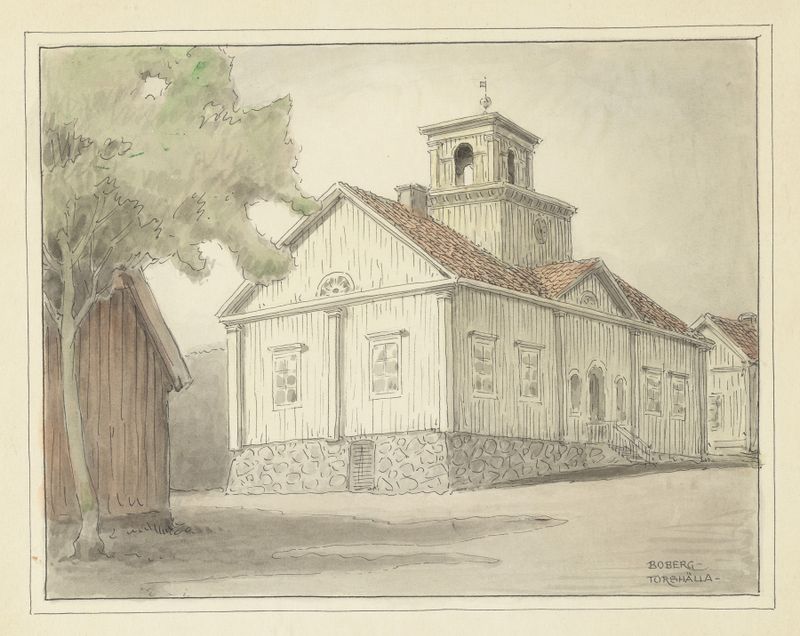
Torshälla
Ferdinand Boberg
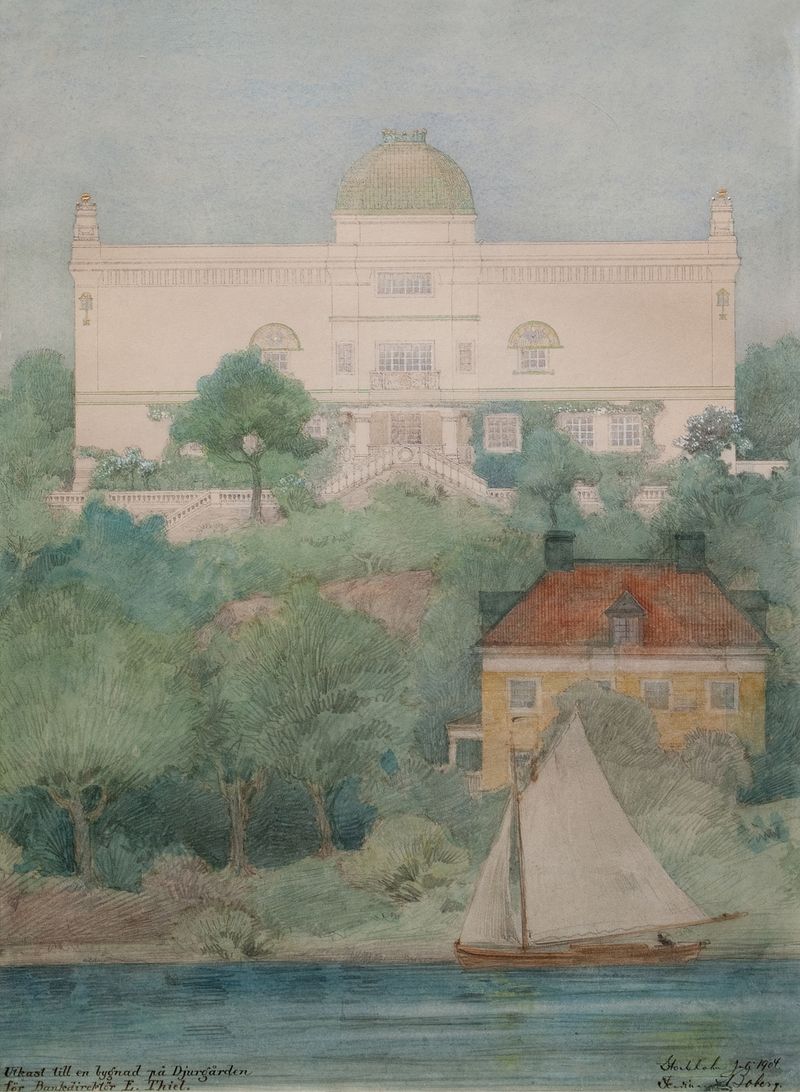
Sketch for a building for Thiel’s Gallery
Ferdinand Boberg
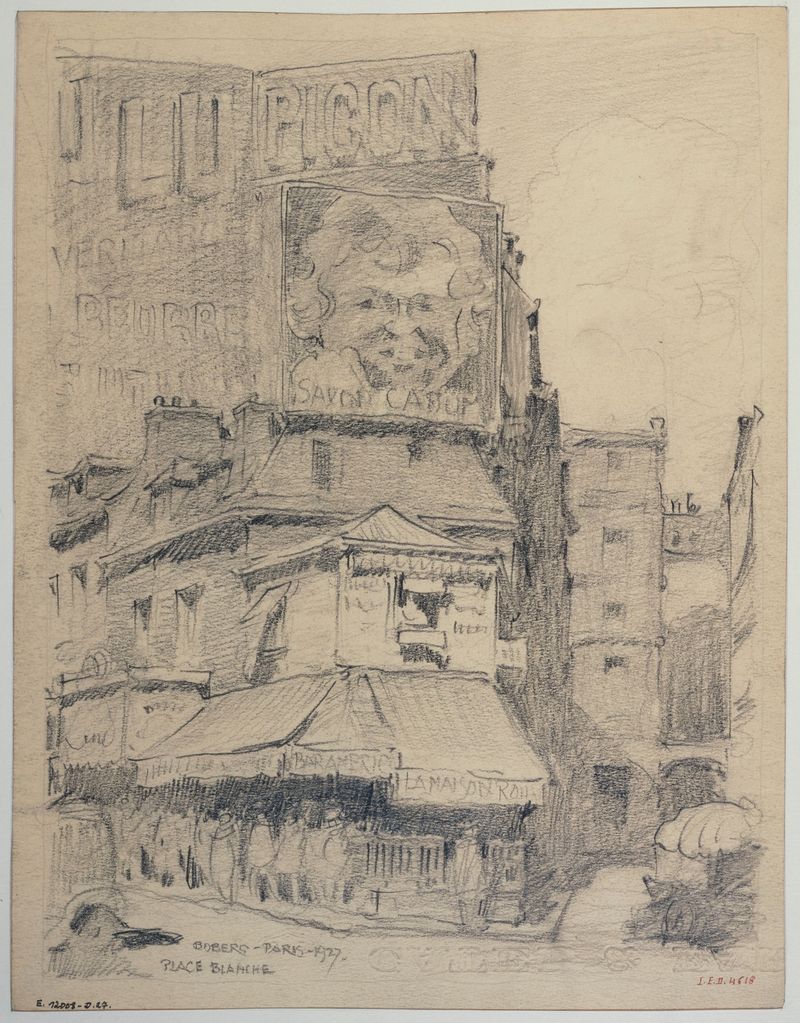
La place Blanche
Ferdinand Boberg





