
Dni Maioris sive Pretoris Londinensis Vxoris hab: / Des Herrn Maiors oder Burgemeisters Fraw von London — History & Facts
In a world where shadows loom larger than life, the act of capturing delicate beauty often reveals an undercurrent of violence concealed beneath the surface. Look to the left at the striking figure of the mayor's wife, poised elegantly in her resplendent attire. The rich, deep hues of her gown contrast sharply against the stark background, creating an intimate focus that pulls you in. Notice how the artist has meticulously detailed the intricate lacework and the texture of the fabric, each delicate thread reflecting the light in a way that breathes life into the stillness.
The color palette, though vibrant, carries a somber weight, hinting at the complexities of her role in a turbulent society. Beneath the surface charm, the painting speaks volumes about the tensions of the time. The subject’s serene expression belies the violence brewing in the backdrop of 17th-century London. The juxtaposition of her luxurious attire with the stark reality of the city’s political strife suggests a world divided—one where beauty and privilege coexist with unrest and turmoil.
This duality invites viewers to contemplate the price of status, as well as the frailty of security amidst chaos. In 1649, Wenceslaus Hollar was in London, navigating a city that was grappling with the aftermath of the English Civil War. This period brought immense upheaval and change, both politically and artistically. Hollar, known for his detailed engravings, sought to capture the essence of his surroundings, reflecting the complexities of his subjects.
The creation of this painting emerged from an era where the fragility of human existence was starkly apparent, intertwining moments of beauty with the haunting specter of violence.
More Artworks by Wenceslaus Hollar
Browse all →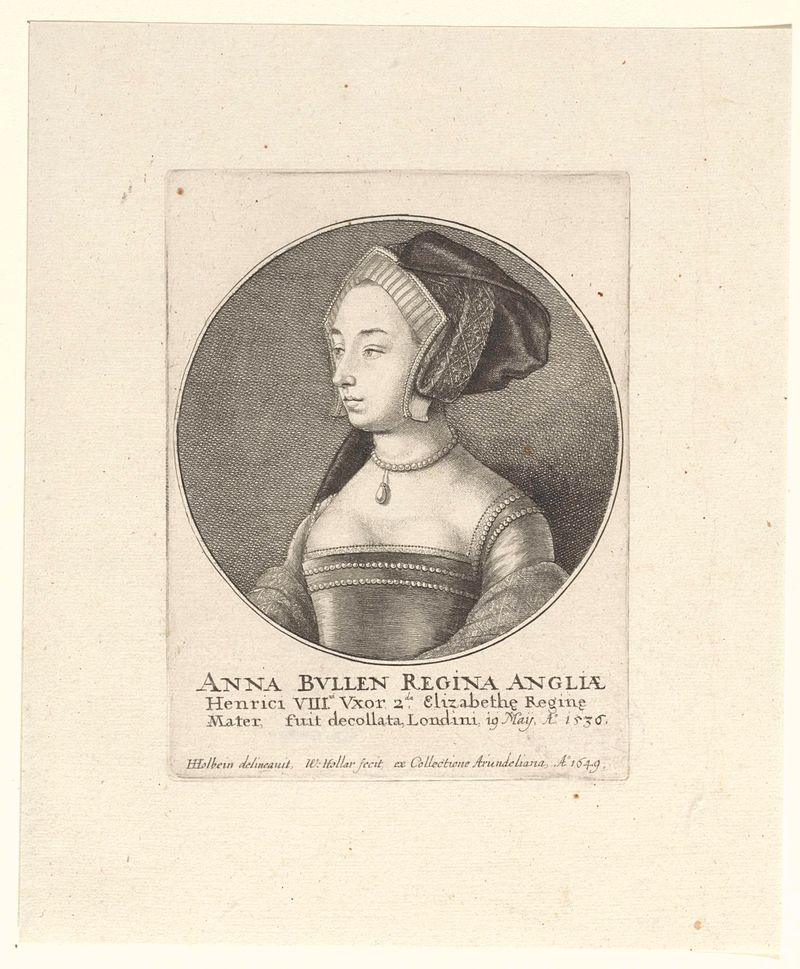
Portret van Anna Boleyn, koningin van Engeland
Wenceslaus Hollar
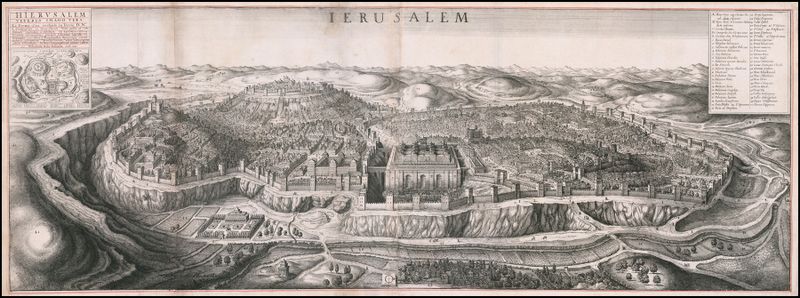
Bird’s eye view of Jerusalem
Wenceslaus Hollar
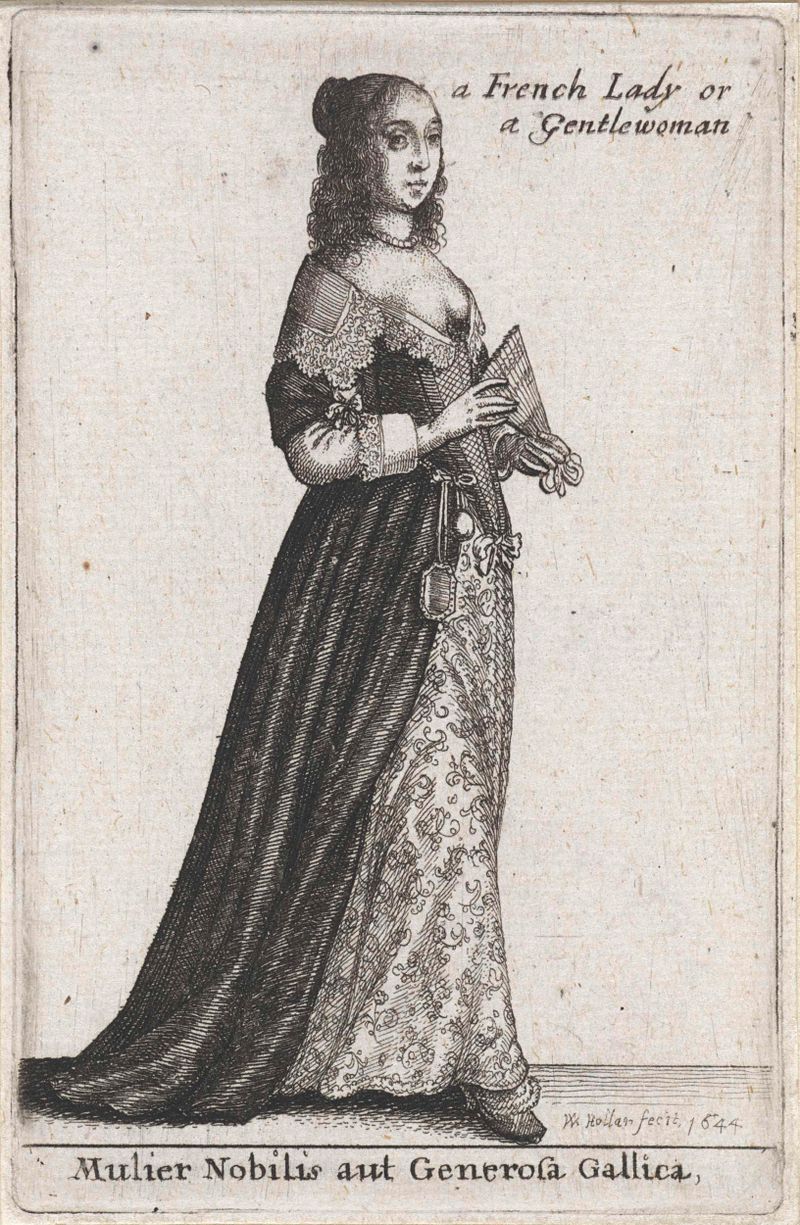
Mulier Nobilis aut Generosa Gallica / a French Lady or Gentlewoman
Wenceslaus Hollar
Titelprent voor: Ornatus Muliebris Anglicanus
Wenceslaus Hollar
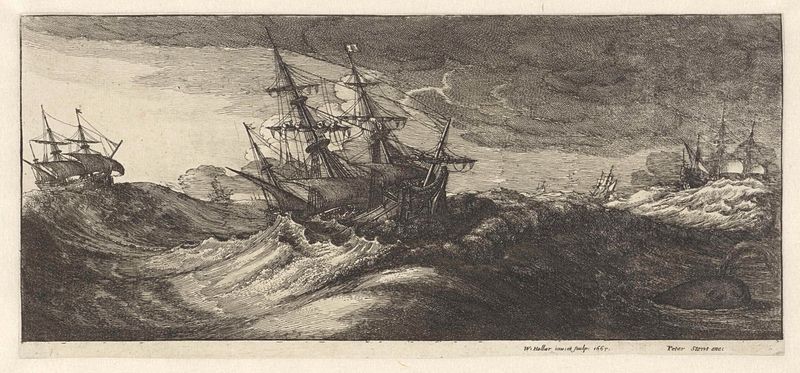
Oorlogsschepen en een walvis in een zeestorm
Wenceslaus Hollar
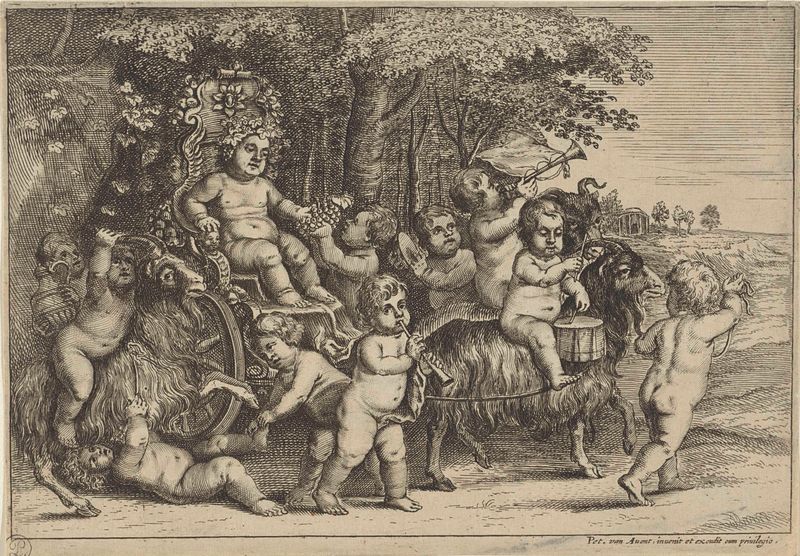
Optocht van bacchant en jongetjes op geiten
Wenceslaus Hollar
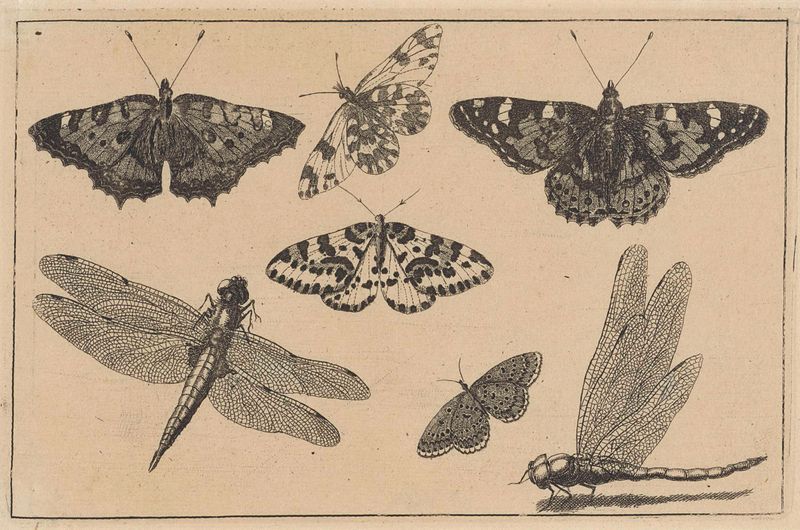
Twee libellen en vijf vlinders
Wenceslaus Hollar
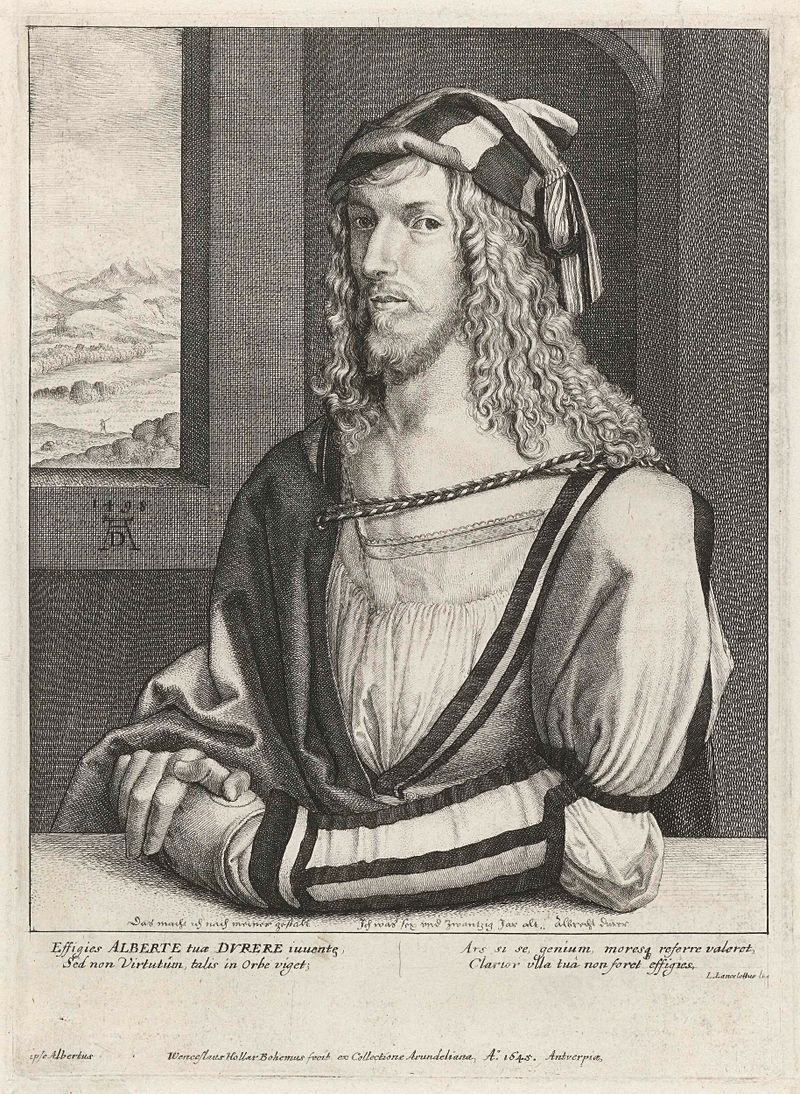
Portret van Albrecht Dürer
Wenceslaus Hollar
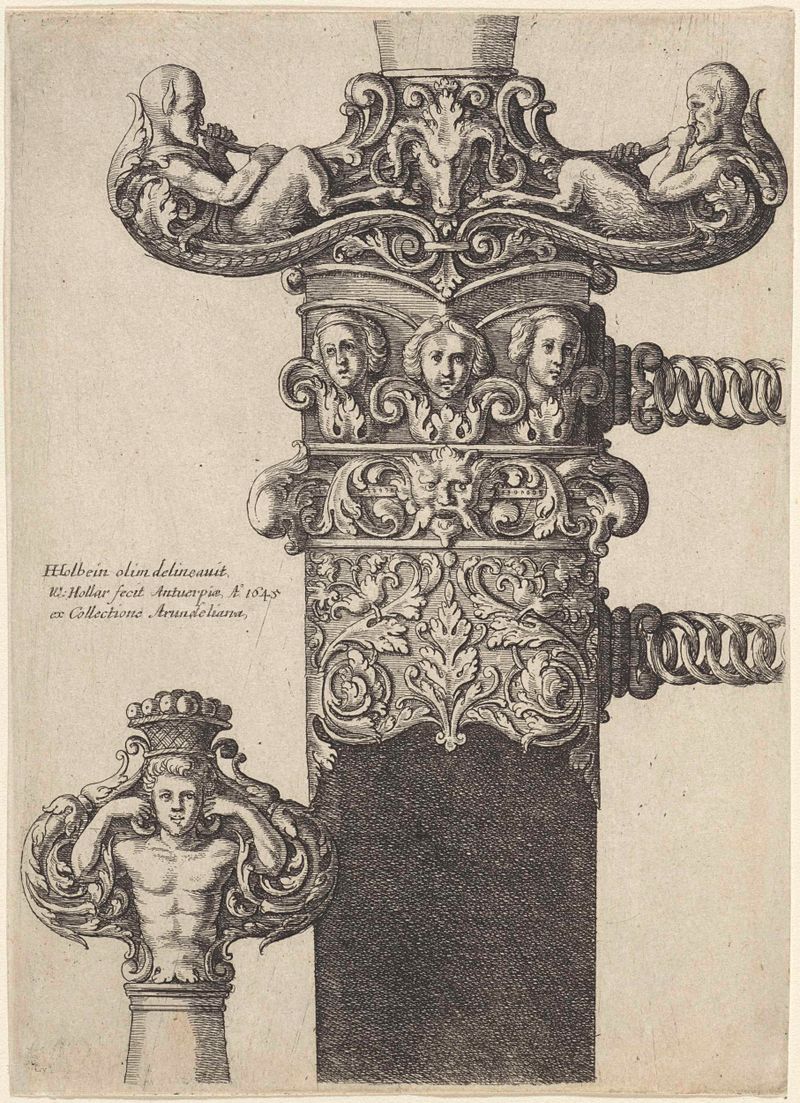
Ornamenteel ontwerp voor een dolk
Wenceslaus Hollar
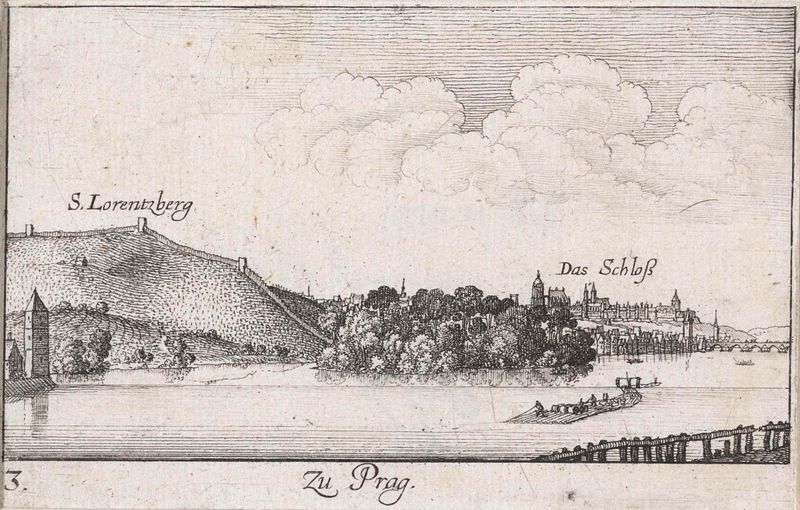
Gezicht op Praag vanaf de Moldau
Wenceslaus Hollar
More Portrait Art
Browse all →
Las meninas
Diego Velázquez

Self-portrait with a Bandaged Ear and Pipe
Unidentified artist

Girl with a Pearl Earring
Johannes Vermeer

The Sampling Officials of the Amsterdam Drapers’ Guild, Known as ‘The Syndics’
Rembrandt van Rijn

The Hundred Guilder Print: the man seen on the back in the lower left corner
Rembrandt van Rijn

Portrait of Dr Gachet
Vincent van Gogh