
Doedelzakspeler — History & Facts
In the quiet corners of art, betrayal lingers like a shadow, revealing truths not always visible at first glance. Look to the center of the piece, where a piper stands, his instrument cradled under his arm, as if poised to speak to the crowd. Notice the rich hues of green and gold adorning his clothing, contrasting with the muted earth tones of the background. The meticulous brushwork captures the texture of his garment, drawing the eye to the intricate details of fabric and adornment that signify both status and the weight of expectation.
His gaze, however, is averted; it seems to hold a secret, hinting at a deeper narrative woven into the fabric of the scene. The juxtaposition between the piper’s vibrant attire and the subdued surroundings speaks to a profound tension. There’s a sense of participation and exclusion — while he plays for an unseen audience, the turn of his body implies a betrayal of connection. What dreams are held captive in his music? The stillness around him suggests an anticipatory silence, a collective breath held in the face of potential rupture.
This duality invites the viewer to contemplate themes of loyalty and disloyalty lingering beneath the surface. During the years 1470 to 1475, the artist created this work in the burgeoning cultural environment of the Northern Renaissance, particularly in the Netherlands. This period experienced a shift towards more personal and humanistic expressions in art, reflected in complex emotional narratives. The artist, often anonymous and referred to as the Master of the Amsterdam Cabinet, was immersed in a world where the politics of the time influenced artistic expression, capturing the essence of human relationships, even in moments of quiet solitude.
More Artworks by Meester van het Amsterdamse Kabinet
Browse all →
De Heilige Familie bij de rozenstruik
Meester van het Amsterdamse Kabinet

Hertenjacht
Meester van het Amsterdamse Kabinet
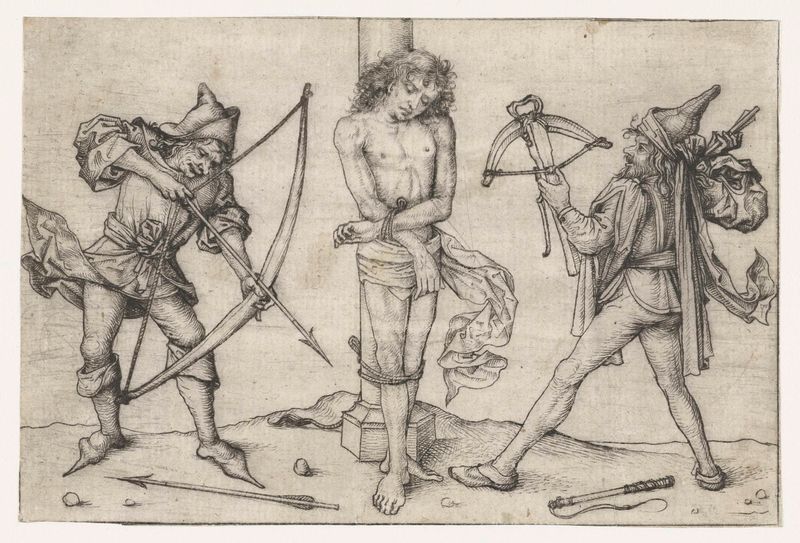
Heilige Sebastiaan met boogschutters
Meester van het Amsterdamse Kabinet

Het lichaam van Christus ondersteund door twee engelen
Meester van het Amsterdamse Kabinet

Heilige Anna-te-Drieën
Meester van het Amsterdamse Kabinet

Heilige Barbara (grote versie)
Meester van het Amsterdamse Kabinet
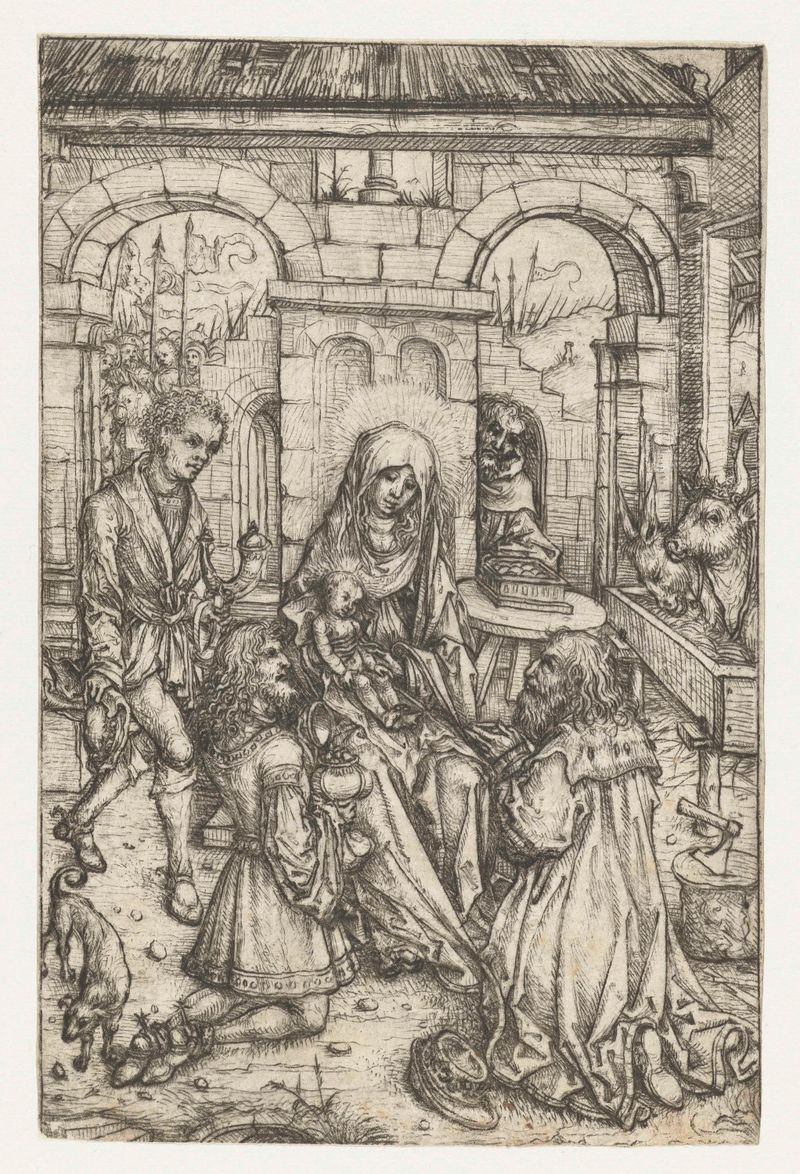
Aanbidding der koningen
Meester van het Amsterdamse Kabinet
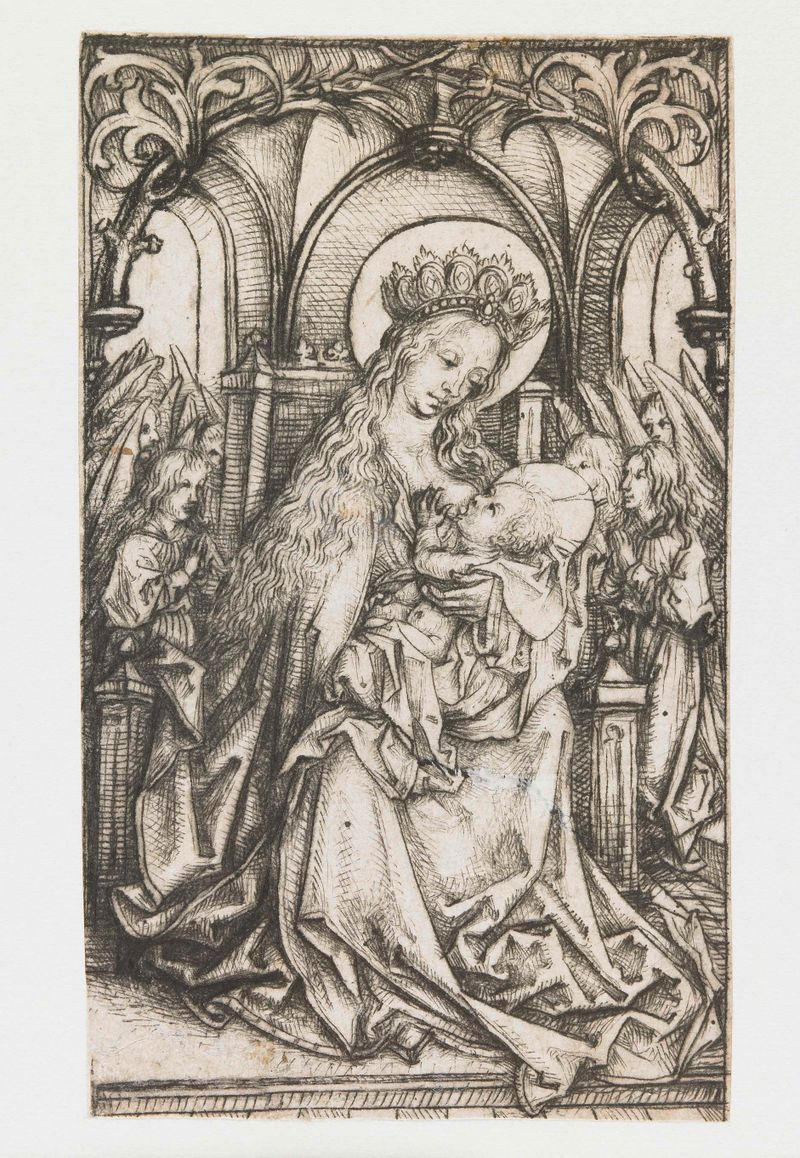
Tronende Madonna door engelen aanbeden
Meester van het Amsterdamse Kabinet

Het zegenend Christuskind
Meester van het Amsterdamse Kabinet
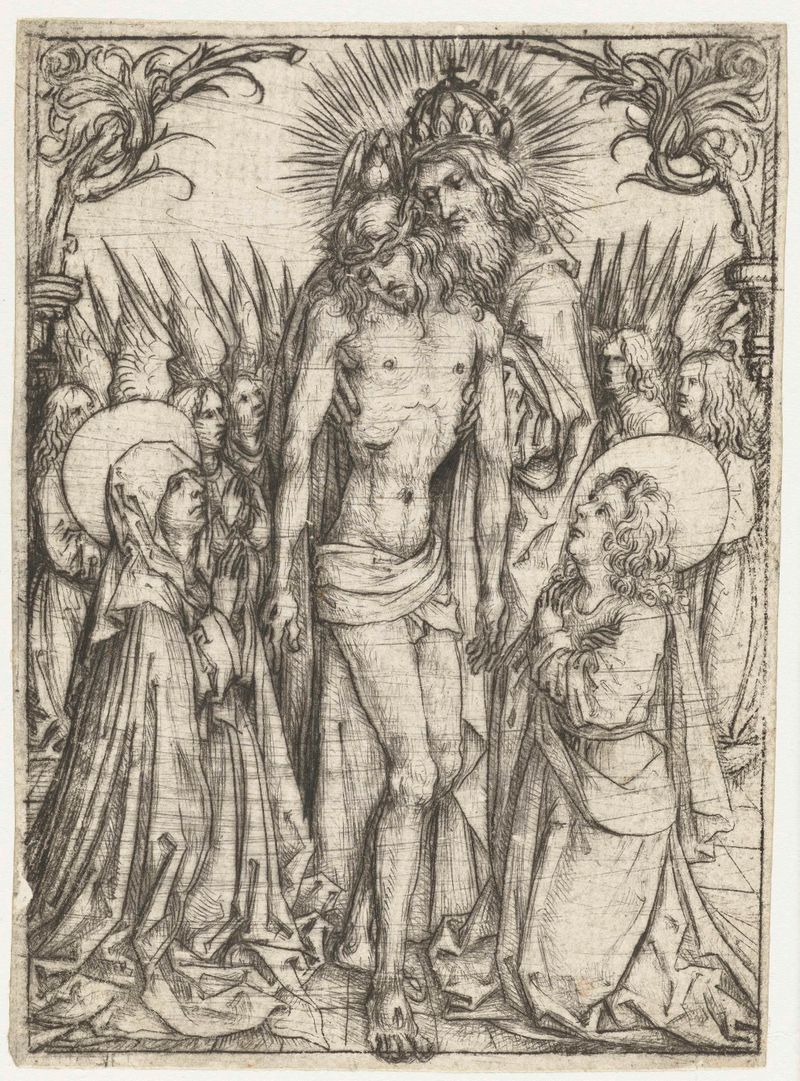
Aanbidding van de Heilige Drieëenheid door Maria, Johannes de Evangelist en engelen
Meester van het Amsterdamse Kabinet





