
Domestic Pleasures — History & Facts
In Domestic Pleasures, we see a warm and inviting interior scene. The colors are soft and earthy, with rich browns and gentle creams dominating the palette. Figures are engaged in daily activities, creating a sense of intimacy and comfort.
The setting is detailed, showcasing various domestic items that enhance the narrative of everyday life. The painting is executed in oil on canvas, a medium that allows for rich textures and depth. Chardin's technique involves careful layering of paint to achieve a realistic representation of light and shadow. The composition is balanced, drawing the viewer's eye across the canvas.
The attention to detail in the objects depicted speaks to Chardin's skill and dedication to realism. Jean Siméon Chardin was a prominent French painter known for his still lifes and genre scenes. This work reflects his interest in the simplicity and beauty of everyday life. An interesting fact about Domestic Pleasures is that it exemplifies the Rococo style, focusing on themes of domesticity and the pleasures of home.
Chardin's ability to capture the essence of human experience in such settings has made this painting notable in art history.
More Artworks by Jean Siméon Chardin

The Ray
Jean Siméon Chardin
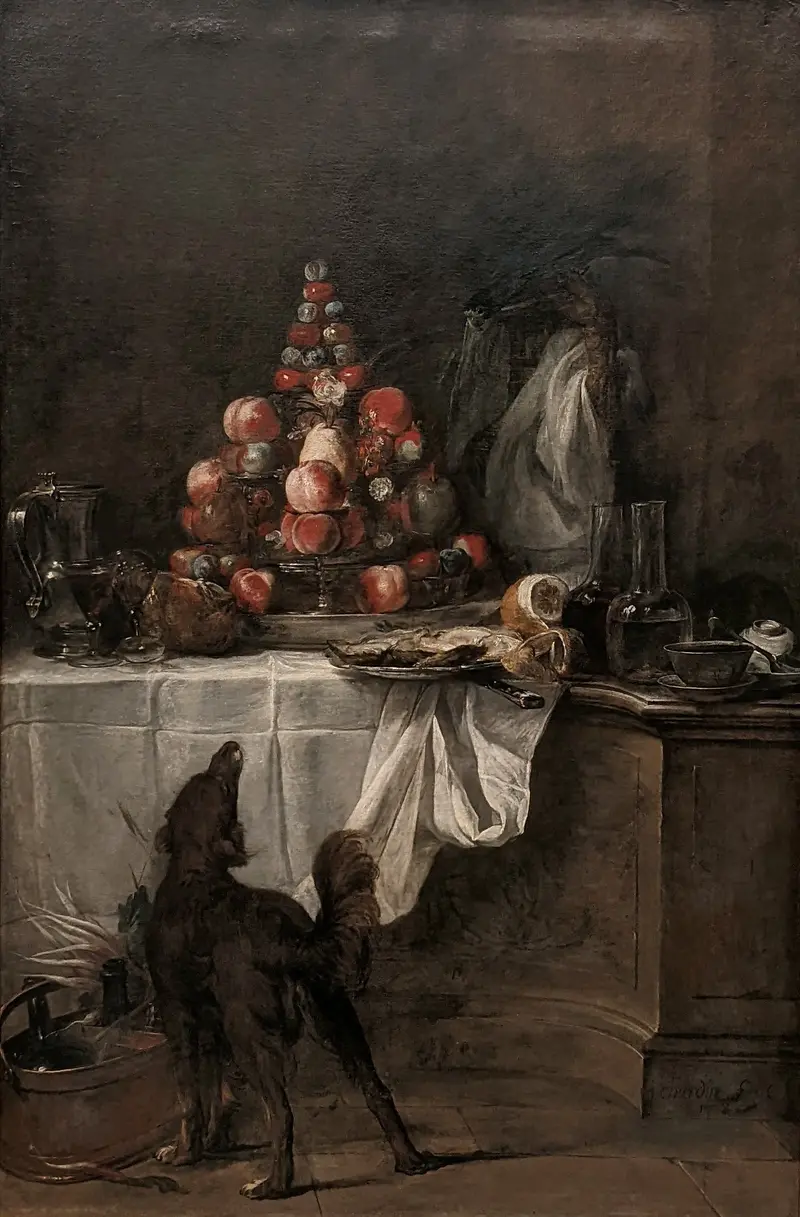
The Buffet
Jean Siméon Chardin

The White Tablecloth
Jean Siméon Chardin
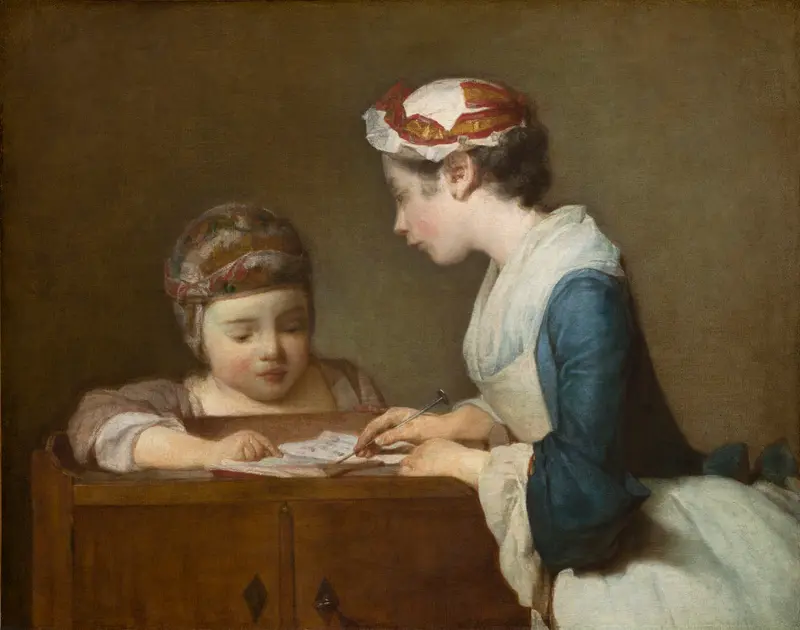
The Little Schoolmistress
Jean Siméon Chardin
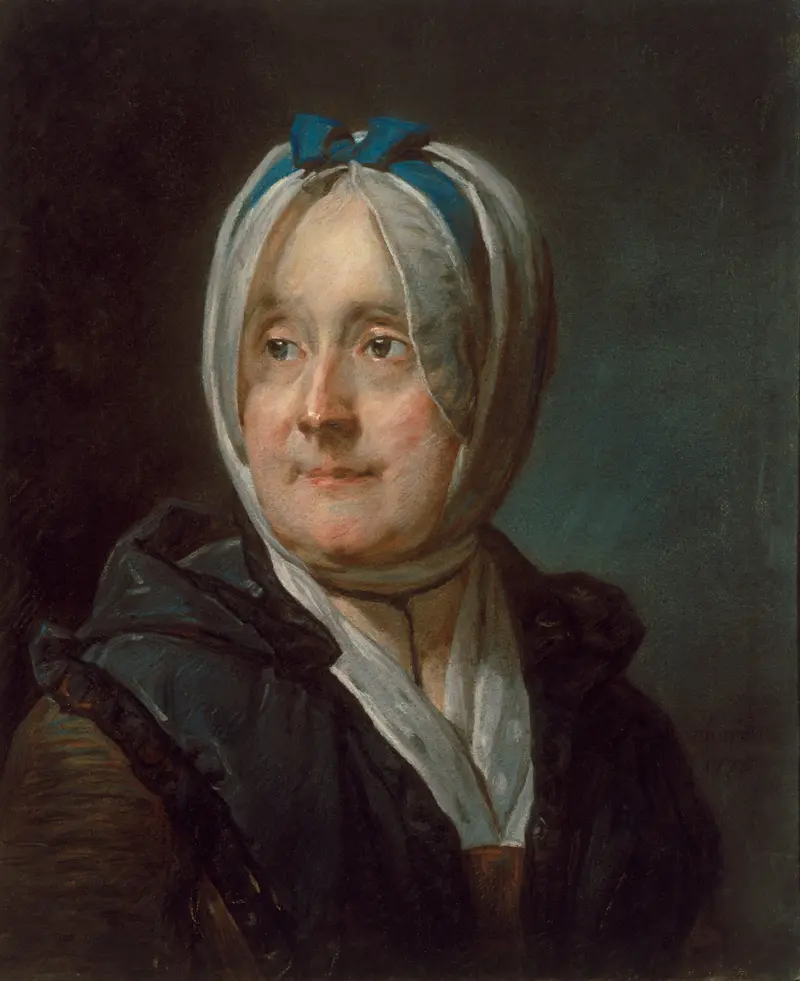
Portrait of Madame Chardin
Jean Siméon Chardin
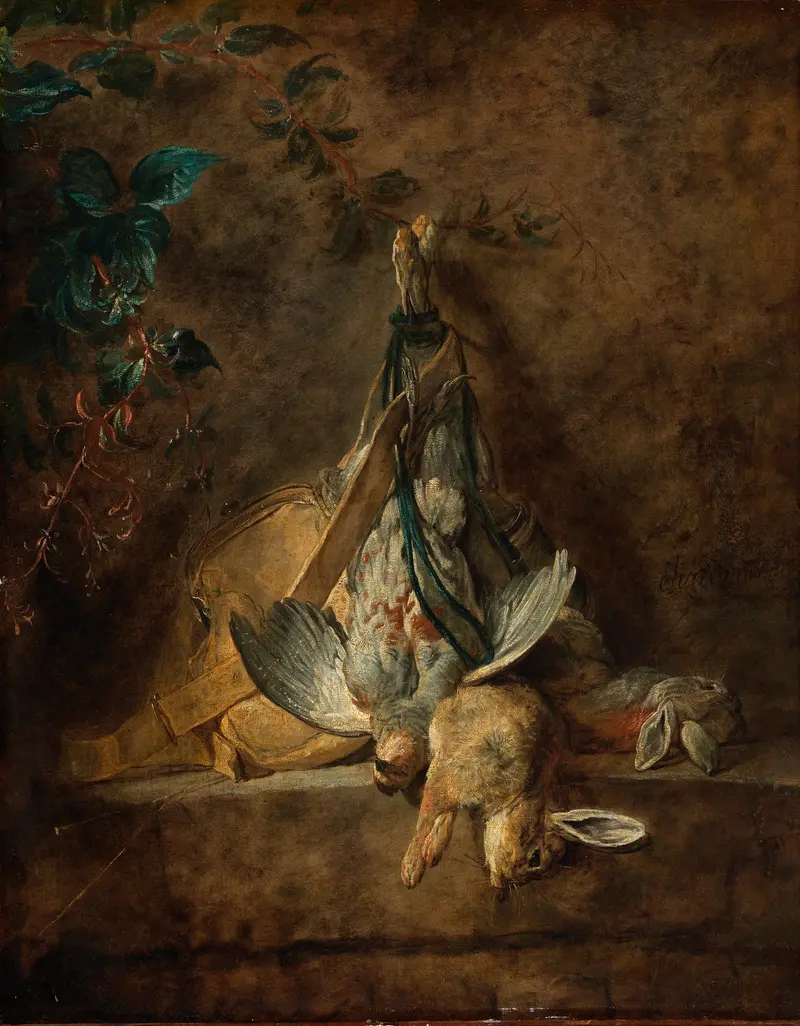
A Still Life; Two Rabbits, a Grey Partridge, Game Bag and a Powder Flask
Jean Siméon Chardin
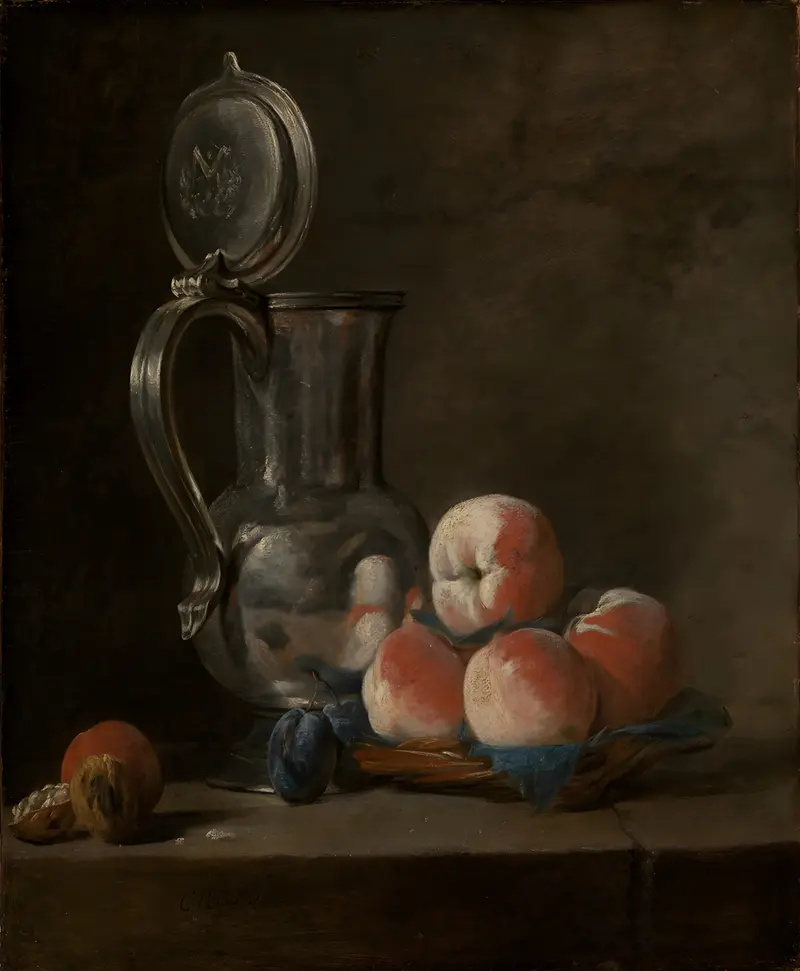
Still life with pewter jug and peaches
Jean Siméon Chardin
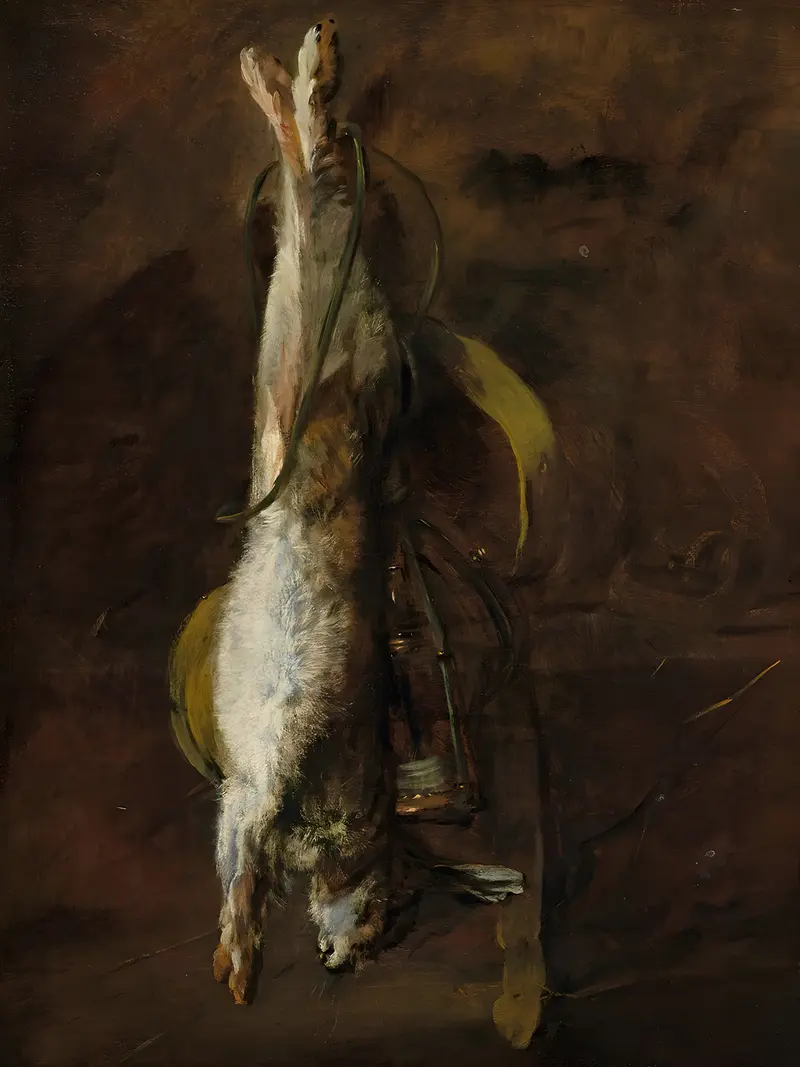
A dead rabbit and a satchel
Jean Siméon Chardin
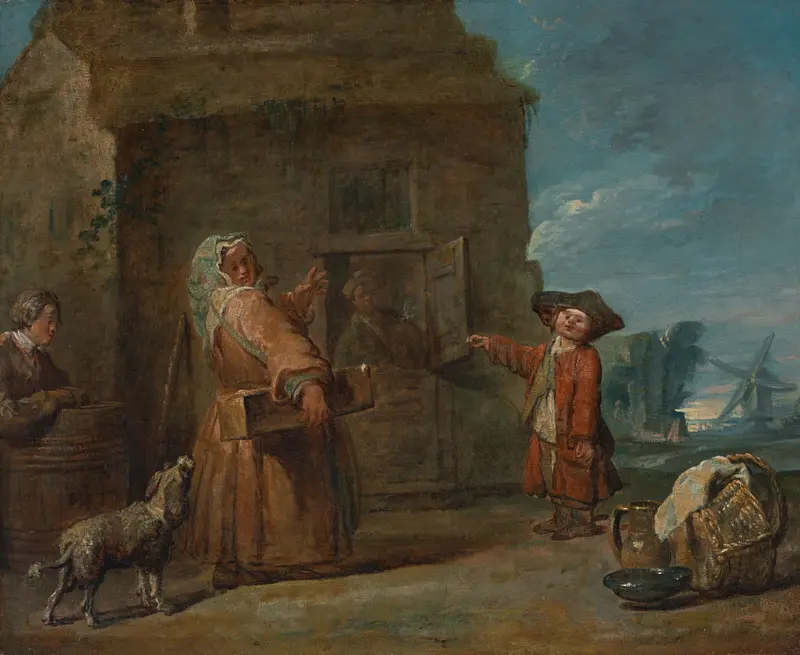
A genre scene, possibly La boïte du prestidigitateur (‘The Conjurer’s Box’)
Jean Siméon Chardin
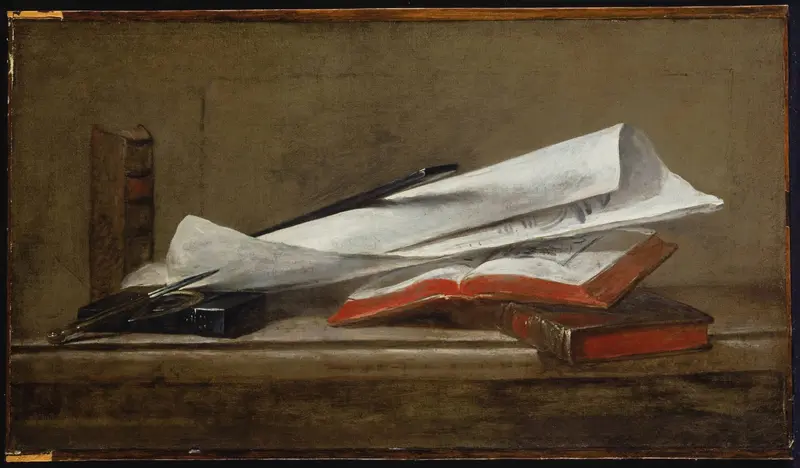
Attributes of the Architect
Jean Siméon Chardin
More Genre Scene Art

Banquet of the Officers of the St George Civic Guard
Frans Hals

Rembrandt and Saskia in the Scene of the Prodigal Son
Rembrandt van Rijn

Bal du moulin de la Galette
Pierre-Auguste Renoir

Quadrille at the Moulin Rouge
Henri de Toulouse-Lautrec

A Burial at Ornans
Gustave Courbet

When Will You Marry?
Paul Gauguin