
Donkey Beside a Tree, Hampstead — History & Facts
At the edge of Regency London, John Linnell found his muse not in grand salons but in the quiet outskirts of Hampstead, where artists gathered to escape the city’s press and study nature directly. What makes Donkey Beside a Tree, Hampstead remarkable is its role in the early movement toward plein air painting in England—a shift that would soon inspire the Pre-Raphaelites and even the French Impressionists. Linnell, a friend and rival of John Constable, was among the first to champion the practice of painting outdoors, capturing the changing light and honest detail of the countryside.
This work stands as a testament to that spirit, its subject drawn from life rather than imagination or studio invention. In the painting, a solitary donkey stands tethered beneath a spreading tree, its patient gaze turned toward the viewer, while the dappled light plays across its rough coat and the tangled grass at its feet. Linnell chooses a moment of stillness, neither dramatic nor sentimental, but attentive to the ordinary dignity of the animal and the subtle beauty of the English landscape. The careful rendering of the donkey’s anatomy and the texture of the bark recall the influence of George Stubbs, though Linnell’s brushwork is looser, more concerned with atmosphere than anatomical precision.
The composition’s gentle asymmetry, with the tree anchoring one side and the open field receding into mist, invites the eye to linger on the quiet interplay between creature and setting. The precise origins of Donkey Beside a Tree, Hampstead remain uncertain—no definitive commission or exhibition record survives, and the date is unrecorded. Like many of Linnell’s landscapes from this period, it likely passed through the hands of private collectors, cherished for its truthful depiction of rural life at a time when industrialization was transforming England’s countryside. Today, the painting is recognized as part of Linnell’s broader campaign to elevate landscape painting, bridging the gap between the poetic tradition of J.M.W.
Turner and the painstaking realism of the next generation. Its survival offers a glimpse into a pivotal moment in British art, when the ordinary became worthy of close, loving attention.
More Artworks by John Linnell

A View Near Hampstead
John Linnell
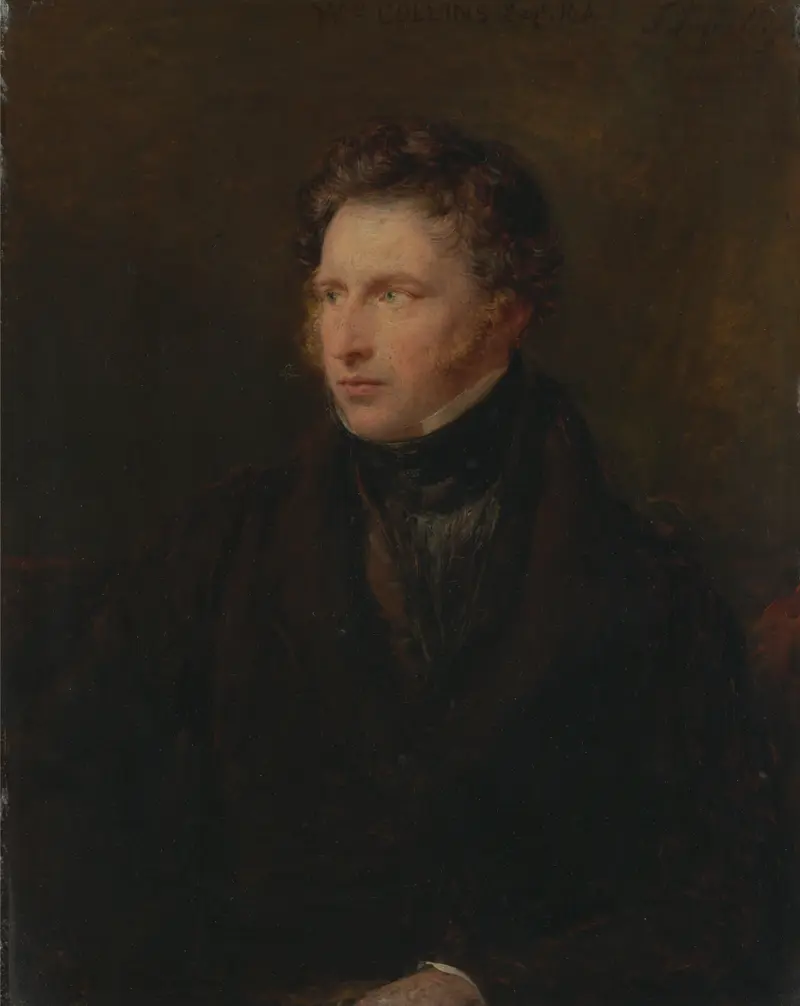
William Collins, R.A.
John Linnell
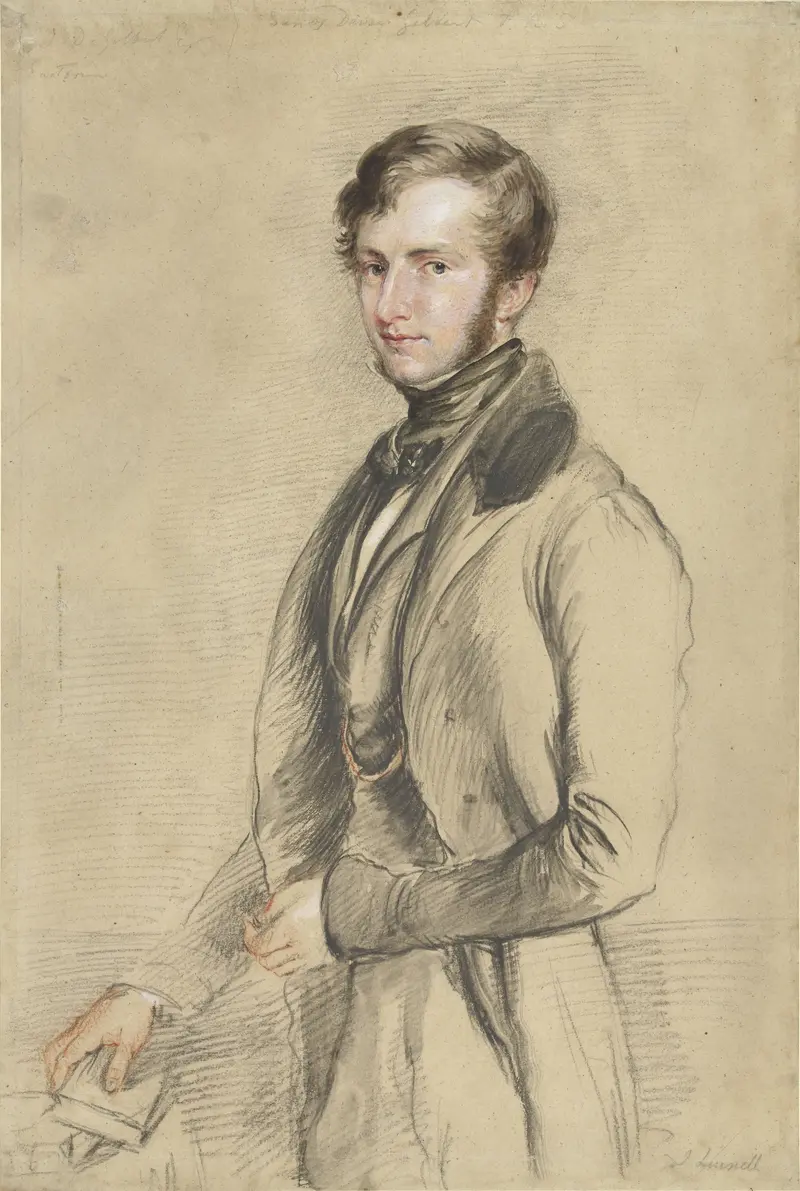
Portrait of John Davies Gilbert
John Linnell
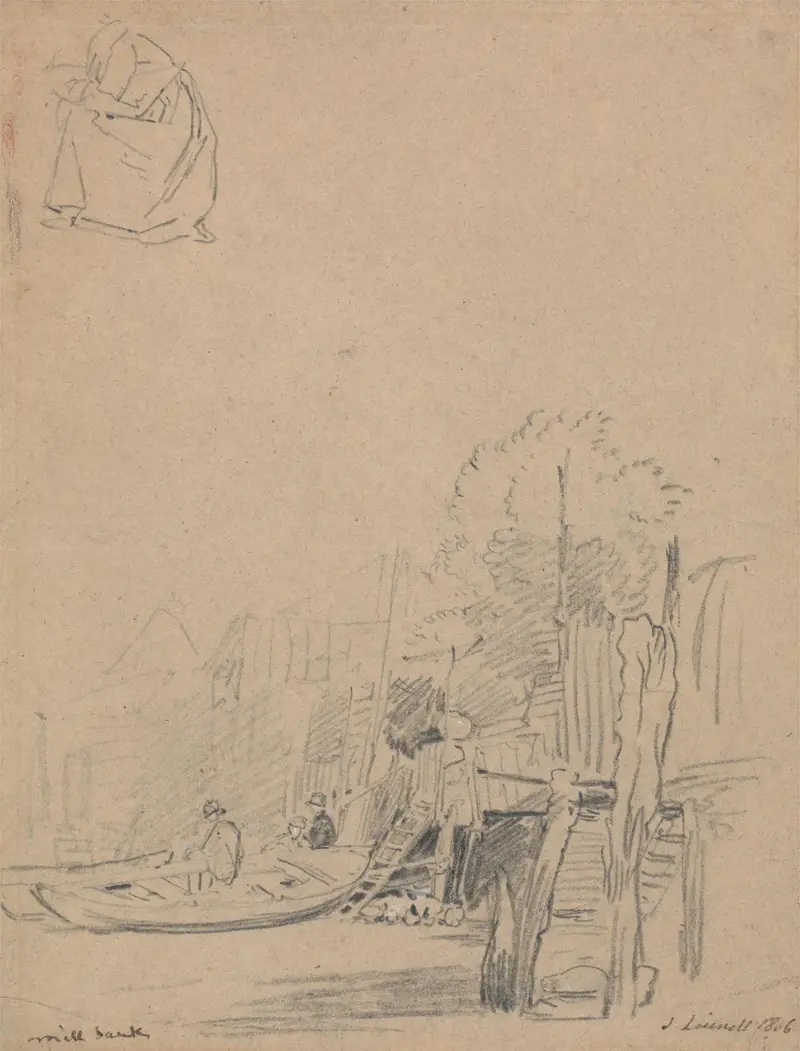
Millbank
John Linnell
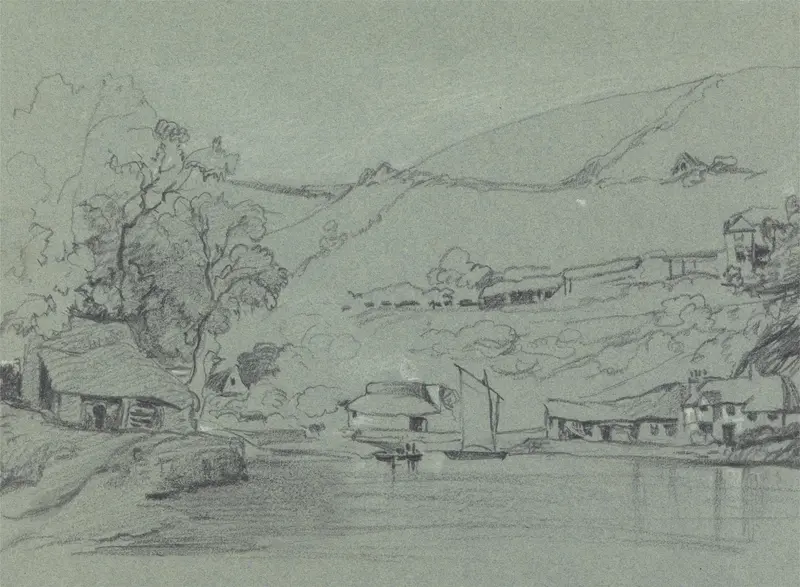
Scene in Kent
John Linnell
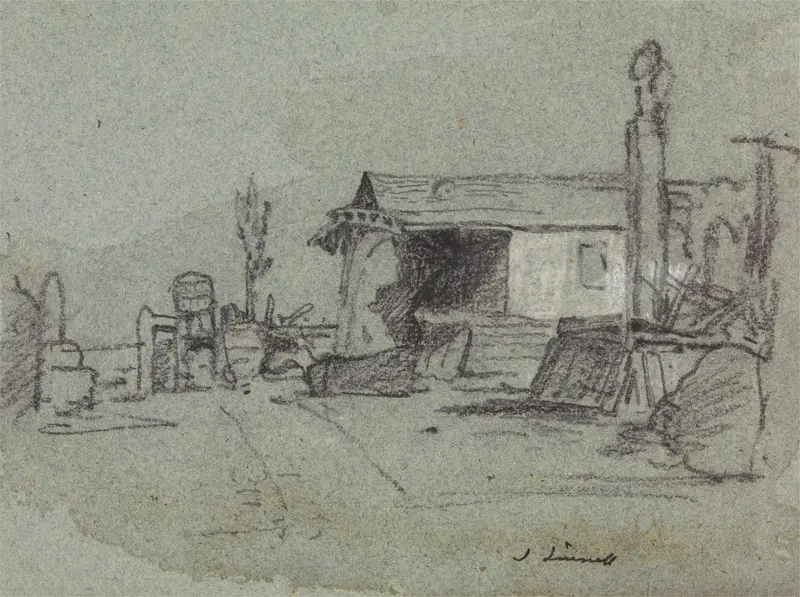
A Scene in the Edgware Road, London
John Linnell
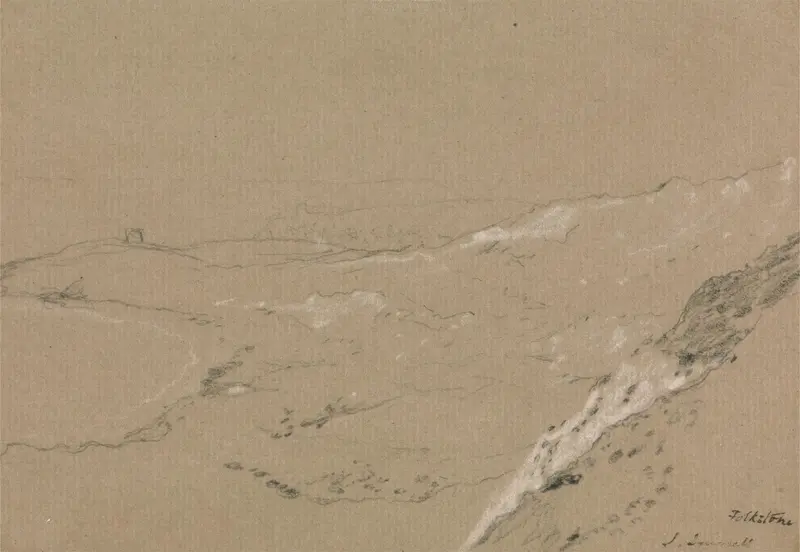
Folkestone
John Linnell
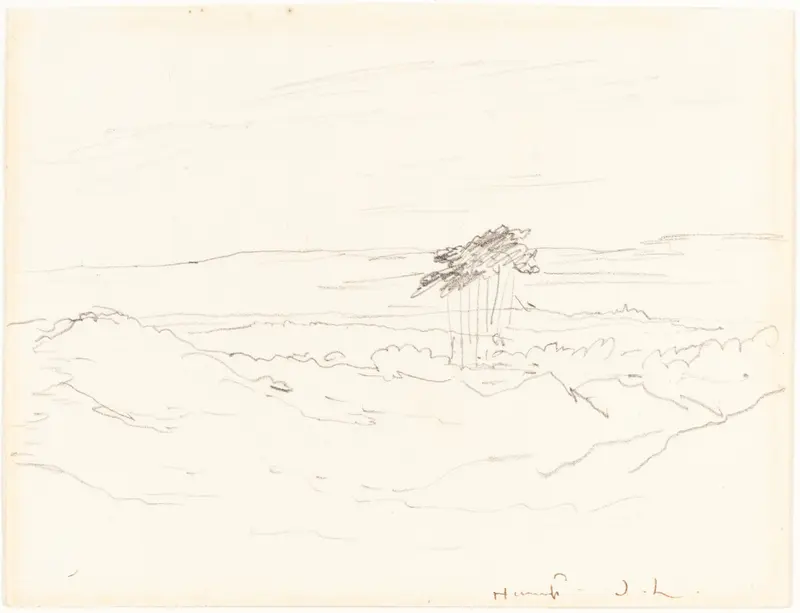
Hampstead Heath
John Linnell
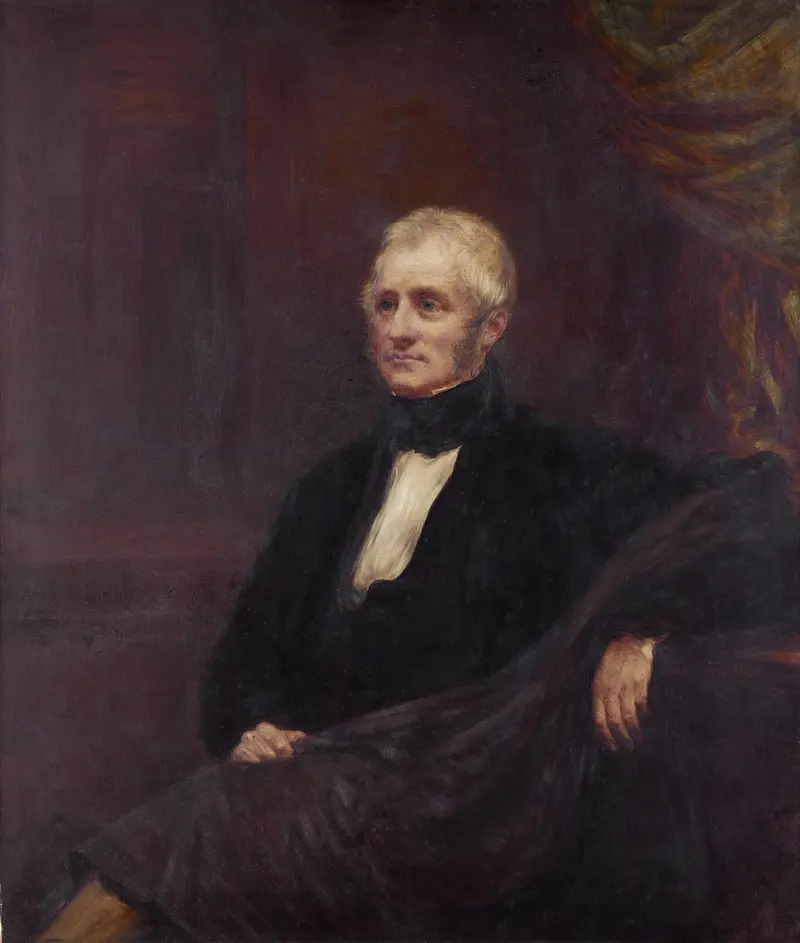
Henry Stephen Fox-Strangways, 3rd Earl Of Ilchester
John Linnell
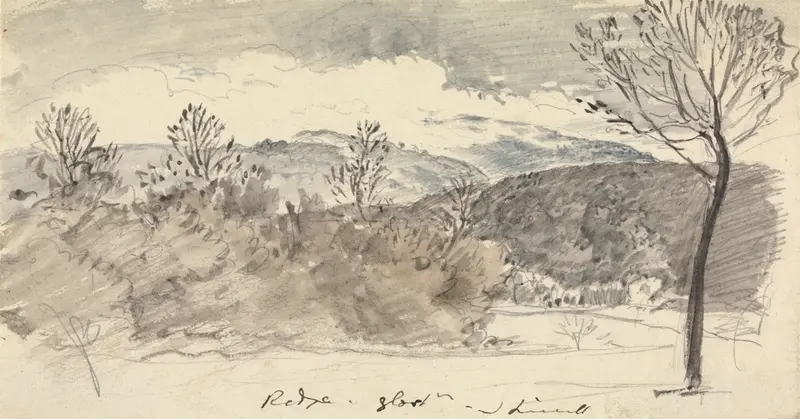
View at Mr. Sheppard’s, The Ridge, Gloucestershire
John Linnell





