
Dood en Hemelvaart van Maria — History & Facts
In the stillness of Dood en Hemelvaart van Maria, madness intertwines with serenity, a dance between despair and transcendence. This haunting portrayal conveys a profound emotional landscape, asking us to confront the fragility of both life and the divine. Look to the serene figures at the center, positioned with an almost ethereal grace. Notice how the drapery of their garments cascades softly, almost floating, while shadows grip the edges of the scene.
The muted color palette, dominated by somber earth tones and gentle blues, creates a delicate interplay of light and shadow, drawing the eye toward the luminous figure of Mary, who seems to hover between worlds—a poignant representation of death and ascension. The emotional tension in this work lies in the suspended moment between grief and hope. The mourning figures at her feet, their expressions a mosaic of sorrow and reverence, contrast sharply with the serene tranquility of Mary. Each face tells a story of madness—the madness of loss, the madness of faith—echoing the uncertainty that often pervades human existence.
This duality of emotion invites viewers to grapple with their own interpretations of salvation and despair. Lucas Cranach (I) painted this profound piece between 1510 and 1515, during a time when the Northern Renaissance was evolving, marked by a growing interest in humanism and naturalism. Cranach was in Wittenberg, deeply entrenched in the Reformation's cultural shifts, reflecting the tensions of his era through this compelling visualization of the divine and the human condition. While grappling with his own artistic innovations, he sought to bridge spirituality with the raw realities of life, creating a lasting impact on viewers and fellow artists alike.
More Artworks by Lucas Cranach (I)
Browse all →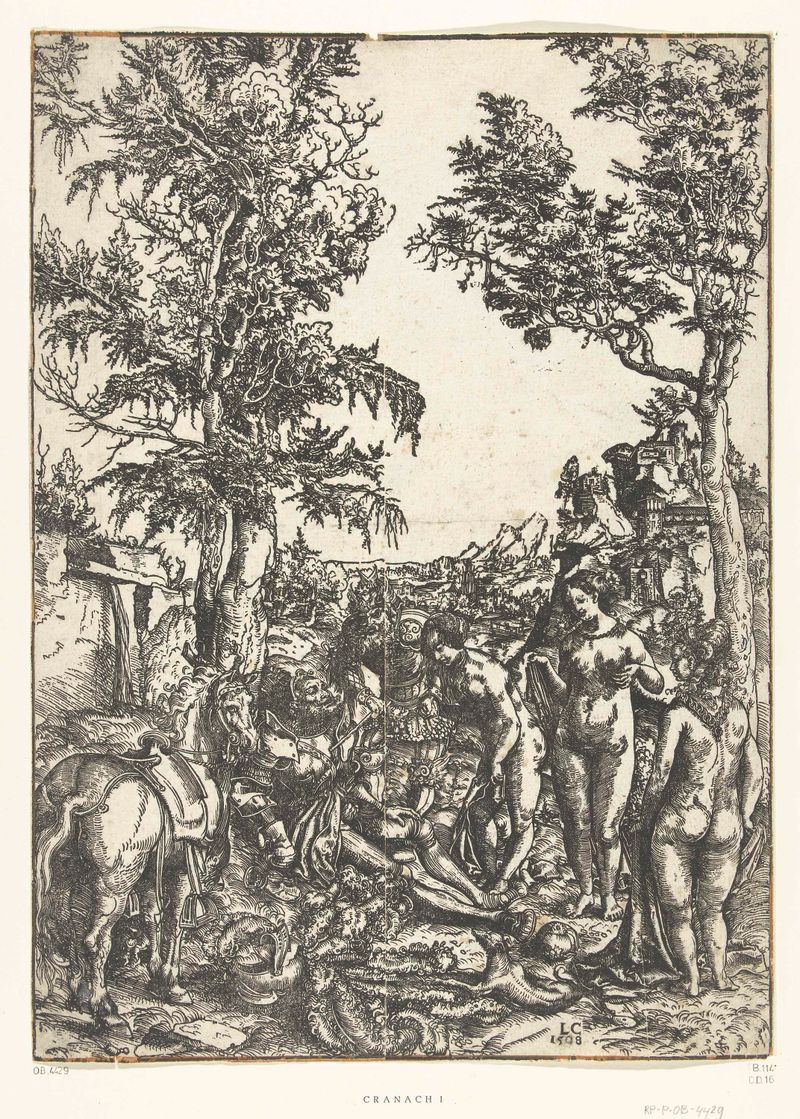
Oordeel van Paris
Lucas Cranach (I)
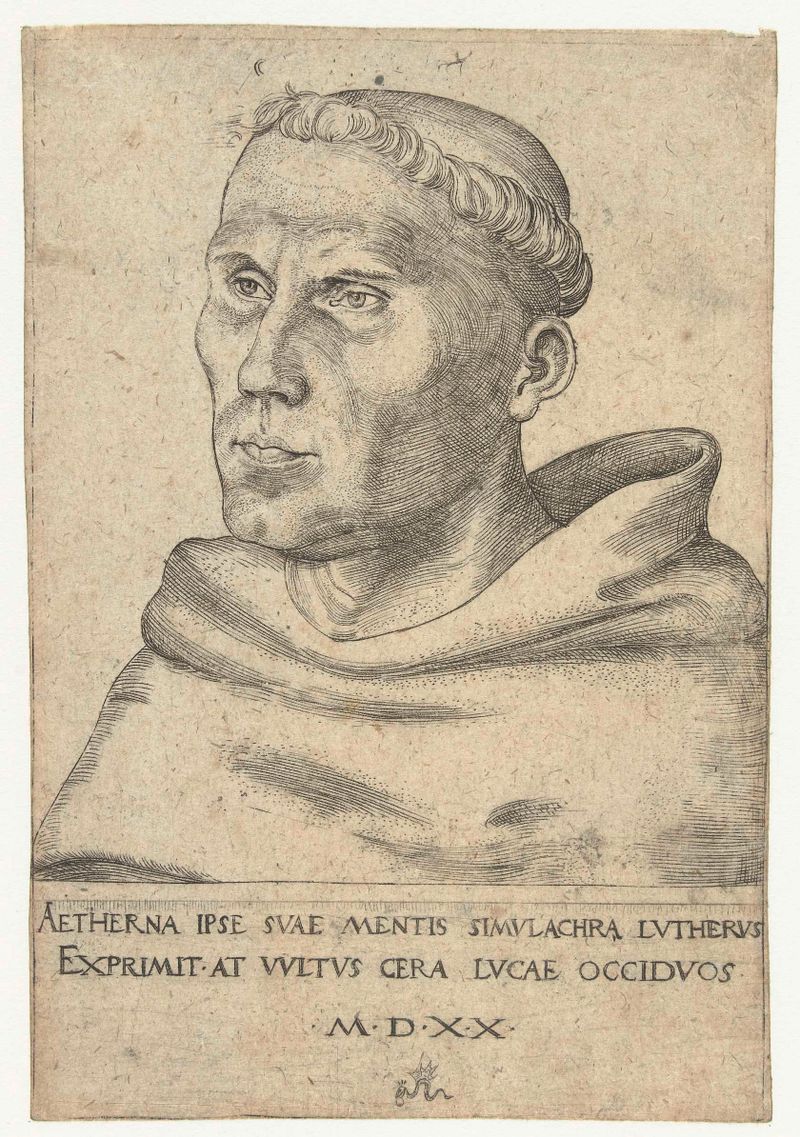
Portret van Martin Luther als Augustijner monnik
Lucas Cranach (I)
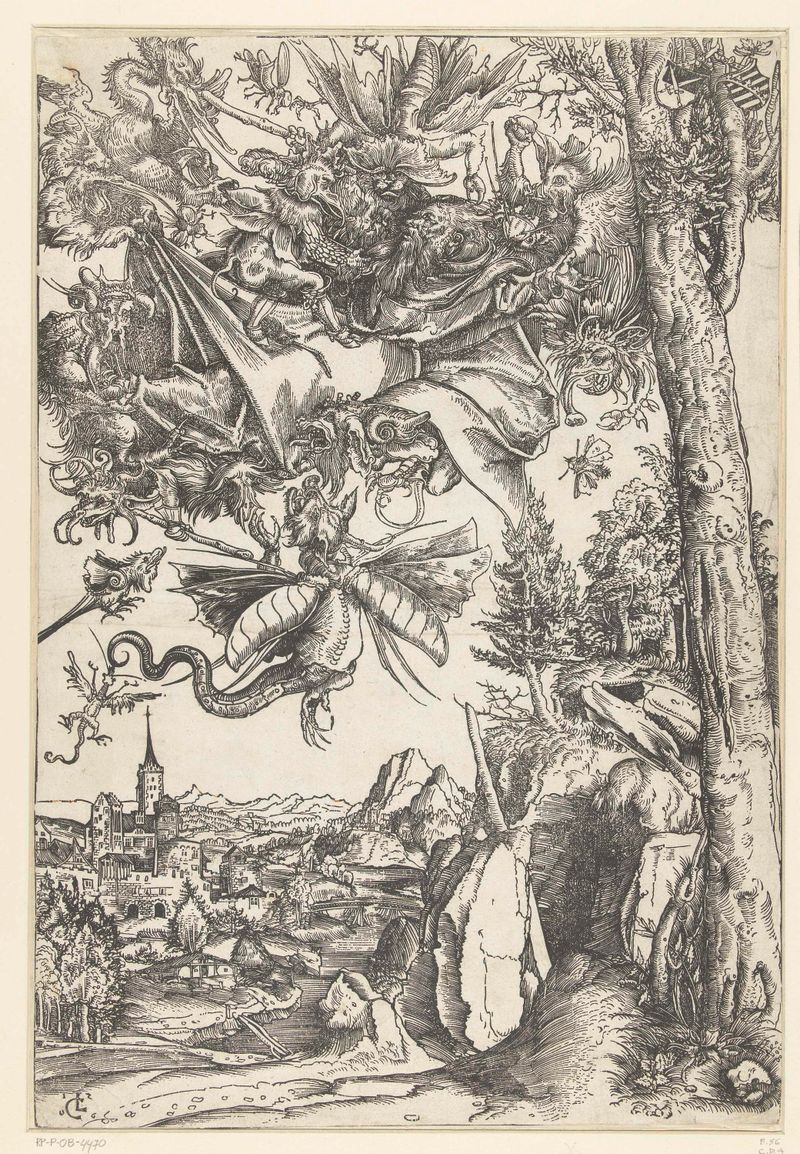
Verzoeking van Antonius met aanval door demonen
Lucas Cranach (I)

Christus en de Samaritaanse vrouw
Lucas Cranach (I)

Duits toernooi met twee edelmannen als ridders te paard
Lucas Cranach (I)
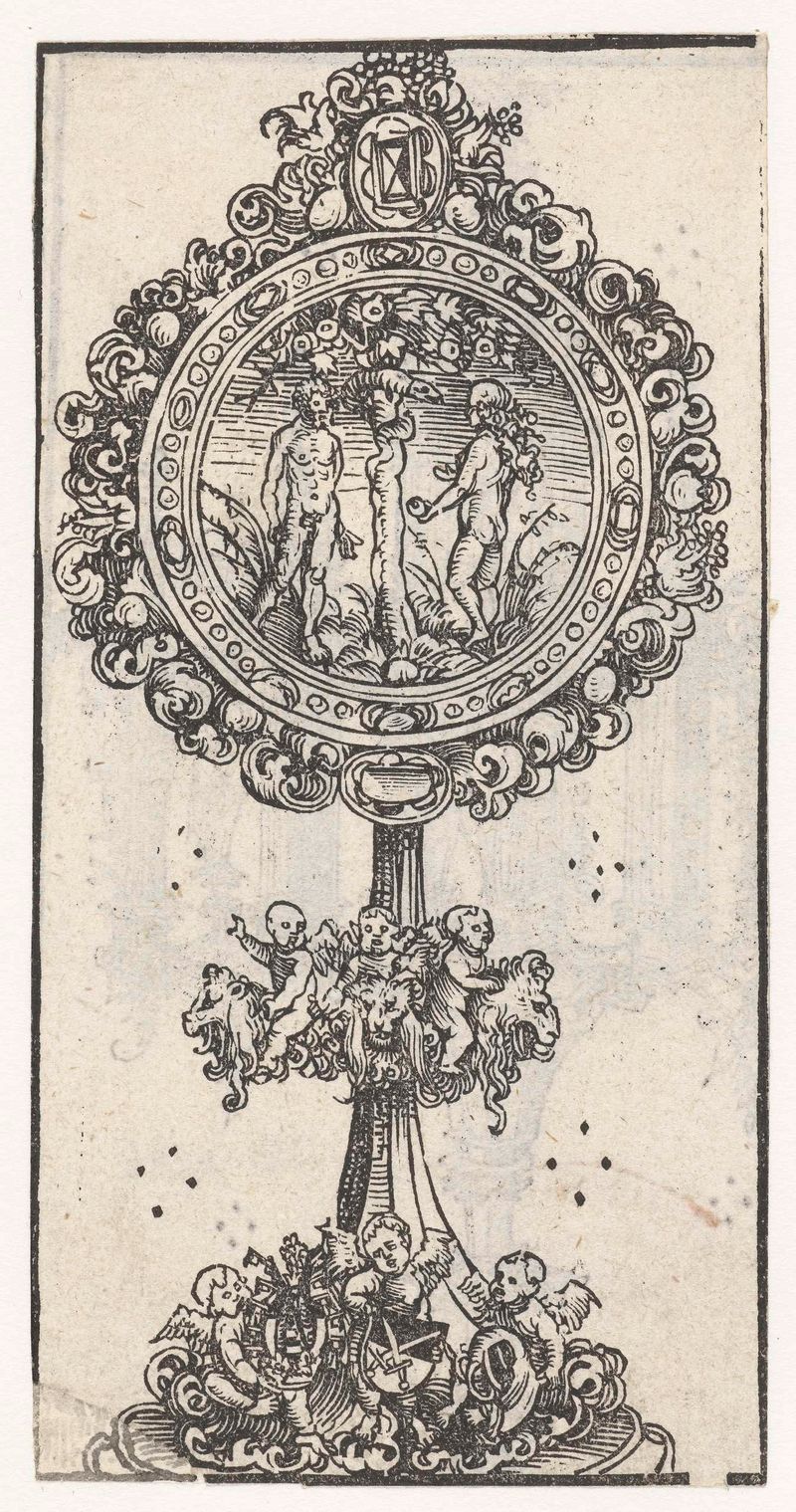
Reliekhouder met de verzoeking van Adam en Eva
Lucas Cranach (I)

Intocht van Christus in Jerusalem
Lucas Cranach (I)
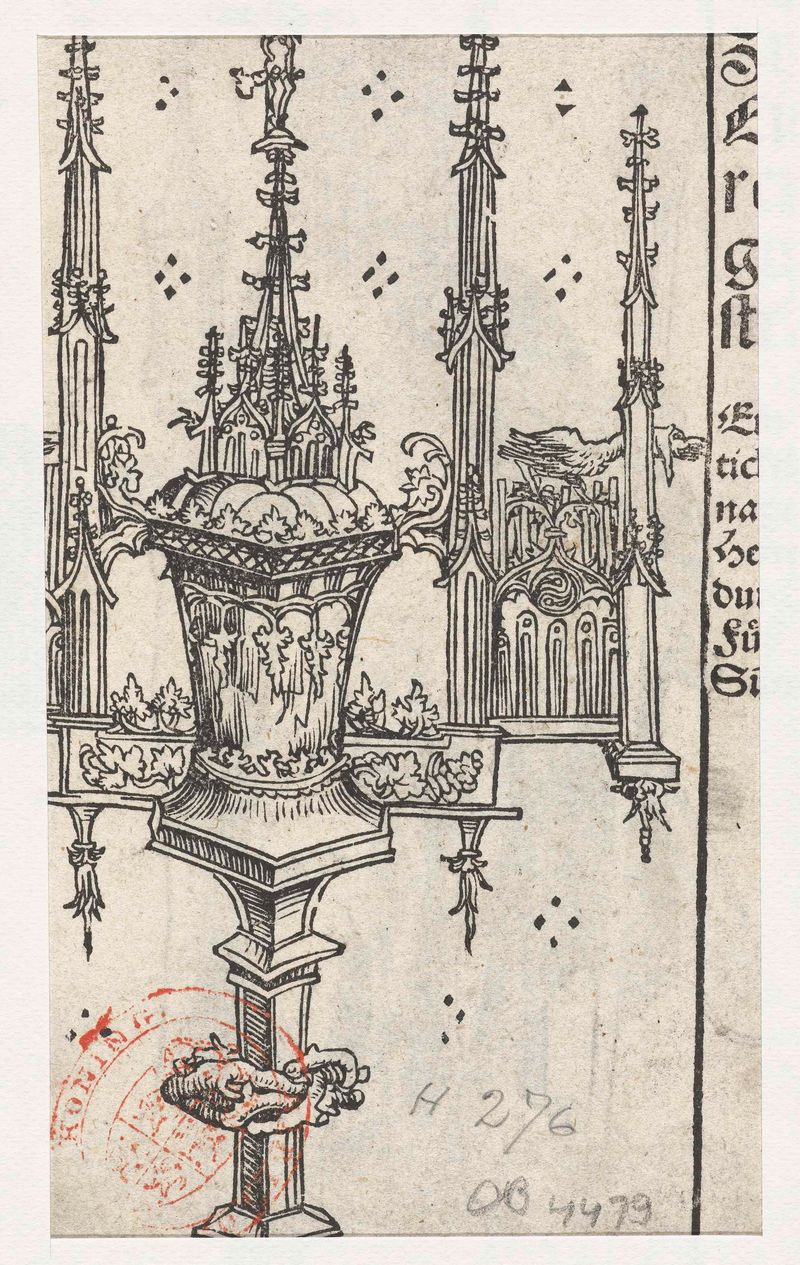
Monstrans met vogel (pelikaan)
Lucas Cranach (I)
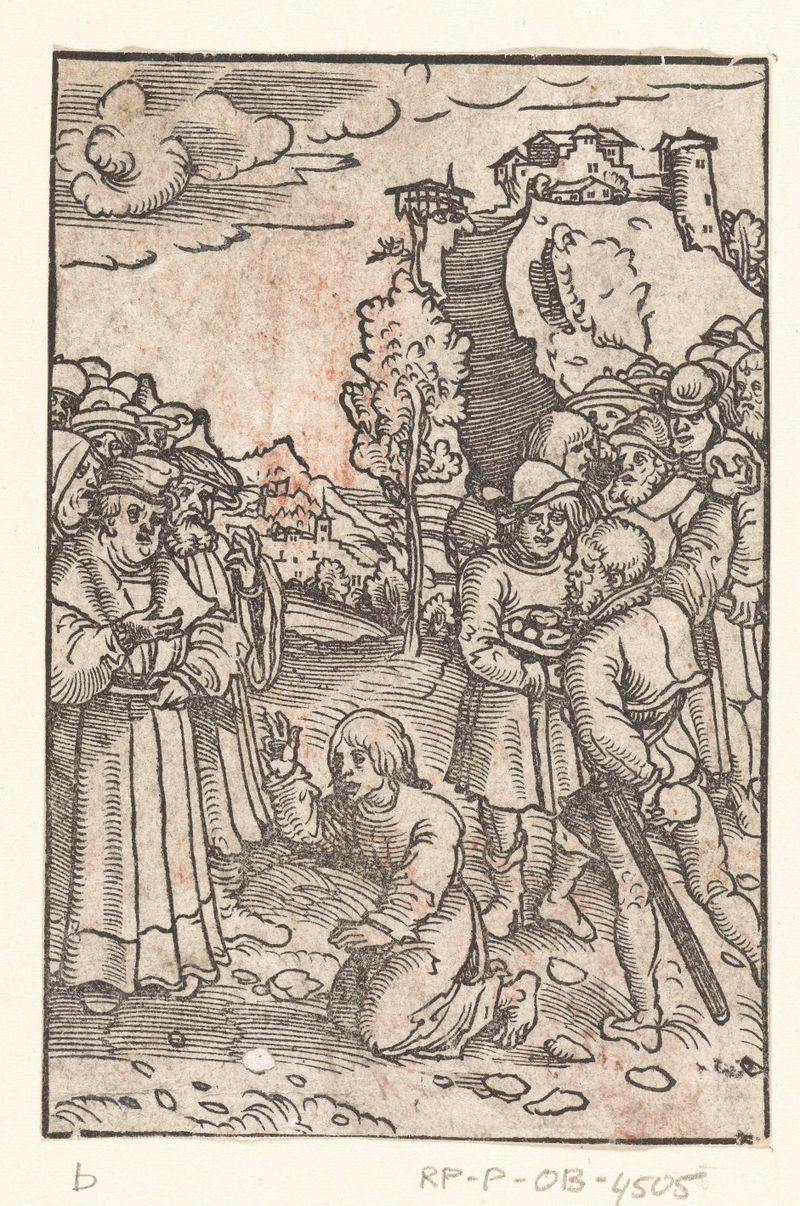
Steniging van Stefanus
Lucas Cranach (I)
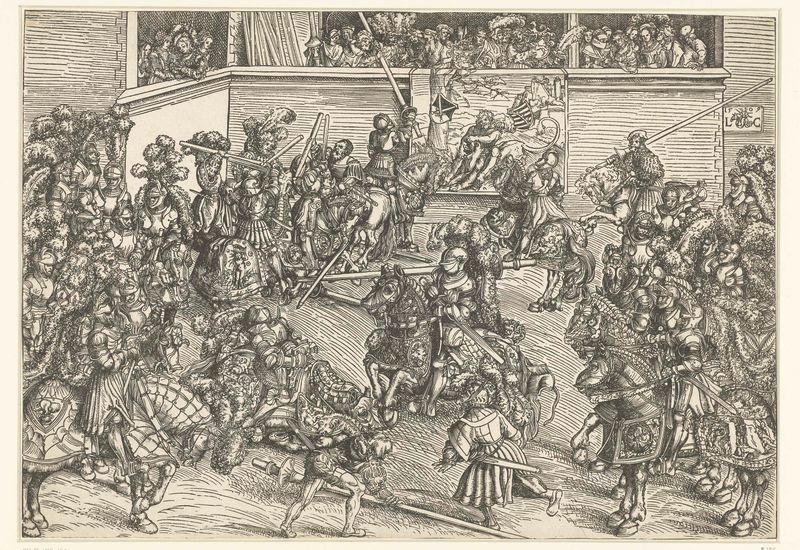
Toernooi van het keurvorstelijk hof van Saksen met wandtapijt Simson doodt de leeuw
Lucas Cranach (I)
More Religious Art
Browse all →
The Return of the Prodigal Son
Rembrandt van Rijn

The Garden of Earthly Delights
El Bosco

Count Orgaz’ funeral
El Greco

The Hundred Guilder Print: the central piece with Christ preaching, the plate arched
Rembrandt van Rijn

The Descent from the Cross
Rogier van der Weyden

The return of the prodigal son
Rembrandt van Rijn