
Dood van Christus aan het kruis — History & Facts
Could a single brushstroke hold eternity? In the stillness of Dood van Christus aan het kruis, silence envelops the moment, inviting contemplation of sacrifice and redemption. Gaze first at the stark figure of Christ, suspended at the center, his body a poignant juxtaposition of vulnerability and strength. Notice how the muted earth tones contrast sharply with the deep crimson of his wounds, drawing your eye to the visceral pain of his crucifixion. The backdrop, a shadowy landscape, enhances the somber mood, while the delicate precision of the details—the ripples in his draped cloth, the pained expression on his face—evokes a depth of emotion that transcends mere representation. Hidden within this composition are layers of meaning.
The starkness of the setting underscores the isolation of the figure, hinting at the loneliness of divine sacrifice. The bare branches of nearby trees, devoid of leaves, echo the desolation of this moment, while the haunting stillness of the sky suggests a world suspended in sorrow. Each element invites the viewer to grapple with the tension between hope and despair, life and death. Created in 1509, this work emerged during a transformative period for Lucas Cranach (I), as he navigated the burgeoning Reformation and the shifting landscapes of faith and art.
Working in Wittenberg, he was deeply influenced by Martin Luther’s ideas, which sought to strip away the ornate distractions of Catholicism, making space for personal reflection. This painting not only underscores a pivotal moment in Christian narrative but also signals Cranach's evolving role as a key artist of the Reformation.
More Artworks by Lucas Cranach (I)
Browse all →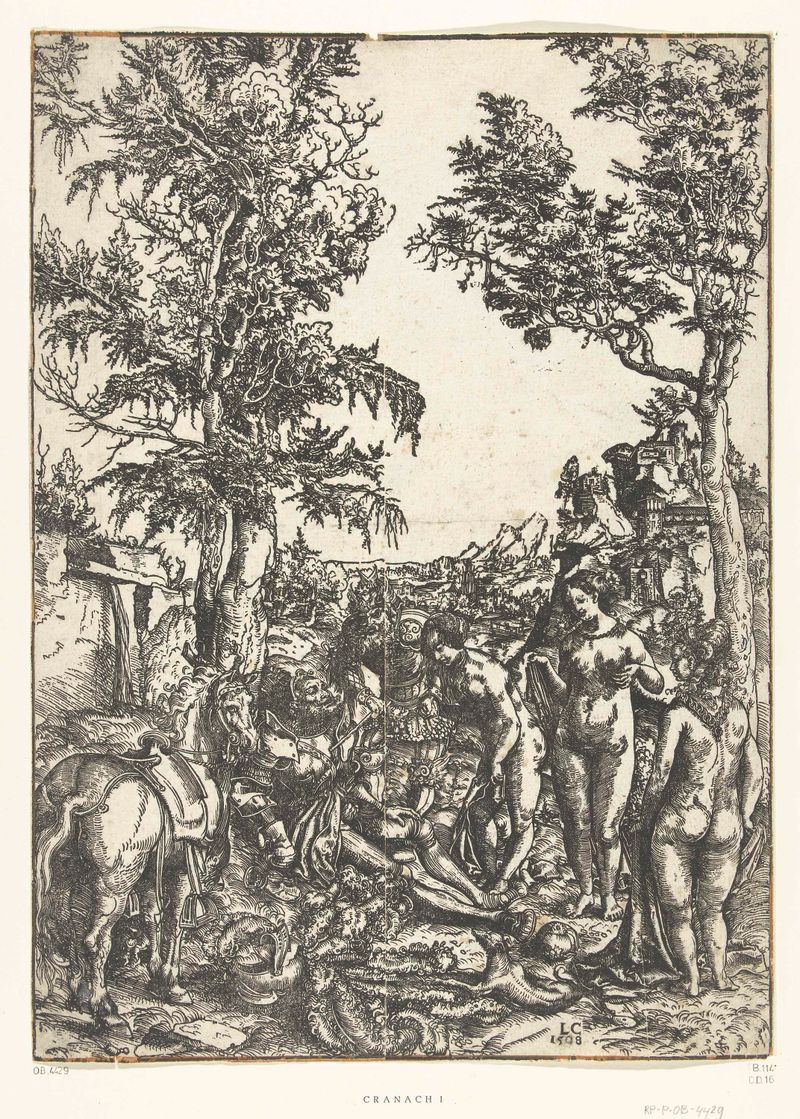
Oordeel van Paris
Lucas Cranach (I)
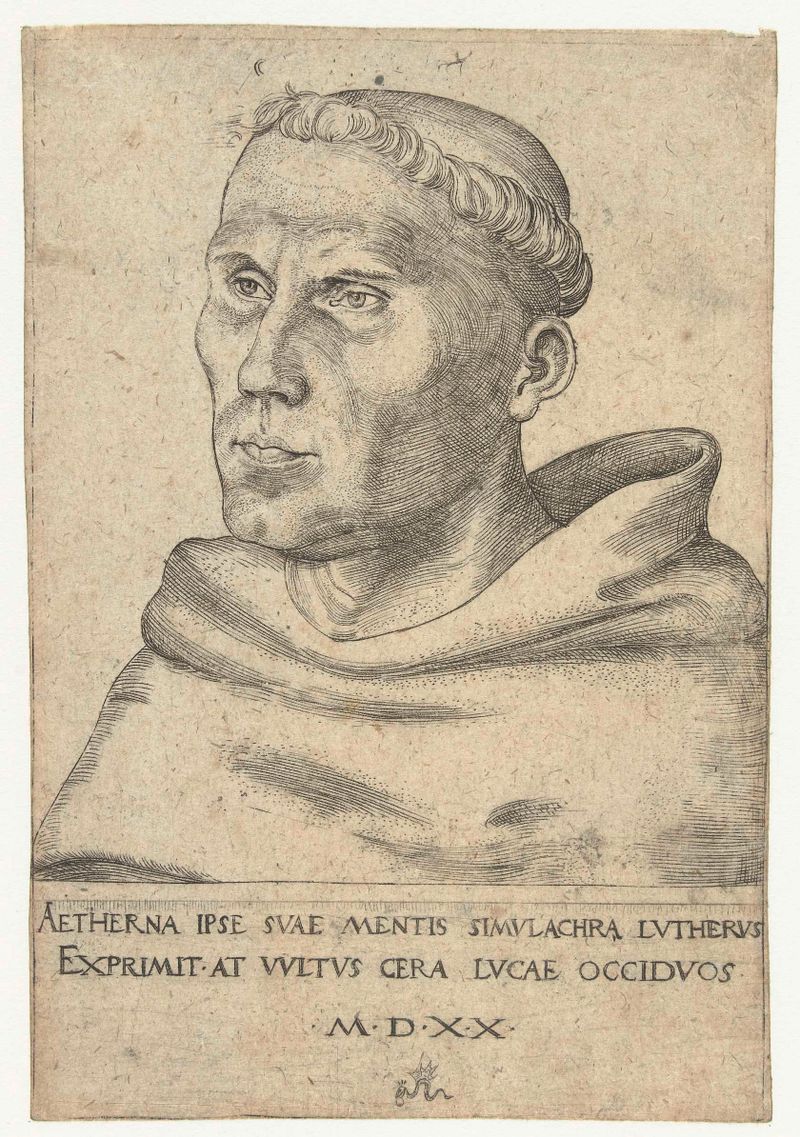
Portret van Martin Luther als Augustijner monnik
Lucas Cranach (I)
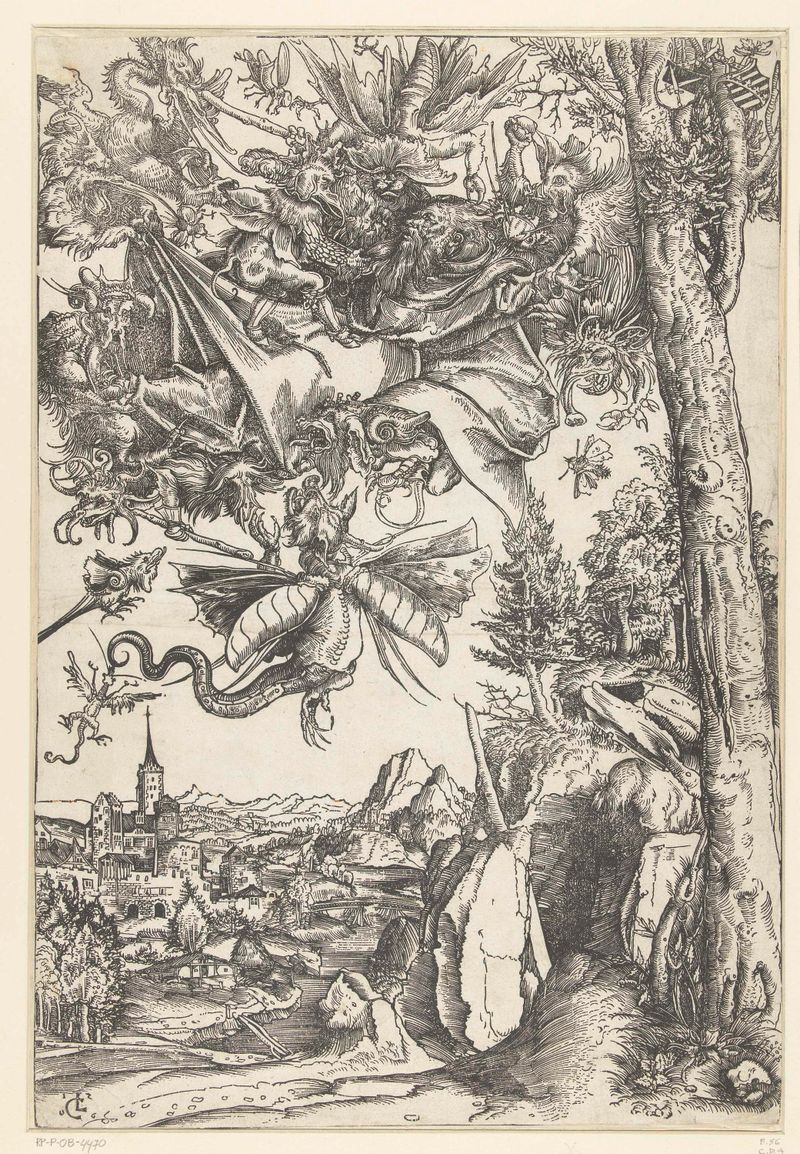
Verzoeking van Antonius met aanval door demonen
Lucas Cranach (I)

Christus en de Samaritaanse vrouw
Lucas Cranach (I)

Duits toernooi met twee edelmannen als ridders te paard
Lucas Cranach (I)
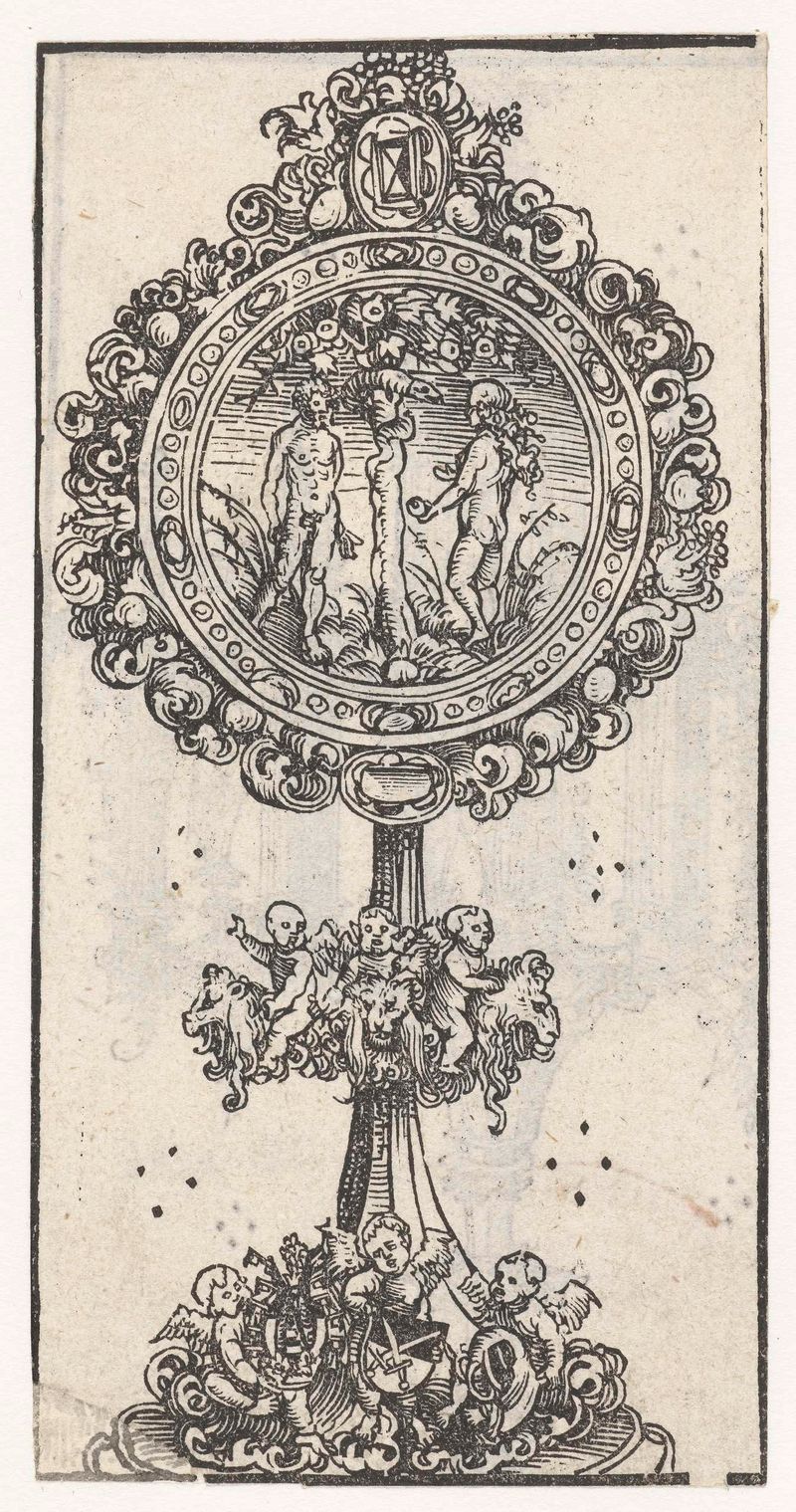
Reliekhouder met de verzoeking van Adam en Eva
Lucas Cranach (I)

Intocht van Christus in Jerusalem
Lucas Cranach (I)
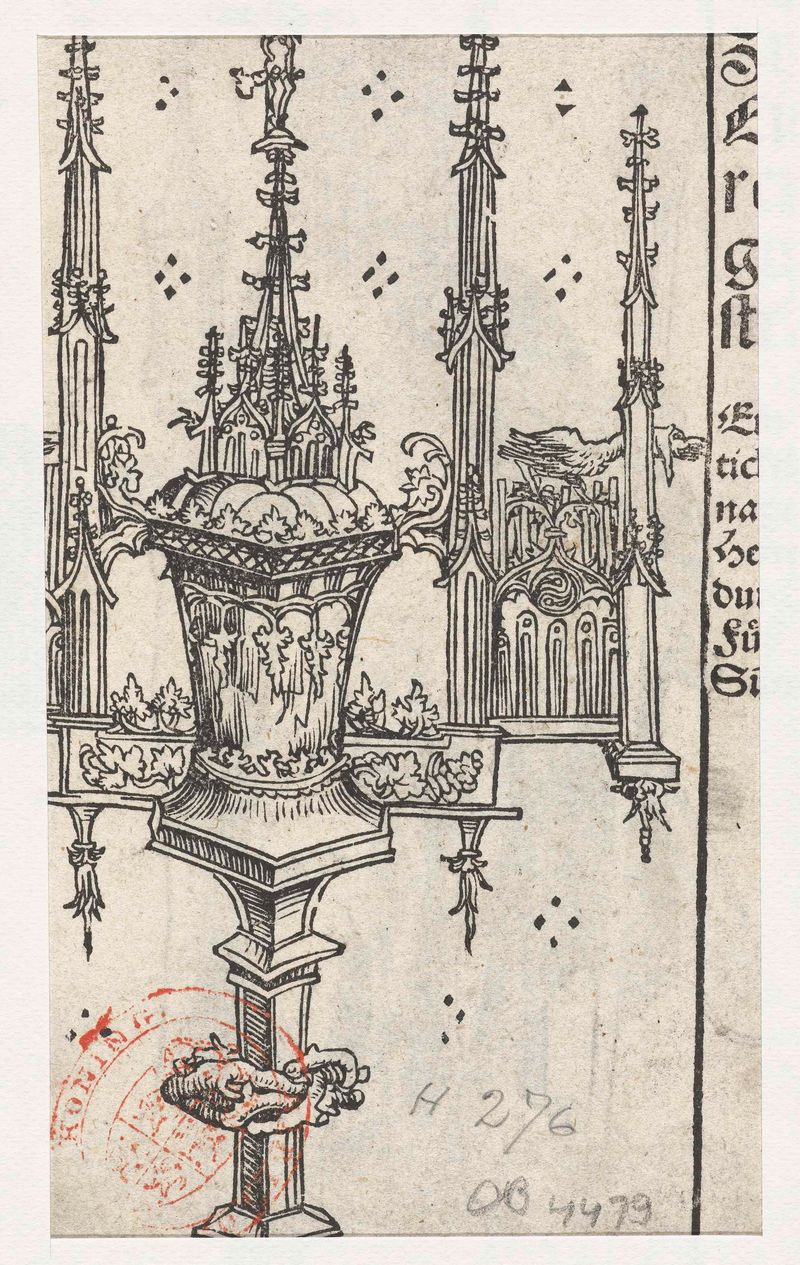
Monstrans met vogel (pelikaan)
Lucas Cranach (I)
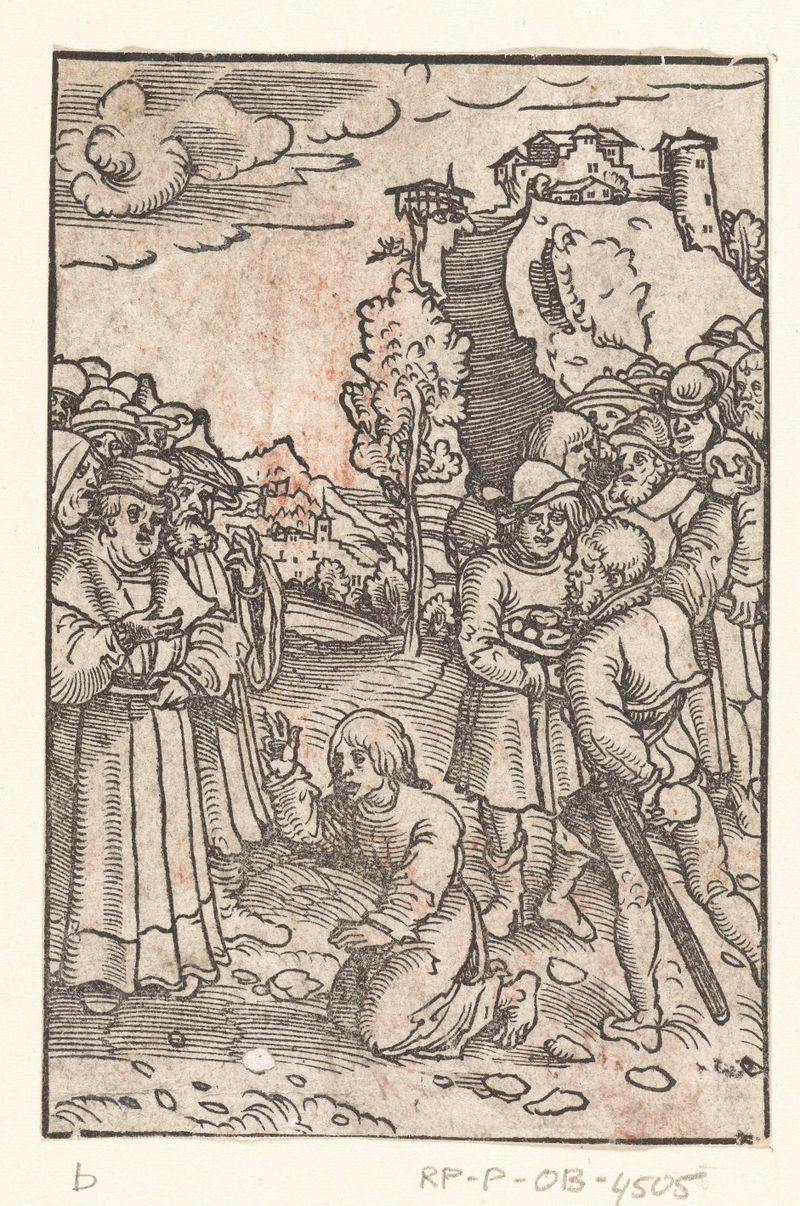
Steniging van Stefanus
Lucas Cranach (I)
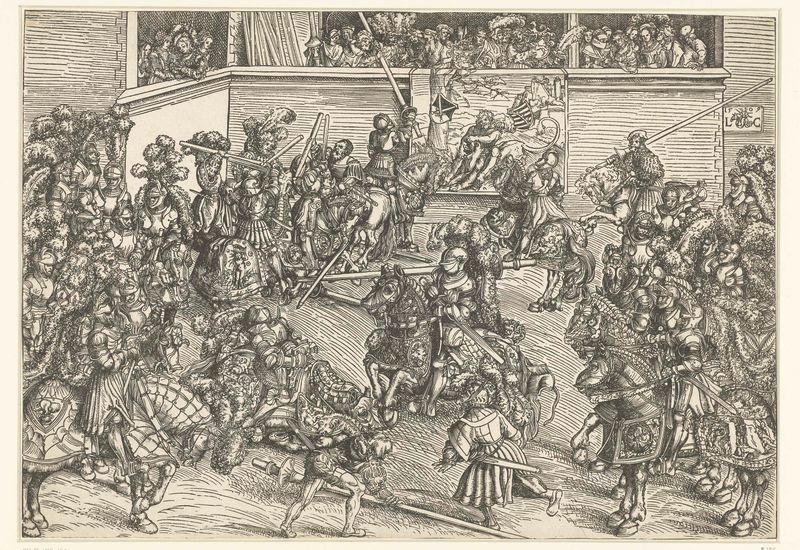
Toernooi van het keurvorstelijk hof van Saksen met wandtapijt Simson doodt de leeuw
Lucas Cranach (I)
More Religious Art
Browse all →
The Return of the Prodigal Son
Rembrandt van Rijn

The Garden of Earthly Delights
El Bosco

Count Orgaz’ funeral
El Greco

The Hundred Guilder Print: the central piece with Christ preaching, the plate arched
Rembrandt van Rijn

The Descent from the Cross
Rogier van der Weyden

The return of the prodigal son
Rembrandt van Rijn