Doomed Duck — History & Facts
In the stillness of Doomed Duck, a quiet tension hangs in the air, evoking a sense of impending reflection and transcendence. The viewer is drawn into an intricate dialogue between life and death, evoking the fragility of existence amidst the heavy weight of fate. Look closely to the center of the canvas, where a solitary duck stands on the brink of an unseen precipice. The painter’s deft strokes capture the tension in the bird’s poised yet vulnerable stance, rendered in shades of muted earth tones.
Notice how the soft light caresses its feathers, illuminating the delicate interplay of shadow and form. Surrounding this central figure, the blurred background hints at a world that is both familiar and distant, encapsulating the precariousness of life itself. Delve deeper into the subtle contrasts within the piece: the stark solitude of the duck against a vast, ambiguous space symbolizes internal struggle, while the almost ethereal quality of the light suggests an otherworldly transcendence. Each brushstroke evokes a sense of melancholy, inviting reflections on existence and the weight of choices.
The duck’s stillness seems to echo the silence that reverberates in our own lives, encouraging contemplation of the unseen forces that shape our destinies. Ernest Haskell painted Doomed Duck between 1900 and 1925, a period marked by burgeoning modernism and shifting artistic paradigms. Working during the height of the American art scene, he was influenced by both naturalism and emerging abstraction, striving to capture the essence of his subjects. His exploration of themes surrounding nature and existence demonstrated a profound engagement with the shifting dynamics of the world around him, revealing the threads of emotion woven into the fabric of everyday life.
More Artworks by Ernest Haskell
Browse all →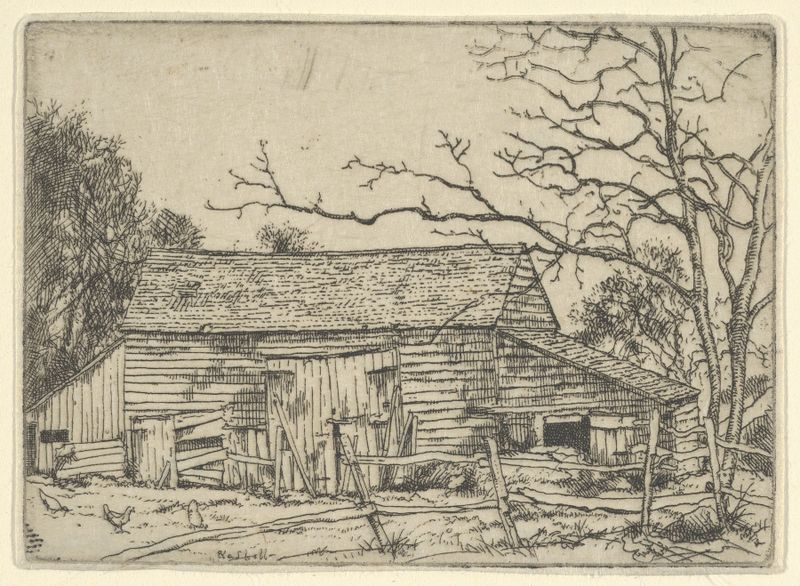
The Barn–Staten Island, N.Y.
Ernest Haskell

Four Live Oaks
Ernest Haskell
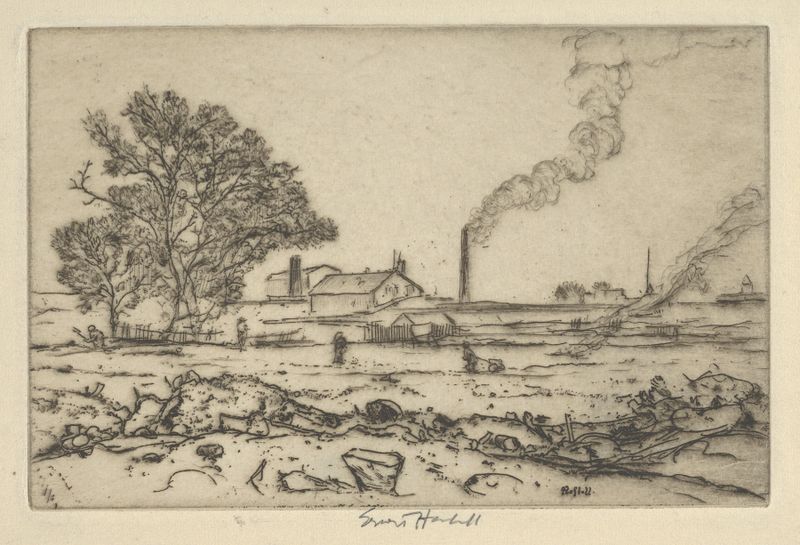
Outskirts of Boston
Ernest Haskell
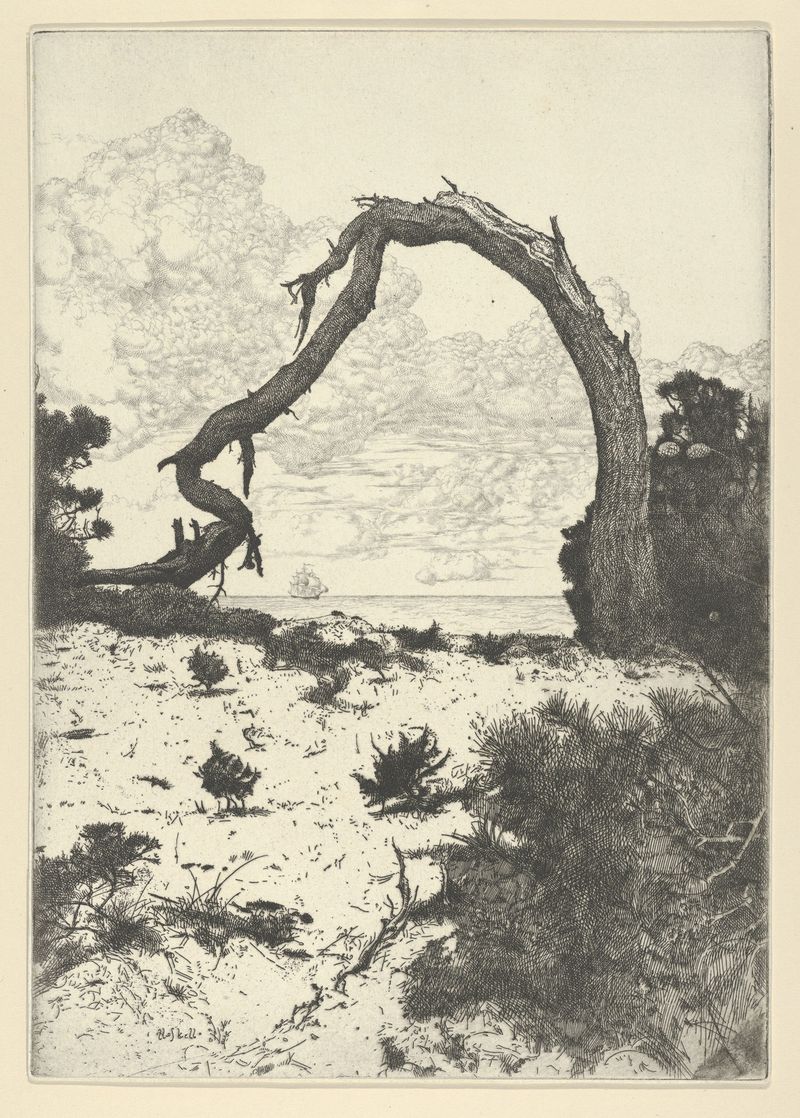
Pine Arch
Ernest Haskell

General Sherman
Ernest Haskell
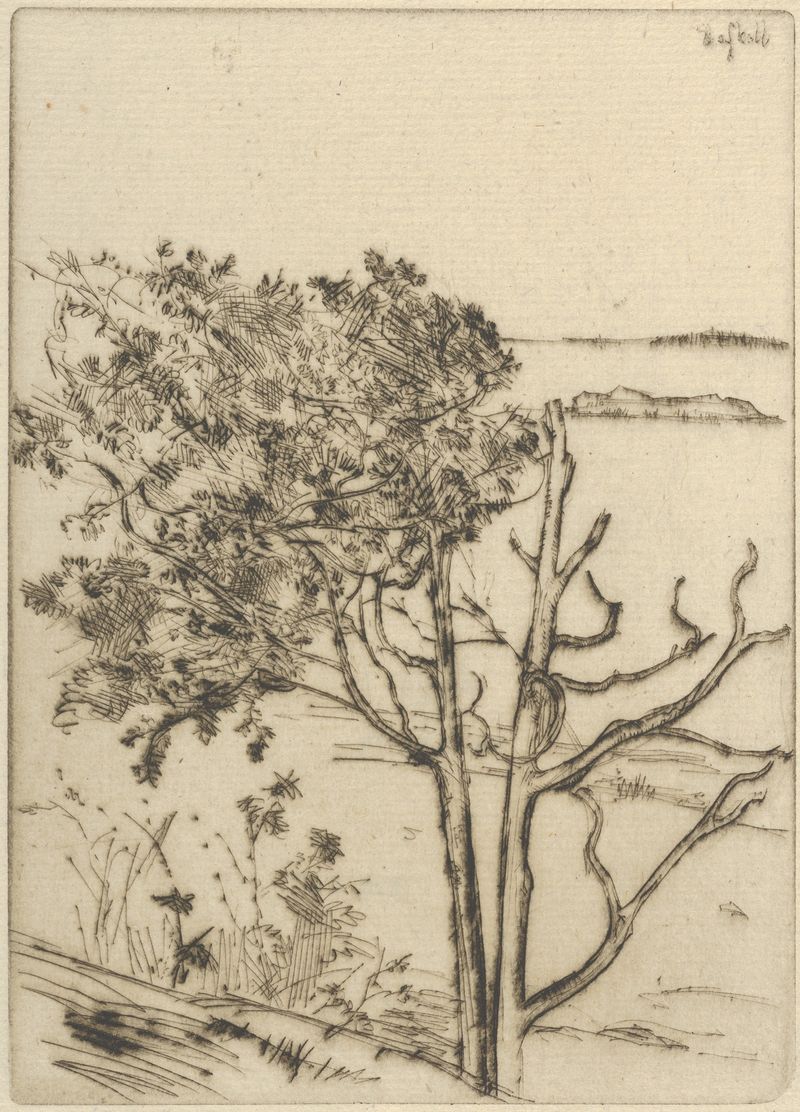
Ragged Tree – Maine
Ernest Haskell

Tide Mill
Ernest Haskell

Ship Building
Ernest Haskell
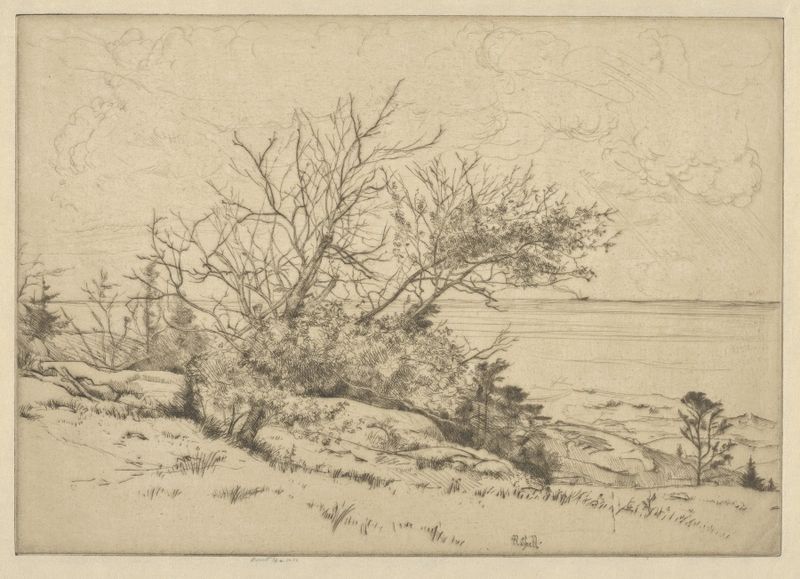
To the Southward – Ragged Island, Me.
Ernest Haskell
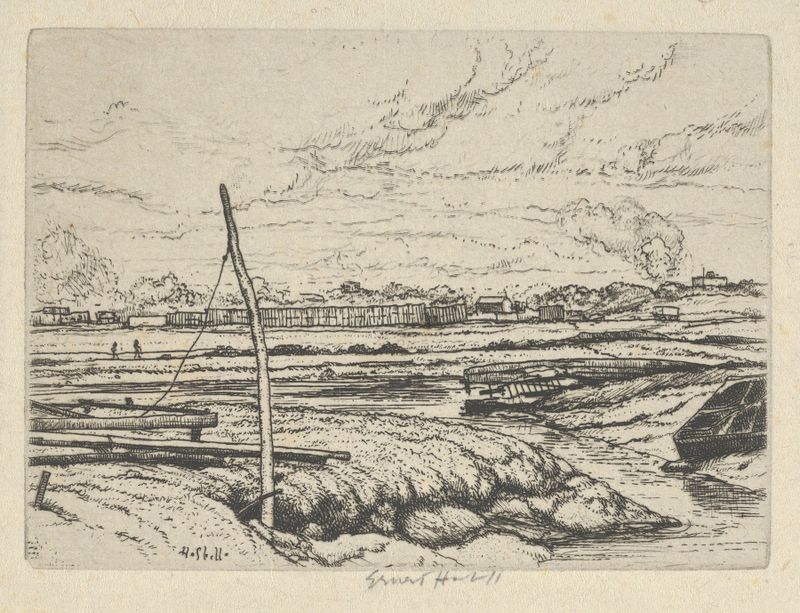
Long Island Marshes
Ernest Haskell