
Doorway, Third Avenue and 122d Street — History & Facts
The stillness between the bustling streets speaks volumes, inviting introspection amid the chaos of urban life. In this moment, the doorway stands not just as an entrance but as a threshold to hidden stories and silent journeys. Look to the center of the canvas where a modest doorway beckons, framed by the surrounding architecture. The delicate play of light against the weathered brick hints at the time of day, capturing both the warmth of the sun and the cool shadows of the evening.
Notice how Mielatz employs a muted palette, allowing the subtle browns and deep blues to echo the subdued mood, while the doorway serves as a focal point that draws the eye, inviting a closer look into its depths. This artwork captures the contrast between the lively street life outside and the quiet sanctuary of the doorway. The juxtaposition of the structured lines of the building with the organic shapes of the shadows creates a tension between confinement and freedom. Each brushstroke adds layers of emotion, suggesting the stories of those who pass through, leaving behind unsaid words and unacknowledged dreams.
The silence becomes a powerful statement, inviting viewers to ponder the lives that unfold in the margins of their own experiences. In 1903, Mielatz painted this piece during a transformative time in both his life and the art world. Living in New York City, he was exposed to the rapid changes of modernity and burgeoning urban landscapes, which influenced his focus on capturing the essence of urban spaces. This period marked a shift in artistic expression, as artists began to explore the everyday moments that often go unnoticed, aligning with a broader movement toward realism and impressionism in American art.
More Artworks by Charles Frederick William Mielatz
Browse all →
View of Rockwood Tarrytown on the Hudson, residence of William Rockefeller, no. 1
Charles Frederick William Mielatz
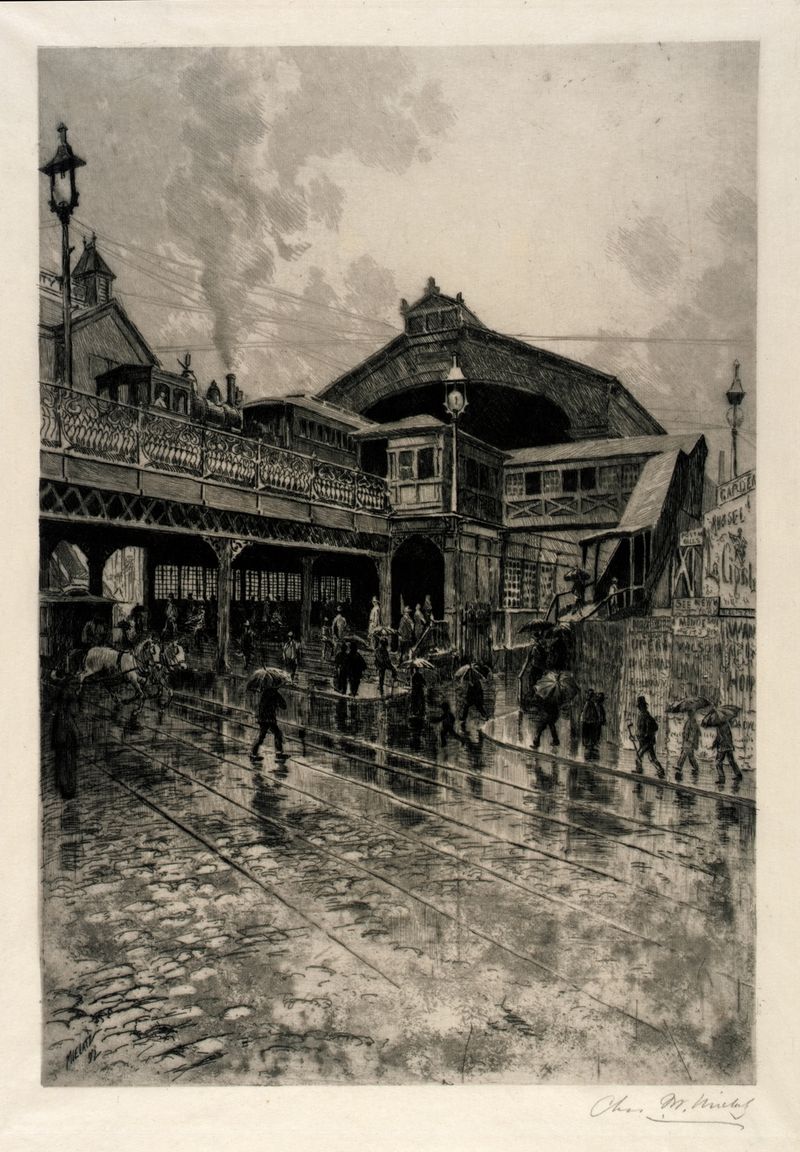
Entrance to Brooklyn Bridge
Charles Frederick William Mielatz
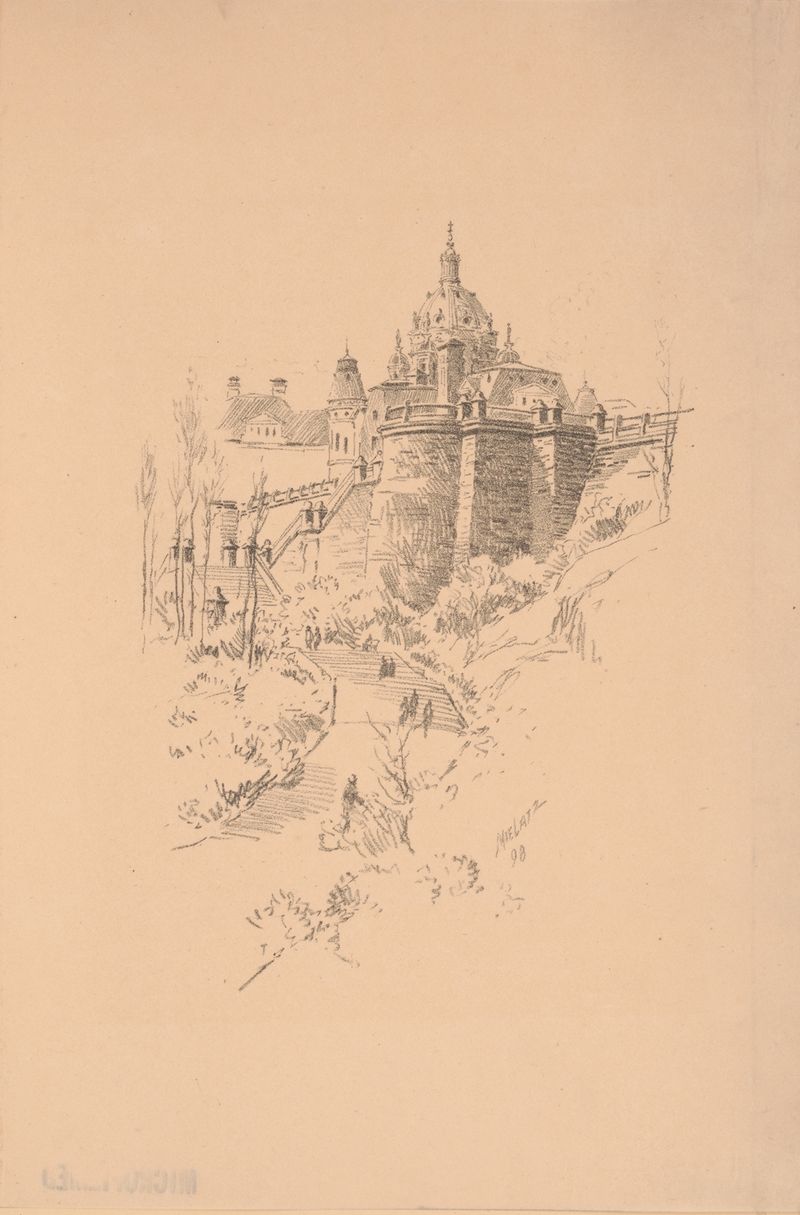
Morningside Park and St. Luke’s Hospital
Charles Frederick William Mielatz

Street Scene under Steel Bridge
Charles Frederick William Mielatz
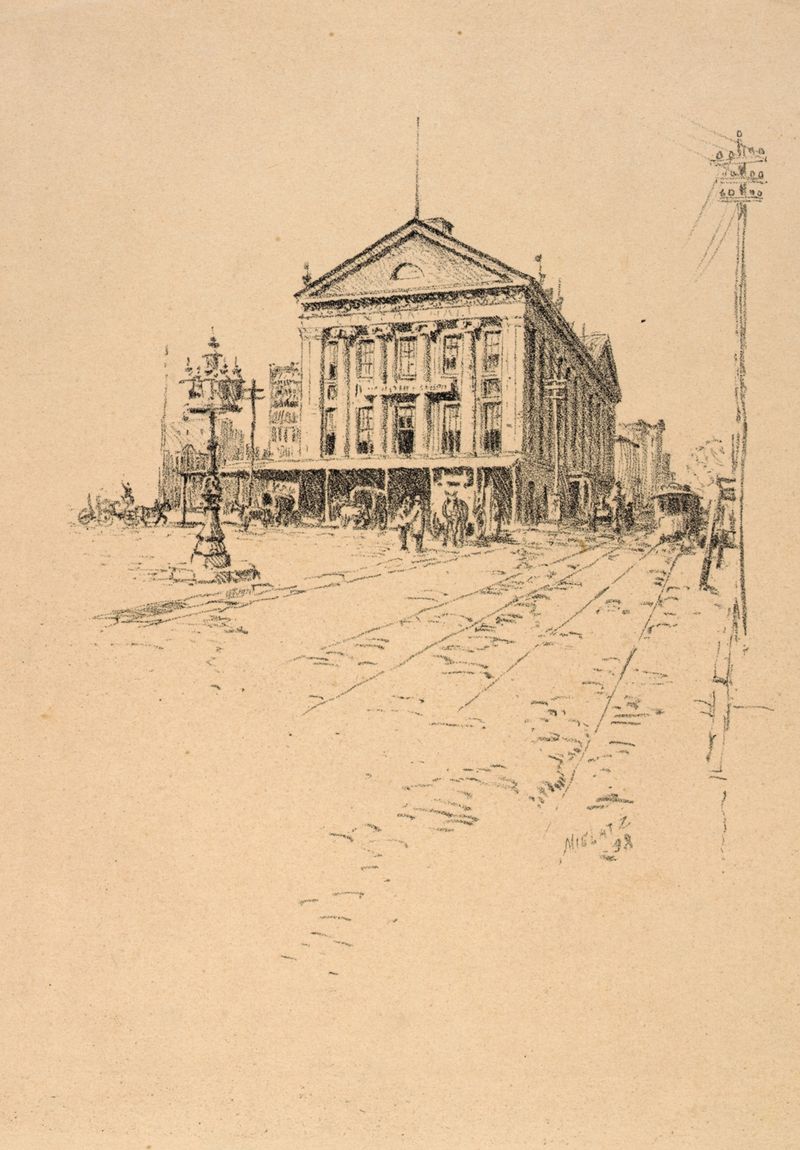
Clinton Hall
Charles Frederick William Mielatz
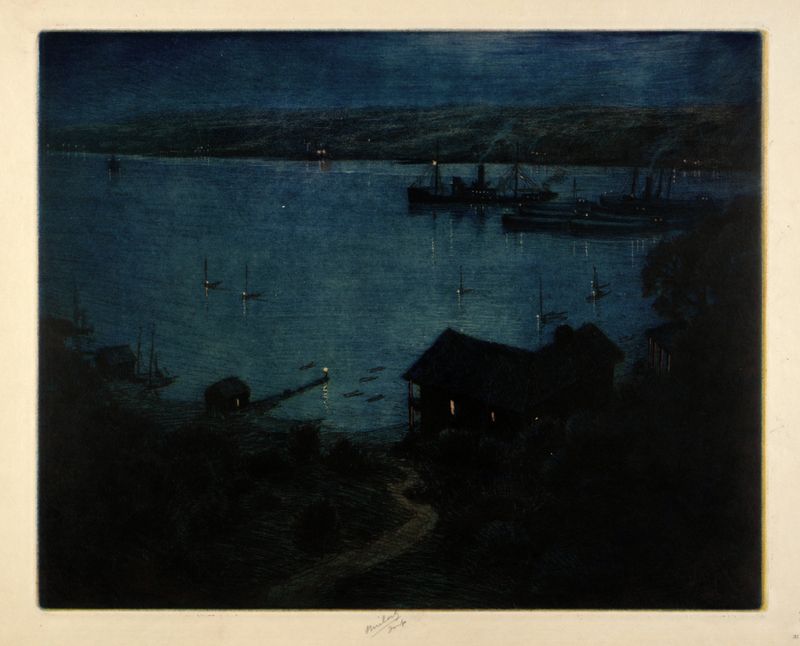
Moonlight–Hudson River
Charles Frederick William Mielatz
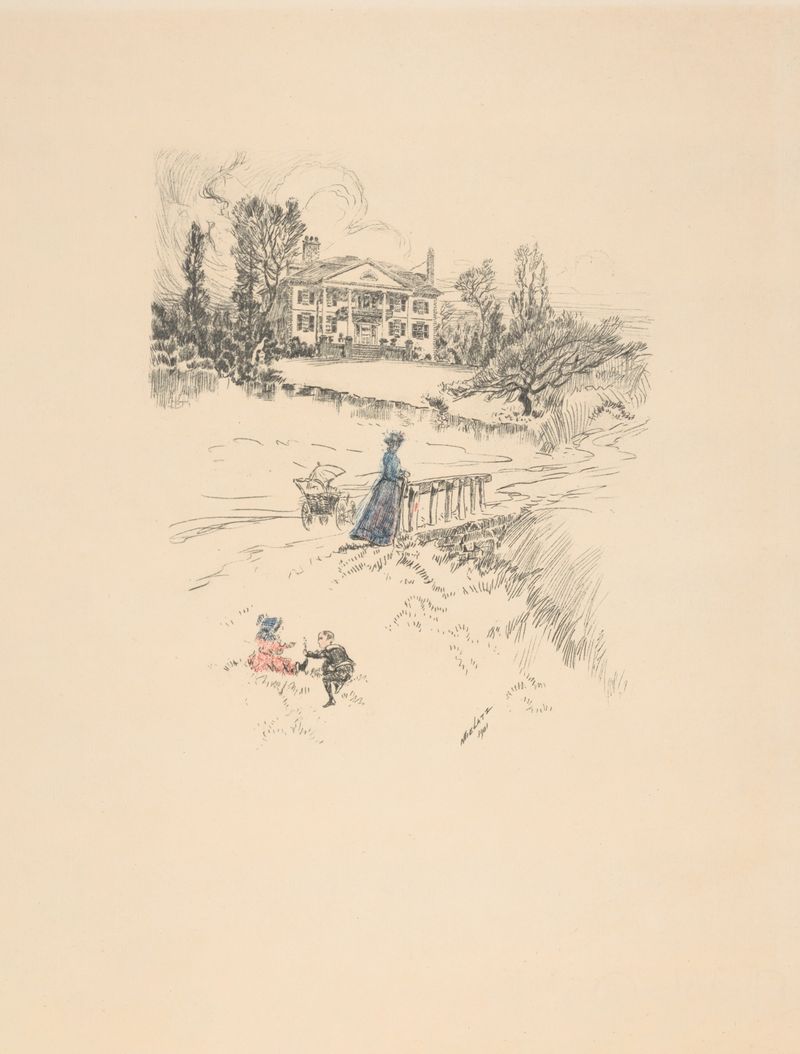
Jumel mansion
Charles Frederick William Mielatz
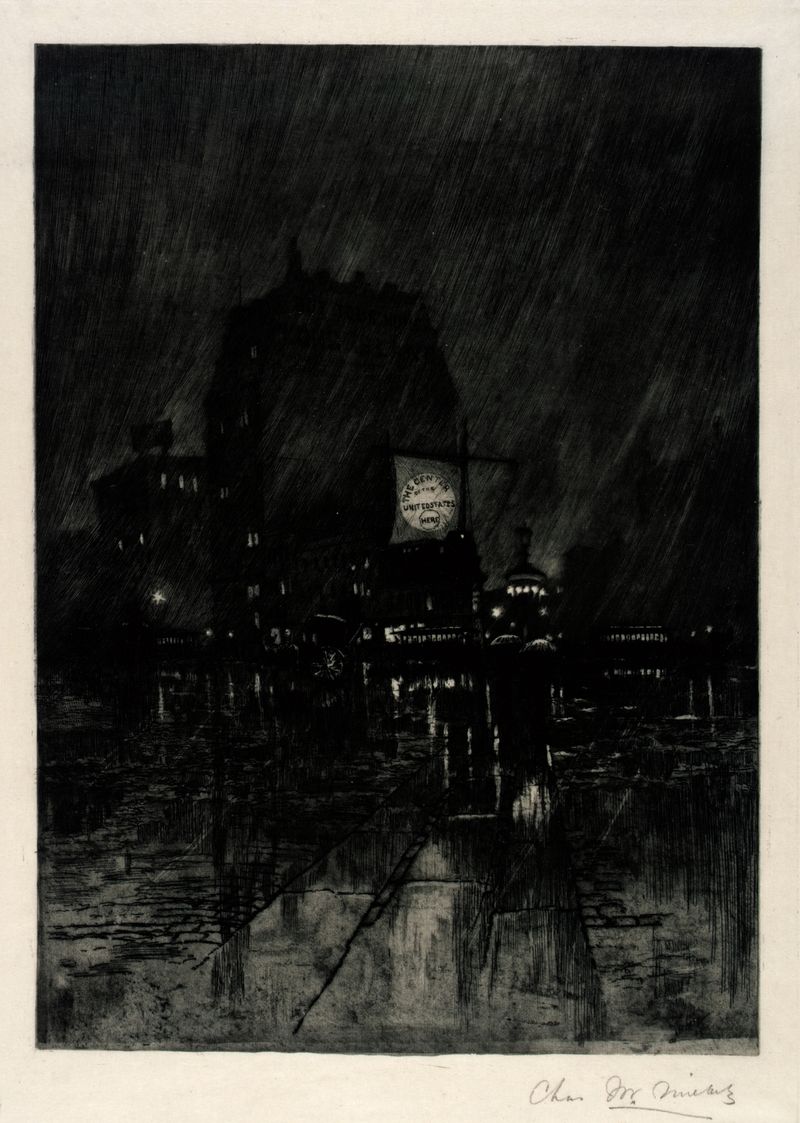
Rainy Night, Madison Square
Charles Frederick William Mielatz
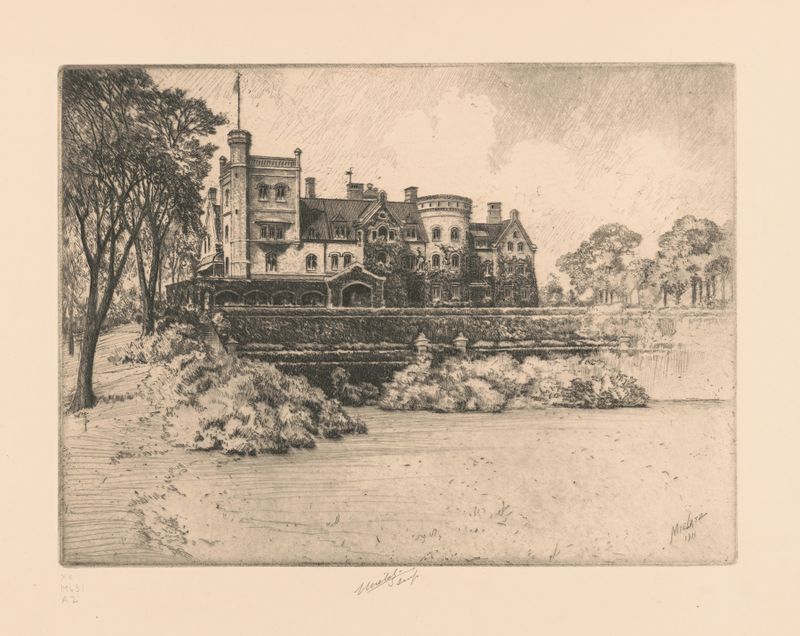
View of Rockwood, Tarrytown on the Hudson, residence of William Rockefeller, no. 3
Charles Frederick William Mielatz

View of Rockwood, Tarrytown on the Hudson, residence of William Rockefeller, no. 5
Charles Frederick William Mielatz
More Architecture Art
Browse all →
The statue of Liberty
Frédéric Auguste Bartholdi

View of Houses in Delft, Known as ‘The Little Street’
Johannes Vermeer

View of Houses in Delft, Known as ‘The Little Street’
Johannes Vermeer

The Cathedral in Rouen. The portal, Grey Weather
Claude Monet

The yellow house
Vincent van Gogh

The Church in Auvers-sur-Oise, View from the Chevet
Vincent van Gogh