Douarnenez — History & Facts
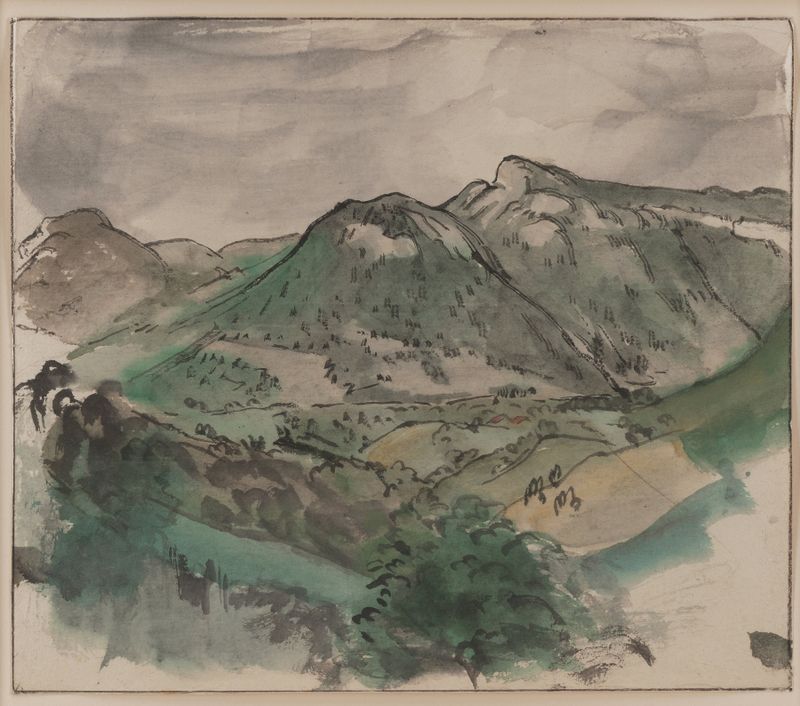
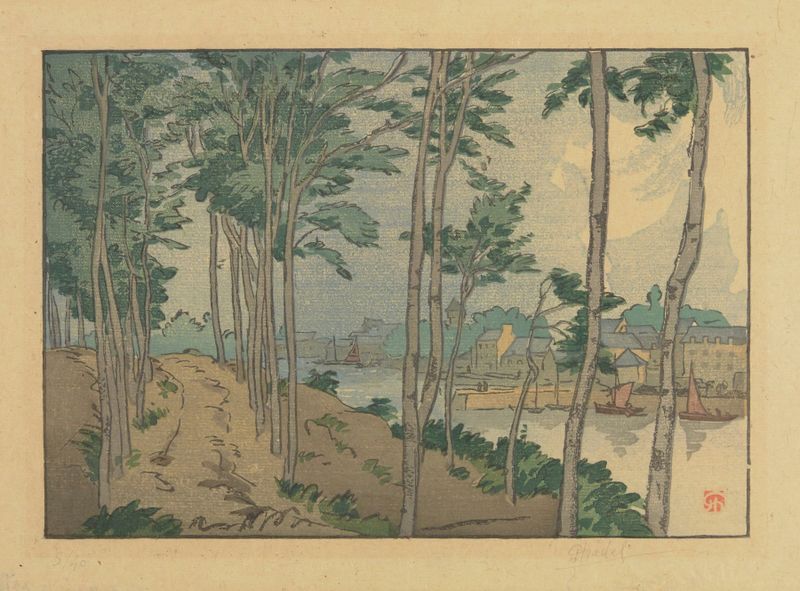
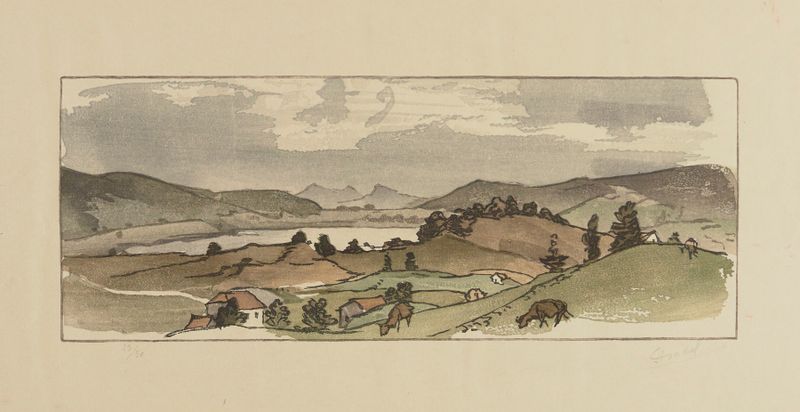
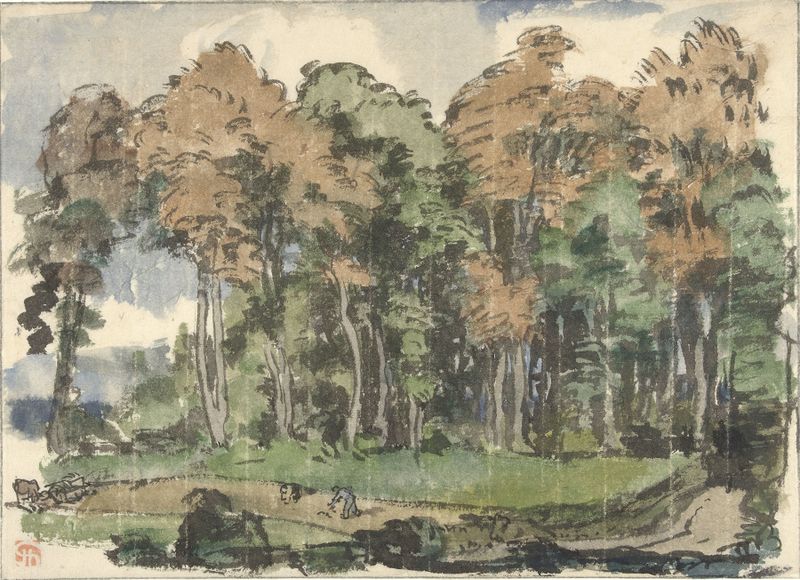
What if silence could speak through light? In Douarnenez, the interplay of shadows and illumination evokes a haunting sense of fear, as if the landscape itself breathes with an unspoken tension. Look to the serene coastline, where the gentle waves lap against the rocks, their rhythm contrasting sharply with the unsettling stillness that blankets the scene. Notice how light falls upon the water, casting a shimmering path that beckons yet warns, a subtle invitation fraught with foreboding. The muted palette of blues and grays creates a somber mood, while the stark lines of the cliffs loom like sentinels, guarding secrets beneath their jagged surfaces. Within this picturesque yet eerie vista, one can feel the weight of history and the echoes of past tragedies.
The empty boats on the shore seem to carry the ghosts of those who once ventured out, their absence palpable. Each element, from the ominous clouds overhead to the solitary figure in the distance, encapsulates a profound isolation that hints at deeper existential fears — fear of the unknown, fear of loneliness, fear that nature’s beauty can harbor darkness. In 1930, Jules Chadel painted Douarnenez during a period where European art was grappling with the aftermath of the Great War, exploring themes of loss and melancholy. Living in France, he was influenced by the rise of modernism, yet continued to reflect a connection to the natural world and its emotional resonance.
This piece captures a moment suspended between tranquility and anxiety, a testament to the fractured psyche of an era still haunted by conflict.