Le lac des Rousses — History & Facts
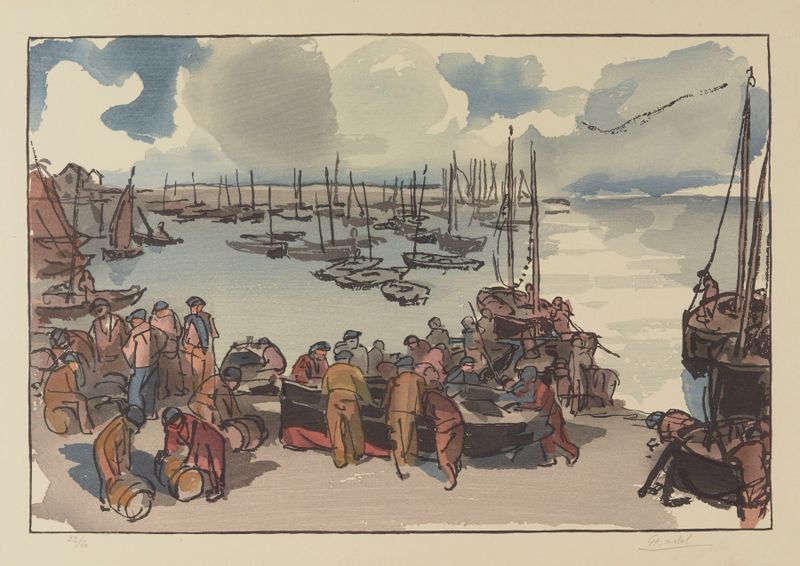
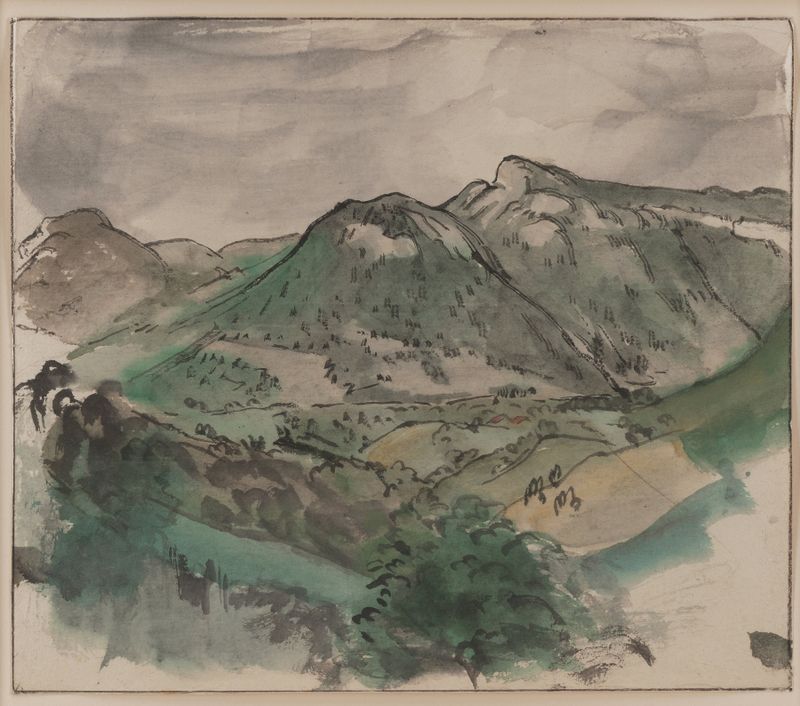
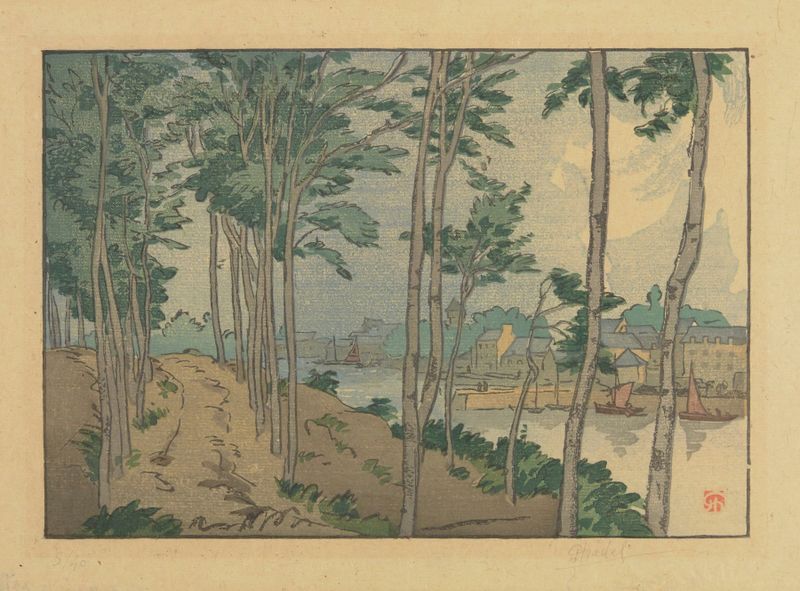
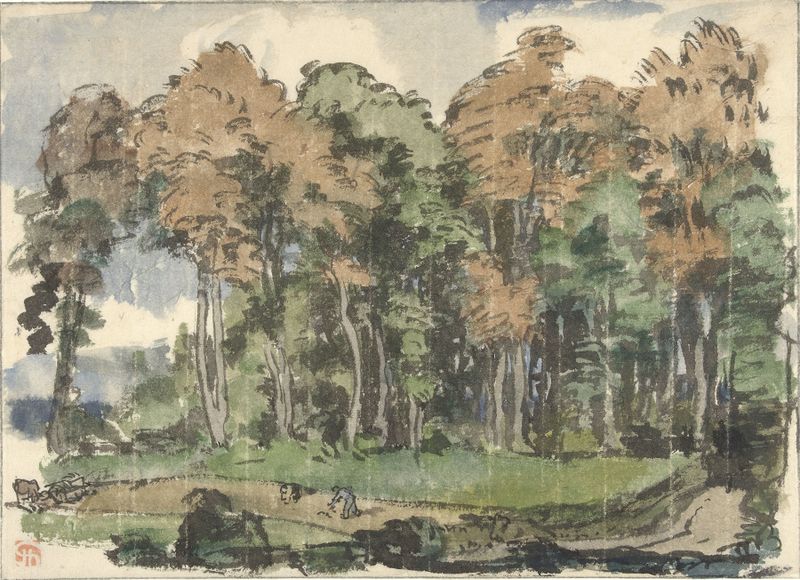
What if beauty was never meant to be finished? In that question lies the soul of the artwork, a canvas where nature meets the delicate hand of human touch, invoking a sense of ecstasy that lingers in the heart. Look to the serene turquoise waters that dominate the scene, reflecting the soft hues of a tranquil sky. The gentle strokes of Chadel invite your eyes to wander across the lush greenery framing the lakeshore, where dappled sunlight dances on the leaves, creating a shimmering effect. Notice how the artist uses a palette of pastels, blending greens, blues, and soft earth tones that evoke a harmonious balance between the elements, inviting a quiet contemplation. Yet, beneath its tranquil surface, there lies a palpable tension in the contrast between the idyllic landscape and the looming shadows of nature's unpredictability.
The ethereal beauty of the scene is underscored by the subtle hints of potential storms, with clouds brushing against the horizon, suggesting a fleeting moment of peace, ripe with anticipation. Each brushstroke captures the ephemeral quality of this moment, emphasizing the fragile relationship between tranquility and chaos. Jules Chadel painted Le lac des Rousses in 1920, during a time when the world was emerging from the shadow of war. Living in France, he found solace in nature, reflecting a broader movement within the art world that embraced Impressionism and a return to the beauty of the natural world.
This piece embodies his desire to capture the essence of fleeting moments, celebrating a beauty that is both intact and in constant flux, a testament to a world yearning for serenity amidst turmoil.