
Downtown, Cleveland — History & Facts
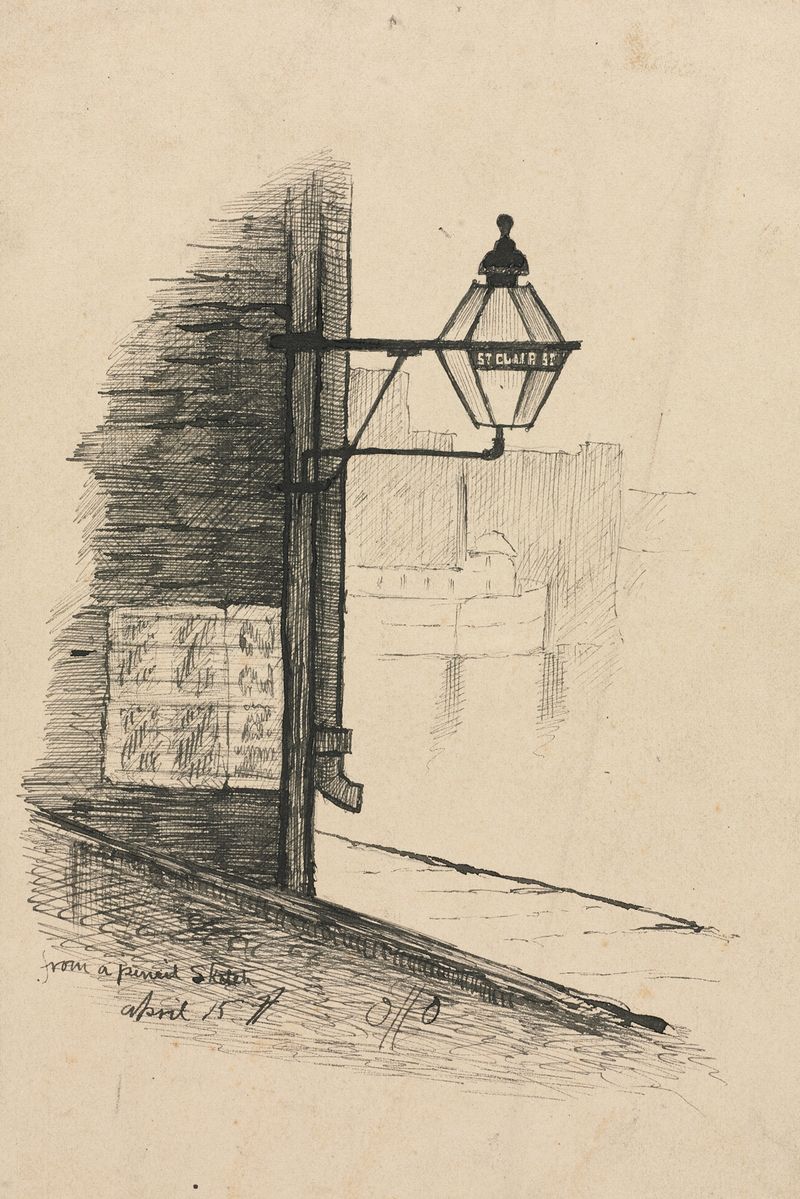
In a time of swift transformation, the canvas breathes life into the heart of a bustling city, capturing fleeting moments that speak of change and resilience. Look closely at the foreground, where the vibrant strokes depict figures moving through the streets, their gestures a dance of purpose amid the urban backdrop. Notice the interplay of light and shadow on the buildings, reflecting the late afternoon sun’s glow against the cool tones of brick and stone. The artist’s choices in color create a vivid contrast between the warm, inviting hues of human activity and the more muted palette of industrial architecture, reminding us of the lives that ebb and flow within the city's pulse. As you explore further, consider how the juxtaposition of bustling life against the stillness of the architecture signifies the ever-present tension between progress and preservation.
Each figure, absorbed in their own trajectory, embodies a moment of connection to the past, while the looming structures represent the relentless march of time and development. This transformation is not merely physical but deeply emotional, revealing a narrative of hope and transition within a community. Otto Henry Bacher painted this work around the turn of the 20th century, a period marked by rapid industrialization and urban growth in America. Living in Cleveland during this time, Bacher was influenced by the changes surrounding him, as advancements in technology reshaped the landscape.
The painting stands as a testament to his keen observation of urban life and an exploration of the social dynamics that define a city in flux.
More Artworks by Otto Henry Bacher
Browse all →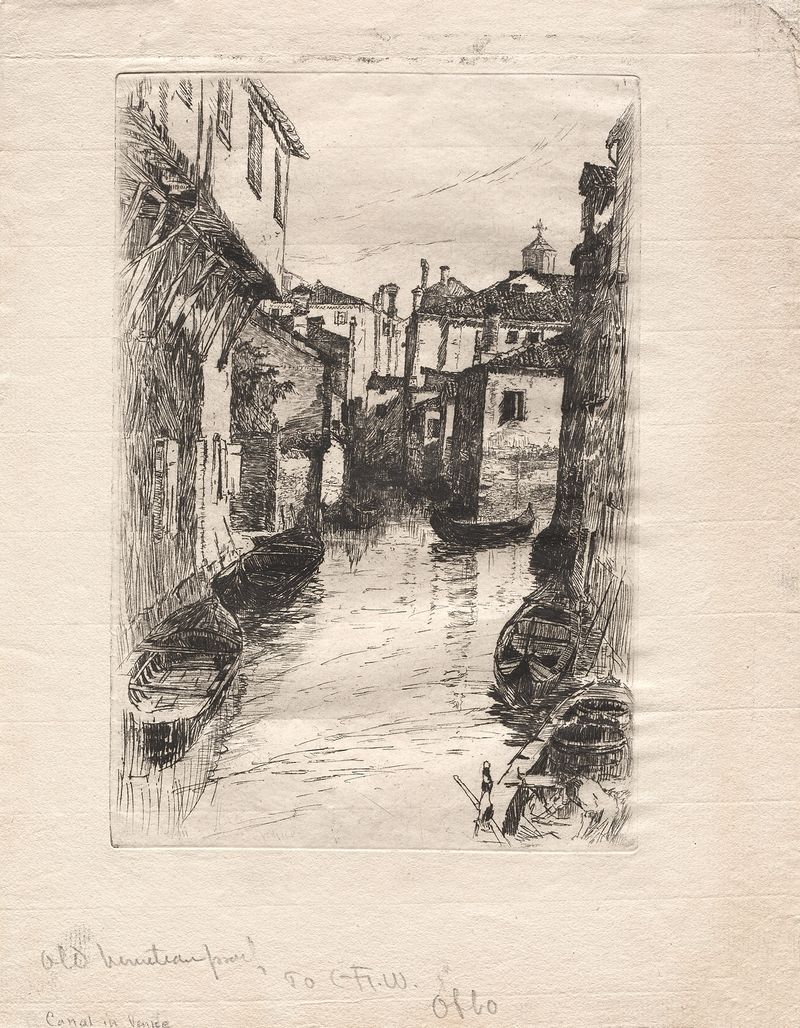
Canal in Venice
Otto Henry Bacher
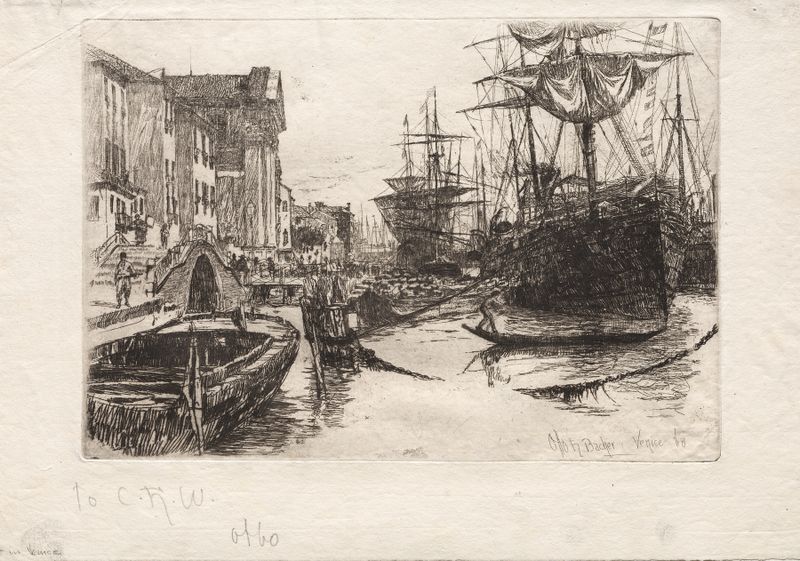
View in Venice
Otto Henry Bacher
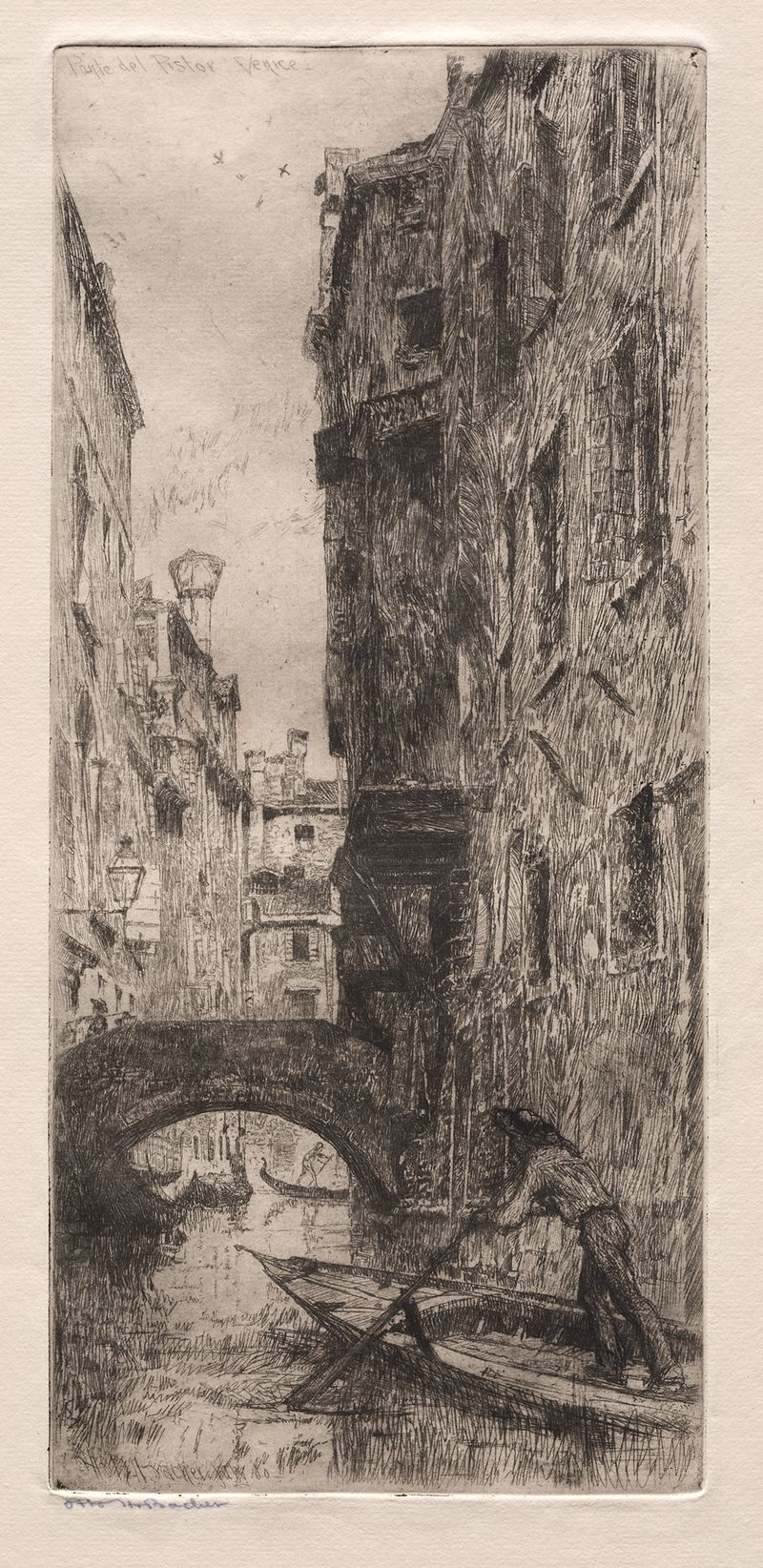
Ponte del Pistor, Venice
Otto Henry Bacher
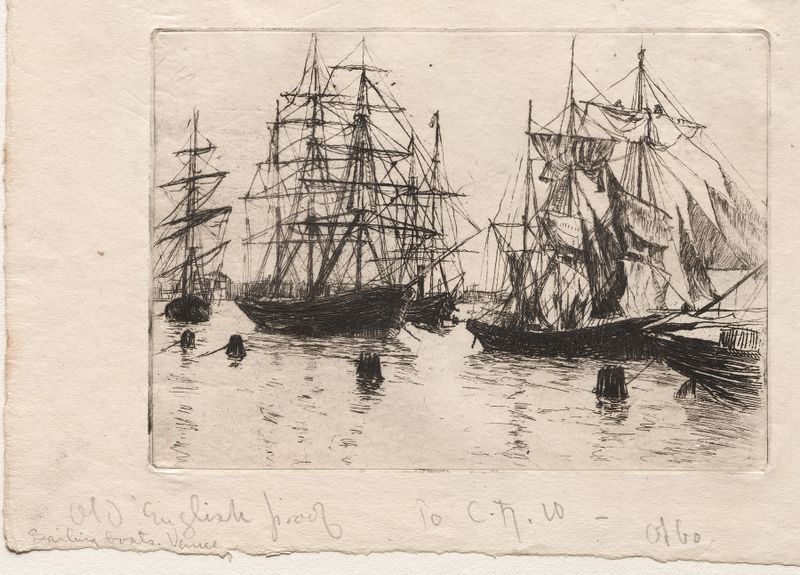
Sailing Boats, Venice
Otto Henry Bacher
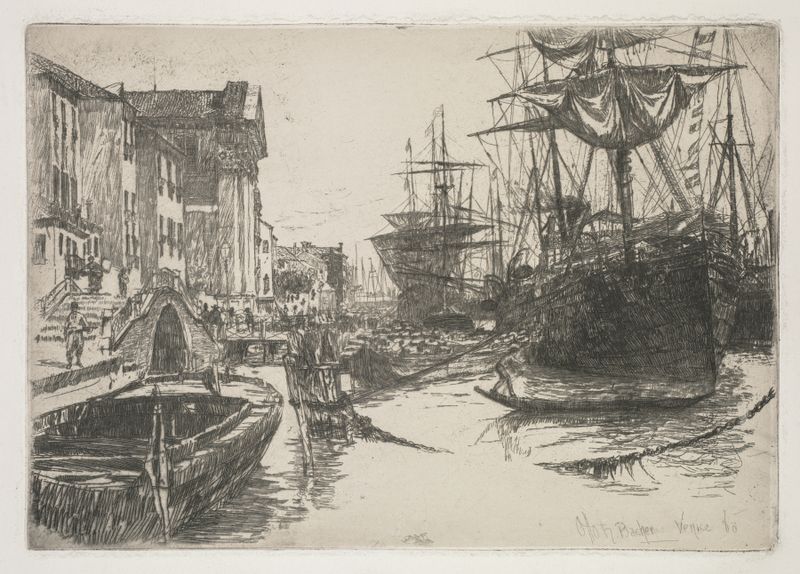
Fondamenta della Zattere
Otto Henry Bacher
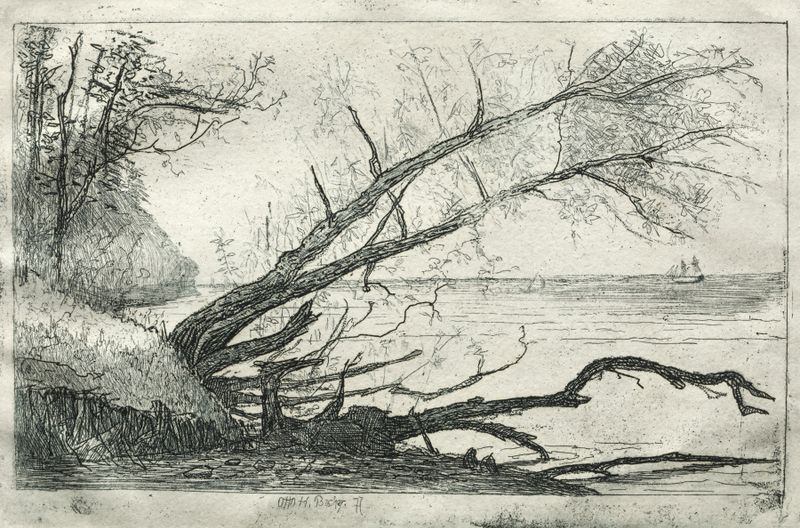
Old Sycamore
Otto Henry Bacher
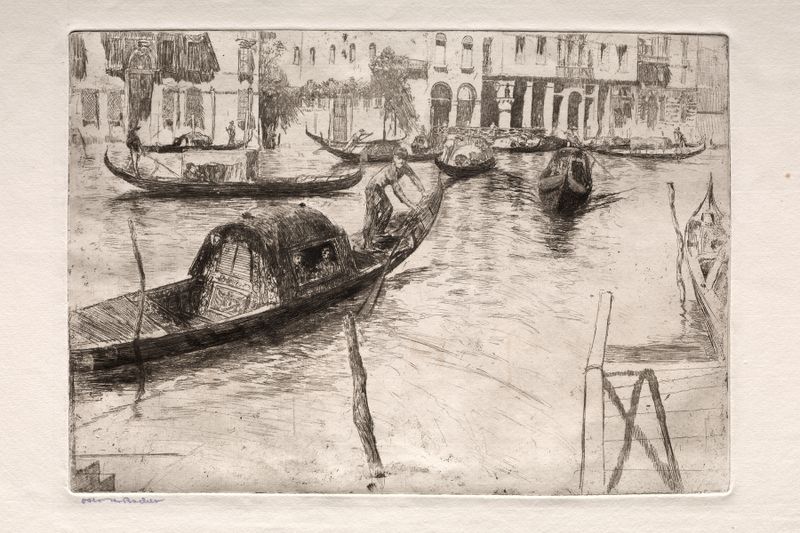
Traghetto San Felice
Otto Henry Bacher
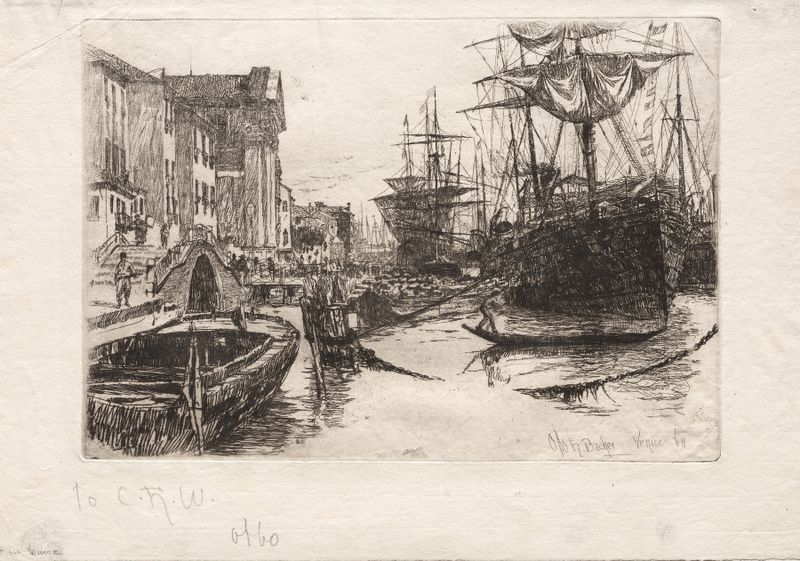
View in Venice
Otto Henry Bacher
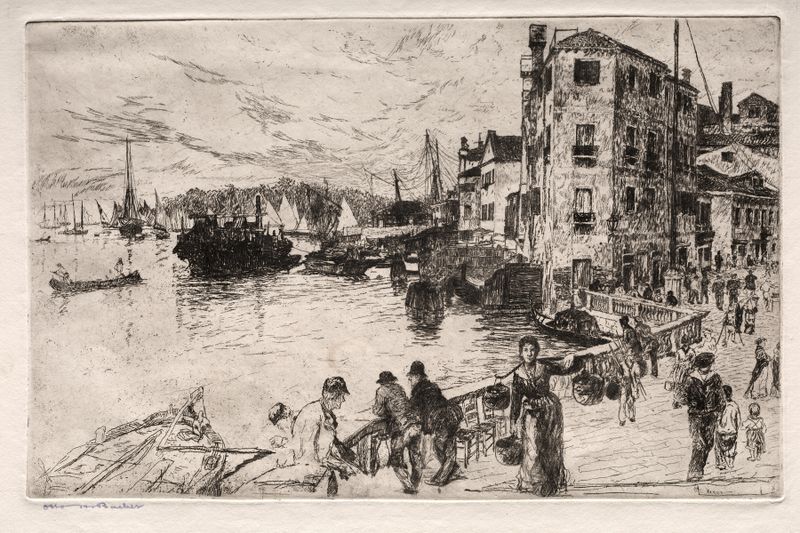
Castello Quarters, Riva
Otto Henry Bacher
St. Clair Street, Cleveland
Otto Henry Bacher





