
Draw at Longbridge, Washington City — History & Facts
In Draw at Longbridge, Washington City, the harmony of nature and architecture evokes a powerful reminder of balance — a delicate equilibrium often overshadowed by the weight of history. Look to the center of the composition, where a graceful bridge arches over the tranquil waters, drawing the eye into a serene landscape punctuated with lush greenery. The artist employs a soft palette of greens and blues, creating a soothing atmosphere, while the brushstrokes reflect a meticulous attention to detail. Notice how the light filters through the trees, casting dappled shadows that dance upon the surface of the water.
This interplay of light and shadow sets a serene yet contemplative mood, inviting the viewer to linger. As you delve deeper, consider the juxtaposition of man-made structure and natural beauty — the bridge symbolizes progress and the encroachment of civilization, while the verdant surroundings represent a timeless, untouched wilderness. Here lies a tension: the harmony of these elements suggests both the promise of innovation and the quiet plea of nature to endure. The figures on the bridge, though small, embody the fragile connection between humanity and the landscapes we inhabit, each stroke whispering stories of coexistence and conflict. In 1839, Köllner painted this piece during a time of rapid expansion in America, as the country grappled with its identity amidst the tension of progress.
Living in Washington, D.C., he was influenced by the burgeoning interest in capturing the American landscape, a reflection of both national pride and the desire to document the changing world. His work captures not only the aesthetic beauty of the scene but also engages with the broader conversations of his era, making it significant in the context of both art and history.
More Artworks by Augustus Köllner
Browse all →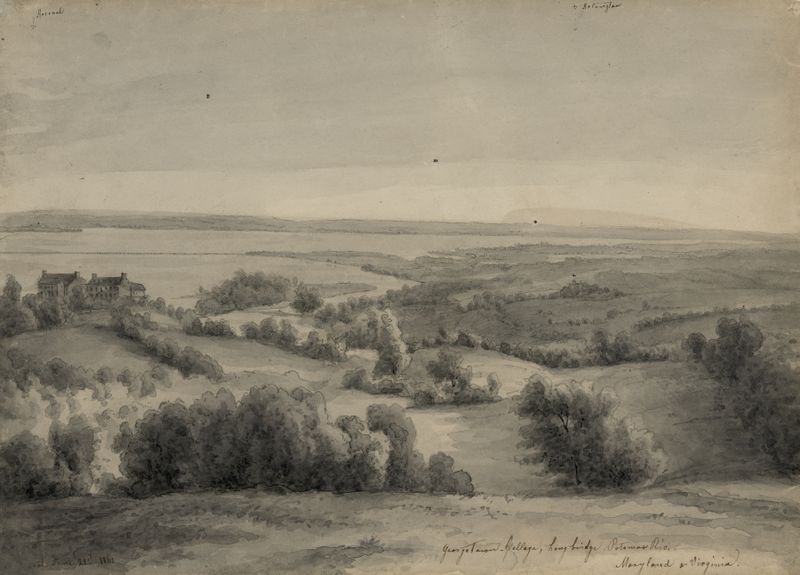
Georgetown College, Long Bridge, Potomac River, Maryland & Virginia–June 21, 1861
Augustus Köllner
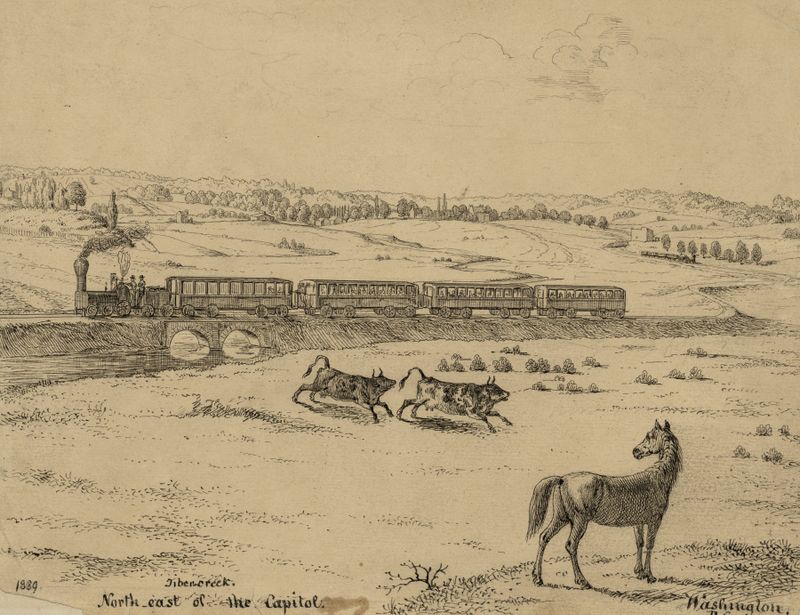
Tiber Creek north-east of the Capitol. Washington, D.C.
Augustus Köllner
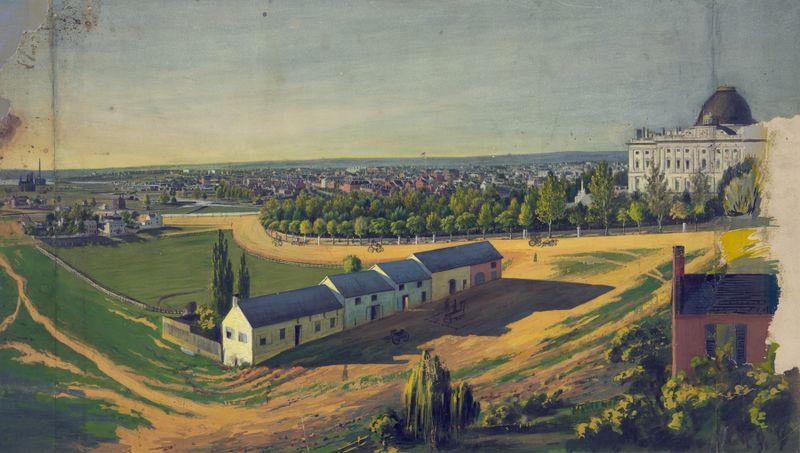
View of Washington, D.C., looking northwest from southeast of the U.S. Capitol
Augustus Köllner
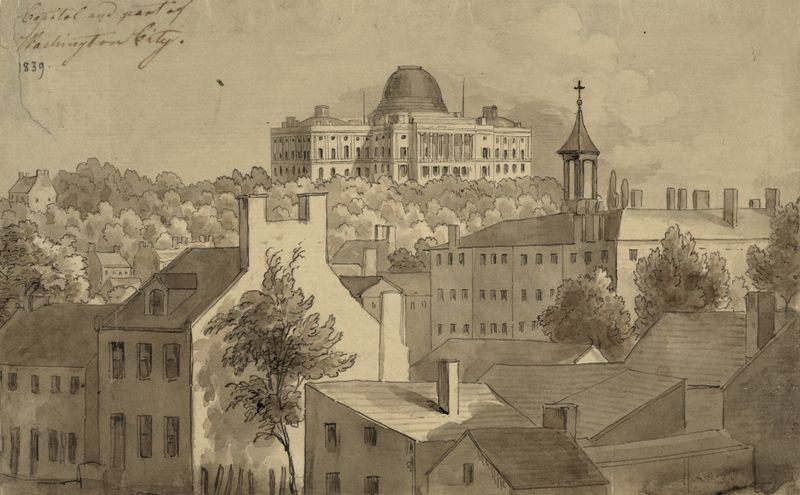
Capitol and part of Washington City
Augustus Köllner
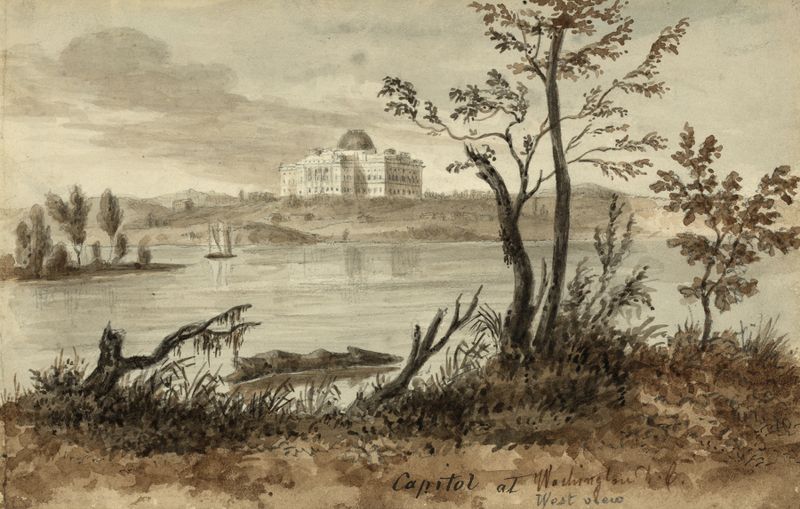
Capitol at Washington D.C.– West view
Augustus Köllner
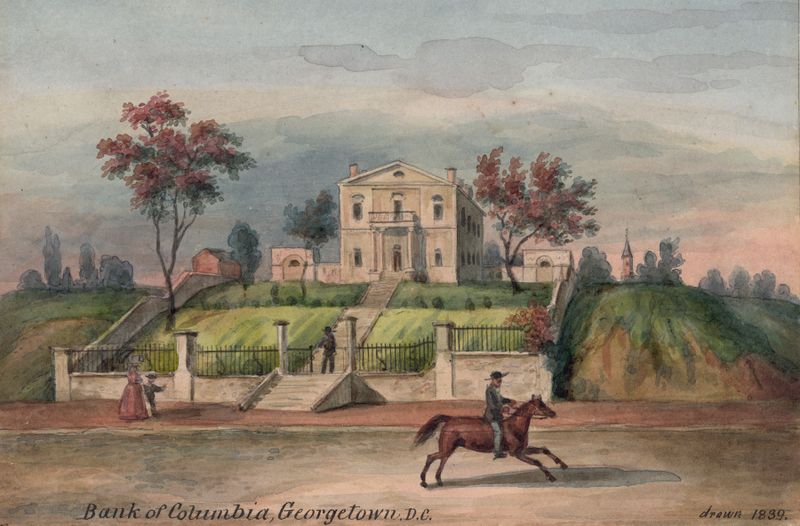
Bank of Columbia, Georgetown, D.C.
Augustus Köllner

Near Pennsylv. Ave. and 7th St. At Washington City
Augustus Köllner

Potomac River, Chain Bridge at Little Falls
Augustus Köllner
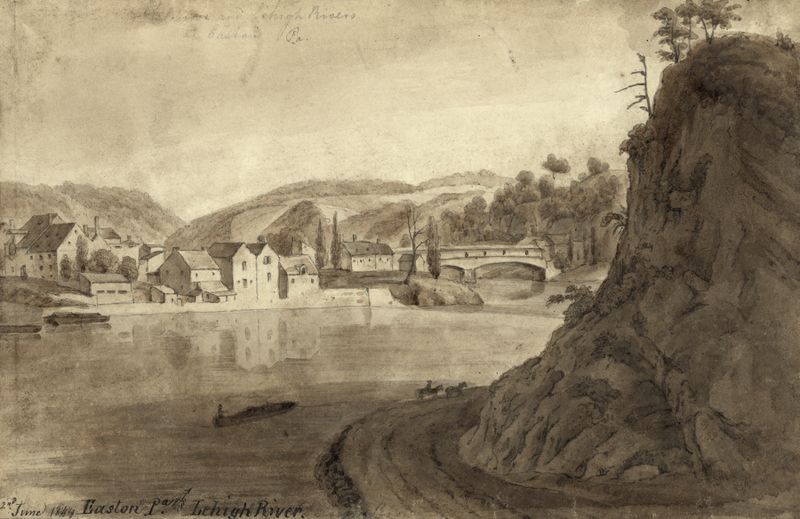
Delaware and Lehigh rivers at Easton Pa.
Augustus Köllner

East branch of Potomac R. Washington
Augustus Köllner





