
Drawbridge — History & Facts
When did color learn to lie? In the world of art, chaos often masquerades as tranquility, distorting our perception of reality. Look to the center of the canvas, where the drawbridge stretches across an unseen chasm, its wooden planks rendered in a rich, warm brown. The angled perspective invites you to traverse the bridge, while the juxtaposition of the verdant foliage and the vibrant blue sky creates a striking visual tension. Notice how the light dances upon the water beneath, hinting at movement and change, yet the overall composition exudes a stillness that belies the chaos hinted at in the title. Hidden within the brushstrokes are deeper emotional currents.
The contrast between the stability of the drawbridge and the turbulent waters below suggests the balance of human endeavor against nature’s unpredictability. The bright colors may evoke joy, yet they also hint at an underlying disarray—there’s a sense of awaiting something that may never arrive, a moment frozen in time yet fraught with potential peril. Each detail invites viewers to ponder the dichotomy between construction and destruction, safety and risk. Ernest Haskell painted this piece in 1912, a time when he was deeply immersed in the artistic scene of the early 20th century in America.
The country was experiencing significant industrial growth, paralleling the tumult in the art world as artists sought new forms of expression. Haskell, known for his innovative techniques, aimed to capture the tension of modern life, blending the traditional with the avant-garde, a reflection of his own journey as an artist amid change.
More Artworks by Ernest Haskell
Browse all →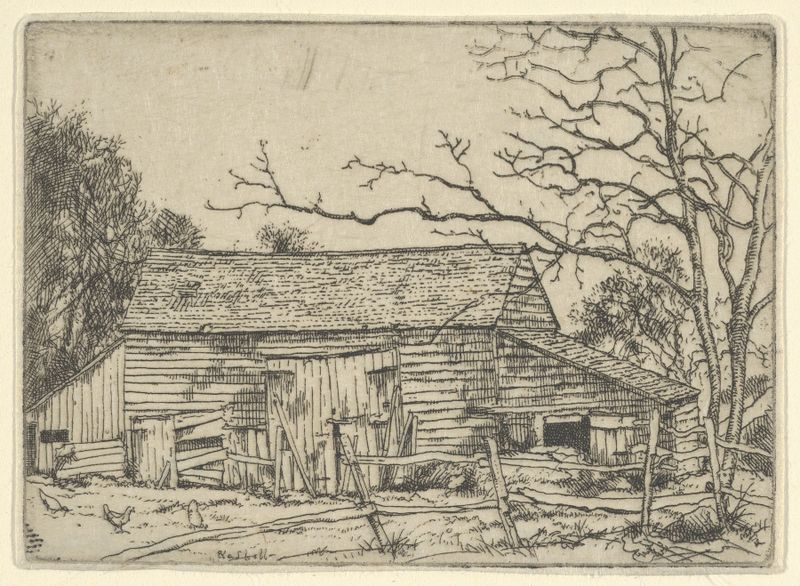
The Barn–Staten Island, N.Y.
Ernest Haskell

Four Live Oaks
Ernest Haskell
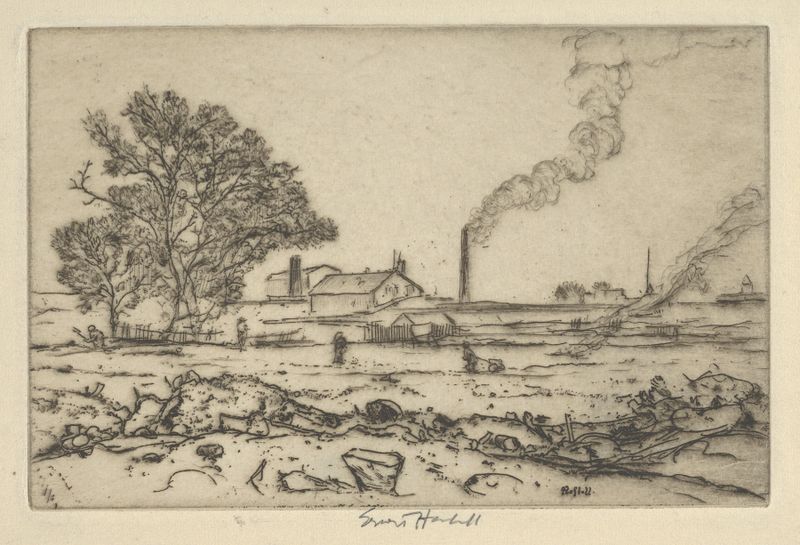
Outskirts of Boston
Ernest Haskell
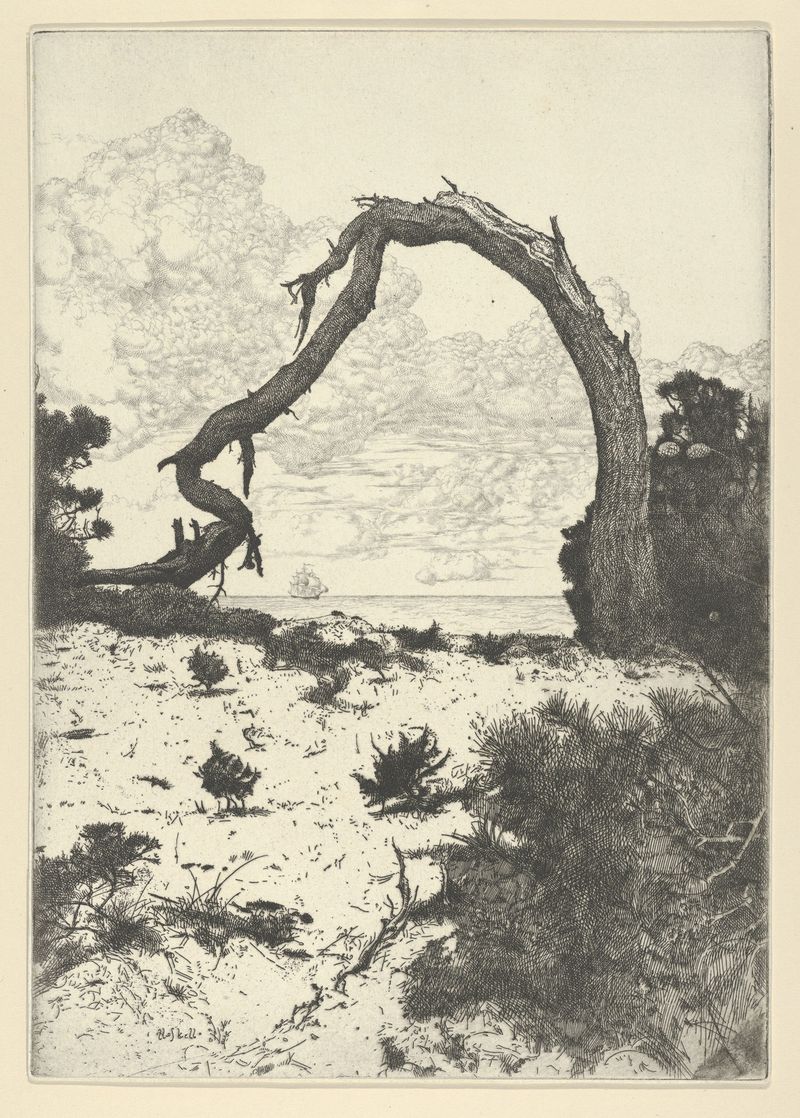
Pine Arch
Ernest Haskell

General Sherman
Ernest Haskell
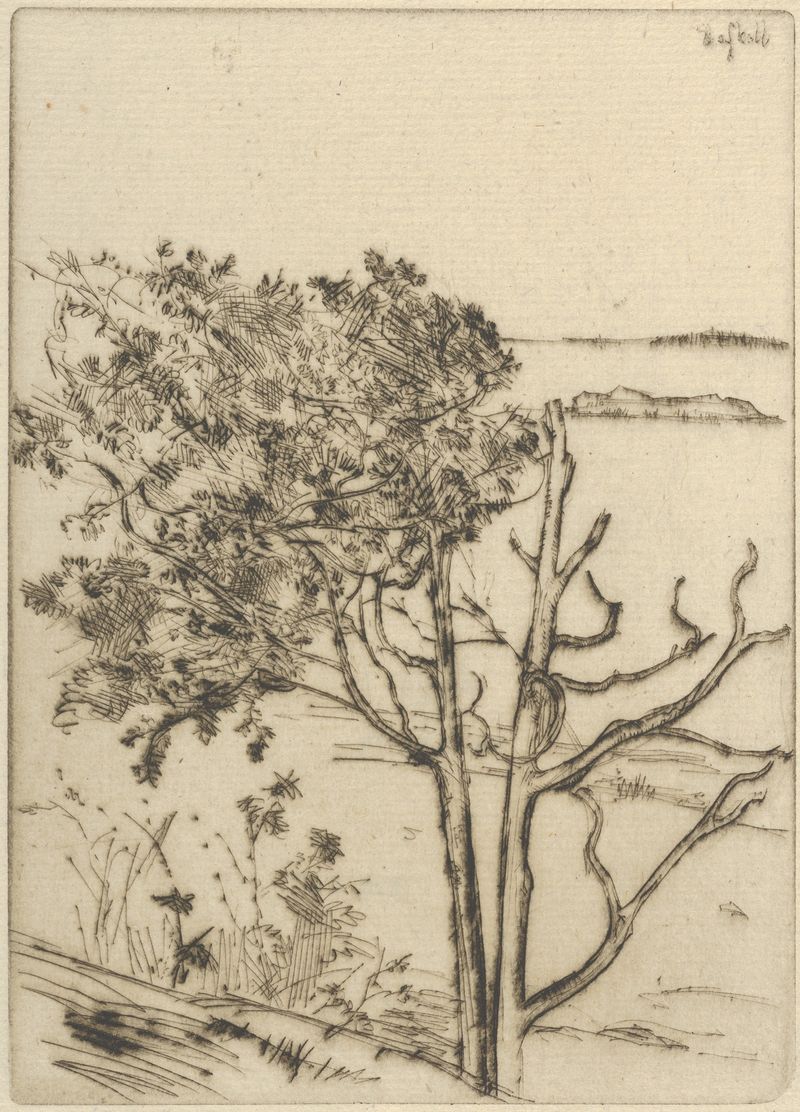
Ragged Tree – Maine
Ernest Haskell

Tide Mill
Ernest Haskell

Ship Building
Ernest Haskell
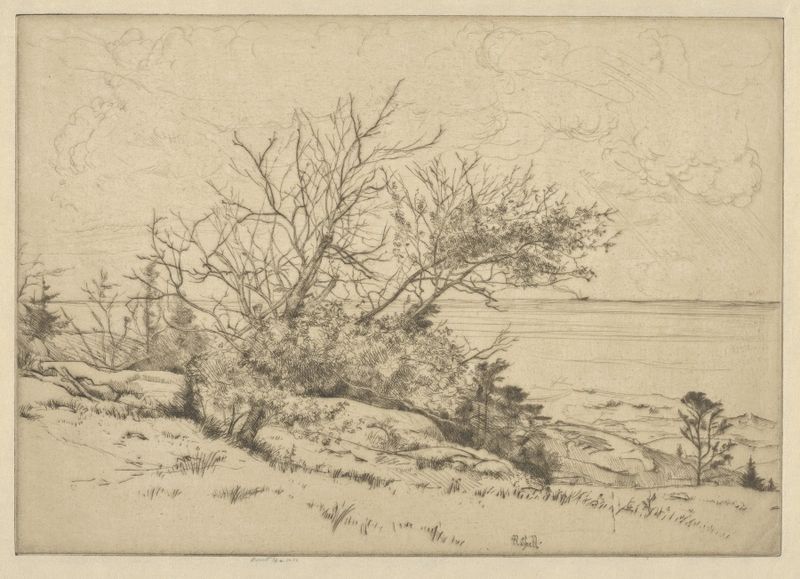
To the Southward – Ragged Island, Me.
Ernest Haskell
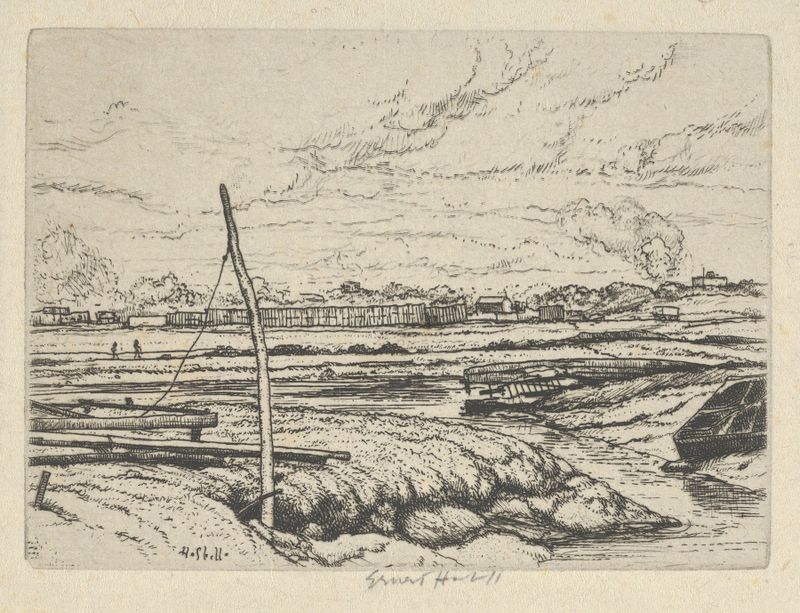
Long Island Marshes
Ernest Haskell





