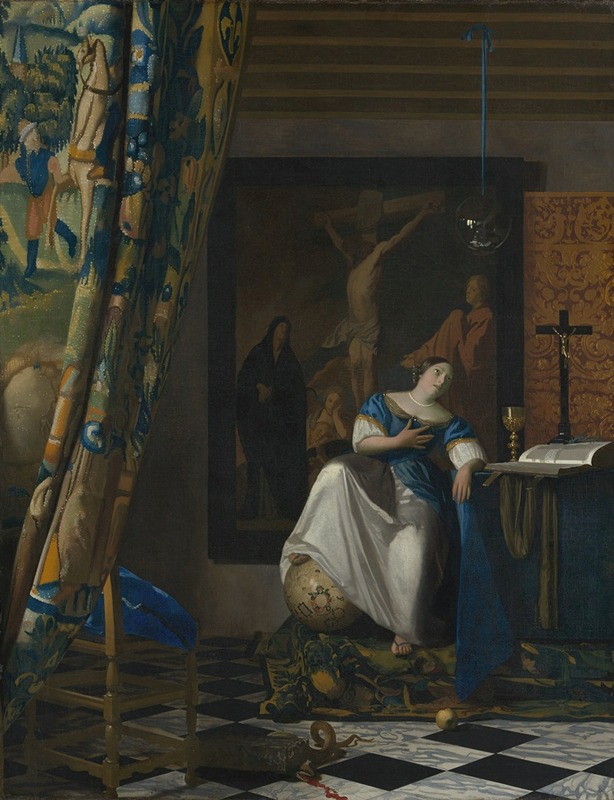
Drie goddelijke deugden — History & Facts
What if silence could speak through light? In Drie goddelijke deugden, the ethereal glow envelops three monumental figures, each draped in exquisite fabrics that whisper stories of virtue and destiny. Focus first on the luminous halo that crowns the central figure, drawing your gaze to her serene expression. Notice how Tiepolo's deft brushwork brings the fabrics to life with undulating drapery, each fold a testament to grace. The rich palette of golds and deep blues, juxtaposed with soft whites, creates a celestial ambiance, inviting contemplation and reverence.
The meticulous attention to detail in the facial expressions reflects a timeless wisdom, while the gentle play of light across their forms enhances the transcendent quality of the scene. Delve deeper into the emotional tension within the composition; the slight shift in postures hints at a moment charged with anticipation. The three virtues—Faith, Hope, and Charity—are not merely depicted but seem to embody universal destinies, resonating with the viewer’s own aspirations and struggles. The delicate balance between their proximity and individuality illustrates the interconnectedness of these virtues, suggesting that each path, though distinct, converges in the pursuit of a higher purpose. Giovanni Domenico Tiepolo painted this work between 1753 and 1757, during his time in Venice, where he honed his skills under the influence of his father, Giambattista.
The period was marked by a rich exploration of themes such as morality and enlightenment, reflective of the broader cultural currents of 18th-century Europe. This masterpiece not only showcases Tiepolo’s artistic brilliance but also embodies the philosophical dialogues of his time, merging art with the quest for understanding and virtue.
More Artworks by Giovanni Domenico Tiepolo
Browse all →
Engel met scapulier
Giovanni Domenico Tiepolo
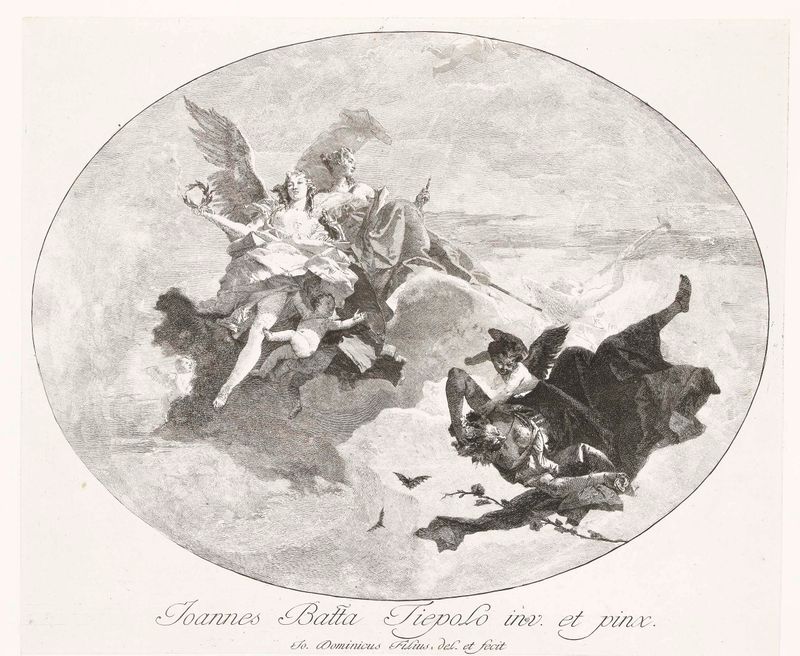
Deugd en Faam verjagen Gierigheid
Giovanni Domenico Tiepolo
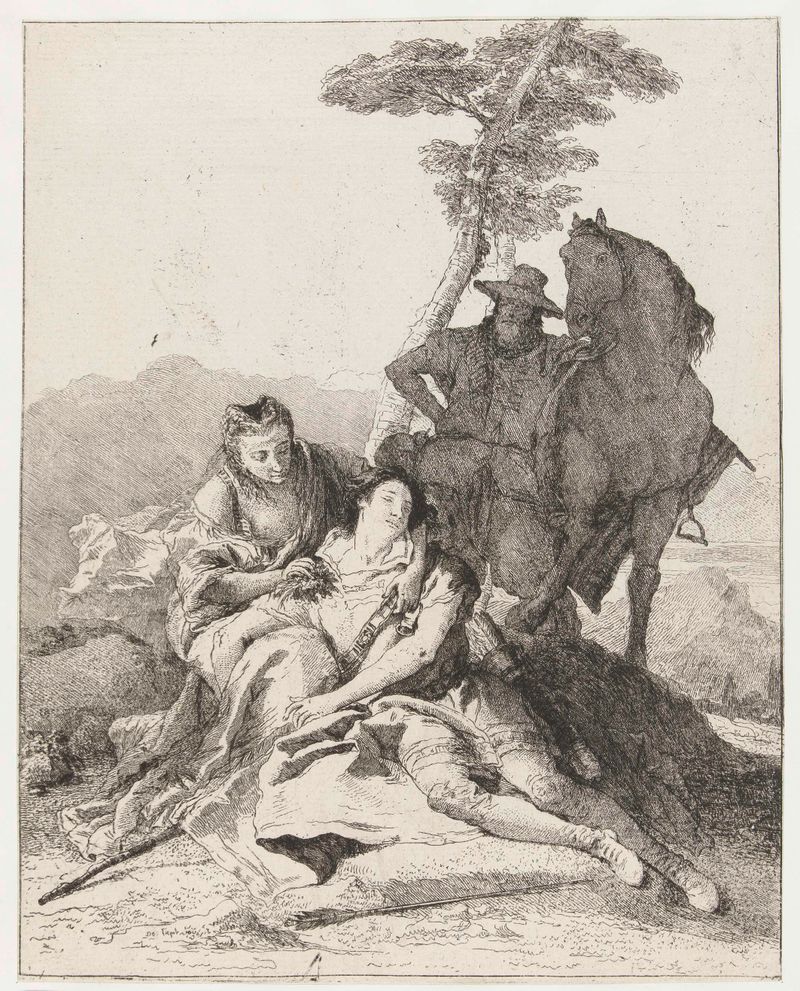
Angelica geneest de wond van Medoro
Giovanni Domenico Tiepolo
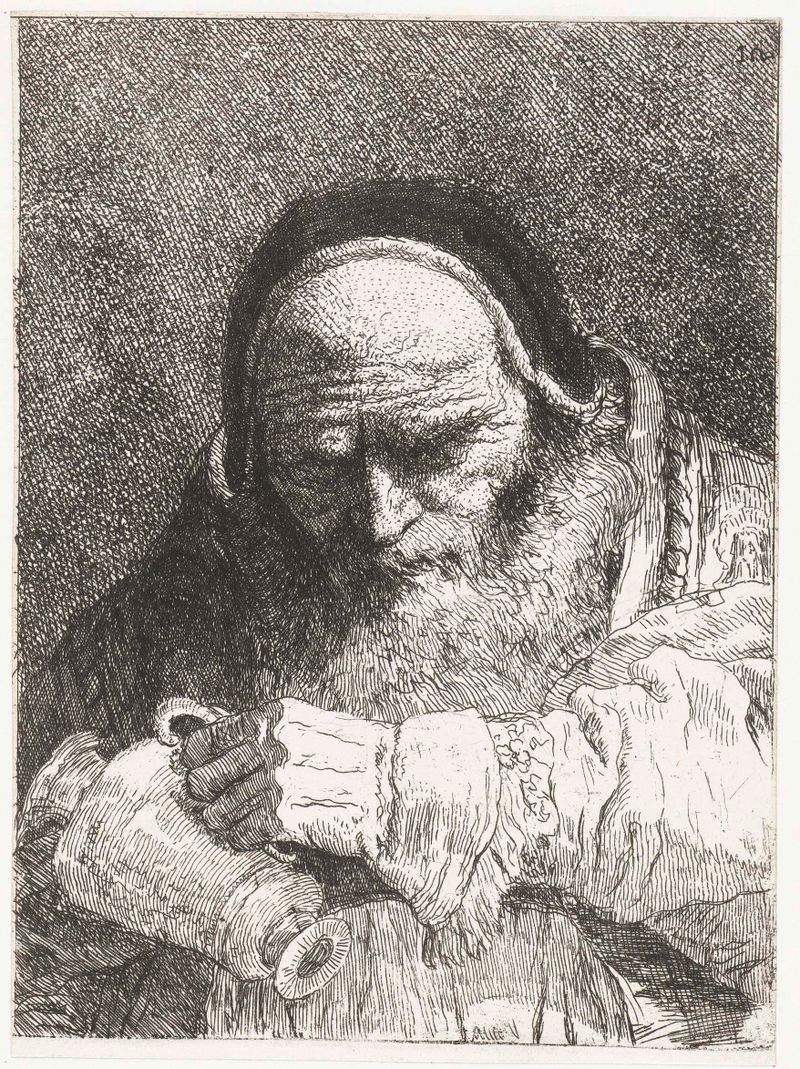
Paus met schenkkan
Giovanni Domenico Tiepolo

Heilige familie vertrekt door een stadspoort
Giovanni Domenico Tiepolo
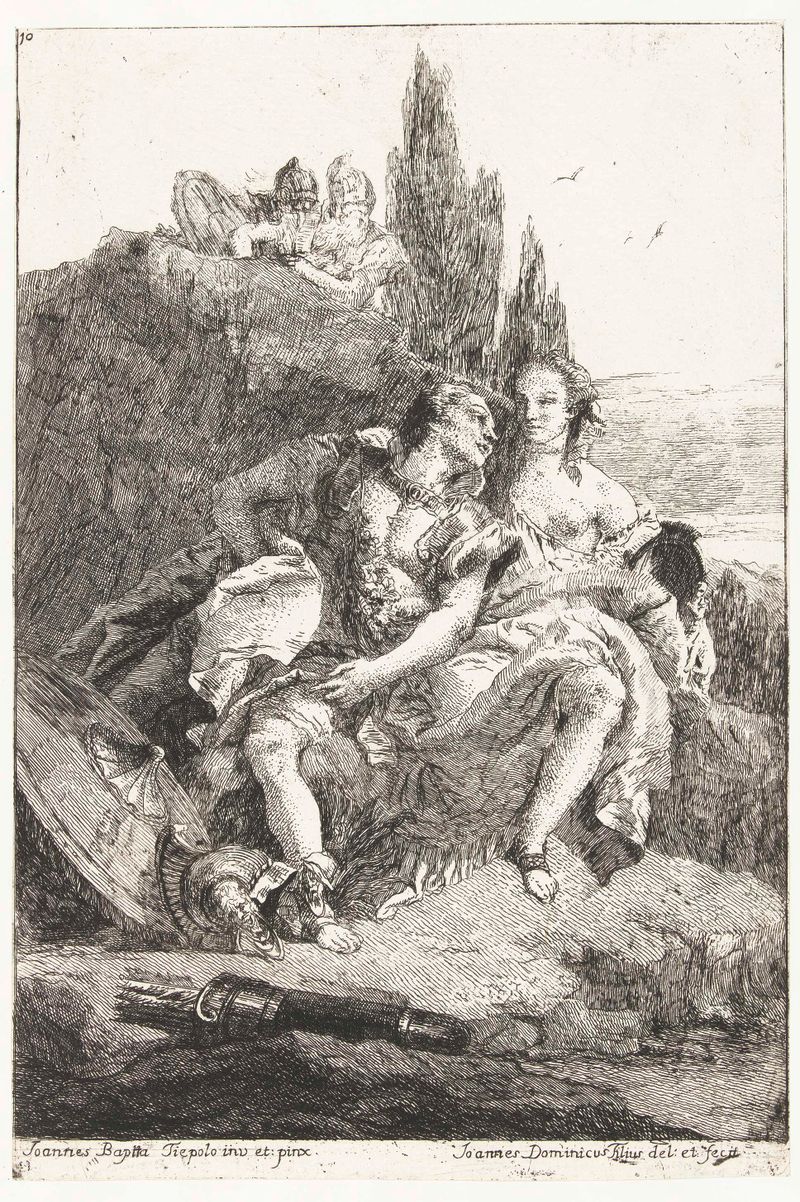
Rinaldo en Armida als liefdespaar aangetroffen bij een meer door twee ridders
Giovanni Domenico Tiepolo
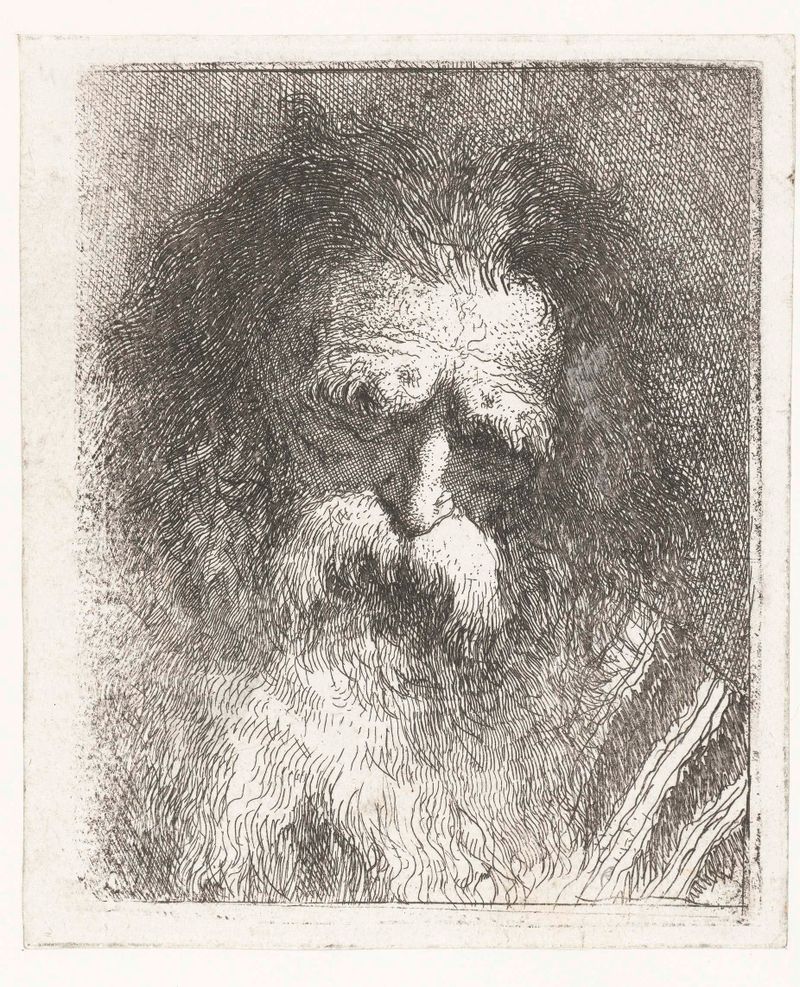
Oude man met borstelige wenkbrauwen en baard
Giovanni Domenico Tiepolo

Man met zwaard
Giovanni Domenico Tiepolo

Man met lange haren en zonder hoofddeksel
Giovanni Domenico Tiepolo

Man met ontblote schouder
Giovanni Domenico Tiepolo