
Drie Maria's bij het lege graf — History & Facts
Can paint confess what words never could? In Drie Maria's bij het lege graf, a profound silence envelops the three grieving women, each lost in a moment steeped in melancholy. Look to the left, where the figures of Mary Magdalene, Mary, mother of James, and Salome are positioned, their bodies slightly leaning towards the empty tomb. The artist masterfully uses chiaroscuro to illuminate their expressions, with light softly draping over their sorrowful faces, revealing the raw emotions beneath. Notice how the delicate pinks and muted earth tones contrast against the cool grays of the stone, emphasizing their vulnerability and the starkness of the scene.
The composition draws the eye inward, creating a sense of intimacy as if we are witnesses to their private anguish. Delve deeper into the details—the way Mary Magdalene clutches her hands in prayer, her posture reflecting both despair and hope, a duality that speaks to the heart of human experience. The absence of the body in the tomb, a void filled only with the weight of expectation and loss, amplifies the tension in the piece. Each woman's gaze diverges, suggesting their individual paths through grief, yet they remain united in their shared sorrow, a poignant reminder of love's enduring ties even in absence. Georg Pencz painted this work between 1534 and 1535 during a period of personal and artistic transition.
As a member of the Nuremberg school, he was influenced by the emerging Protestant Reformation, which shaped not only religious sentiments but also artistic expression. The work reflects his engagement with themes of faith and mourning, resonating deeply with a society grappling with profound spiritual change.
More Artworks by Georg Pencz
Browse all →
Parabel van de zaaier
Georg Pencz

Parabel van de arbeiders in de wijngaard
Georg Pencz
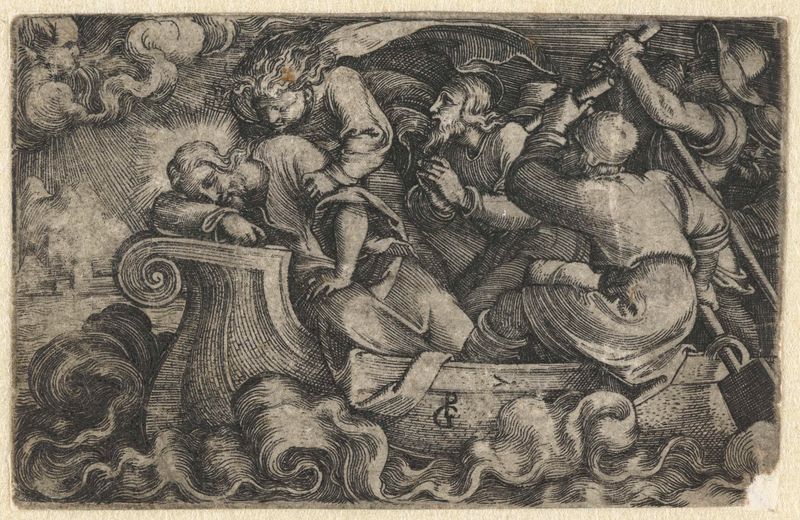
Discipelen wekken slapende Christus tijdens storm op Meer van Galilea
Georg Pencz

Afgunst (Invidia)
Georg Pencz
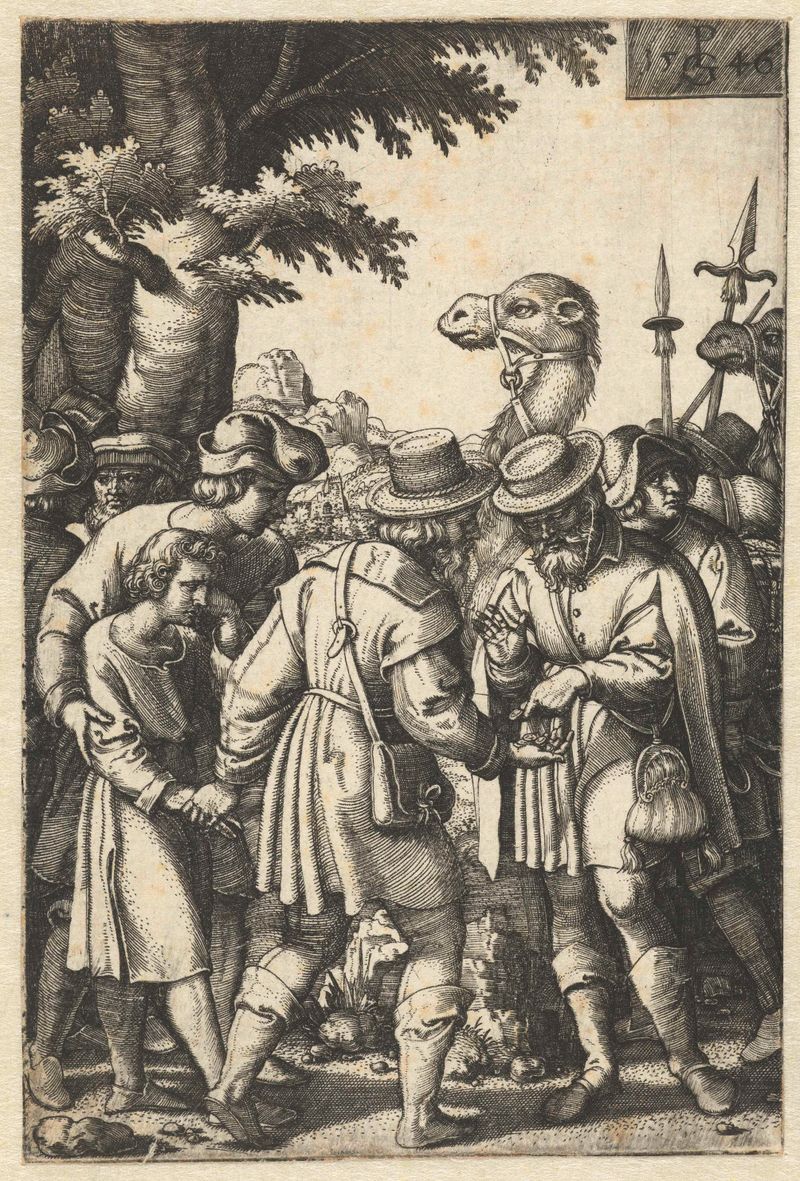
Jozef wordt verkocht aan kooplieden op weg naar Egypte
Georg Pencz

Aanbidding der koningen
Georg Pencz
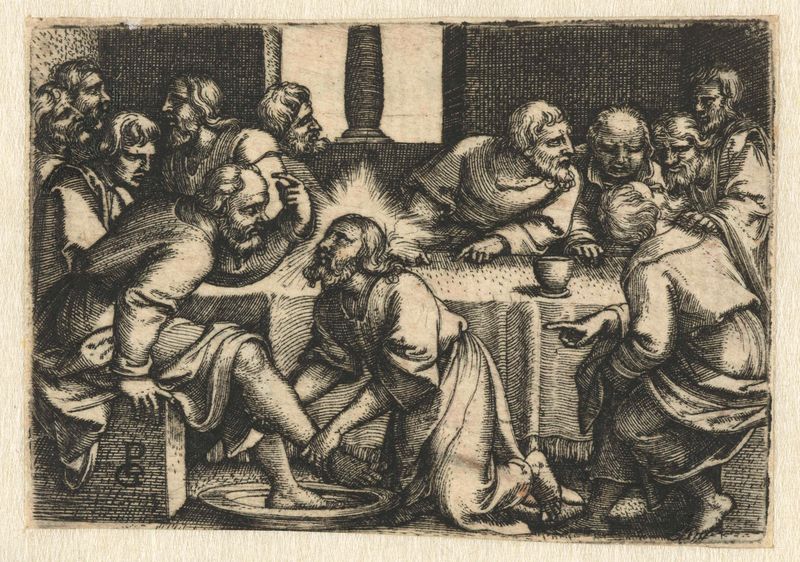
Petrus protesteert als Christus zijn voeten wast
Georg Pencz
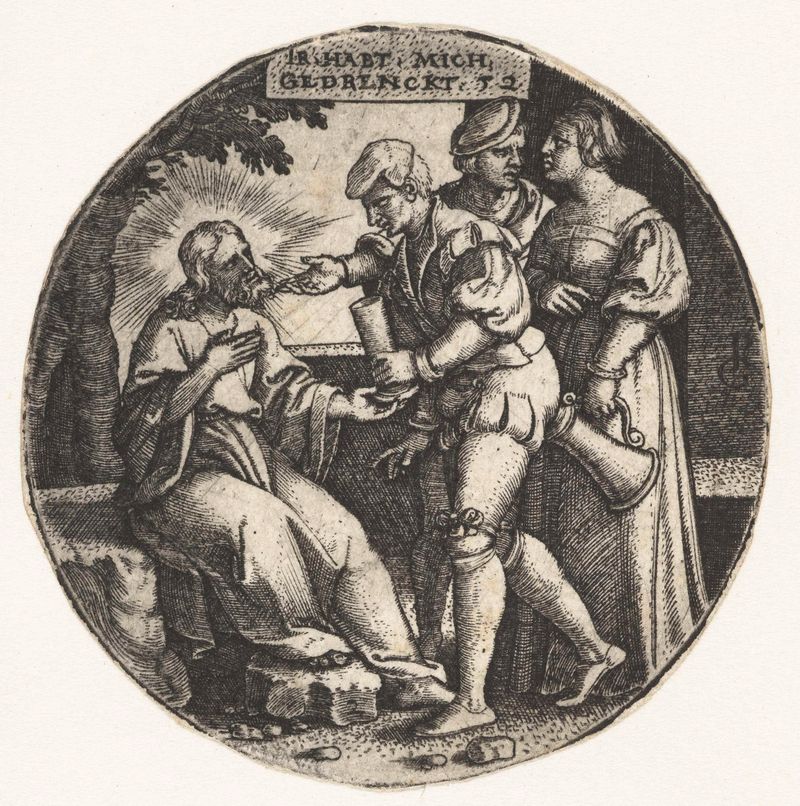
Christus heeft dorst en krijgt drinken aangeboden
Georg Pencz
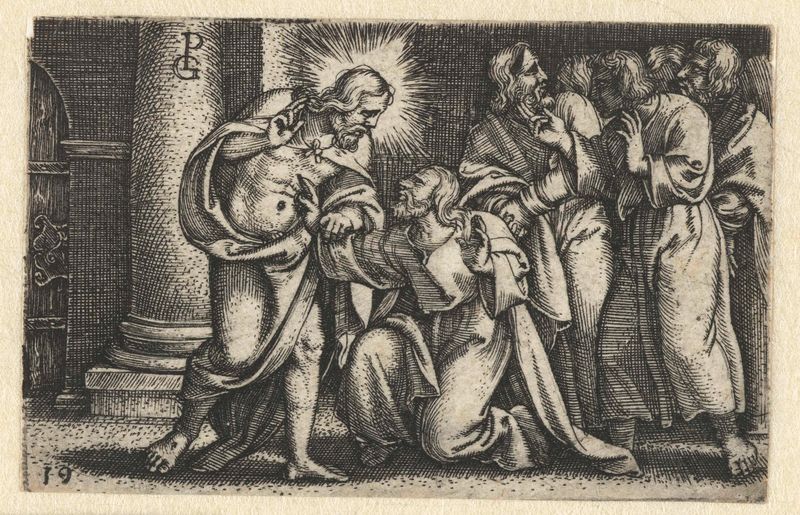
Ongelovige Thomas raakt wonden Christus aan
Georg Pencz

Offer van Abraham van Isaak
Georg Pencz
More Religious Art
Browse all →
The Return of the Prodigal Son
Rembrandt van Rijn

The Garden of Earthly Delights
El Bosco

Count Orgaz’ funeral
El Greco

The Hundred Guilder Print: the central piece with Christ preaching, the plate arched
Rembrandt van Rijn

The Descent from the Cross
Rogier van der Weyden

The return of the prodigal son
Rembrandt van Rijn