
Drie schepen; twee spéronares van Scilla en een tartanes — History & Facts
Where does light end, and longing begin? In the immense expanse of ocean and horizon, emotions ripple like the waves, evoking a deep sense of nostalgia for what is lost and longed for. Focus on the delicate interplay of color as you explore the painting. Look to the vivid cerulean of the water, which draws your eye into the heart of the scene. Notice how the ships, elegant spéronares and a robust tartanes, are anchored against a backdrop of warm sunsets that bleed into soft hues of orange and pink.
The dramatic chiaroscuro captures not just the physical forms of the vessels but also their symbolic journey through time, tethered to moments of hope and longing. The details unveil a deeper narrative: the interplay of the ships represents the duality of adventure and the yearning for home. The spéronares, slender and graceful, suggest elegance and freedom, yet their stillness hints at a pause, a moment of reflection. Meanwhile, the tartanes, sturdy and grounded, evoke stability, perhaps a reminder of the past.
Together, they reveal the emotional tension between the desire to explore and the need for connection, a poignant contrast that resonates with the viewer. In 1778, Abraham-Louis-Rodolphe Ducros painted this piece in Italy, during a time when maritime exploration was a prominent theme in art. His life was marked by travels through the Mediterranean, and his experiences shaped his vision. This painting reflects not only his technical mastery but also the cultural context of exploration, nostalgia, and the beauty found in the fleeting moments of life at sea.
More Artworks by Abraham-Louis-Rodolphe Ducros
Browse all →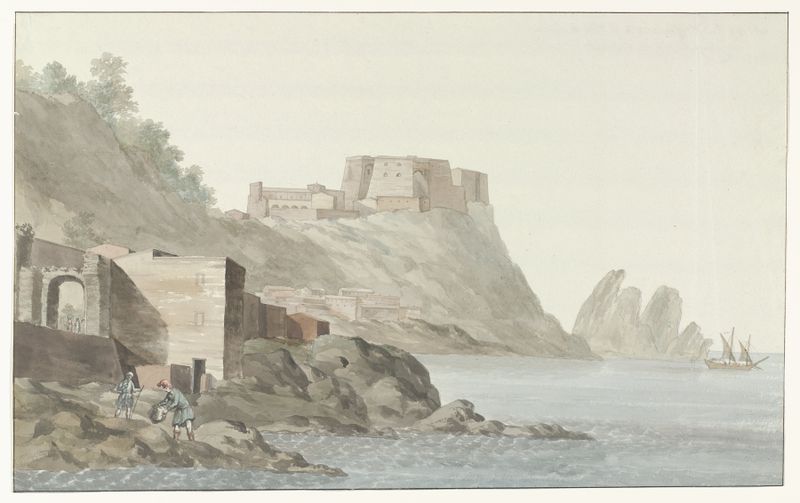
Rots en stad Scilla in de regio Calabrië aan de oostkust
Abraham-Louis-Rodolphe Ducros
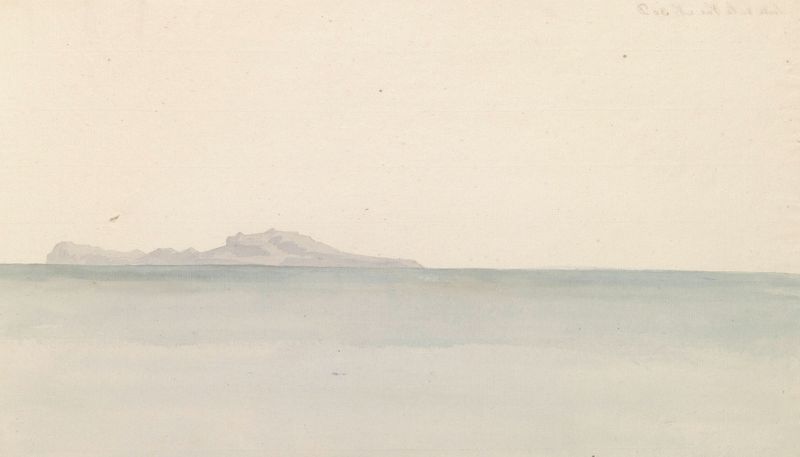
Gezicht op Golf van Napels vanaf kade bij kerk Santa Maria del Carmine
Abraham-Louis-Rodolphe Ducros
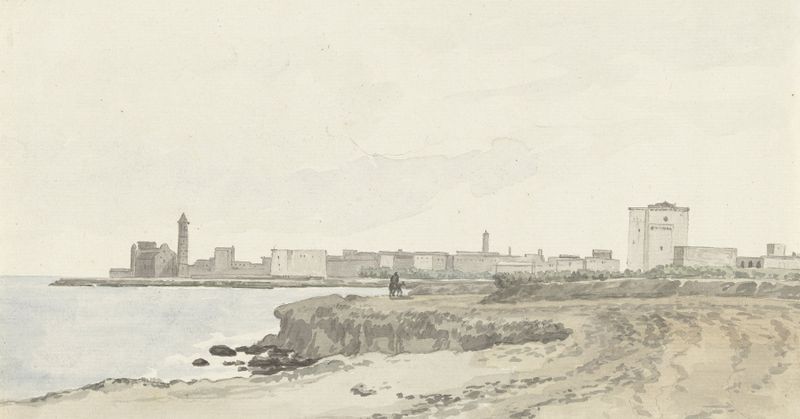
Gezicht op Trani gelegen aan de kust
Abraham-Louis-Rodolphe Ducros
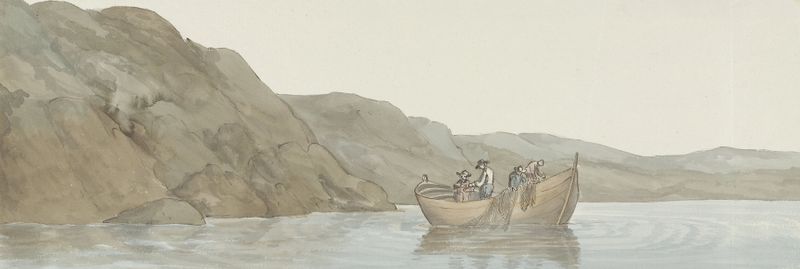
Gezicht op Kaap Paceco in Calabrië nabij de stad Scilla
Abraham-Louis-Rodolphe Ducros
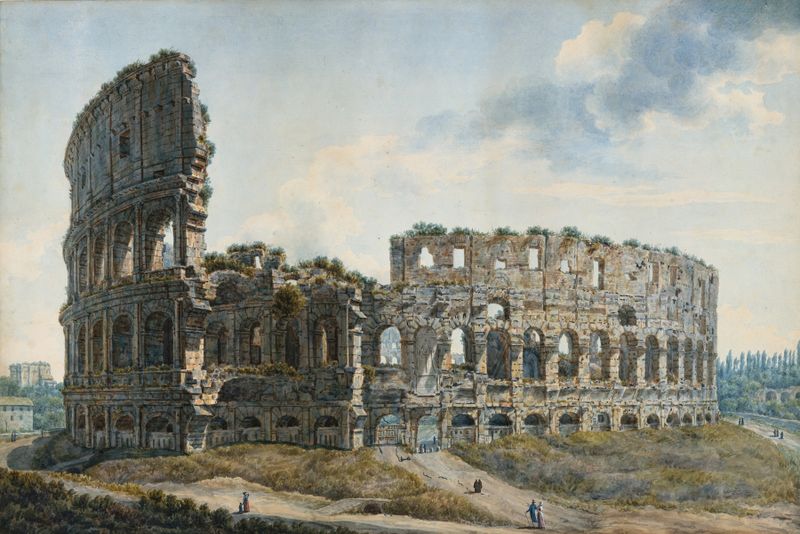
The Colosseum, Rome.
Abraham-Louis-Rodolphe Ducros
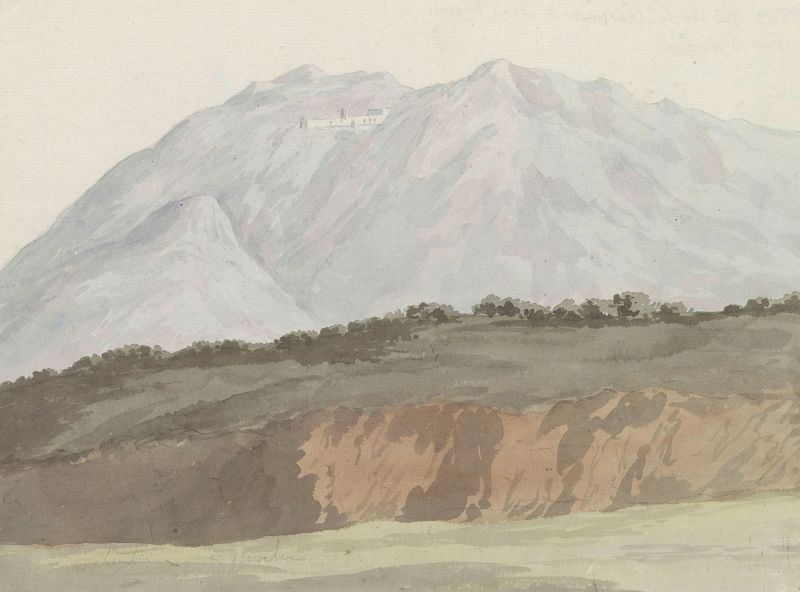
Gezicht op kartuizerklooster van Monte Vergine hoog gelegen boven Avellino
Abraham-Louis-Rodolphe Ducros
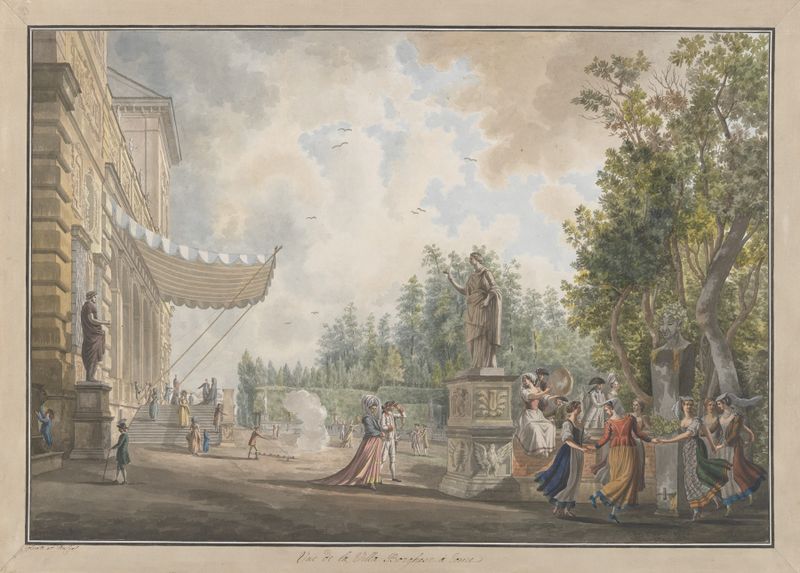
Villa Borghese
Abraham-Louis-Rodolphe Ducros
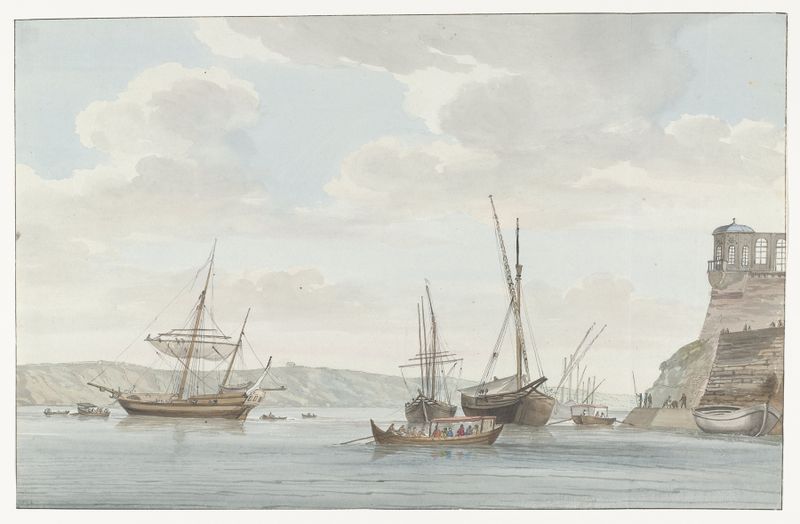
Tuinhuis van de Jardin du Grand Maître uittorend boven de haven met galei schepen op Malta
Abraham-Louis-Rodolphe Ducros
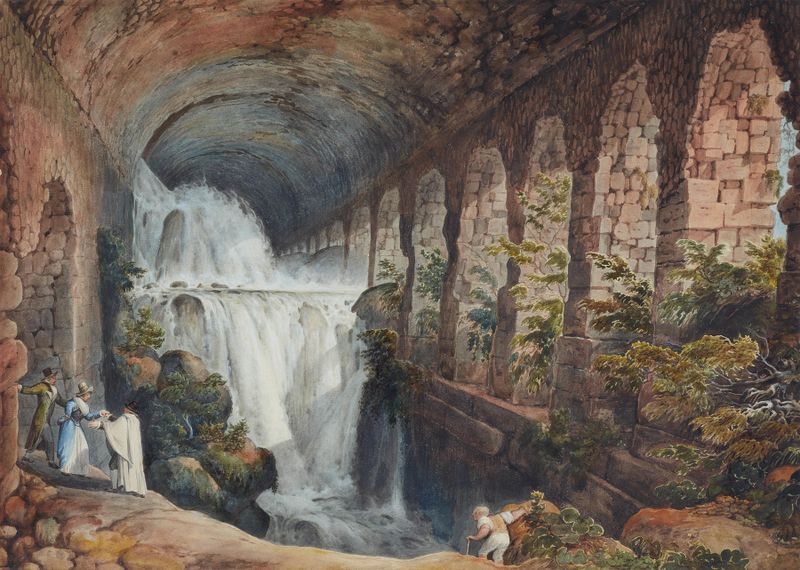
Aquädukt unter der Villa des Maecenas in Tivoli
Abraham-Louis-Rodolphe Ducros
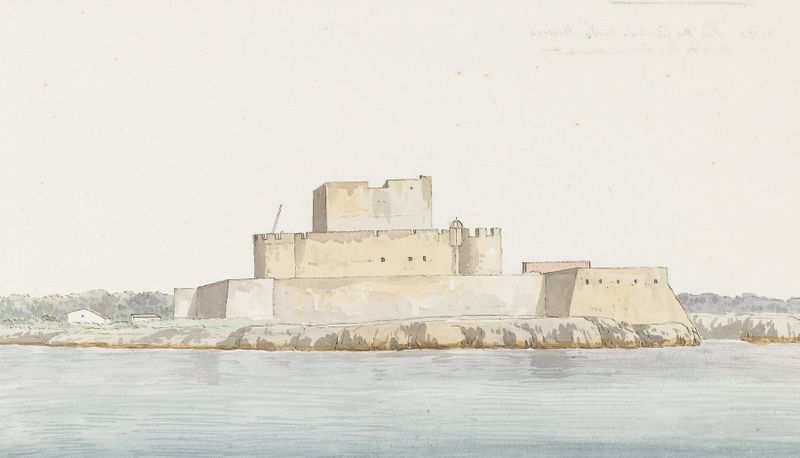
Gezicht op kasteel van San Mauro la Bruca vanaf zee bij aankomst
Abraham-Louis-Rodolphe Ducros





