
Dromore Oaks — History & Facts
Could a single brushstroke hold eternity? In Dromore Oaks, the flicker of light filtering through the towering branches speaks to the transformative power of nature, inviting viewers to explore the passage of time and change. Look towards the left side of the canvas, where the oak trees stand tall, their gnarled bark reflecting shades of deep green and browns. The interplay of light and shadow creates a mesmerizing pattern, guiding your gaze across the vibrant foliage. Notice how the sunlight dapples the ground, casting patches of warmth amid the cool tones of the forest floor.
The artist’s technique, with delicate layering and a careful balance of colors, evokes the lush vitality of the oaks, inviting you deeper into this serene woodland. Beneath its surface, the painting holds a narrative of resilience and renewal. The trees, aging and weathered, symbolize the enduring strength of life, while the vibrant greens and blues indicate a cycle of rebirth and growth. The contrasting hues elicit a sense of nostalgia, challenging the viewer to reflect on their own transformations.
Each stroke embodies the essence of change, suggesting that beauty lies not only in what is seen, but also in the stories that unfold silently, over time. During the years between 1900 and 1925, Ernest Haskell immersed himself in the lush natural landscapes of New England, capturing the raw beauty of untouched environments. His works emerged during a time when artists were increasingly drawn to the inherent harmony of nature, reflecting a broader movement towards Impressionism and a deeper appreciation for the natural world. This period in Haskell's life would define his approach, as he sought to immortalize fleeting moments, combining technique with emotion in a profound dialogue between viewer and landscape.
More Artworks by Ernest Haskell
Browse all →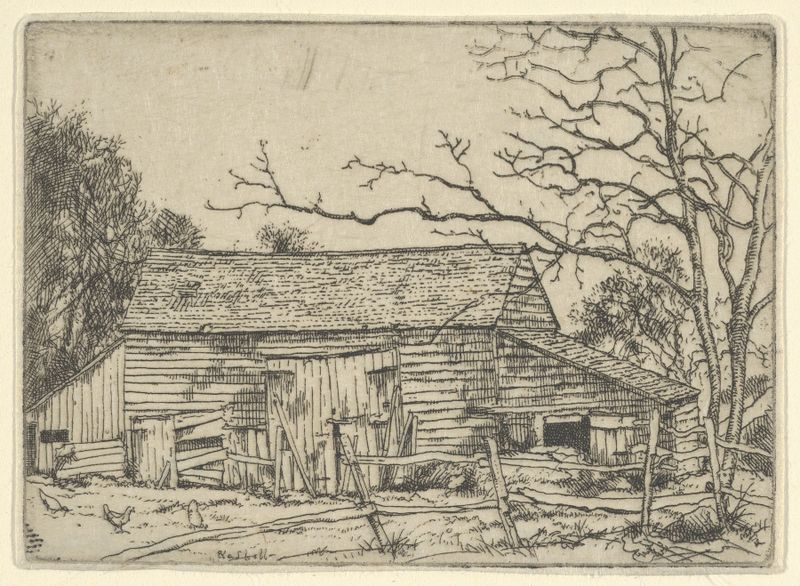
The Barn–Staten Island, N.Y.
Ernest Haskell

Four Live Oaks
Ernest Haskell
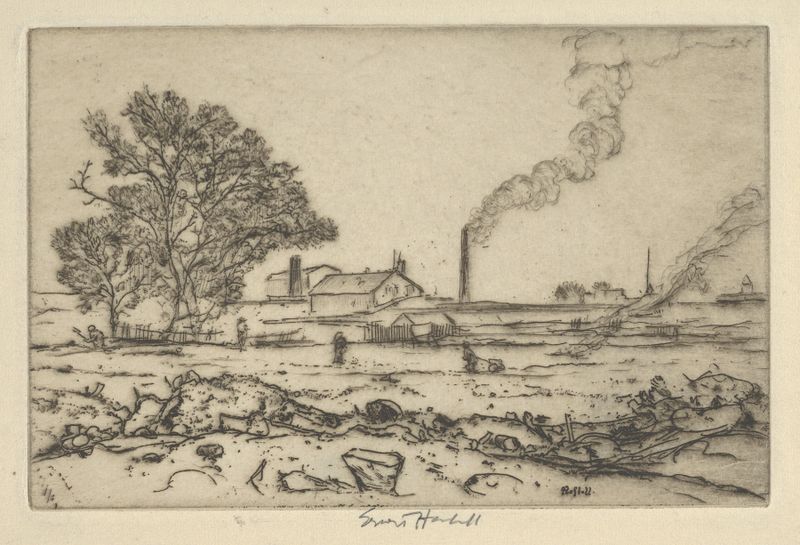
Outskirts of Boston
Ernest Haskell
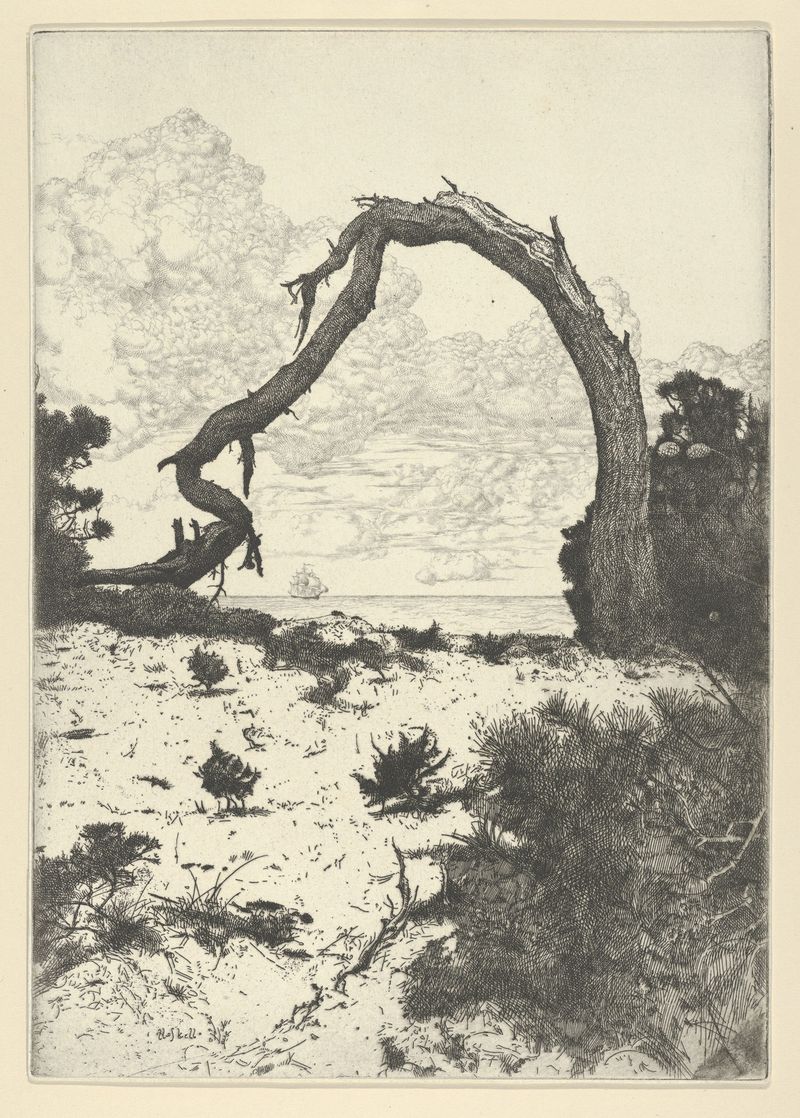
Pine Arch
Ernest Haskell

General Sherman
Ernest Haskell
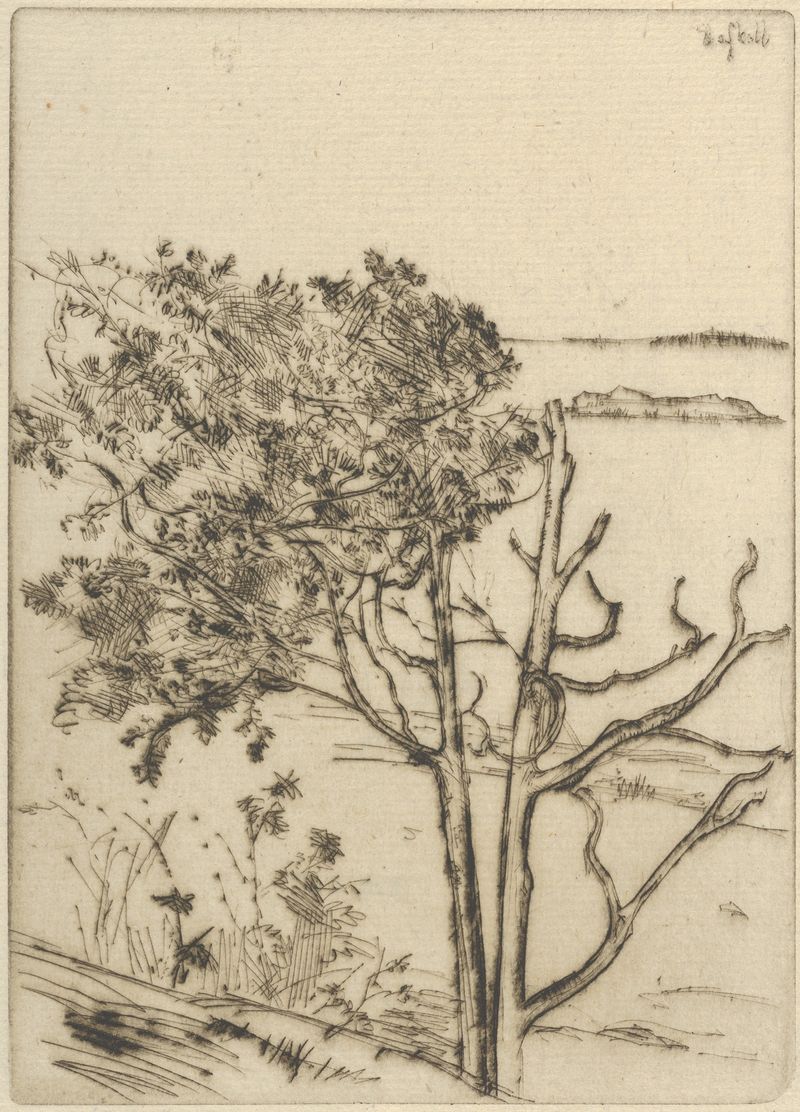
Ragged Tree – Maine
Ernest Haskell

Tide Mill
Ernest Haskell

Ship Building
Ernest Haskell
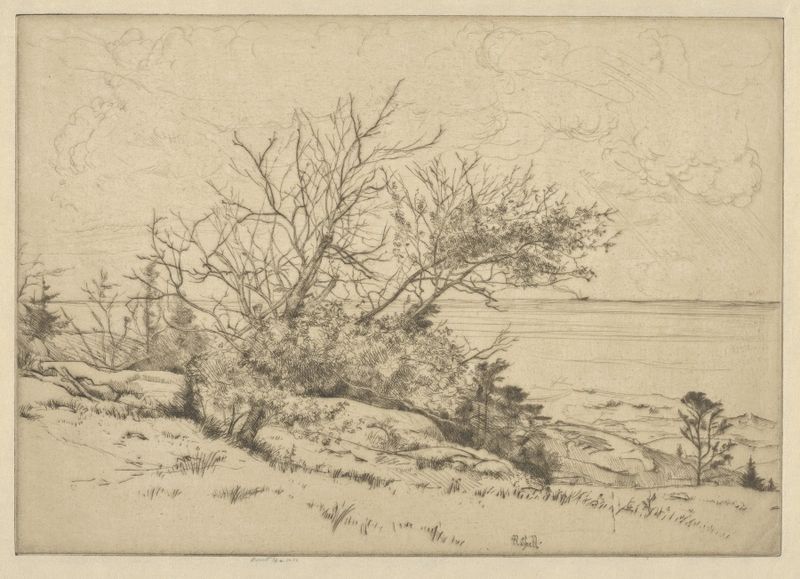
To the Southward – Ragged Island, Me.
Ernest Haskell
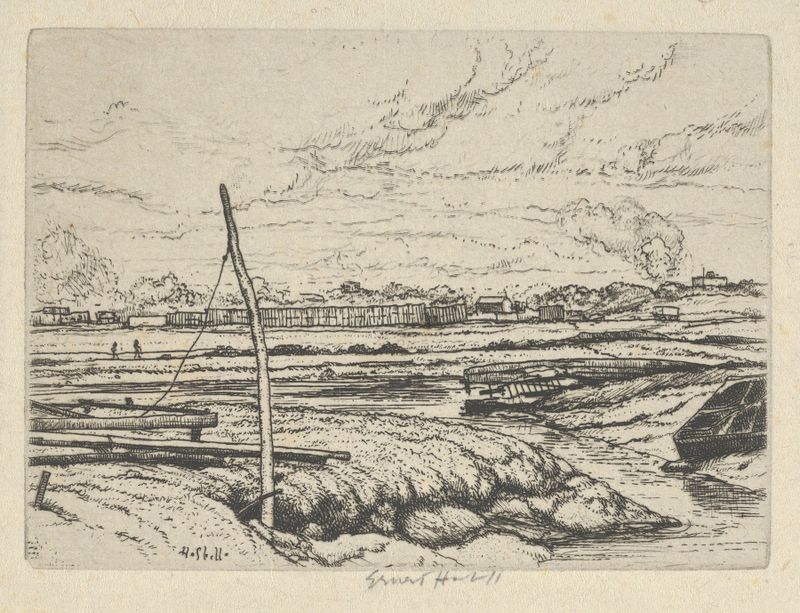
Long Island Marshes
Ernest Haskell





