
Dromore Vale — History & Facts
In this moment, we find ourselves at the threshold of awakening, where nature breathes and memory stirs beneath the surface. Look to the horizon in Dromore Vale, where soft pastels collide, creating a gentle gradient that suggests the dawn of a new day. The landscape unfolds in tranquil layers, with lush greenery spilling forth from the foreground, inviting the viewer to step closer. Notice how the delicate brushwork evokes movement in the leaves, each stroke a whisper of the wind.
A river snakes through the valley, its shimmering surface reflecting both light and life, while clouds, tinged with gold, linger above, framing the scene in a place that feels suspended in time. In the quiet of this work, contrasts emerge—between light and shadow, and the serenity of the natural world against the complexities of human existence. The depth of the vale hints at hidden stories waiting to be uncovered, while the vibrant colors suggest both hope and renewal. The interplay of warm and cool tones invites contemplation, guiding us toward an emotional awakening that echoes the pulse of nature itself. Ernest Haskell painted Dromore Vale between 1900 and 1925, a period of both personal exploration and artistic innovation.
Living in a time marked by rapid change, Haskell found solace in the beauty of the American landscape, translating his observations into evocative works. The early 20th century was a fertile ground for artists seeking to connect with nature, and Haskell's commitment to depicting its essence exemplifies this movement's spirit.
More Artworks by Ernest Haskell
Browse all →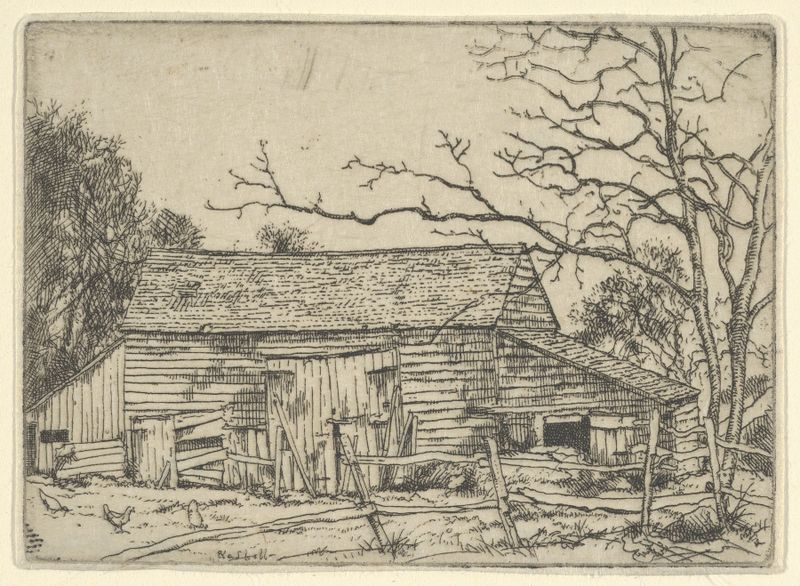
The Barn–Staten Island, N.Y.
Ernest Haskell

Four Live Oaks
Ernest Haskell
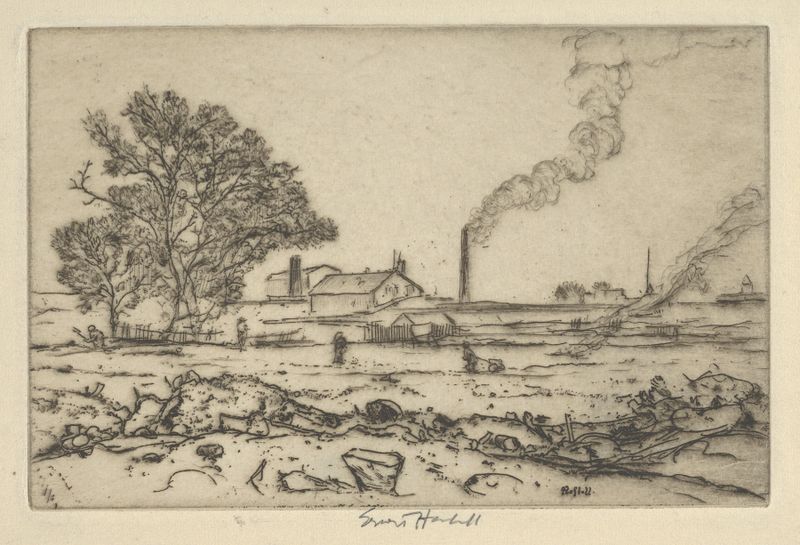
Outskirts of Boston
Ernest Haskell
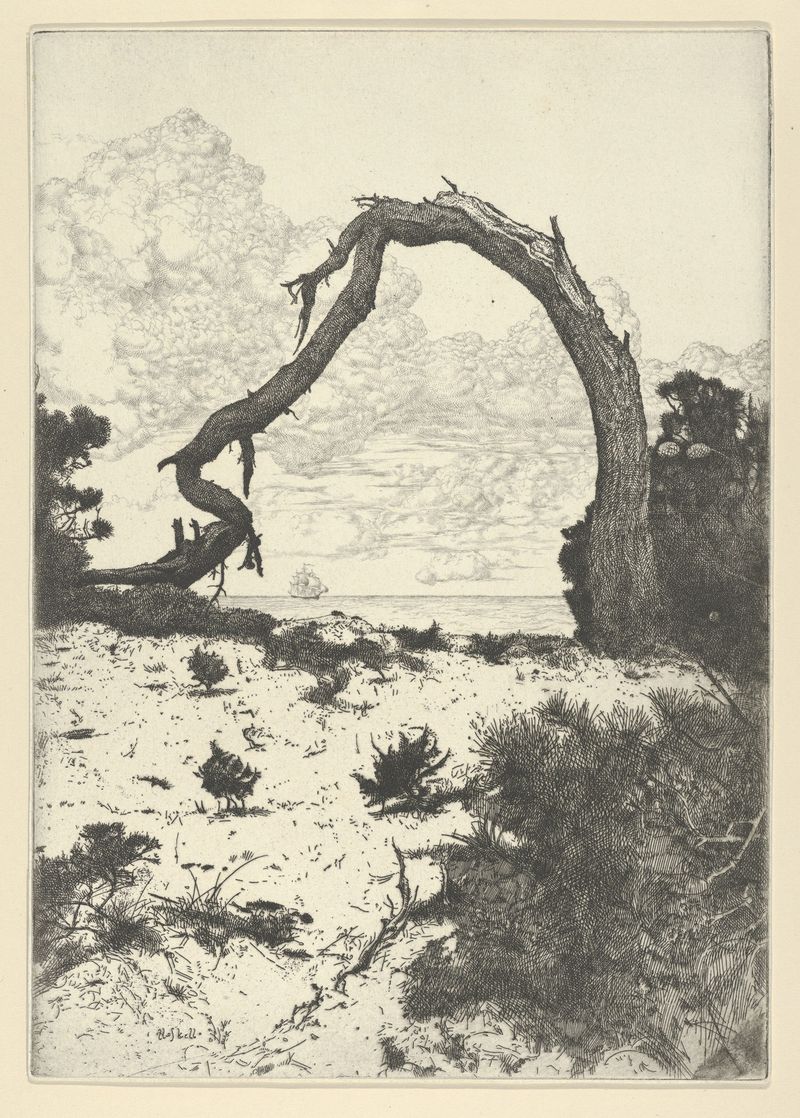
Pine Arch
Ernest Haskell

General Sherman
Ernest Haskell
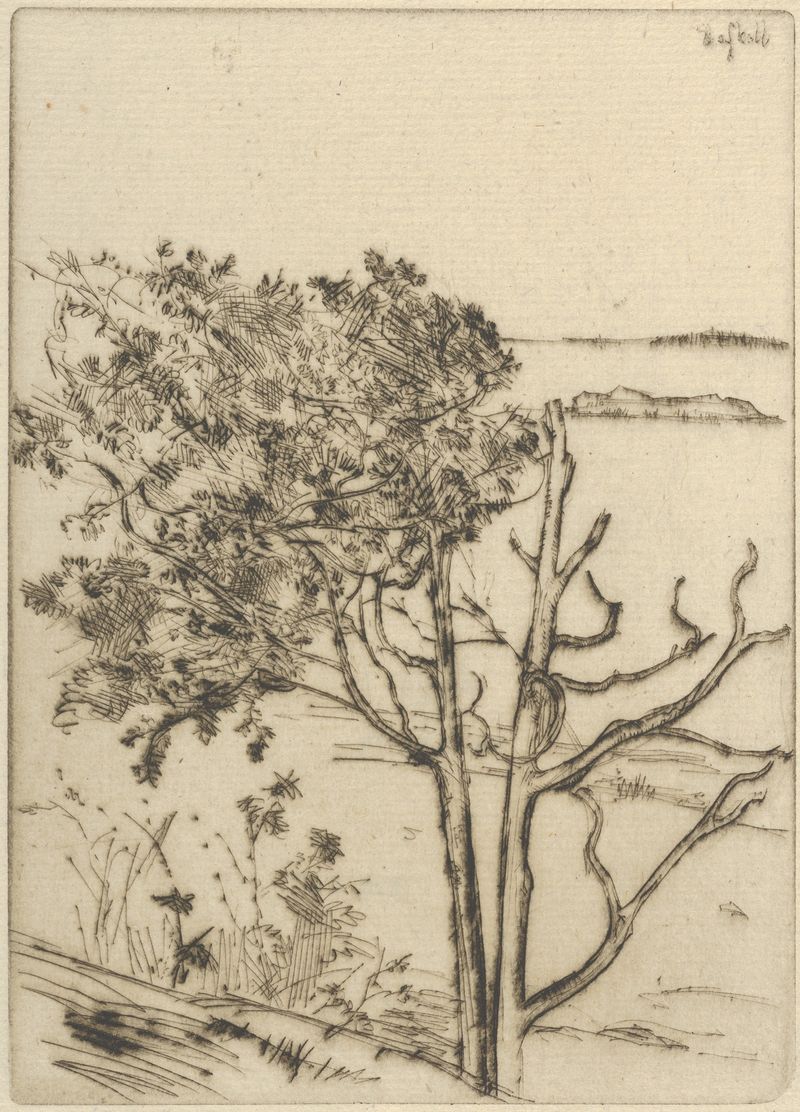
Ragged Tree – Maine
Ernest Haskell

Tide Mill
Ernest Haskell

Ship Building
Ernest Haskell
To the Southward – Ragged Island, Me.
Ernest Haskell
Long Island Marshes
Ernest Haskell





