
Droom van Jacob over een ladder — History & Facts
In Droom van Jacob over een ladder, the essence of awakening resonates through vivid imagery and meticulous detail, beckoning the viewer to contemplate the depths of human experience and divine connection. Look to the right at the towering ladder, a symbol of ascent and spiritual awakening, its rungs reaching towards the celestial realm. Notice how the ethereal light bathes Jacob’s figure, illuminating his face with a soft glow that captures a moment of rapt contemplation. Notice, too, the vibrant colors of his draped garments contrasting with the muted tones of the landscape, drawing attention to the internal struggle and enlightenment unfolding within him as he dreams.
The composition invites the eye to wander, revealing the careful interplay between shadow and light, echoing the duality of earthly desires and heavenly aspirations. Within this painting, hidden meanings blossom like the flowers in the foreground — the ladder signifies not just a pathway to heaven, but the trials and tribulations inherent in the quest for understanding and faith. The presence of the angels, softly hovering above, serves as guardians of Jacob’s journey, hinting at the divine guidance available to those who seek it. There is an emotional tension that arises from Jacob’s solitude amidst the heavenly radiance, suggesting the isolation often felt in moments of profound revelation. During the years 1523 to 1526, Cranach painted this work in Wittenberg, a period marked by the rise of Protestantism and a shift in artistic expression.
Engaged with the themes of religion and personal faith, the artist’s brush danced between traditions, reflecting both the spiritual longing of the time and his own explorations of biblical narratives. As he captured this visionary moment, Cranach cemented his role not only as a painter but as a storyteller deeply embedded in the currents of his era.
More Artworks by Lucas Cranach (I)
Browse all →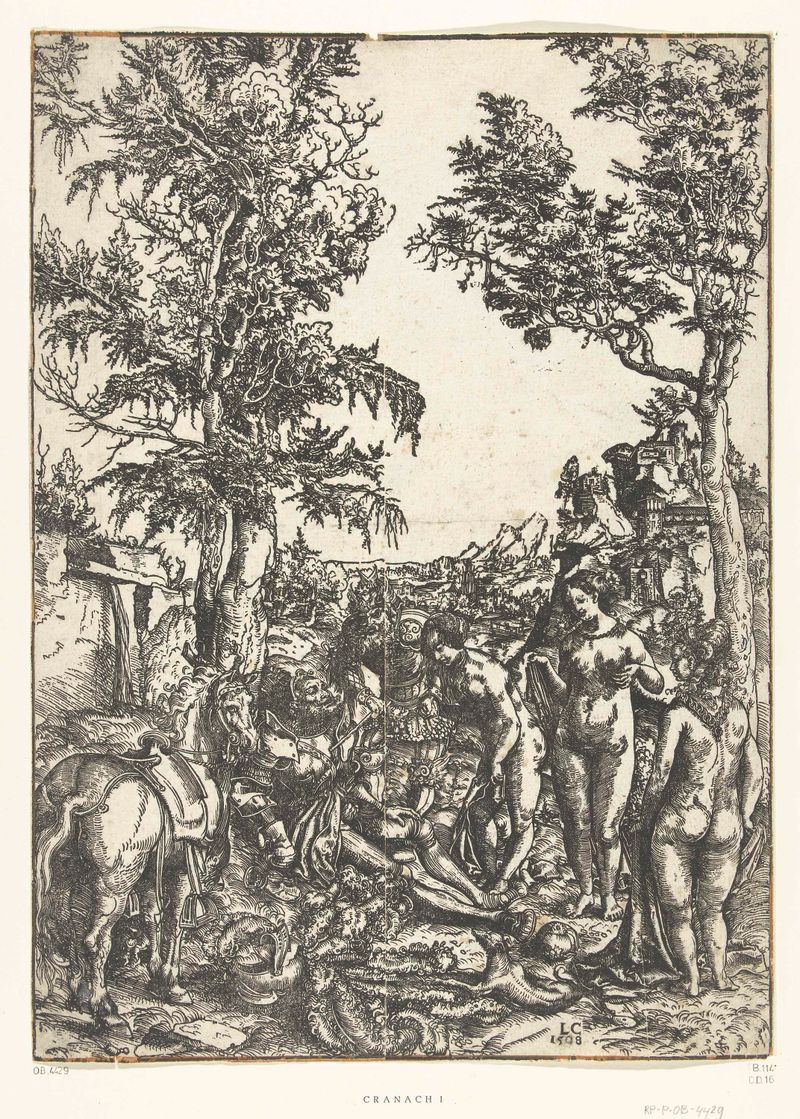
Oordeel van Paris
Lucas Cranach (I)
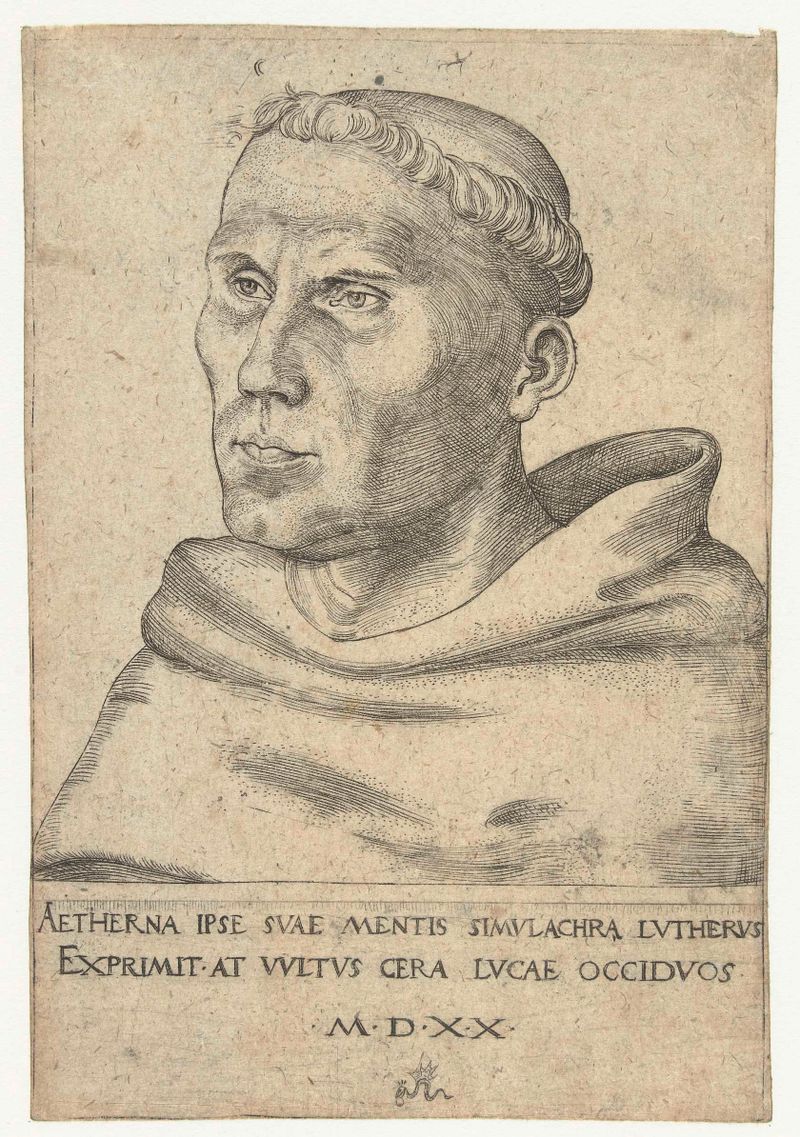
Portret van Martin Luther als Augustijner monnik
Lucas Cranach (I)
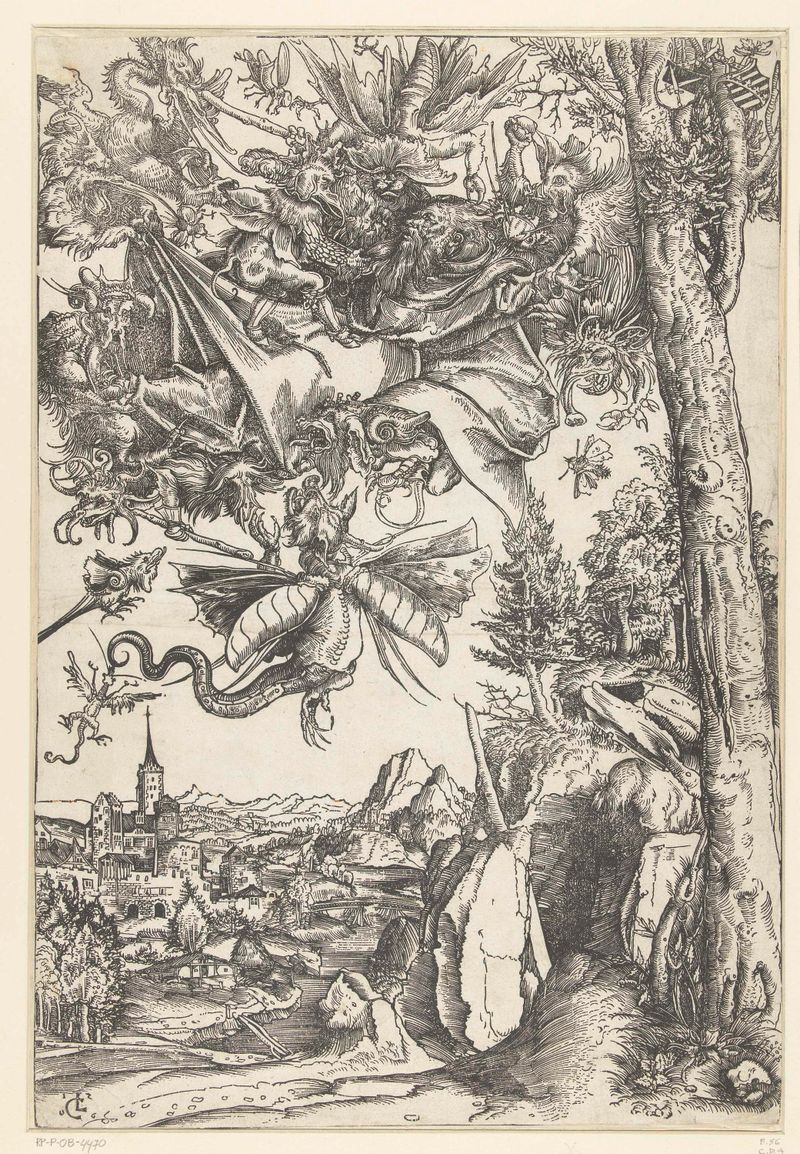
Verzoeking van Antonius met aanval door demonen
Lucas Cranach (I)

Christus en de Samaritaanse vrouw
Lucas Cranach (I)

Duits toernooi met twee edelmannen als ridders te paard
Lucas Cranach (I)
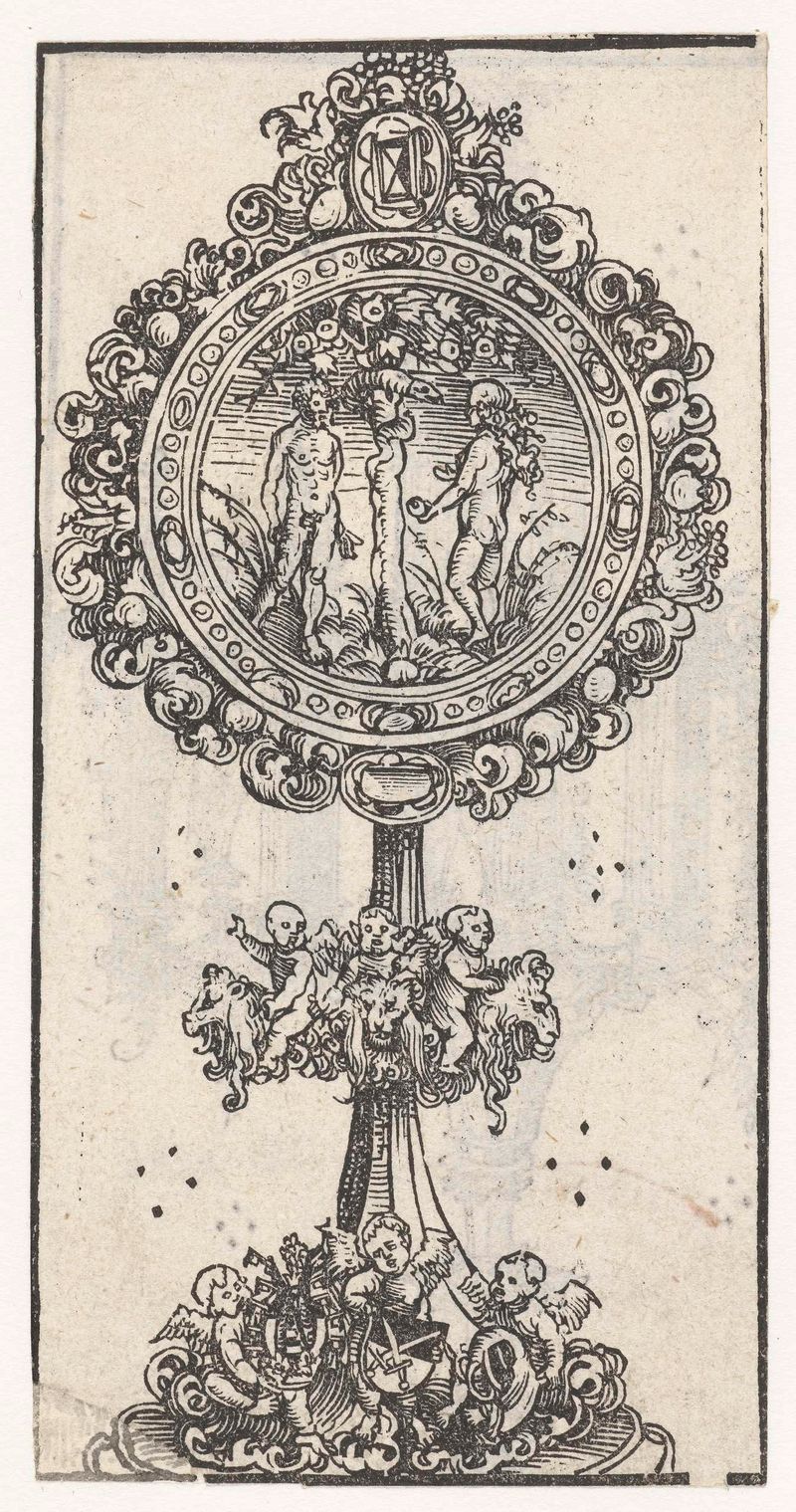
Reliekhouder met de verzoeking van Adam en Eva
Lucas Cranach (I)

Intocht van Christus in Jerusalem
Lucas Cranach (I)
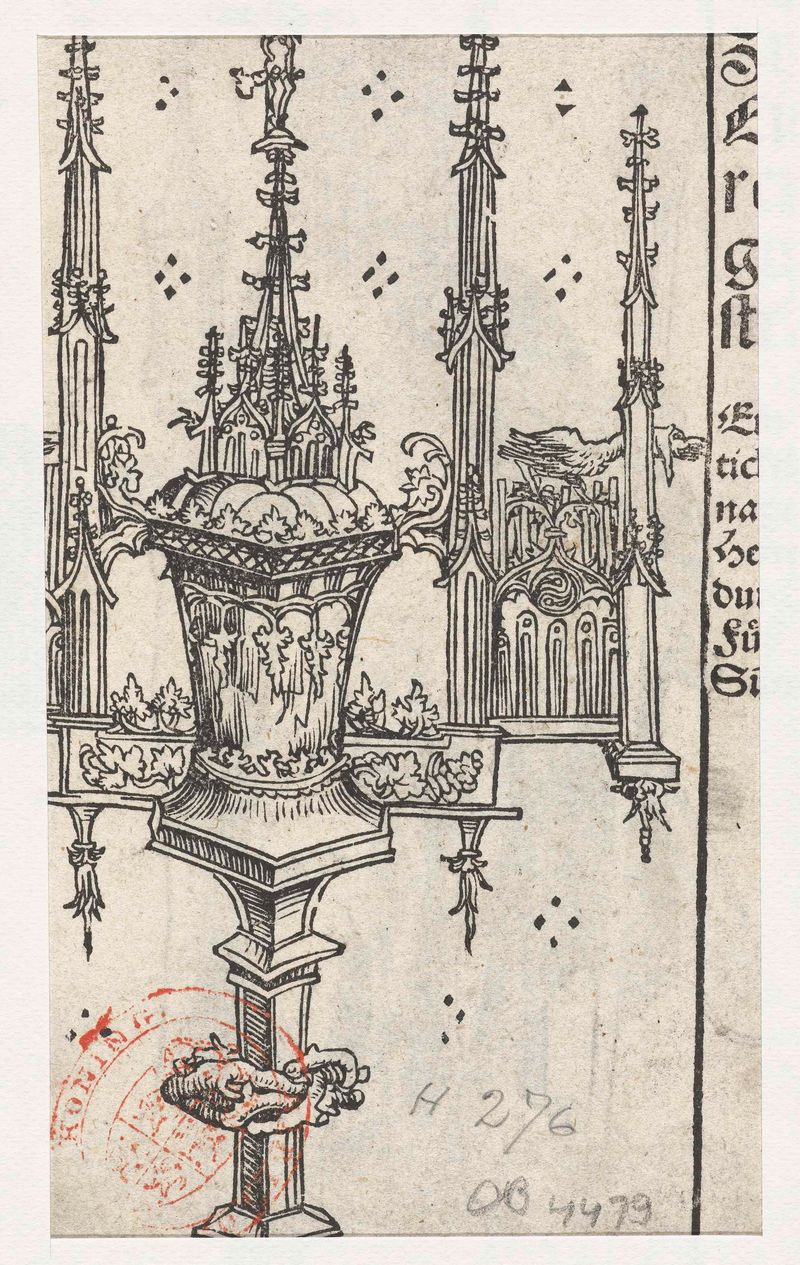
Monstrans met vogel (pelikaan)
Lucas Cranach (I)
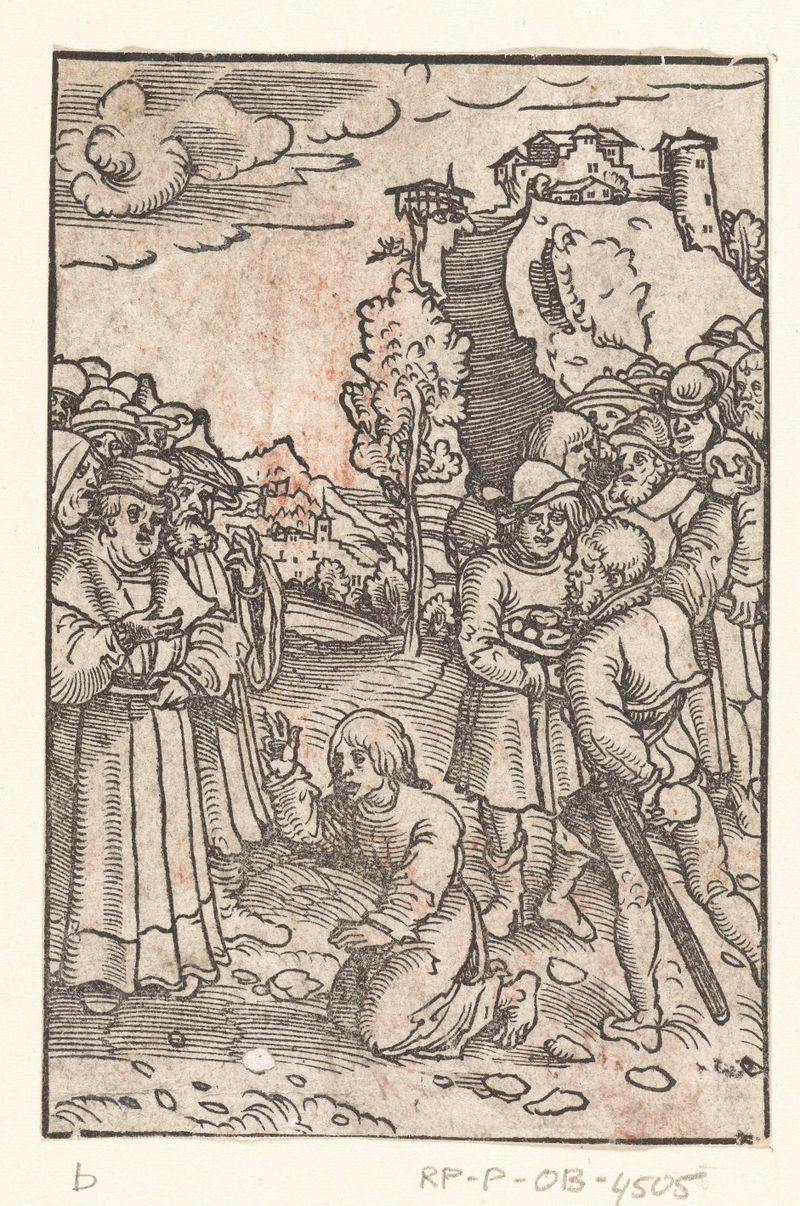
Steniging van Stefanus
Lucas Cranach (I)
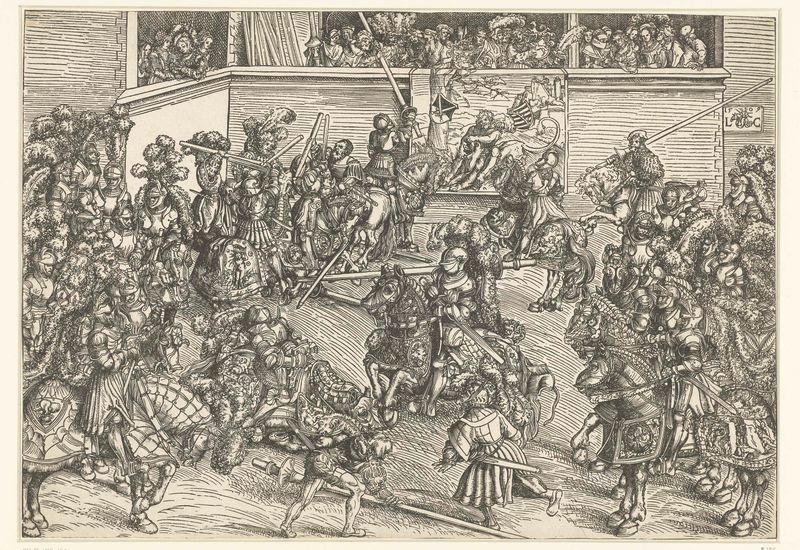
Toernooi van het keurvorstelijk hof van Saksen met wandtapijt Simson doodt de leeuw
Lucas Cranach (I)
More Religious Art
Browse all →
The Return of the Prodigal Son
Rembrandt van Rijn

The Garden of Earthly Delights
El Bosco

Count Orgaz’ funeral
El Greco

The Hundred Guilder Print: the central piece with Christ preaching, the plate arched
Rembrandt van Rijn

The Descent from the Cross
Rogier van der Weyden

The return of the prodigal son
Rembrandt van Rijn