
Ducks in autumn reeds — History & Facts
What draws the eye first is the shimmer of water, broken only by the gentle procession of ducks threading their way through the reeds. The painter, Alexander Koester, has chosen a moment of quiet abundance: the ducks, caught in the golden hush of autumn, seem both at home and alert, their white and mottled feathers luminous against the dark, reflective stream. The reeds arch overhead and crowd in from the sides, creating a sense of intimacy and shelter, while the play of light on water and plumage invites the viewer to linger over each ripple and brushstroke.
The palette, dominated by warm ochres and cool blues, conjures the crispness of the season and the fleeting nature of such peaceful interludes. Painted by 1932, this work belongs to a world where scenes of rural life and animal subjects were cherished for their sense of order and beauty. In late nineteenth- and early twentieth-century Europe, such paintings were often sought by collectors eager to bring the calm of the countryside into their homes, a counterpoint to the rapid changes of industrial society. Koester became especially known for his studies of ducks, and works like this—now in the Dorotheum collection—capture not only the animals themselves but the changing light and mood of their environment.
History has kept few traces of this particular canvas’s journey, but its quiet vitality remains, inviting viewers to return again and again to its tranquil stream.
More Artworks by Alexander Koester

Ducks on the Lakeside
Alexander Koester
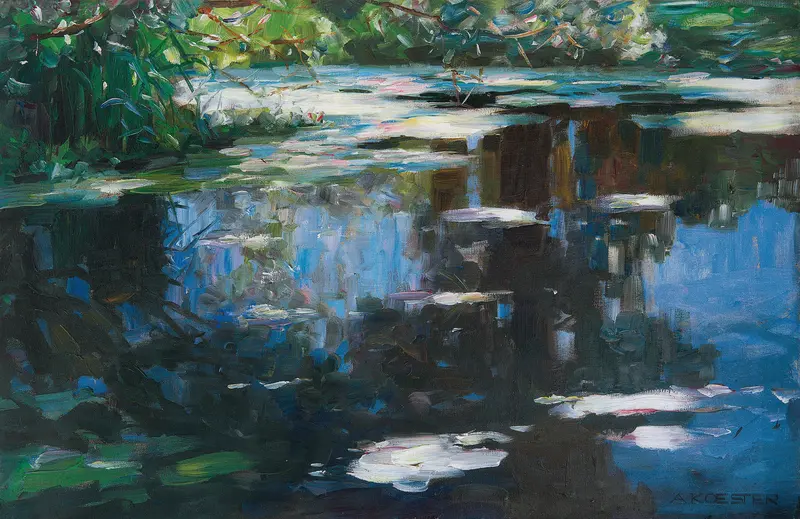
Teichblüten – Altwasser bei Brixen
Alexander Koester
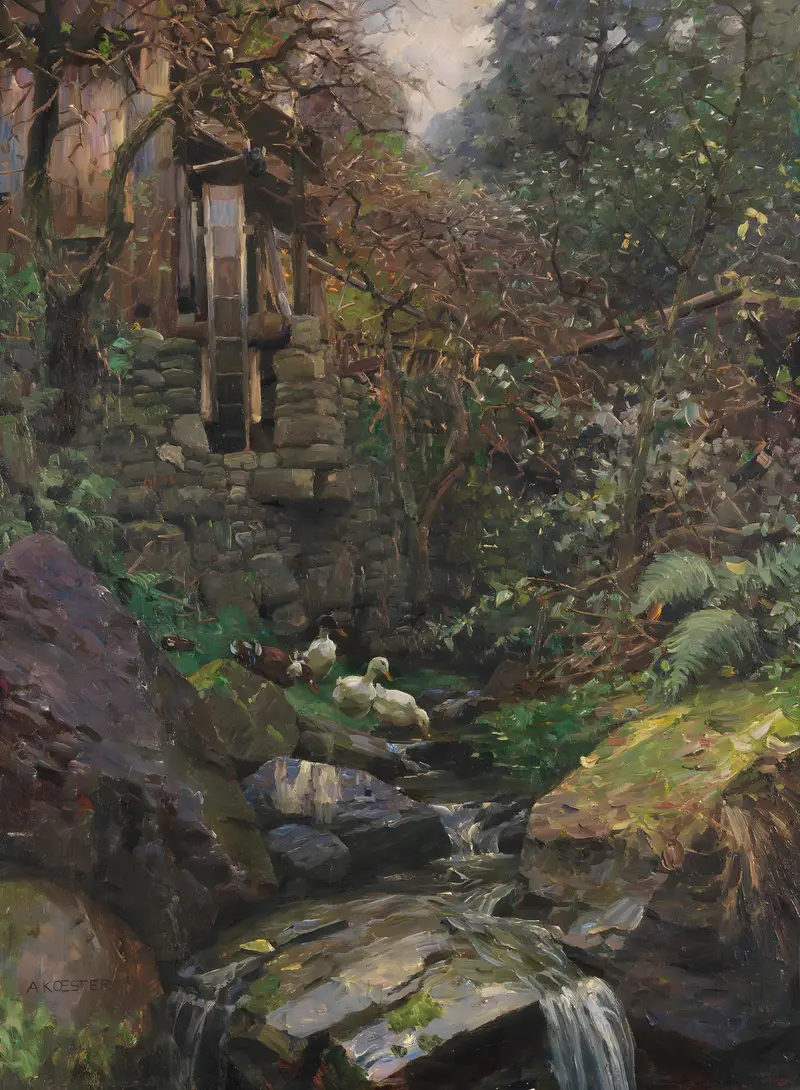
Im Mühlengrund
Alexander Koester

See mit Wetterwolken
Alexander Koester
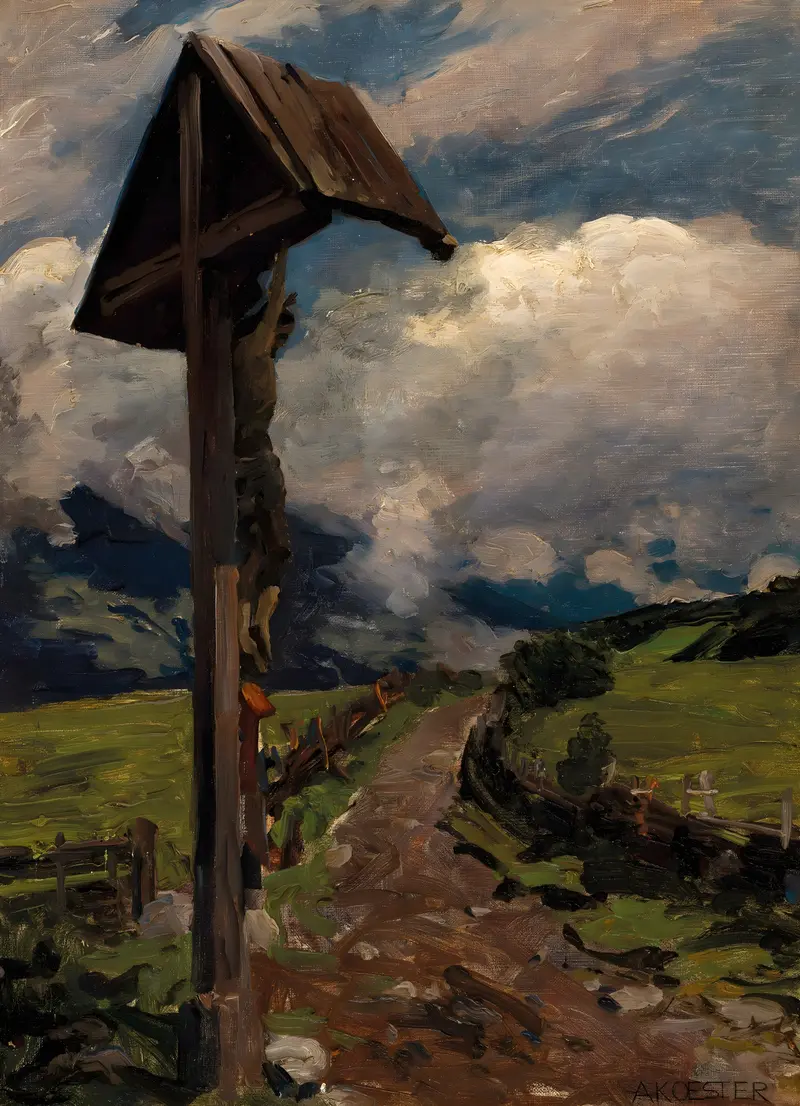
A Wayside Shrine
Alexander Koester
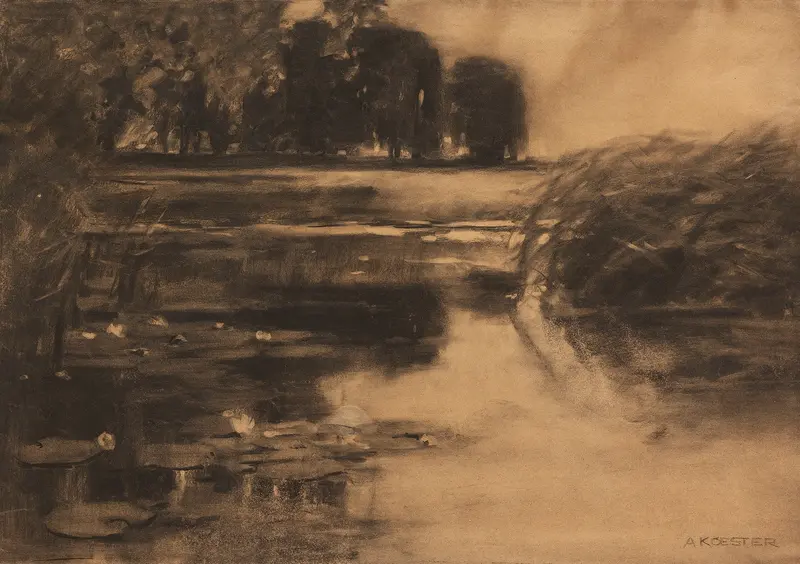
Wasserlandschaft
Alexander Koester
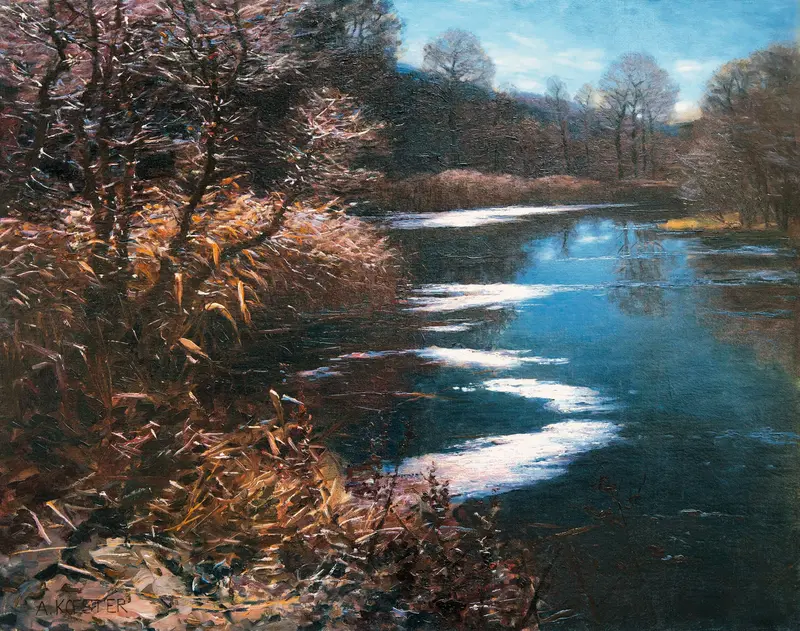
Altwasser bei Brixen
Alexander Koester
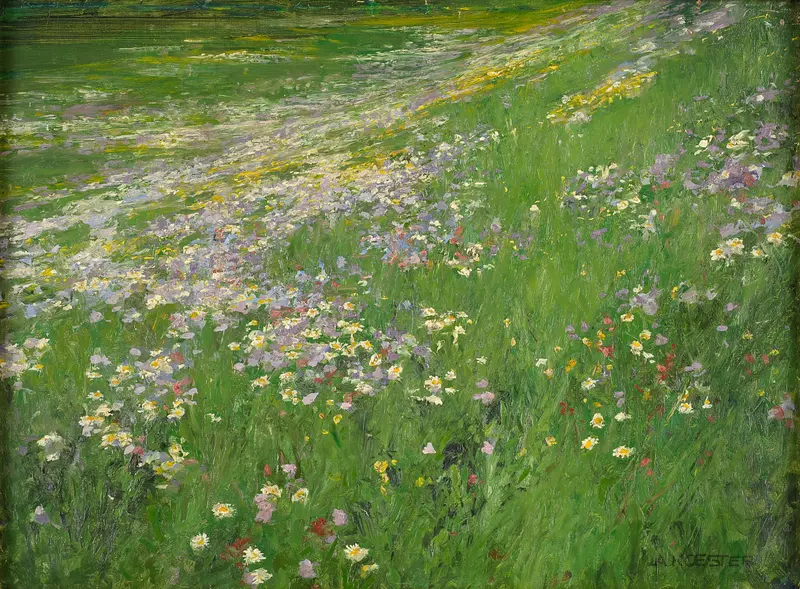
Blumenwiese bei Weßling
Alexander Koester
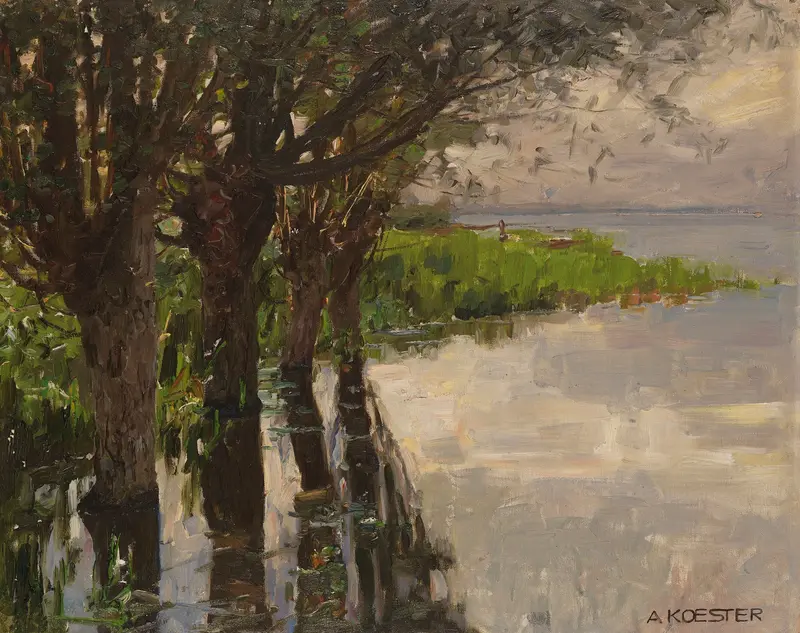
Reichenau, Weiden am See, Sonne
Alexander Koester
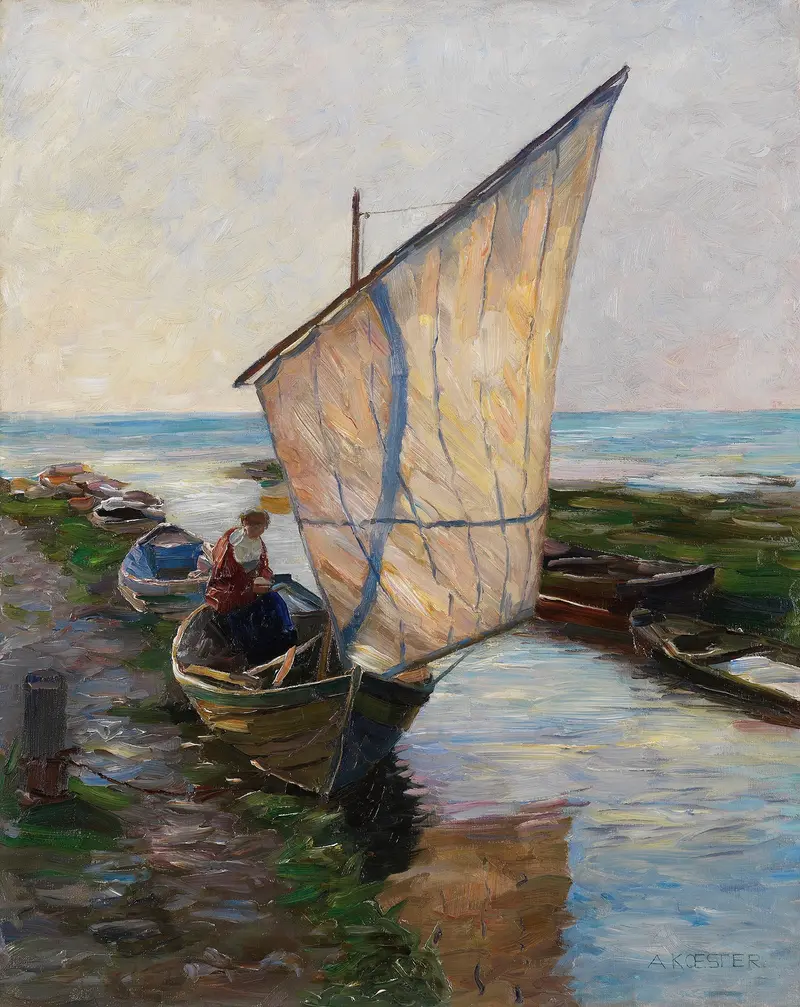
Segelboot, Holland
Alexander Koester





