
Dunes by the Baltic Sea I — History & Facts
Can paint confess what words never could? The stillness of the dunes invites a profound awakening, resonating with silent truths that linger just out of reach. Look to the left at the gentle undulations of sand, each rise and fall expertly rendered, capturing the essence of a wind-swept landscape. The soft, muted palette of beige and cool gray evokes a sense of tranquility, while subtle brushstrokes suggest the rippling movement of grains, whispering the stories of time. Notice how the light dances across the surface, illuminating the tops of the dunes and creating shadows that deepen the sense of depth, drawing the viewer into a contemplative space. Beneath this serene surface lies a complex interplay of solitude and beauty, evoking feelings of longing and introspection.
The expansive horizon, where land meets sky, speaks to the human desire for exploration and the search for meaning in the vastness of existence. Here, the artist captures a moment of quiet reflection, encouraging viewers to confront their own emotions as they stand before nature’s grand design. Adolf Dressler painted Dunes by the Baltic Sea I between 1850 and 1881, during a period marked by a growing interest in naturalism and landscape painting. Living in Germany, he was influenced by the Romantic movement and the changing perceptions of nature, which was increasingly seen as a source of solace and inspiration amidst the industrializing world.
This artwork reflects both the artist's personal journey and the broader artistic dialogue of the time, showcasing a reverence for the natural landscape that resonates deeply with audiences today.
More Artworks by Adolf Dressler
Browse all →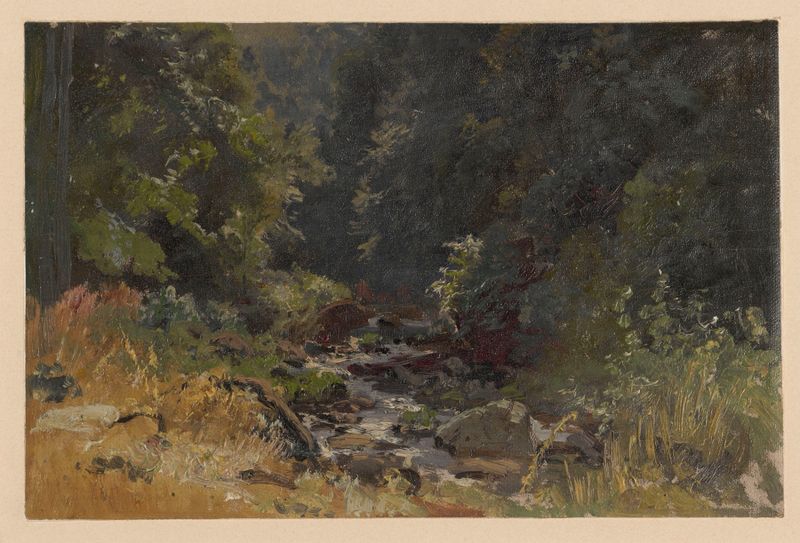
The Pełcznica Stream
Adolf Dressler
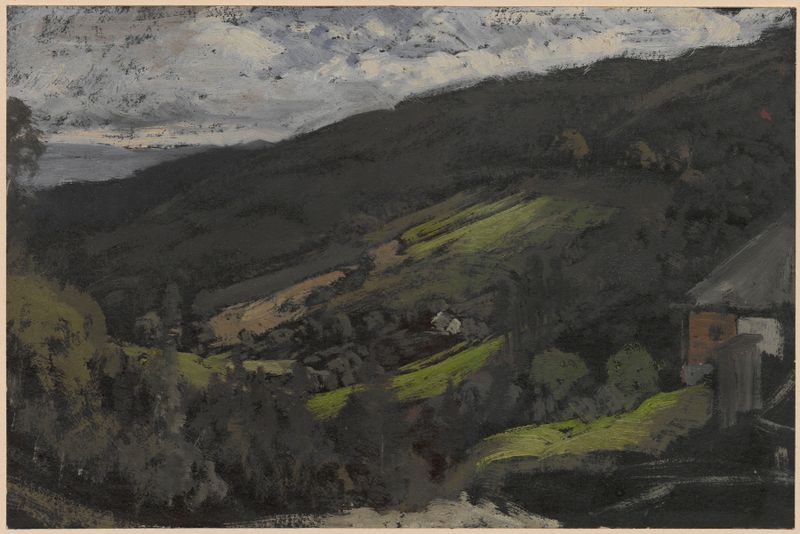
View of Przesieka
Adolf Dressler

By the River Barycz
Adolf Dressler
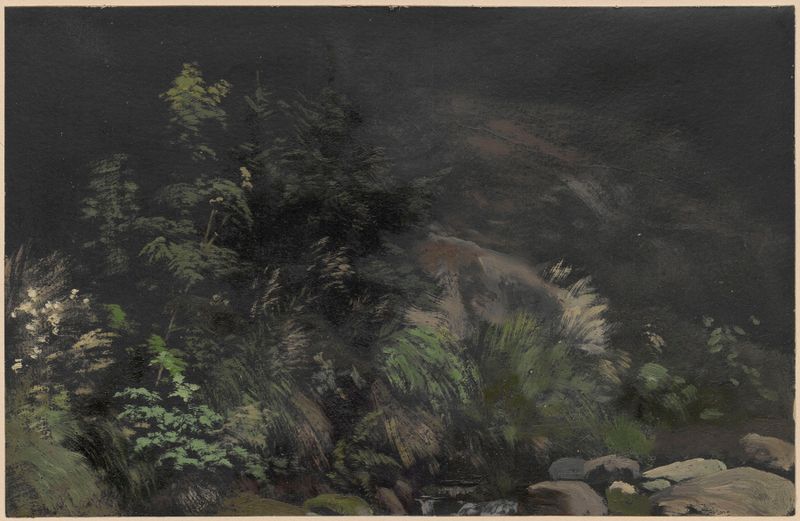
Plants on rocks
Adolf Dressler

Trees in a meadow near Jelcz
Adolf Dressler
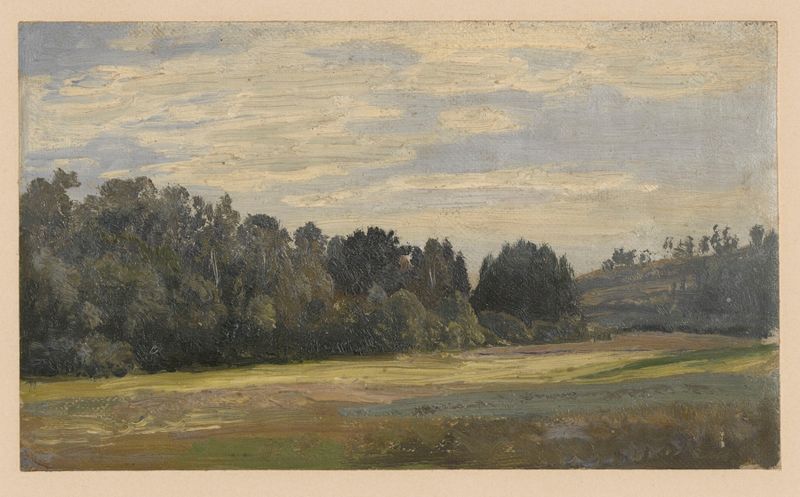
Landscape near Trzebnica
Adolf Dressler

The River Czyżynka valley near the Cisy Castle
Adolf Dressler
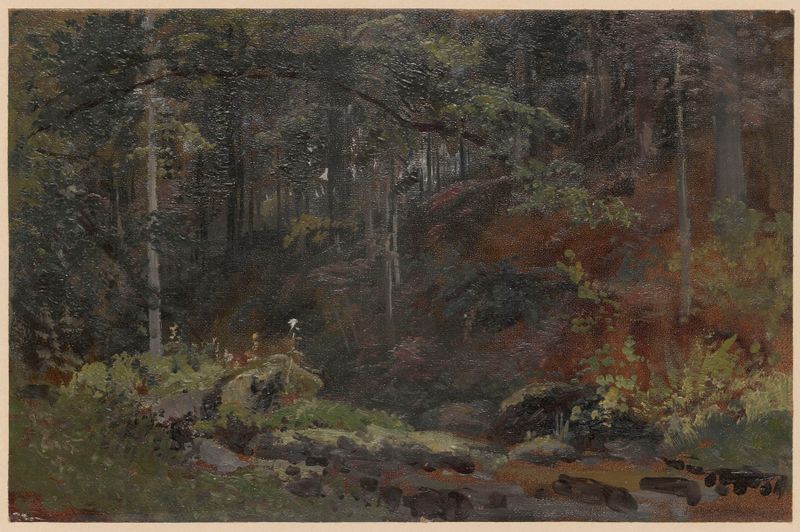
Forest stream II
Adolf Dressler
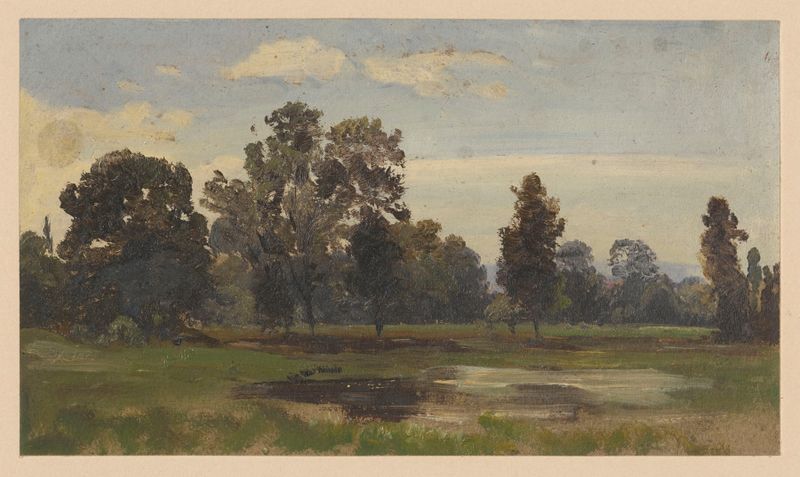
Landscape by the River Barycz.
Adolf Dressler

Rocky slope with a stream
Adolf Dressler





