
Dunkerque; L’arrière-Port — History & Facts
What if beauty was never meant to be finished? In the delicate strokes of a bygone era, longing for a world that feels both familiar and distant lingers like a whisper in the wind. Focus on the horizon where soft blues and greens merge, blurring the lines between sky and water. Notice how the gentle brushwork captures the shimmering light that dances upon the surface, evoking a sense of tranquility. The composition is masterfully balanced, guiding the viewer's eye through the serene harbor, while distant boats slowly drift, inviting contemplation.
Each stroke feels like a reminiscence, echoing the artist’s quest to immortalize ephemeral moments. Beneath the peaceful surface lies a tension of nostalgia and impermanence. The juxtaposition of the tranquil water against the faint, faded outlines of ships speaks to the passage of time and the memories that slip away. The stillness evokes a yearning for the simplicity of life and the beauty of memories untouched by the chaos of modernity.
One can almost hear echoes of laughter and the faint sounds of distant sails, symbols of lives that once thrived in this harbor. In 1857, while creating Dunkerque; L’arrière-Port, Corot was deeply immersed in the evolving world of landscape painting. Based in France, he was influenced by the burgeoning Impressionist movement, which sought to capture the essence of light and atmosphere. This period marked a transition for him, as he moved towards more spontaneous expressions, reflecting both his personal experiences and the societal changes around him.
More Artworks by Jean-Baptiste-Camille Corot
Browse all →
View of Genoa
Jean-Baptiste-Camille Corot
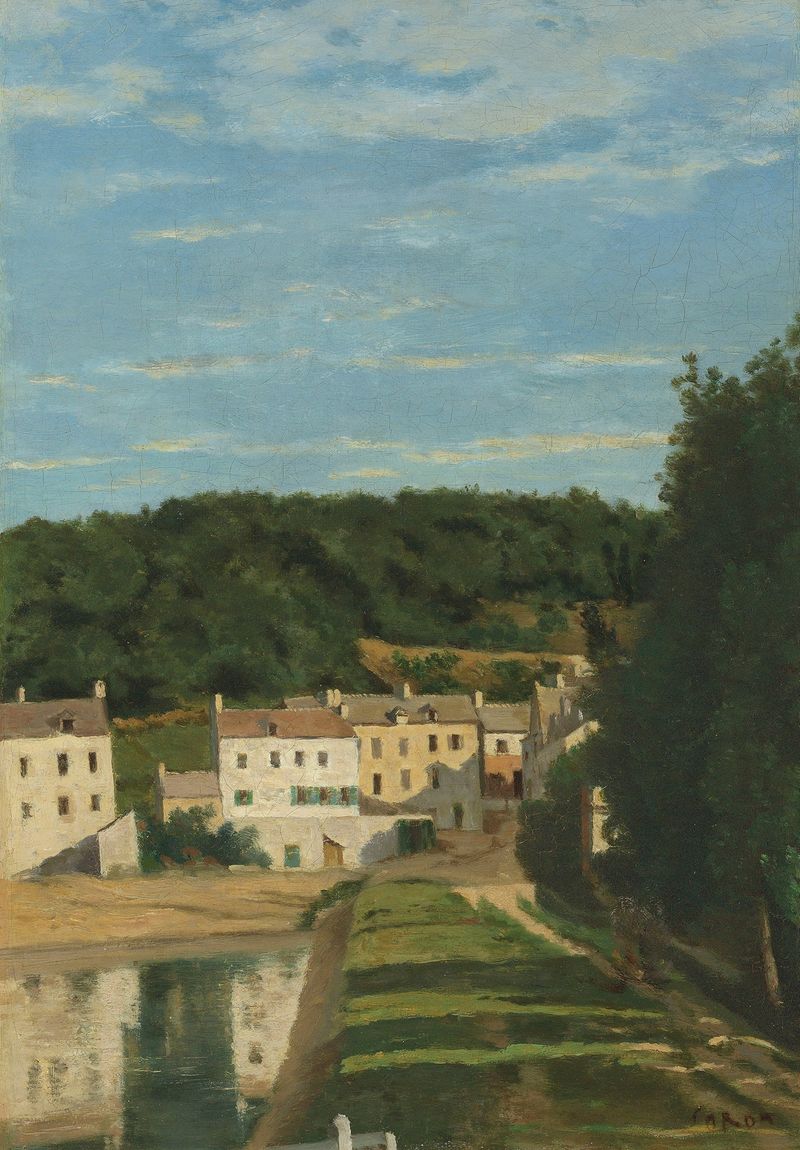
Les Maisons Cabassud À Ville D’avray
Jean-Baptiste-Camille Corot

La solitude. Souvenir de Vigen (Limousin)
Jean-Baptiste-Camille Corot
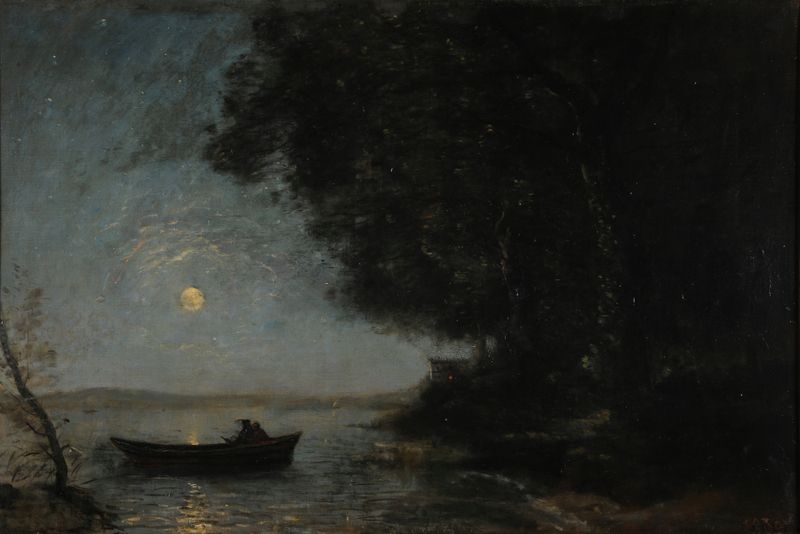
Le lac ; effet de nuit
Jean-Baptiste-Camille Corot
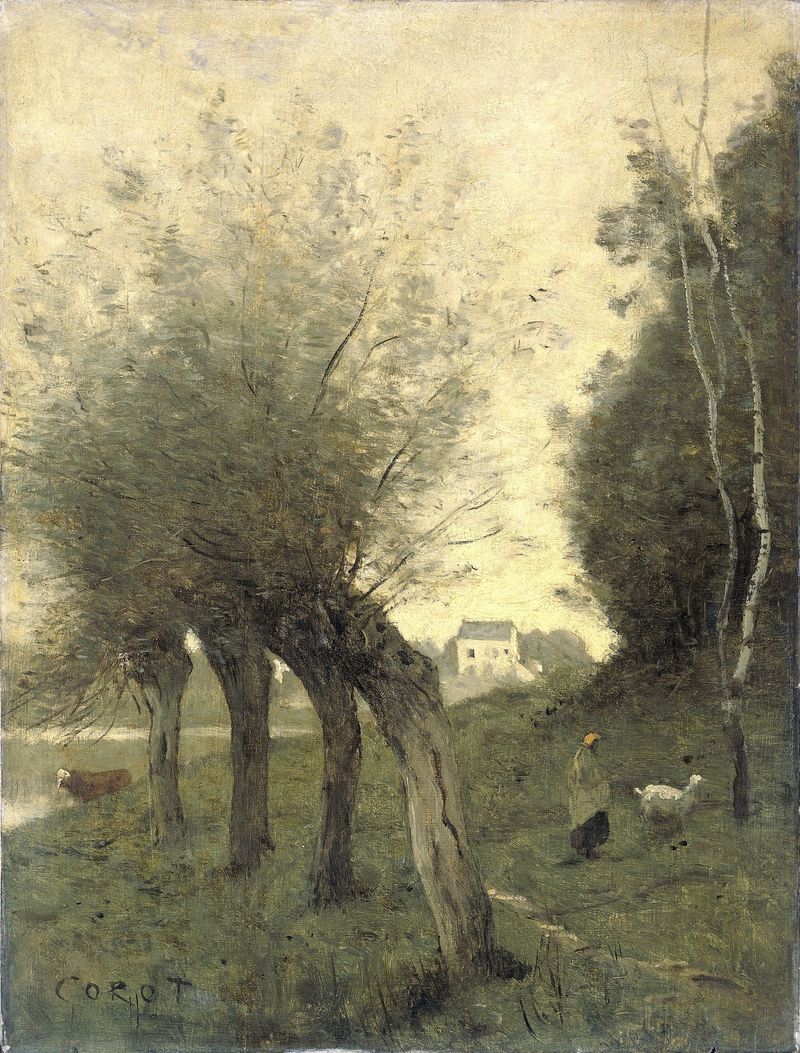
Landscape with Pollard Willows
Jean-Baptiste-Camille Corot
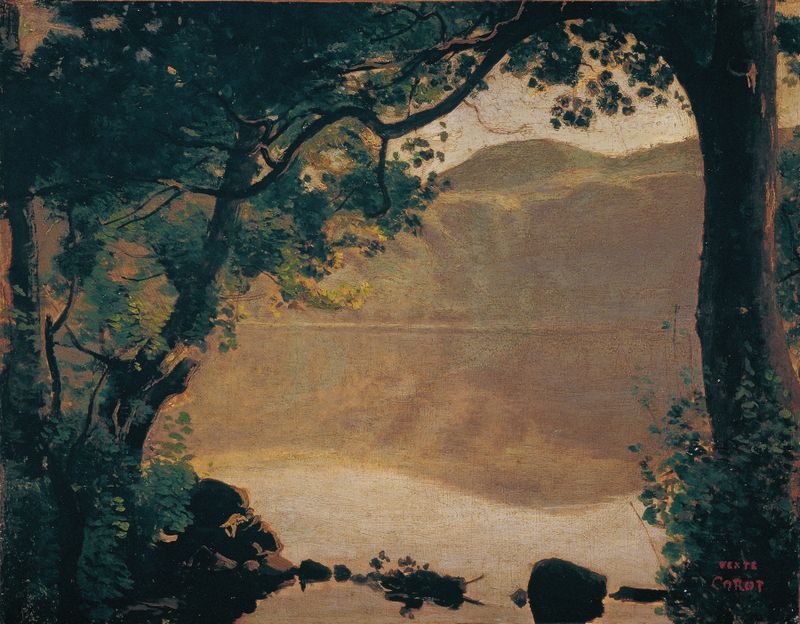
Der Nemisee
Jean-Baptiste-Camille Corot
Les Étangs De Ville D’avray
Jean-Baptiste-Camille Corot
Pond in the Woods
Jean-Baptiste-Camille Corot
Ville D’avray; L’abreuvoir Des Chevaux
Jean-Baptiste-Camille Corot
Le vallon au cavalier
Jean-Baptiste-Camille Corot





