
Dunkerque, Une pêcheuse de crevettes — History & Facts
Who listens when art speaks of silence? In Dunkerque, Une pêcheuse de crevettes, a quiet transformation unfolds, inviting the viewer to witness the delicate balance between nature and human existence. Look to the left, where the gentle curve of the shoreline cradles an otherwise tranquil beach scene. The soft strokes of Corot’s brush reveal the subtle interplay of light upon the sea, reflecting the muted colors of dawn. Notice how the pale hues of the sky mingle with the rich earth tones of the sand, drawing your gaze toward the solitary figure of the shrimp fisherman poised in serene contemplation.
The composition feels open yet intimate, as if the viewer is privy to a moment both mundane and profound. This artwork encapsulates the tension between solitude and connection. The figure, immersed in her task, seems to be both part of the landscape and apart from it, embodying the resilience of humanity amidst nature's vastness. The serenity of this scene is tinged with the weight of transformation; it whispers the story of labor, of survival, and of an eternal cycle where the natural world shapes human experience.
The muted palette reflects the bittersweet harmony of this existence, suggesting both tranquility and an unspoken struggle. Corot painted this work in 1857 during a period of personal evolution and artistic exploration. Living in France, he was immersed in the burgeoning Impressionist movement, which sought to capture fleeting moments with loose brushwork and an emphasis on light. This painting reflects his transitional style, bridging the classical influences of his earlier works with the more spontaneous approaches that would define his later career.
More Artworks by Jean-Baptiste-Camille Corot
Browse all →
View of Genoa
Jean-Baptiste-Camille Corot
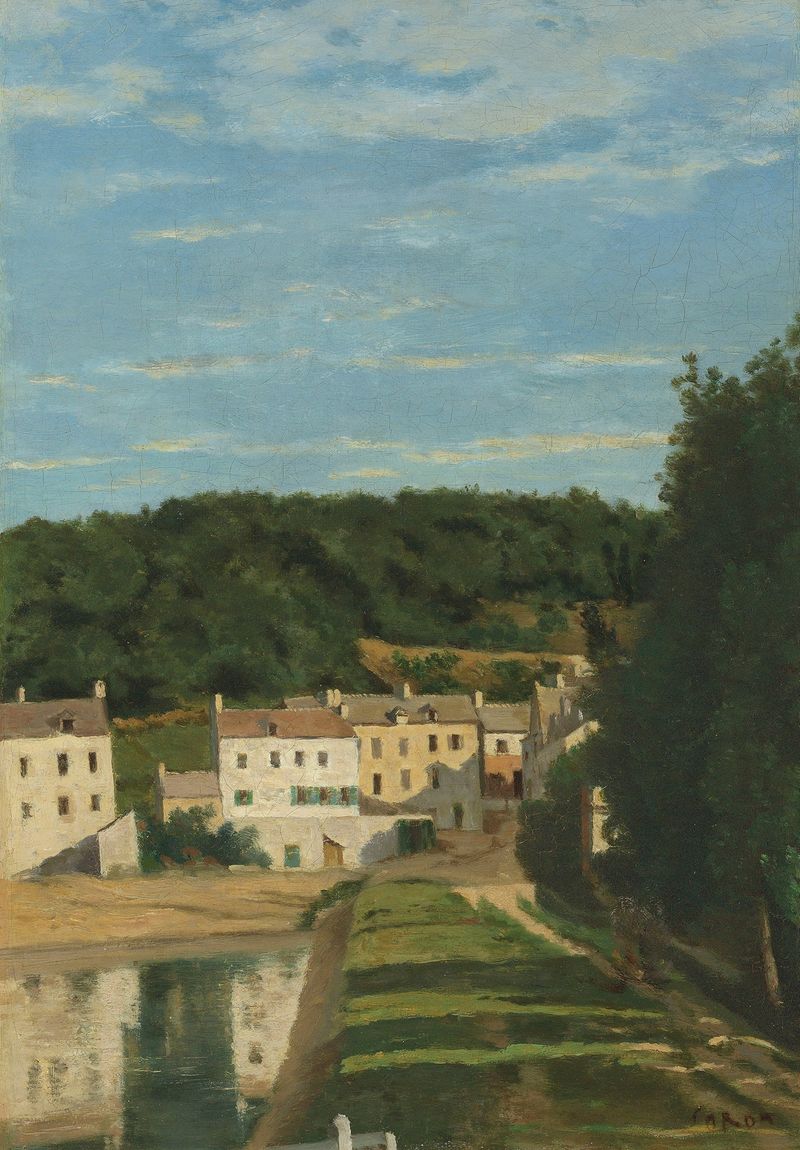
Les Maisons Cabassud À Ville D’avray
Jean-Baptiste-Camille Corot

La solitude. Souvenir de Vigen (Limousin)
Jean-Baptiste-Camille Corot
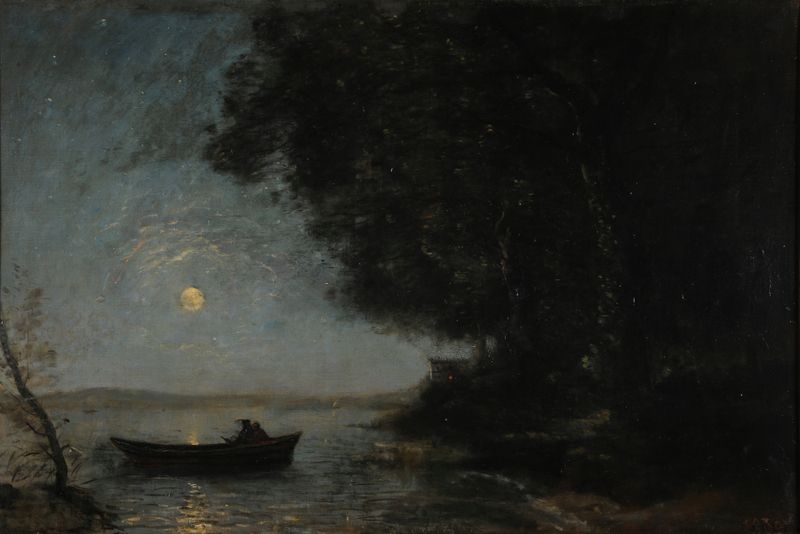
Le lac ; effet de nuit
Jean-Baptiste-Camille Corot
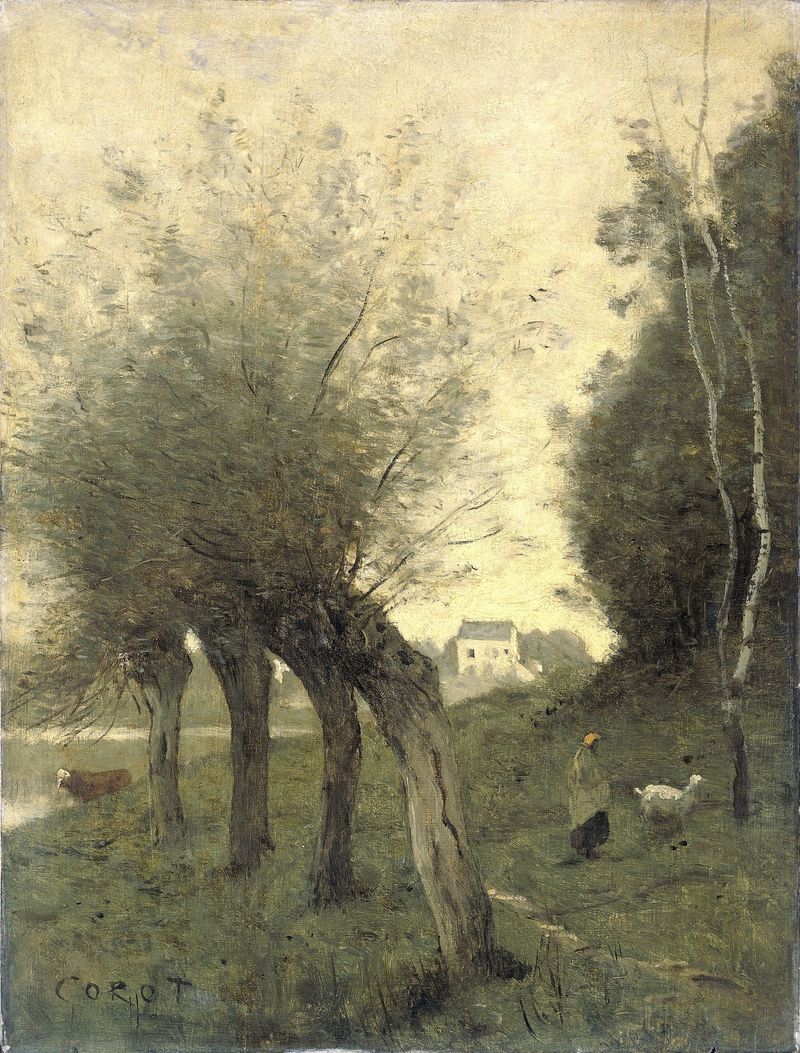
Landscape with Pollard Willows
Jean-Baptiste-Camille Corot
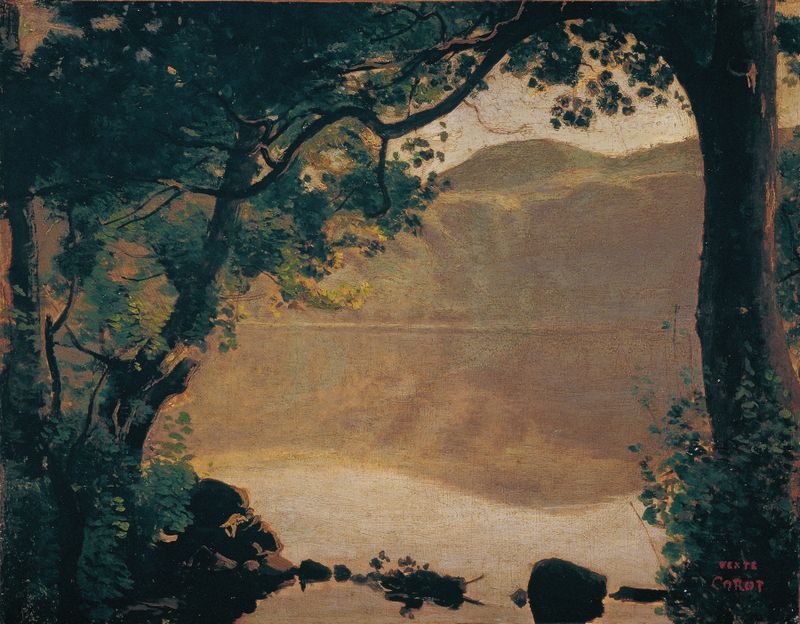
Der Nemisee
Jean-Baptiste-Camille Corot
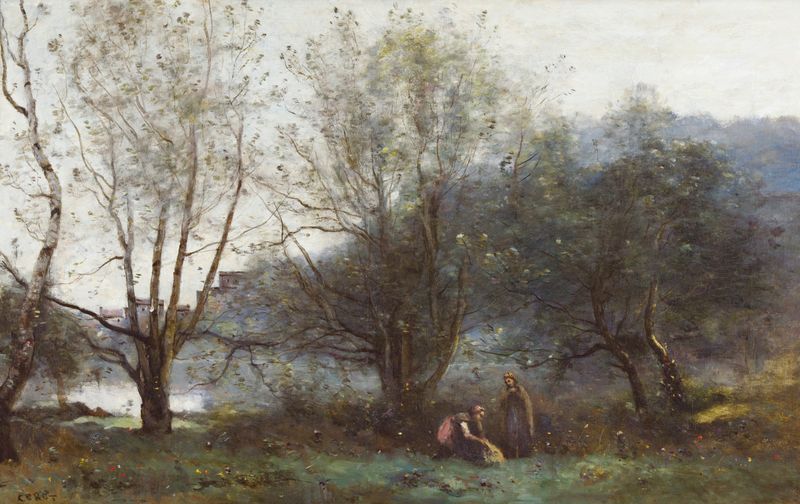
Les Étangs De Ville D’avray
Jean-Baptiste-Camille Corot
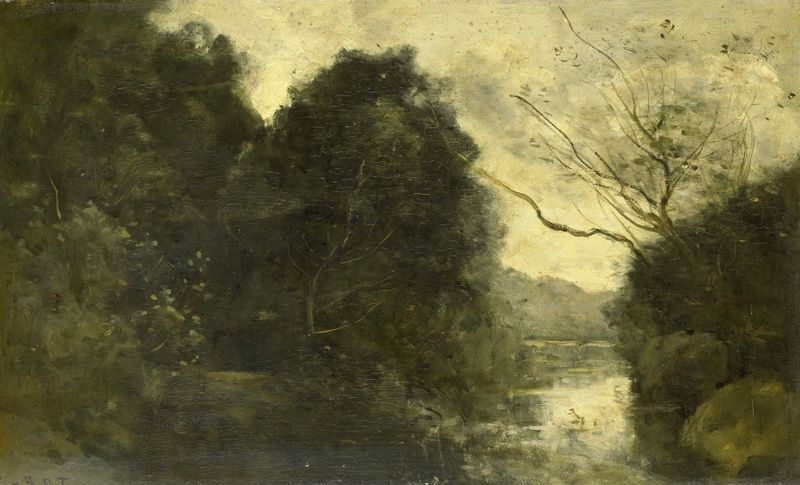
Pond in the Woods
Jean-Baptiste-Camille Corot
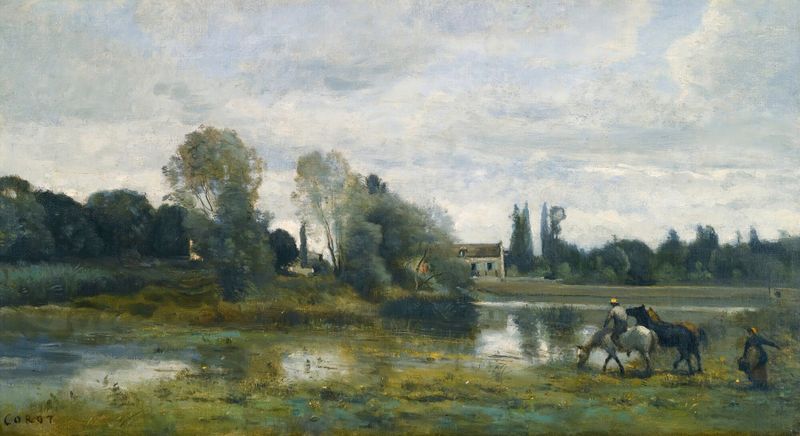
Ville D’avray; L’abreuvoir Des Chevaux
Jean-Baptiste-Camille Corot
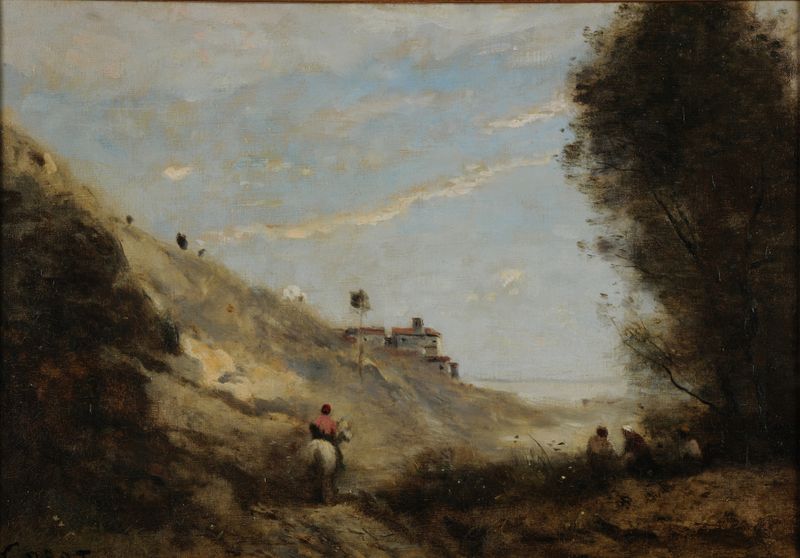
Le vallon au cavalier
Jean-Baptiste-Camille Corot





