
Dying White Oak — History & Facts
Is this a mirror — or a memory? In the stillness of Dying White Oak, the gnarled trunk stands as a testament to time’s relentless passage, inviting the viewer to confront both beauty and decay. Look closely at the intricate textures of the bark, where deep fissures meet the delicate play of light. The muted palette of browns and greys emphasizes the oak’s frailty, drawing your eye to the show of shadows that dance across its surface. Notice how the faint, ethereal glow from above suggests a world beyond — a whisper of life that continues to inhabit the background, hinting at the contrast between existence and oblivion. The oak, though dying, embodies a profound truth about resilience and transformation.
Each crack and knot tells a story of endurance against the elements, while the surrounding foliage, lush yet distant, symbolizes the life that remains intertwined with death. This duality evokes a sense of nostalgia — a silent recognition of the inevitable march of time that renders all things vulnerable, yet beautiful. Ernest Haskell created Dying White Oak between 1900 and 1925, during a period marked by a burgeoning interest in American Impressionism. Living in the wake of the Industrial Revolution, Haskell found inspiration in nature’s fleeting moments, reflecting society's growing awareness of environmental change.
This piece illustrates not only his artistic evolution but also a contemporary contemplation of the natural world and humanity's place within it.
More Artworks by Ernest Haskell
Browse all →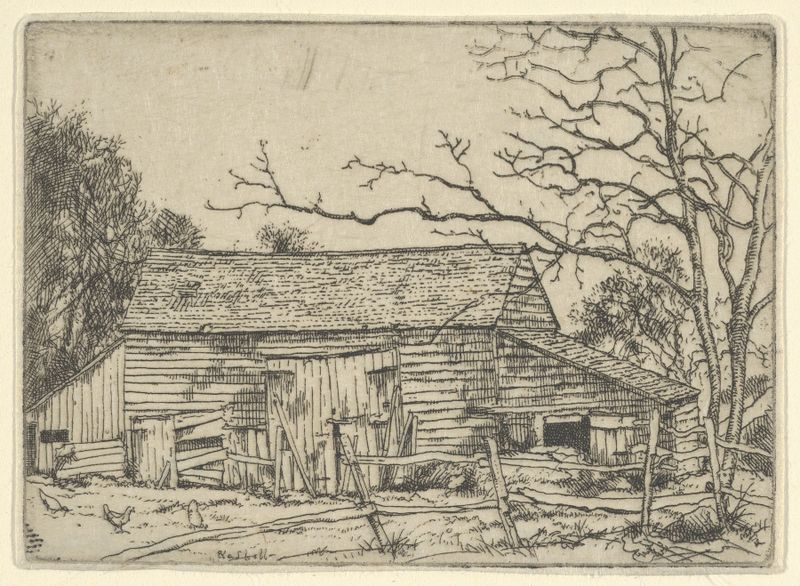
The Barn–Staten Island, N.Y.
Ernest Haskell

Four Live Oaks
Ernest Haskell
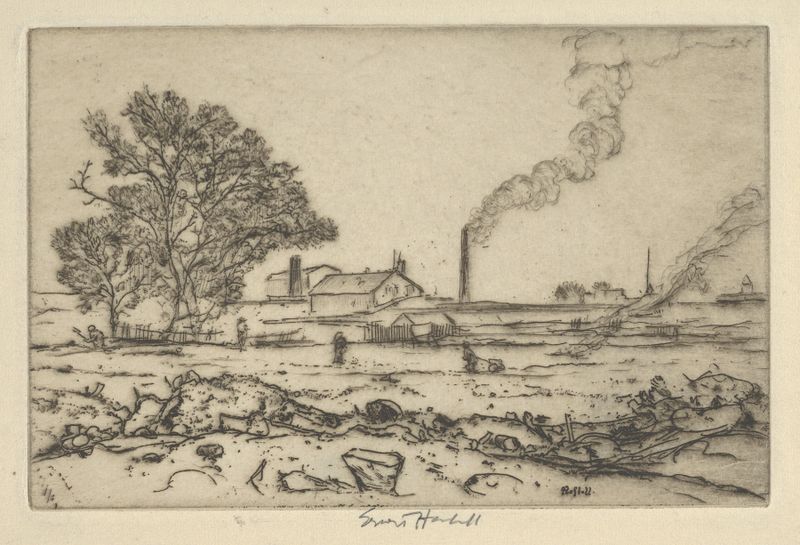
Outskirts of Boston
Ernest Haskell
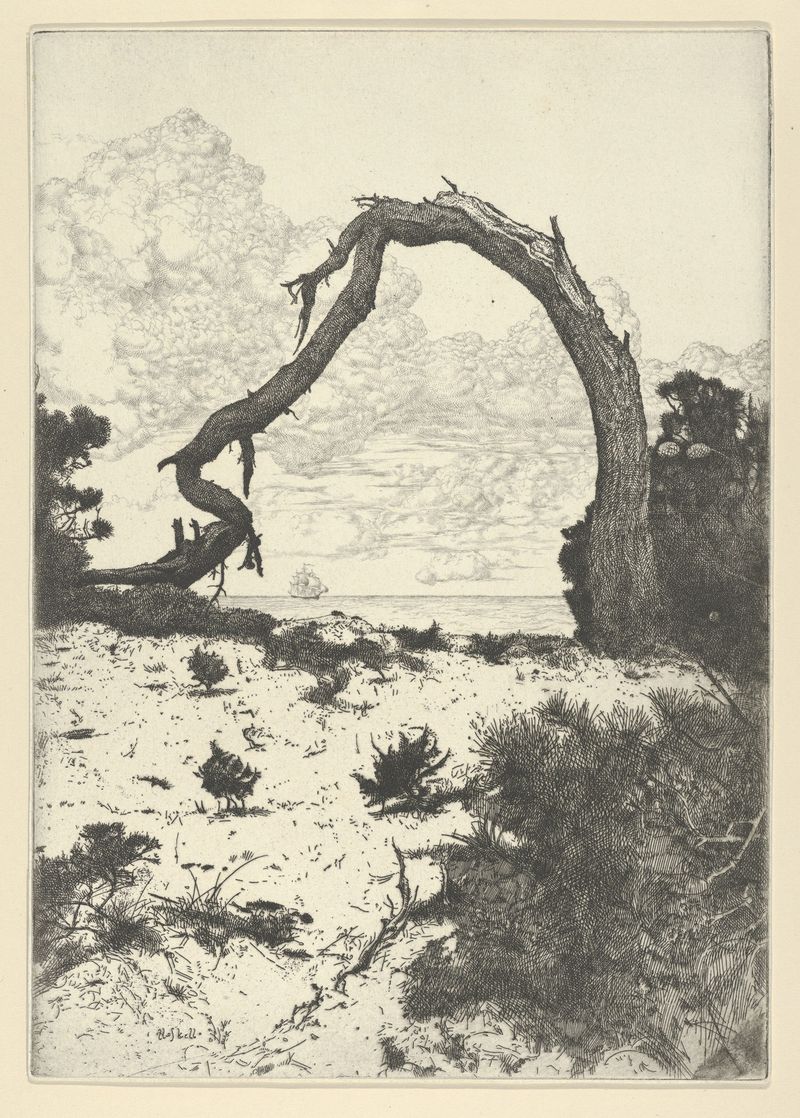
Pine Arch
Ernest Haskell

General Sherman
Ernest Haskell
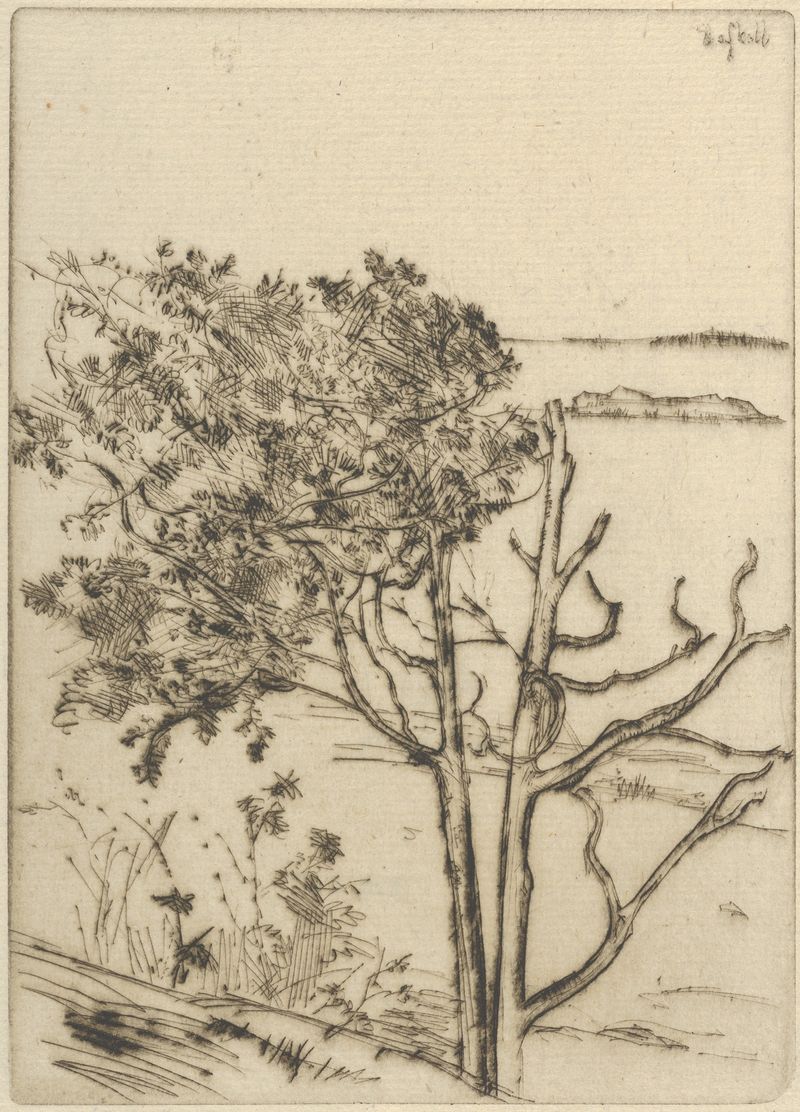
Ragged Tree – Maine
Ernest Haskell

Tide Mill
Ernest Haskell

Ship Building
Ernest Haskell
To the Southward – Ragged Island, Me.
Ernest Haskell
Long Island Marshes
Ernest Haskell





