Early Evening — History & Facts
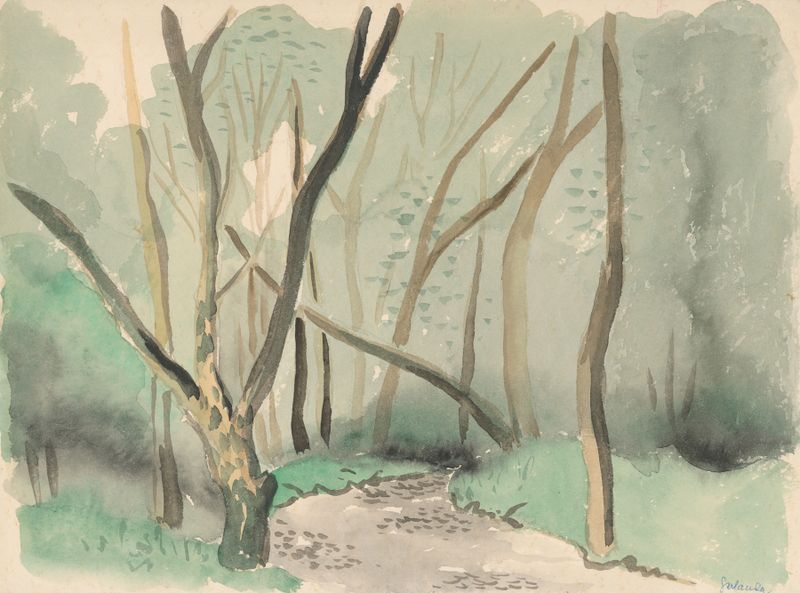
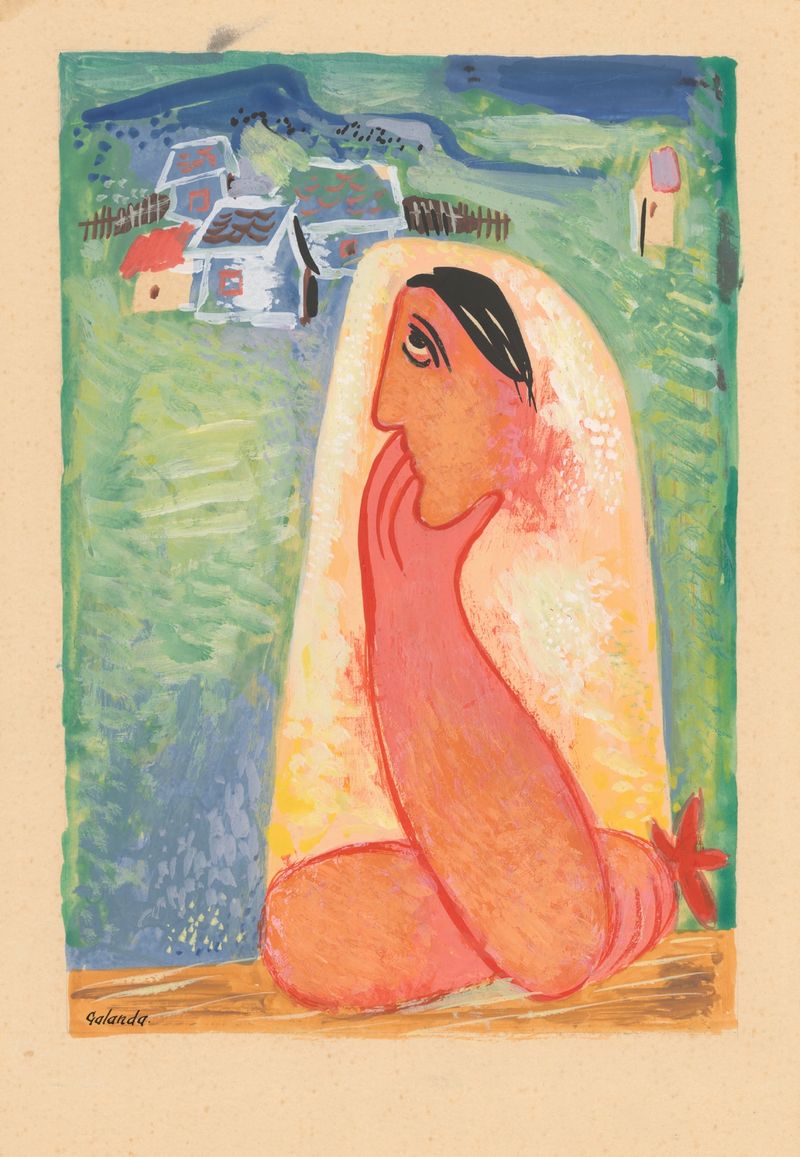
In the delicate interplay of hues, innocence emerges as a profound theme, waiting to be unveiled. Look to the center of the canvas, where soft pastels swirl in harmonious patterns, inviting the eye to linger. The gentle brushstrokes evoke a sense of fluidity, leading you to notice the intertwining forms that suggest both figures and landscapes. The muted palette, combining pale blues and warm ochres, captures the tranquil essence of twilight, while the faintest hint of light imbues the scene with ethereal warmth, creating a palpable tension between the emerging night and the remnants of day. Within this serene portrayal lies the complexity of innocence, juxtaposed with the encroaching darkness.
The delicate figures, almost ghost-like, seem suspended in time, evoking a poignant nostalgia for a fleeting moment of purity. Their expressions, though gentle, hint at an underlying tension, as if the tranquility is merely a veil over deeper emotions or unspoken truths. This duality invites contemplation on the fragility of innocence in the face of life's inevitable transitions. During the years 1932 to 1933, the artist found himself in Slovakia, surrounded by a world grappling with the economic turmoil of interwar Europe.
Emerging as a key figure in the Slovak modernist movement, he sought to convey the emotional depth of human experience through his art. This period was marked by a quest for national identity and artistic innovation, as Galanda navigated the delicate balance between personal expression and broader social themes, culminating in the evocative work that is Early Evening.