The Adriatic — History & Facts
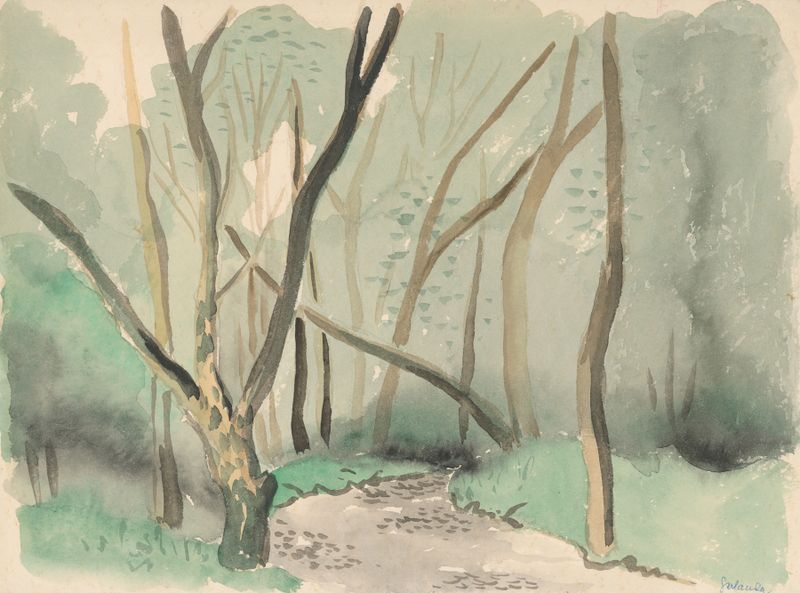
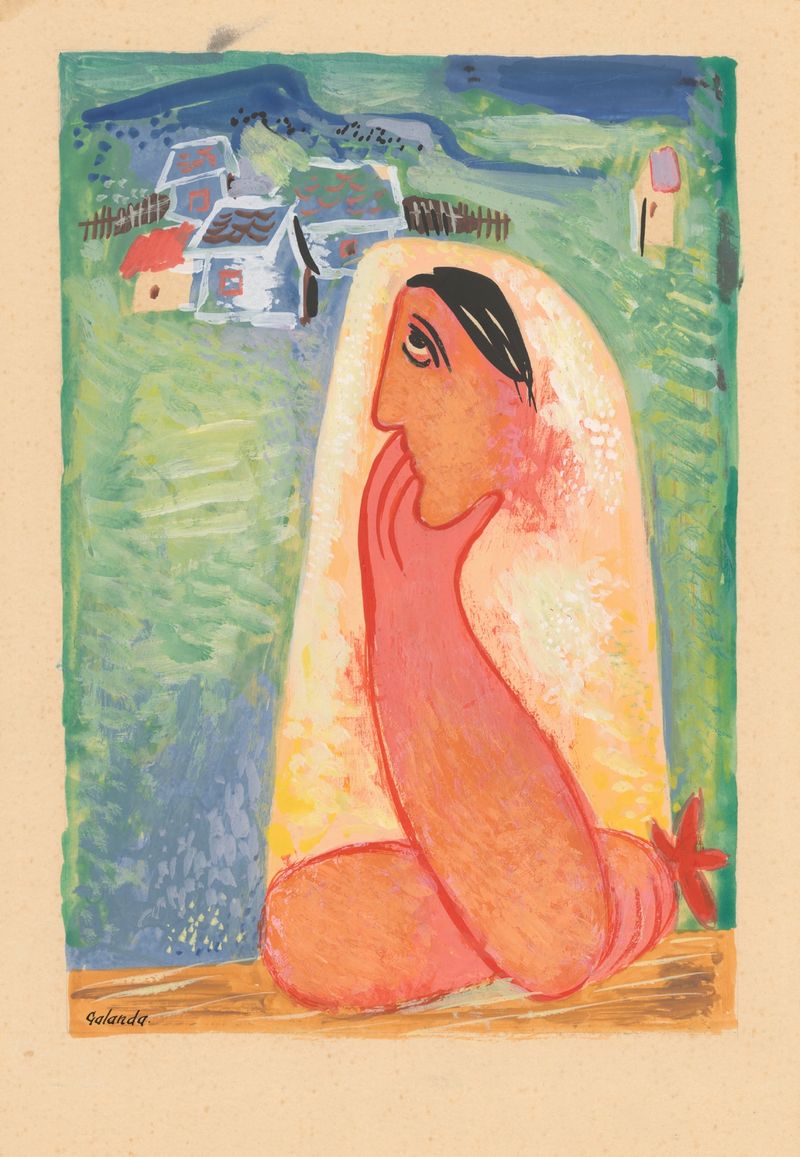
When did color learn to lie? In the depths of the canvas, hues mingle and whisper secrets of fragility, beckoning the viewer to question the very nature of reality. Look to the left at the soft, undulating waves, their blues and greens merging in a dance of tranquility and tension. Notice how the brushstrokes pulse with life, each stroke a heartbeat of the sea, reflecting a light that seems to flicker with a deceptive warmth. The horizon, a delicate line between the cerulean sky and the restless water, draws the eye toward the center, where the merging colors hint at an unseen force beneath the surface. As you explore further, small details emerge: the subtle shift in shading that evokes the ebbs and flows of tides, or the almost imperceptible hints of darker tones that suggest lurking depths.
This interplay between light and shadow speaks to the fragility of perception—what is seen is often not what is felt. The juxtaposition of calmness and the eerie promise of the unknown creates an emotional tension that resonates long after one steps away from the painting. In 1935, Mikuláš Galanda painted this work during a period marked by significant upheaval in Europe. Living in Slovakia, he was influenced by the burgeoning avant-garde movements while wrestling with the complexities of his identity amid the cultural shifts of the time.
This era of experimentation informed the use of color and form, revealing both personal and collective struggles through the lens of the Adriatic.