
Ecclesia S. Laurentii (T. Antonini et Faustinae) — History & Facts
What if silence could speak through light? In the hushed embrace of a sacred space, memory lingers, held delicately within the interplay of shadow and illumination. Look to the center of the canvas, where the grand altar rises, bathed in a soft, ethereal glow. Notice how the light cascades from above, illuminating intricate carvings and casting gentle shadows that dance along the stone walls. The palette of muted earth tones complements the solemnity of the scene, while hints of gold capture the viewer's gaze, drawing attention to the sacred details that define the architecture and the figures gathered in reverent stillness. The juxtaposition of the darkened corners and the luminous altar evokes a sense of spiritual introspection, suggesting a dialogue between the divine and the mundane.
Each figure, almost ghostly in their stillness, appears caught in the act of memory, as if time itself has paused to allow reflection. The meticulous brushwork reveals not only the beauty of the architecture but also the weight of silence, amplifying the emotional tension present in the gathering, where faith and remembrance converge. In 1882, Christoph Ziegler painted this work during a time when the art world was experiencing a shift towards more emotive and intimate representations of space. Living in Europe, Ziegler was influenced by the burgeoning interest in capturing the sacred through realism, making this piece a significant exploration of memory and spirituality in architectural form.
The painting stands as a testament to his dedication to portraying the nuances of light and shadow in evoking profound emotional responses.
More Artworks by Christoph Ziegler
Browse all →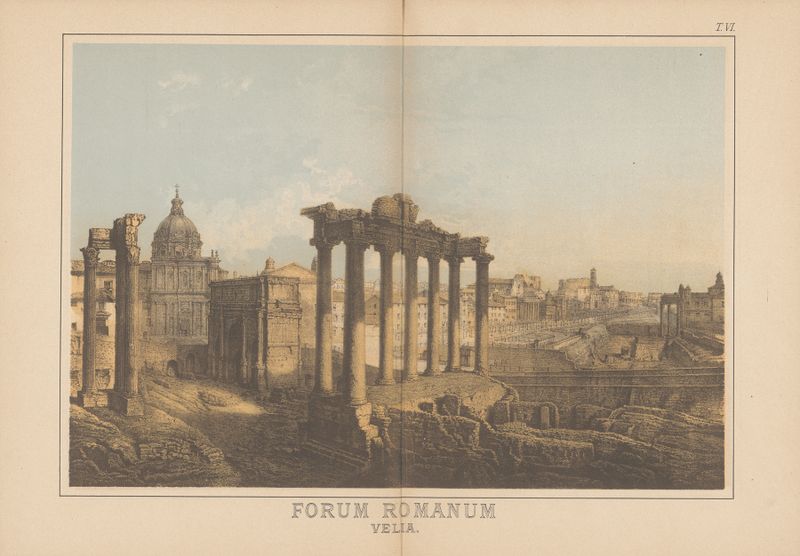
Forum Romanum
Christoph Ziegler
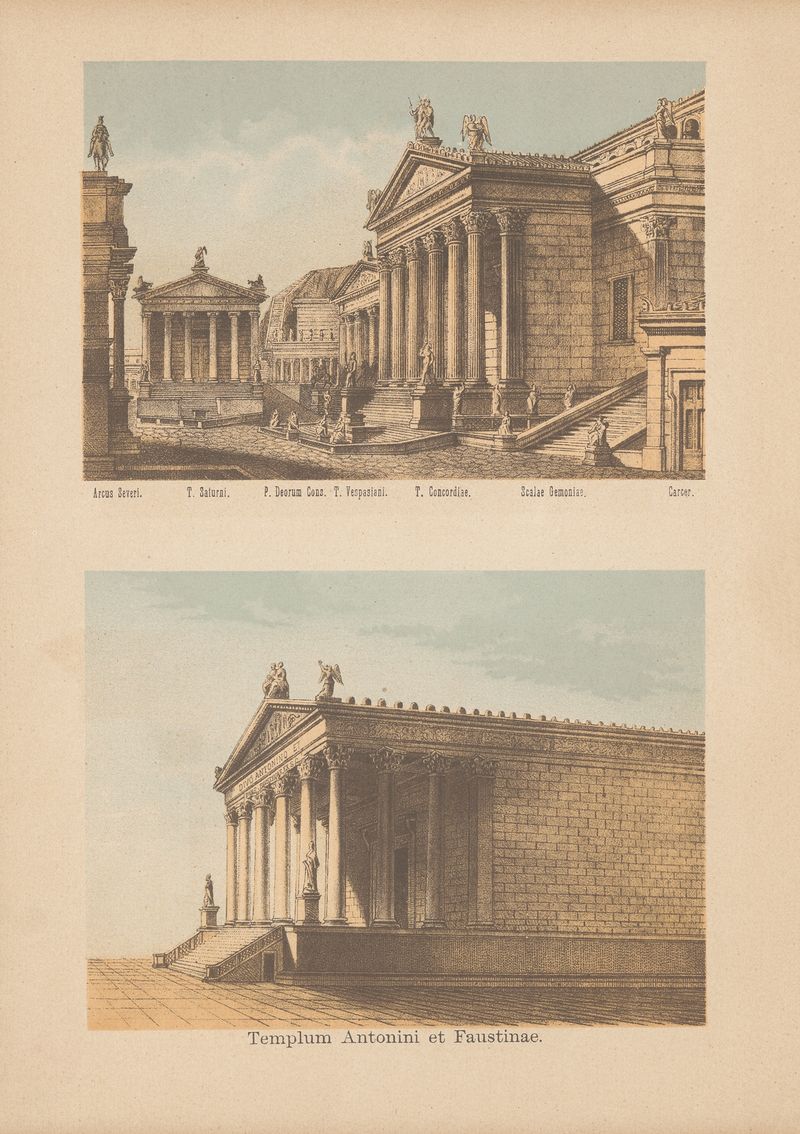
Templum Antonini et Faustinae
Christoph Ziegler
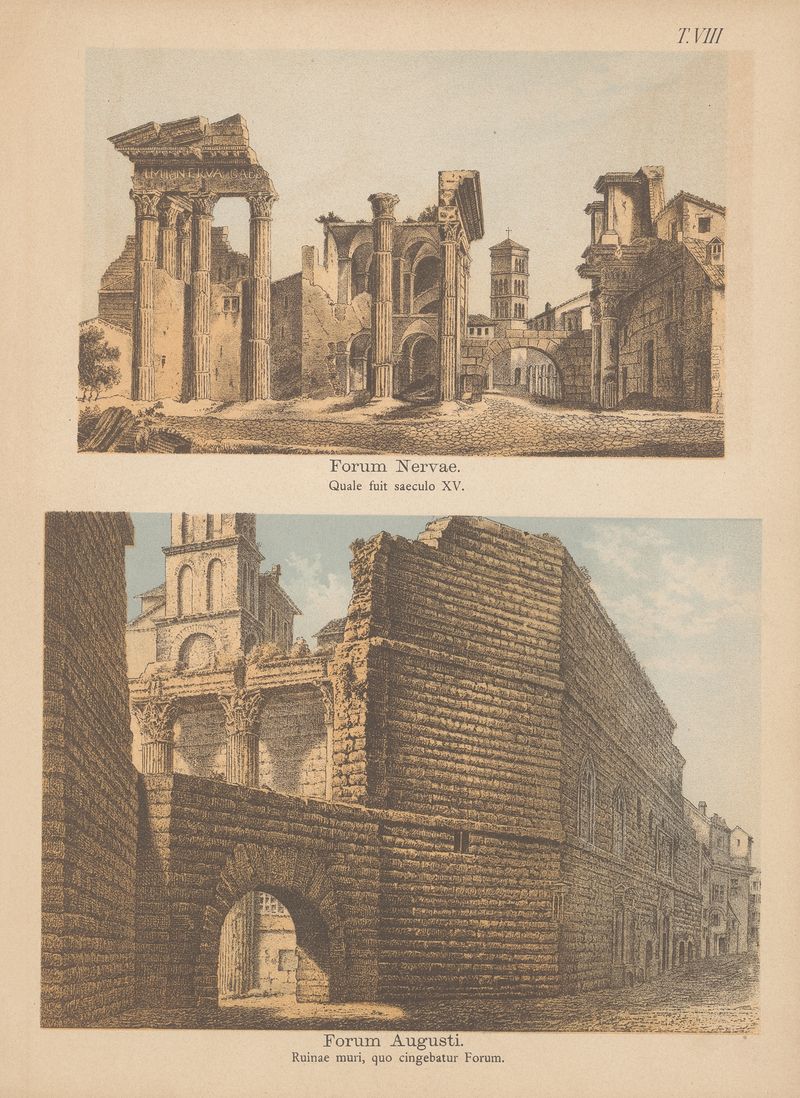
Forum Nervae, Forum Augusti
Christoph Ziegler
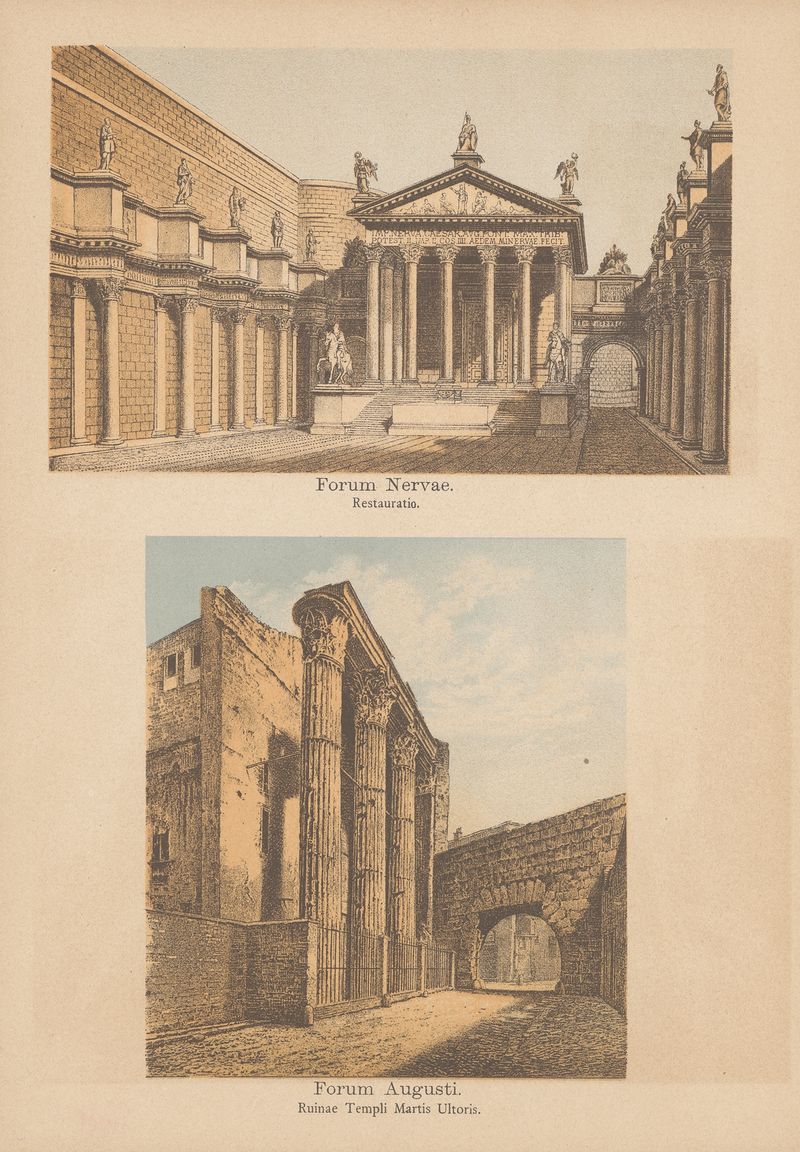
Forum Nervae, Forum Augusti
Christoph Ziegler
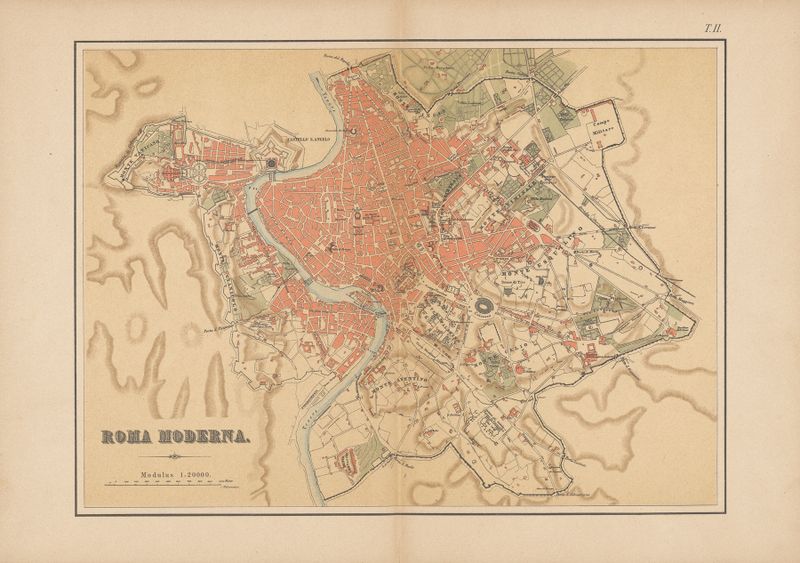
Plan des neuen Rom
Christoph Ziegler
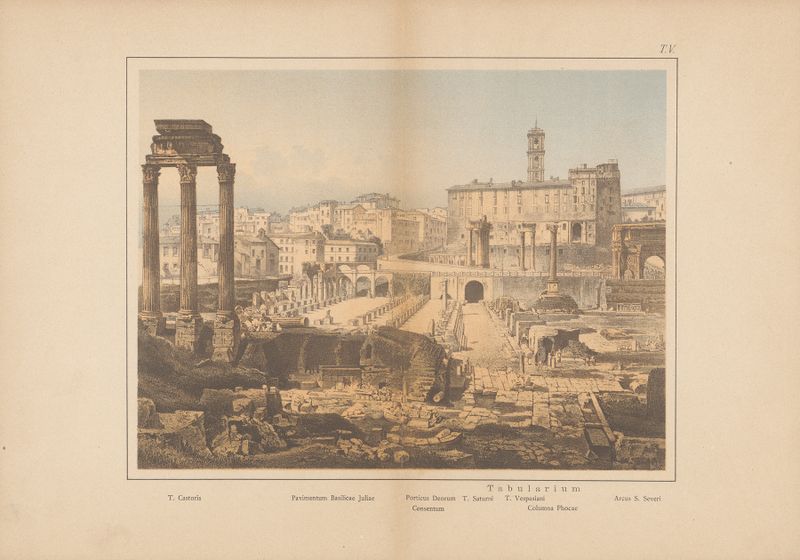
Tabularium
Christoph Ziegler
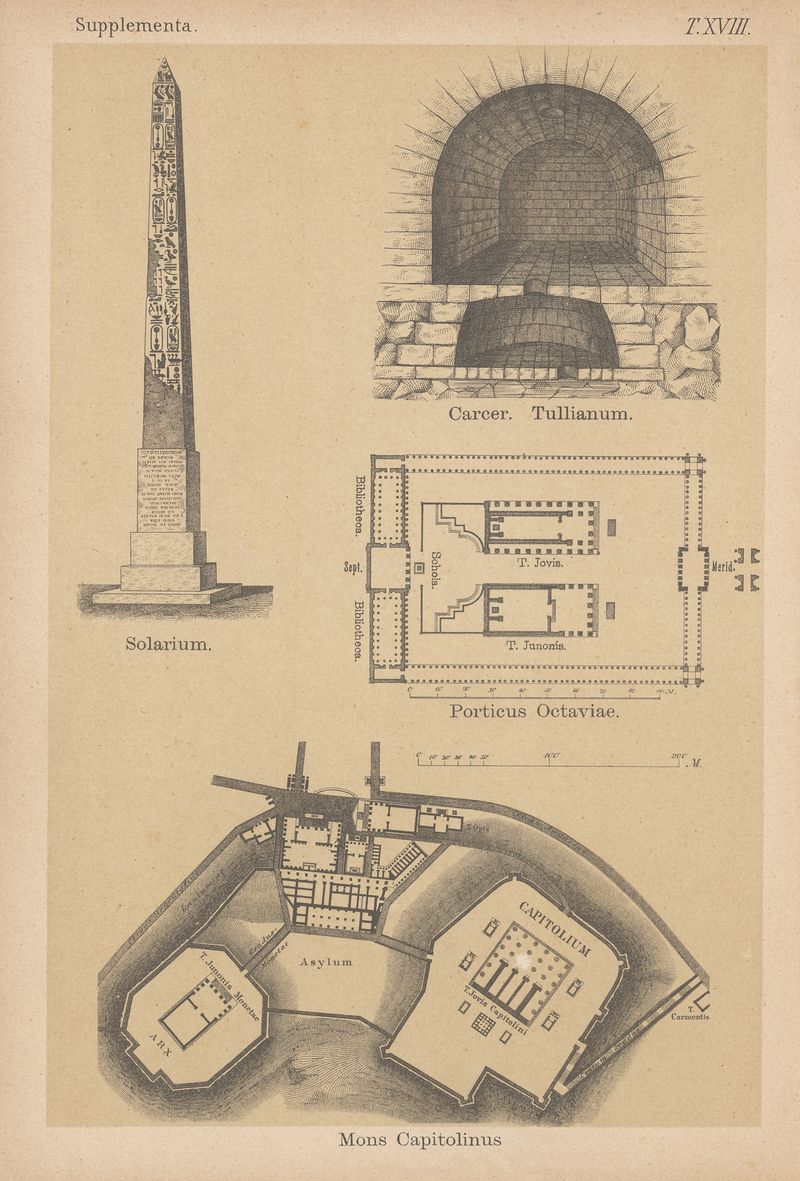
Mons Capitolinus
Christoph Ziegler
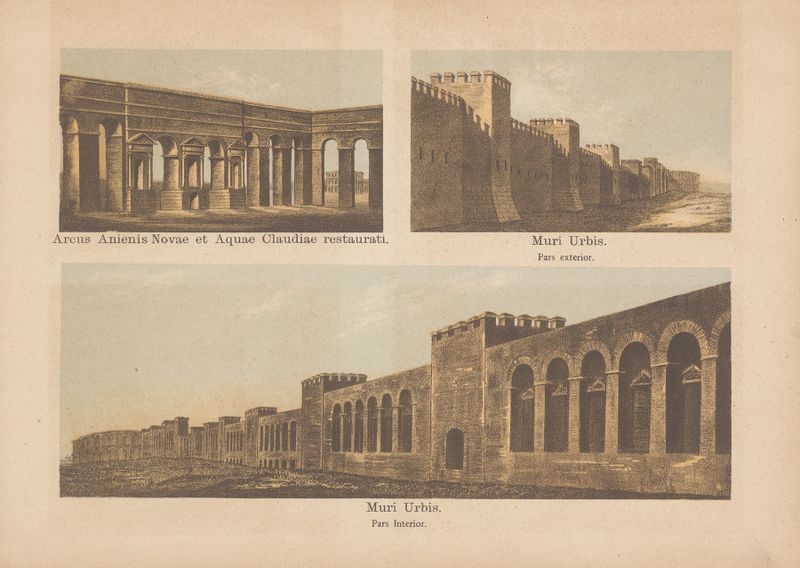
Arcus Anienis Novae, Muri urbis
Christoph Ziegler
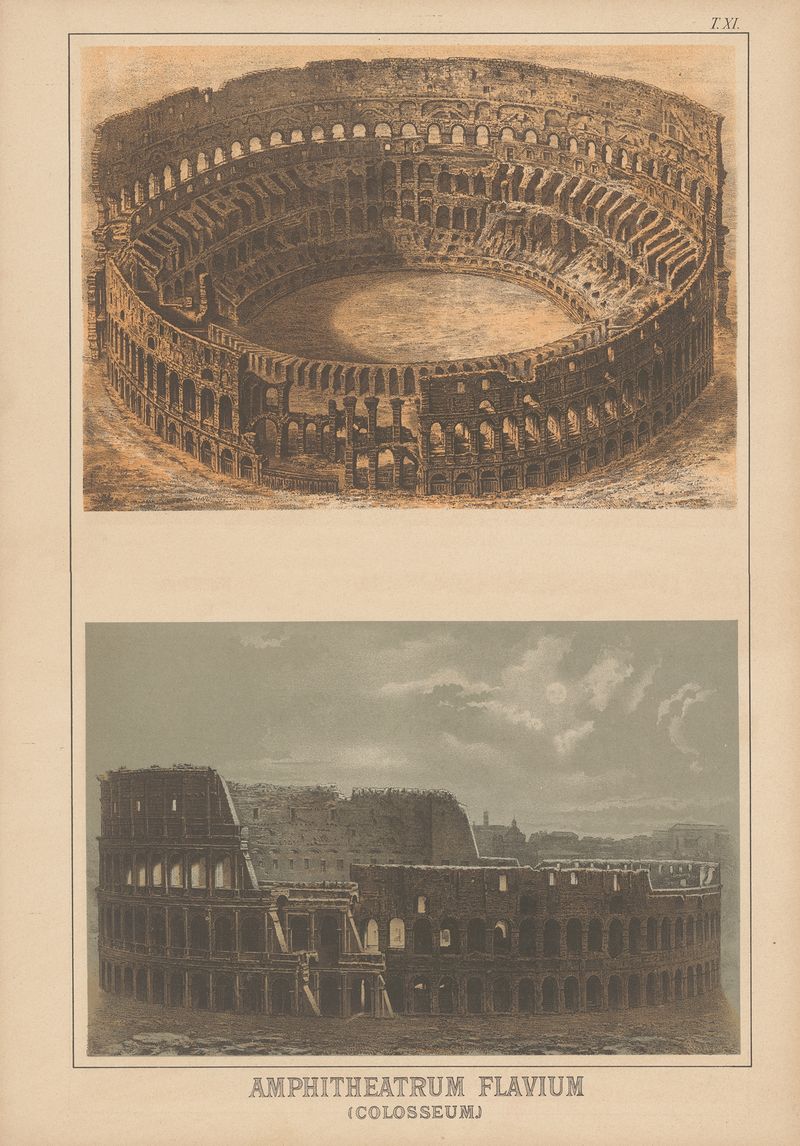
Amphitheatrum Flavium (Colosseum)
Christoph Ziegler
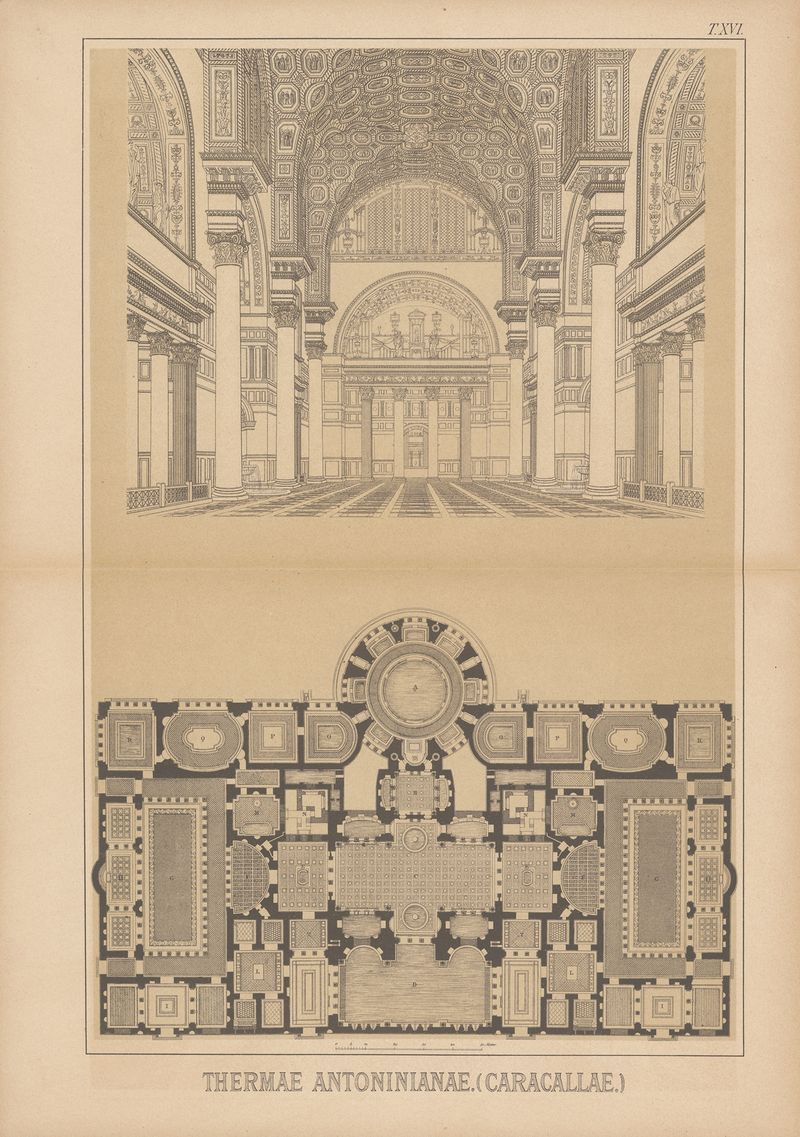
Thermae Antoninianae (Caracallae)
Christoph Ziegler
More Religious Art
Browse all →
The Return of the Prodigal Son
Rembrandt van Rijn

The Garden of Earthly Delights
El Bosco

Count Orgaz’ funeral
El Greco

The Hundred Guilder Print: the central piece with Christ preaching, the plate arched
Rembrandt van Rijn

The Descent from the Cross
Rogier van der Weyden

The return of the prodigal son
Rembrandt van Rijn