
Arcus Anienis Novae, Muri urbis — History & Facts
Can beauty exist without sorrow? In the shimmering contours of life, one often finds echoes of mortality entwined with grace. To appreciate Arcus Anienis Novae, Muri urbis, look closely at the archway that dominates the foreground, its stones weathered yet grand. The artist’s meticulous attention to detail imbues each brick with a whisper of history, each shadow cast revealing the play of light against timeworn surfaces. Notice how the soft hues of the sky transition from gold to azure, a subtle reminder of the fleeting moments that make up our existence.
The arch appears both inviting and forbidding, drawing the eye into the depths of the city while simultaneously hinting at the passage of time and inevitability of decay. Delve deeper, and the emotional tension unfolds: the juxtaposition of the arch's imposing strength against the ethereal light signifies resilience in the face of loss. The delicate brushwork in the background suggests distant buildings that seem to fade, embodying the transitory nature of human endeavors. This interplay between permanence and ephemerality captures the essence of life itself—where beauty flourishes alongside the shadows of sorrow, revealing a complex relationship between hope and despair. In 1882, Christoph Ziegler produced this piece during a time of artistic transition within Europe, where tradition began to blend with burgeoning modernity.
Living in Rome, he found inspiration in the remnants of ancient architecture, reflecting a world grappling with its past. As the art scene evolved, Ziegler’s work stood at the intersection of nostalgia and innovation, echoing the universal themes of mortality and beauty that resonate through generations.
More Artworks by Christoph Ziegler
Browse all →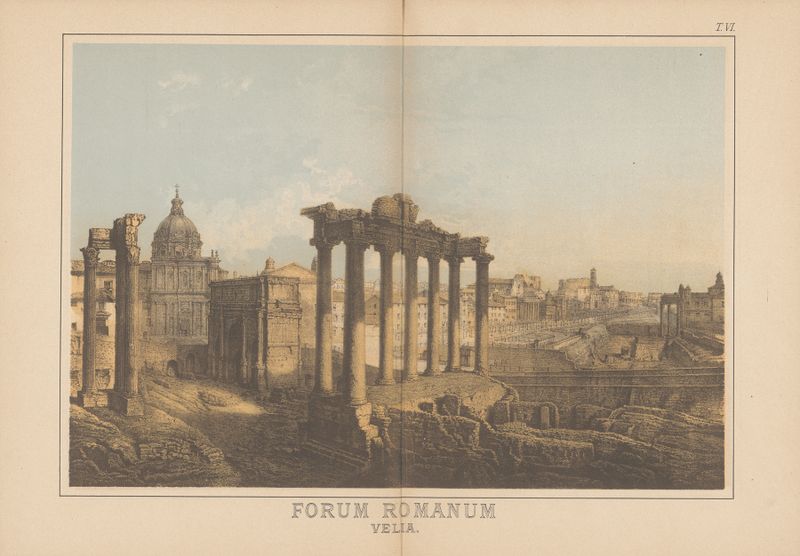
Forum Romanum
Christoph Ziegler
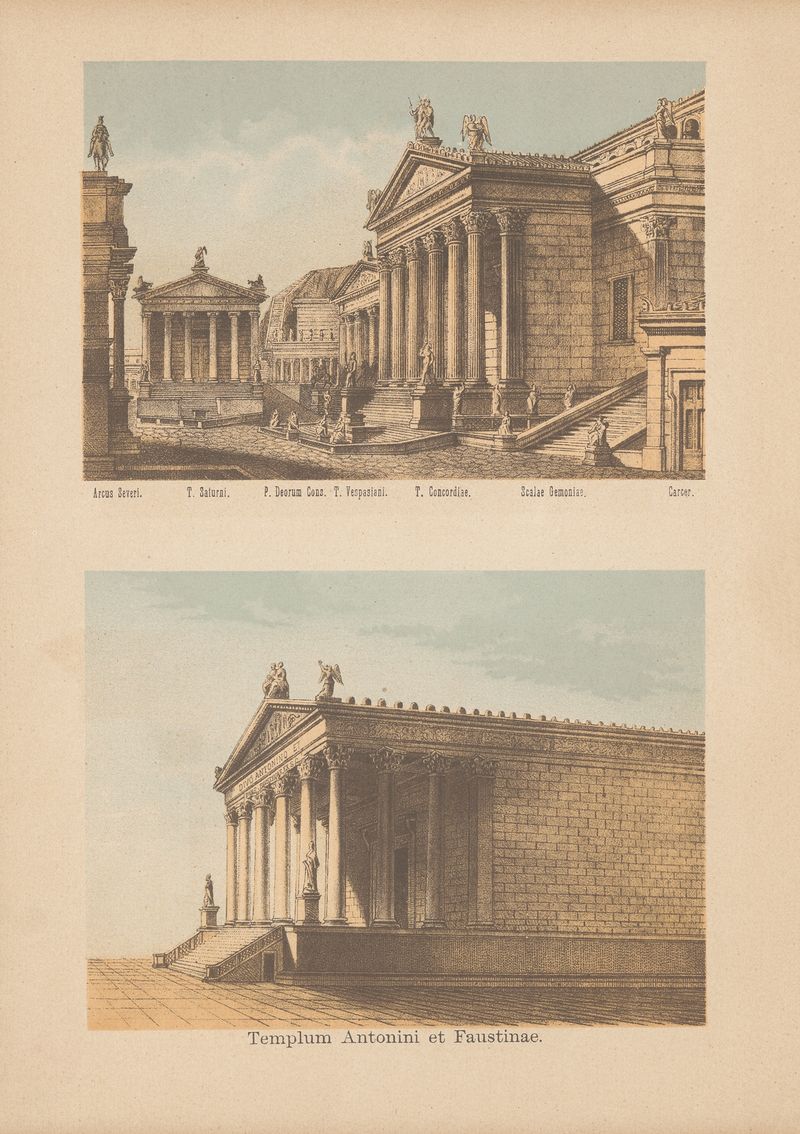
Templum Antonini et Faustinae
Christoph Ziegler
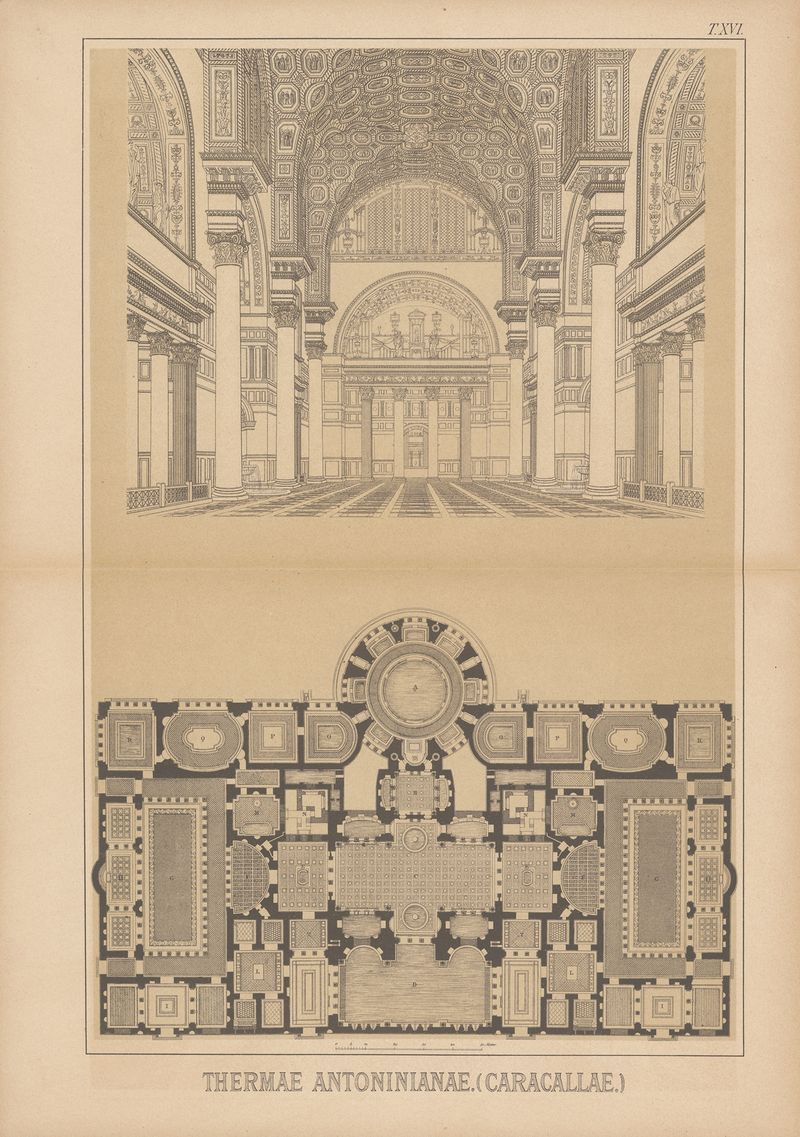
Thermae Antoninianae (Caracallae)
Christoph Ziegler
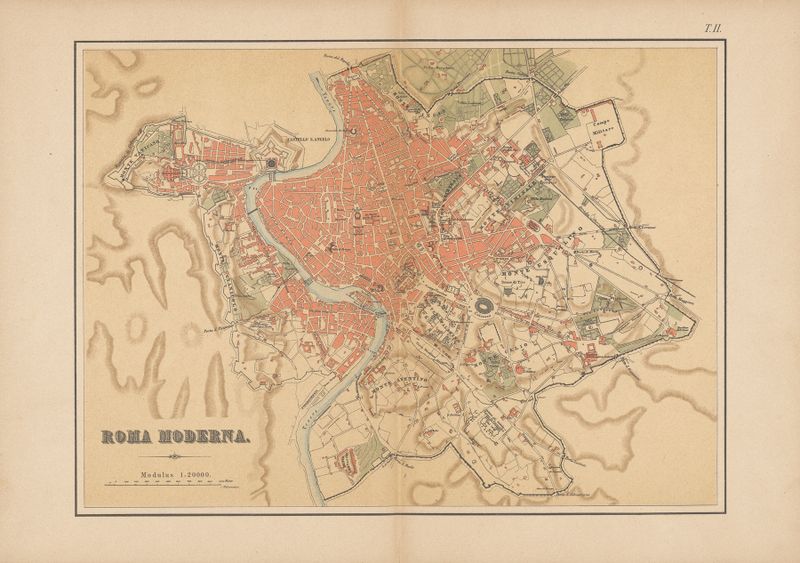
Plan des neuen Rom
Christoph Ziegler
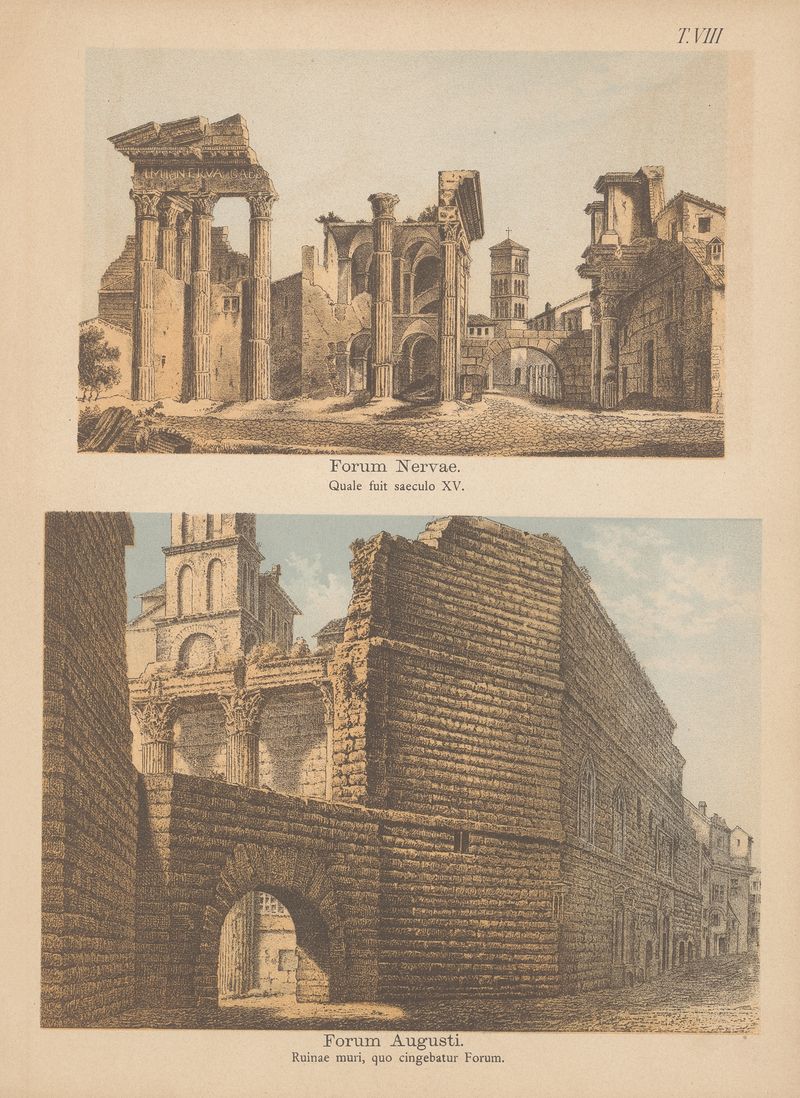
Forum Nervae, Forum Augusti
Christoph Ziegler
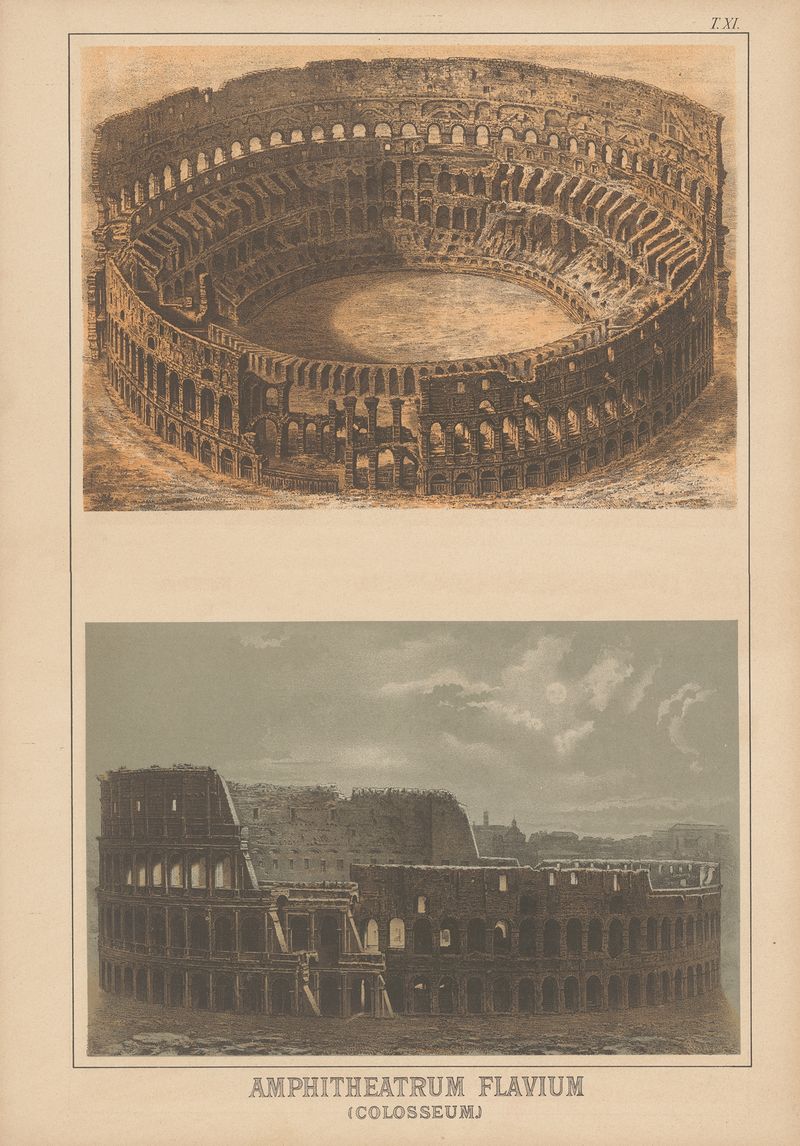
Amphitheatrum Flavium (Colosseum)
Christoph Ziegler
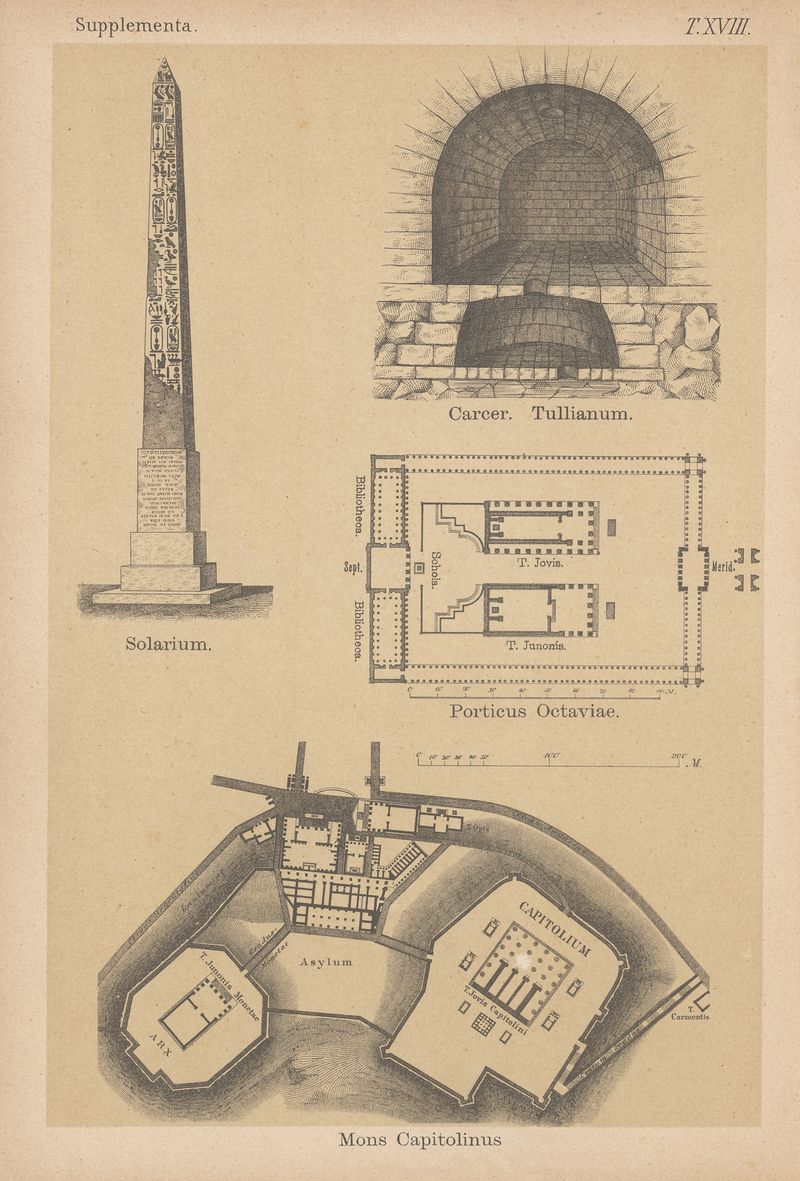
Mons Capitolinus
Christoph Ziegler
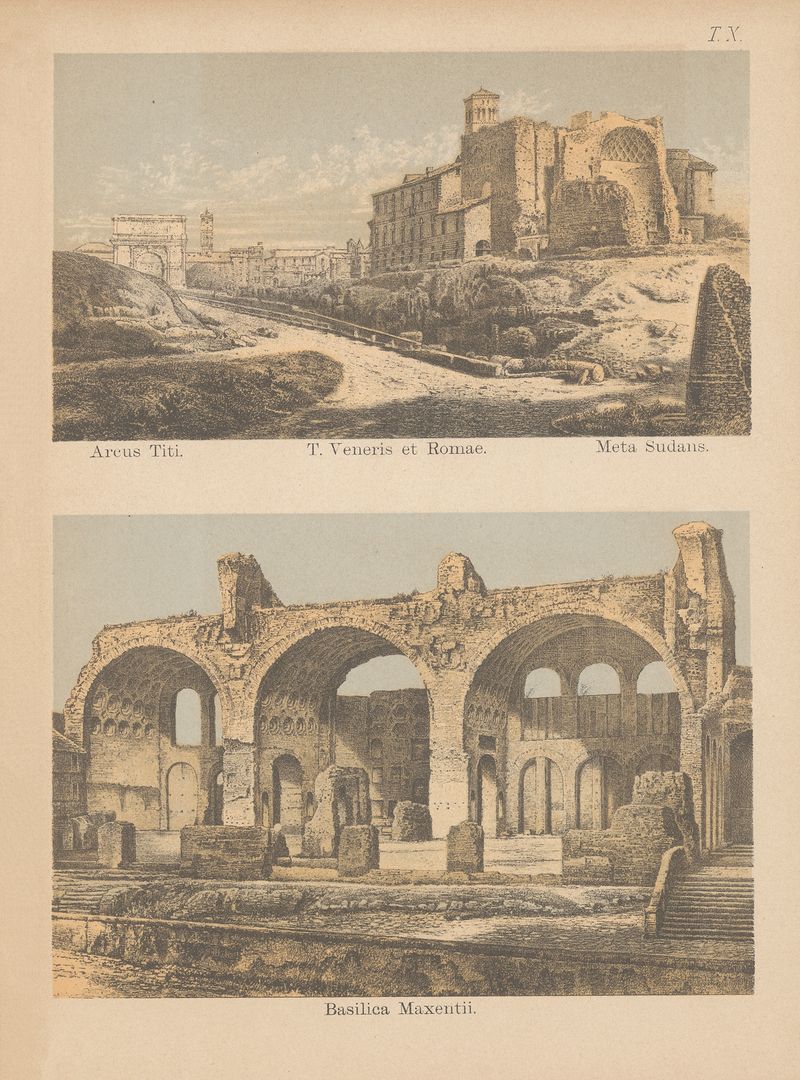
T. Veneris et Romae, Basilica Maxentii
Christoph Ziegler
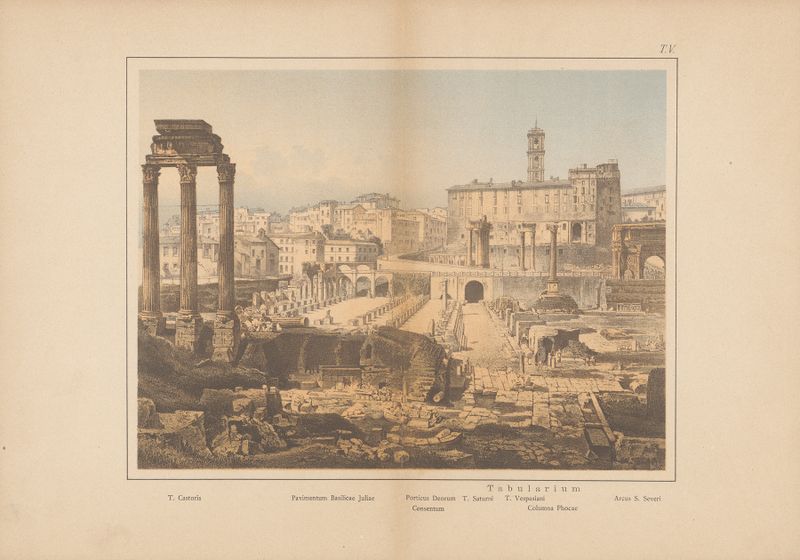
Tabularium
Christoph Ziegler
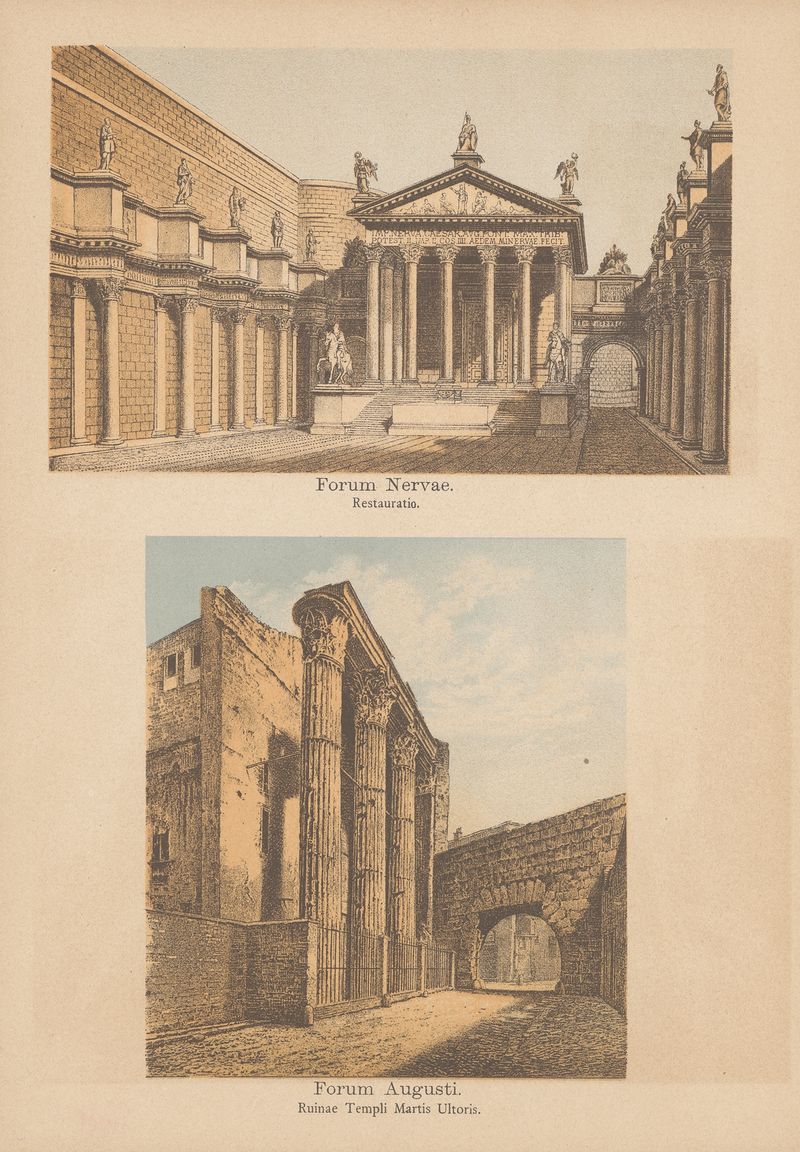
Forum Nervae, Forum Augusti
Christoph Ziegler
More Architecture Art
Browse all →
The statue of Liberty
Frédéric Auguste Bartholdi

View of Houses in Delft, Known as ‘The Little Street’
Johannes Vermeer

View of Houses in Delft, Known as ‘The Little Street’
Johannes Vermeer

The Cathedral in Rouen. The portal, Grey Weather
Claude Monet

The yellow house
Vincent van Gogh

The Church in Auvers-sur-Oise, View from the Chevet
Vincent van Gogh