
Forum Nervae, Forum Augusti — History & Facts
Can beauty exist without sorrow? In Forum Nervae, Forum Augusti, a haunting interplay of serenity and chaos unfolds, inviting viewers to ponder the fragile boundary between madness and clarity. Look to the center of the canvas, where the ruins stand resolute amid the encroaching shadows. The warm hues of ochre and burnt sienna evoke a sense of nostalgia, while the intricate details of the ancient architecture are bathed in a golden light, emphasizing their weathered elegance. Notice how the artist meticulously captures the delicate interplay of light and shadow, creating depth and inviting the eye to wander through the remnants of a forgotten era, all while hints of vivid green foliage suggest life amidst decay. Beneath the surface, a tension simmers between the majesty of history and the inevitable decline of all things.
The juxtaposition of the grand, crumbling columns against the soft, encroaching nature hints at a madness inherent in beauty—the notion that splendor cannot exist apart from its decay. Furthermore, the juxtaposition of light and shadow reflects the duality of existence itself, echoing the fragility of our own experiences and the whisper of sorrow that trails beauty like an unwelcome guest. In 1882, Christoph Ziegler painted this work during a time of personal struggle and artistic transformation. Living in Germany, he was influenced by the burgeoning Romantic movement, which sought to blend emotional depth with aesthetic beauty.
As he explored classical themes and architectural grandeur, Ziegler grappled with his own reflections on impermanence, attempting to articulate a visual language that resonated with the complexities of the human experience.
More Artworks by Christoph Ziegler
Browse all →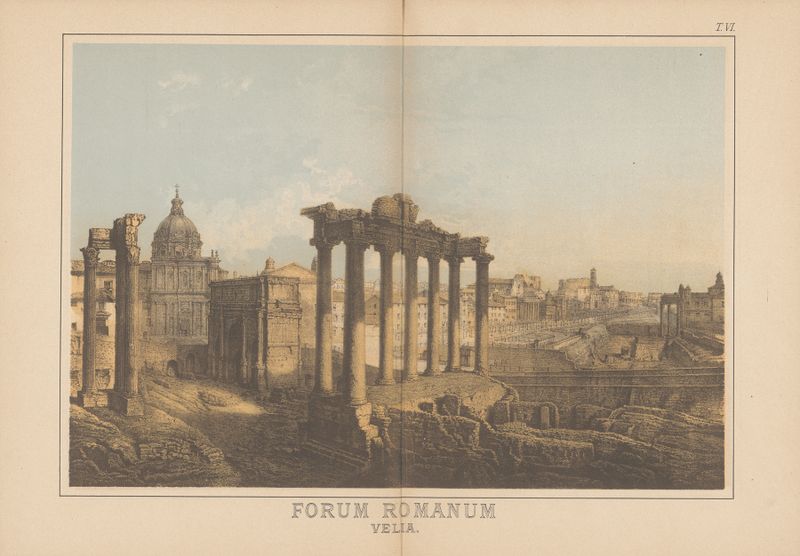
Forum Romanum
Christoph Ziegler
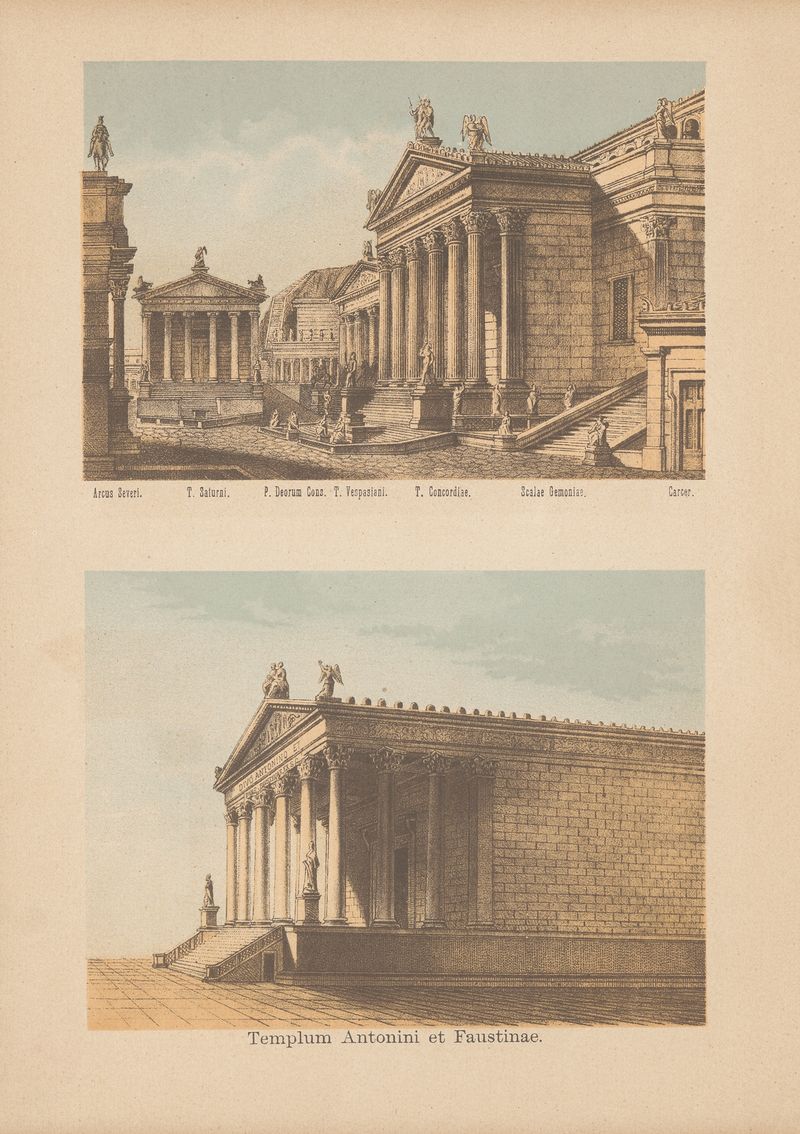
Templum Antonini et Faustinae
Christoph Ziegler
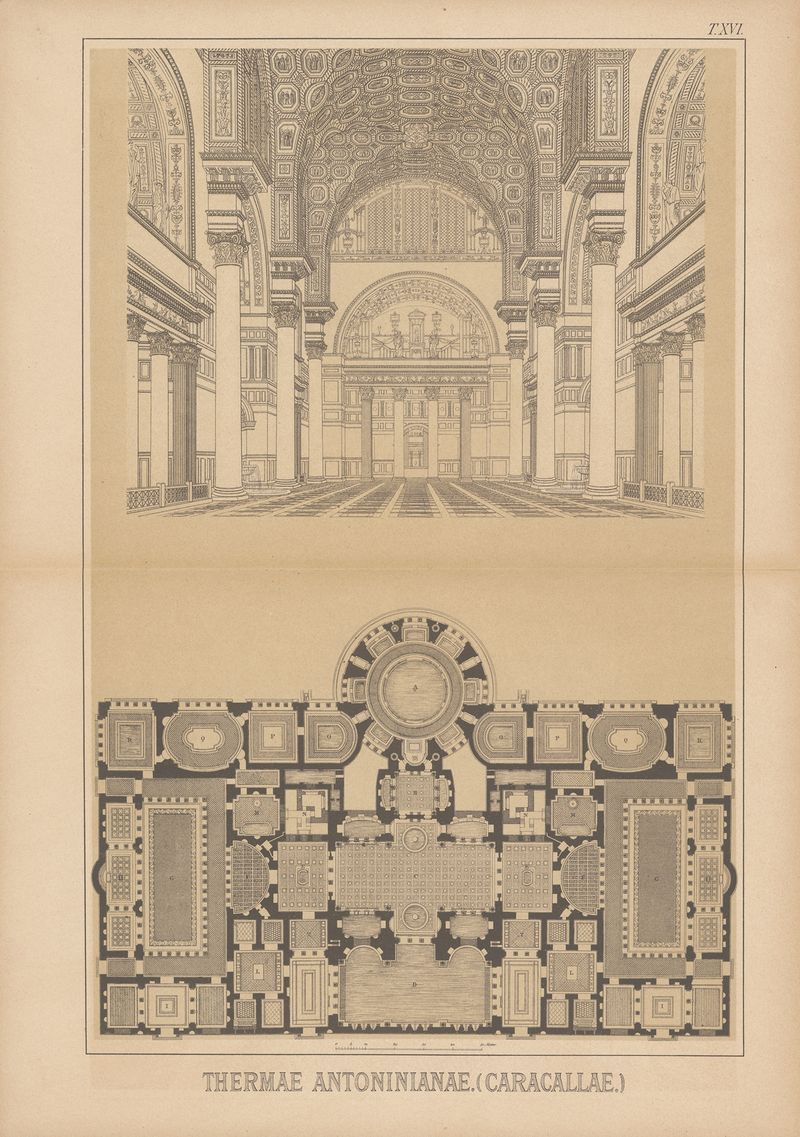
Thermae Antoninianae (Caracallae)
Christoph Ziegler
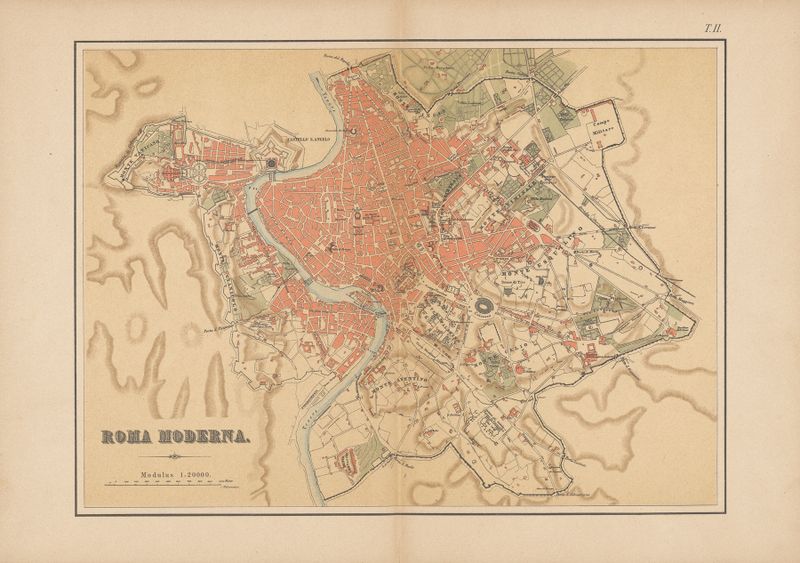
Plan des neuen Rom
Christoph Ziegler
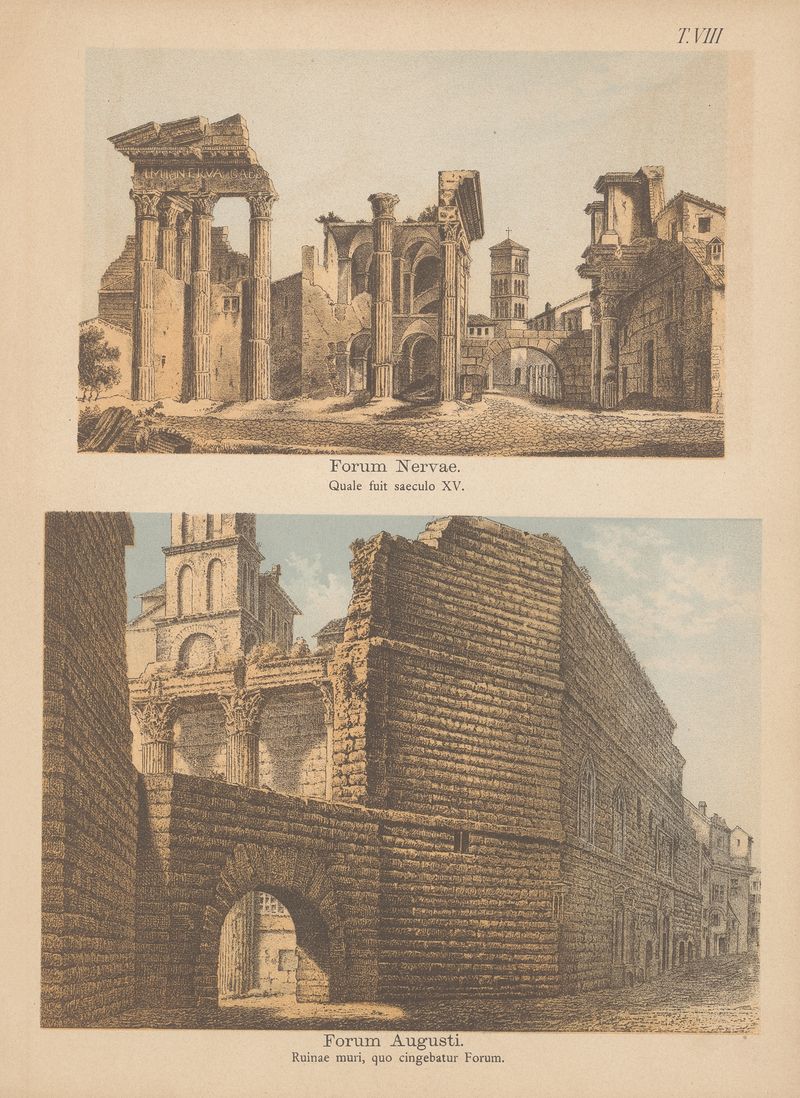
Forum Nervae, Forum Augusti
Christoph Ziegler
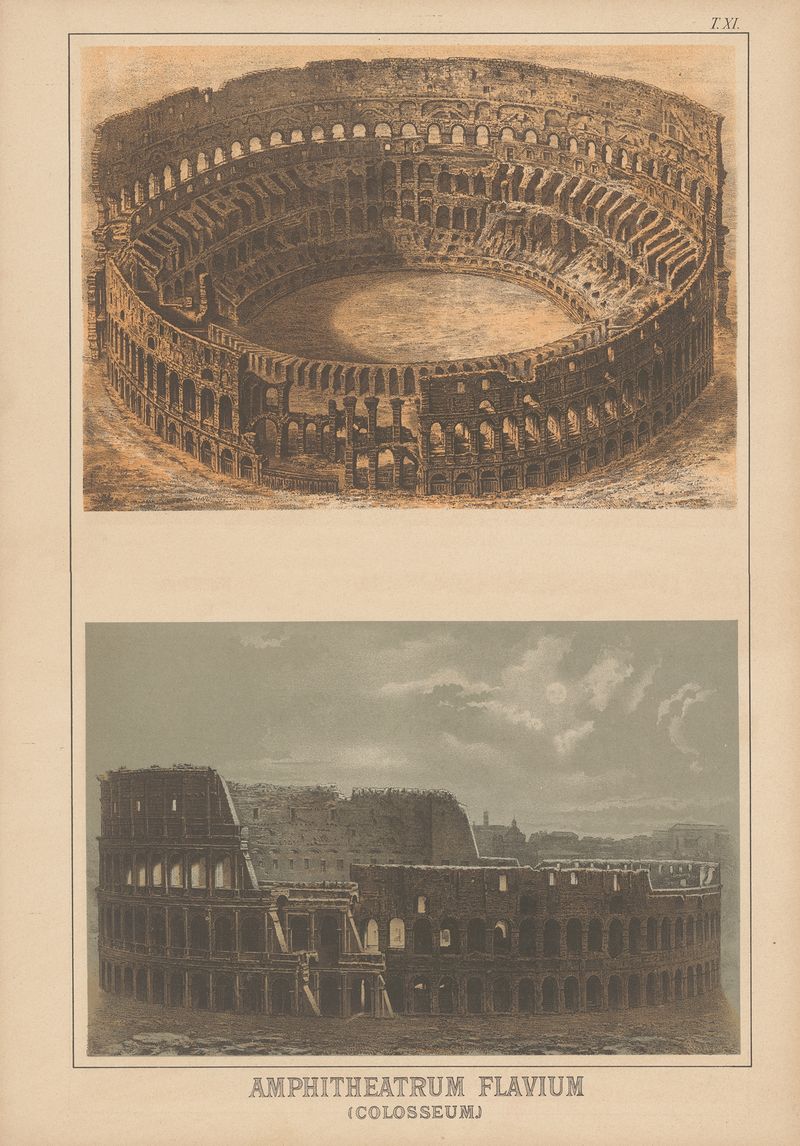
Amphitheatrum Flavium (Colosseum)
Christoph Ziegler
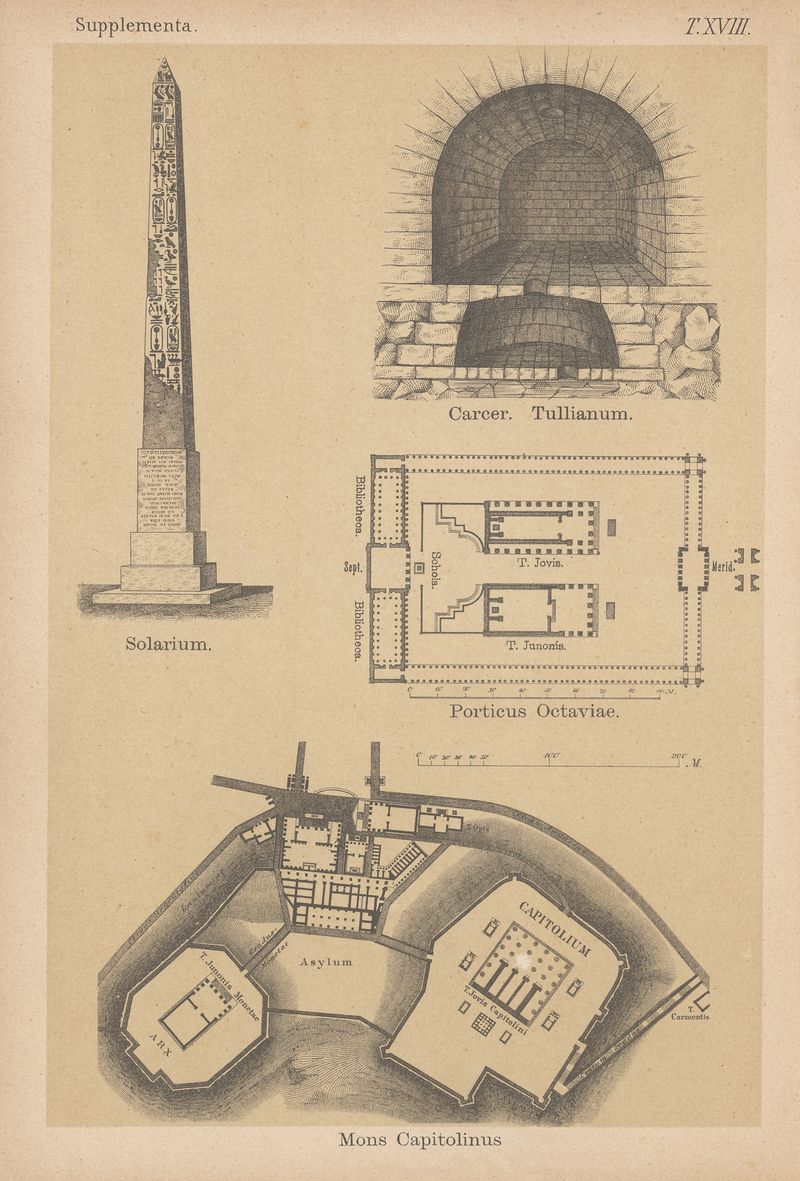
Mons Capitolinus
Christoph Ziegler
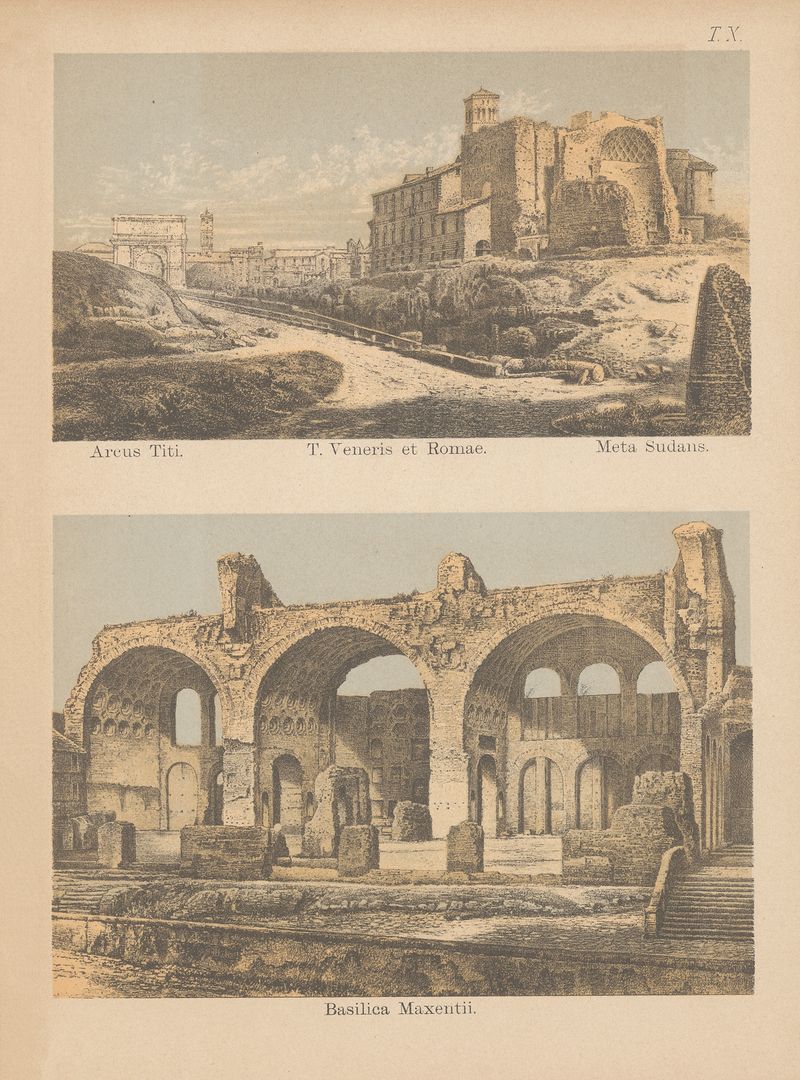
T. Veneris et Romae, Basilica Maxentii
Christoph Ziegler
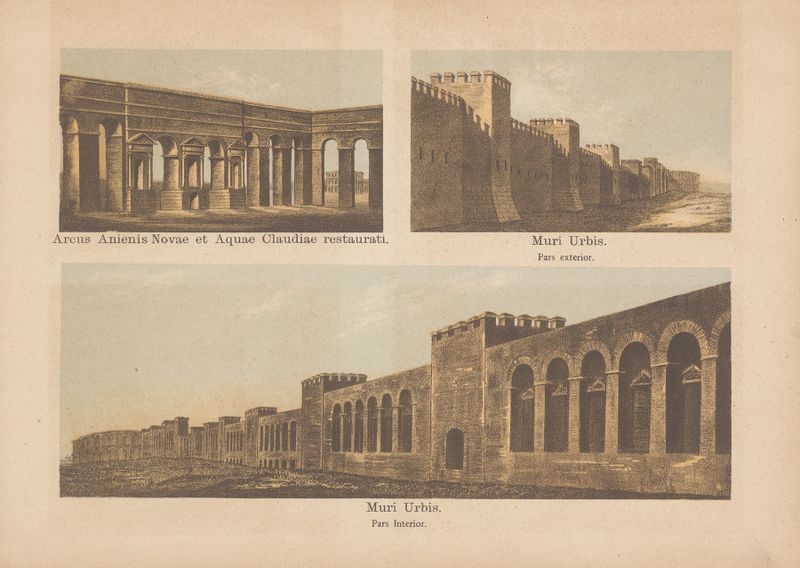
Arcus Anienis Novae, Muri urbis
Christoph Ziegler
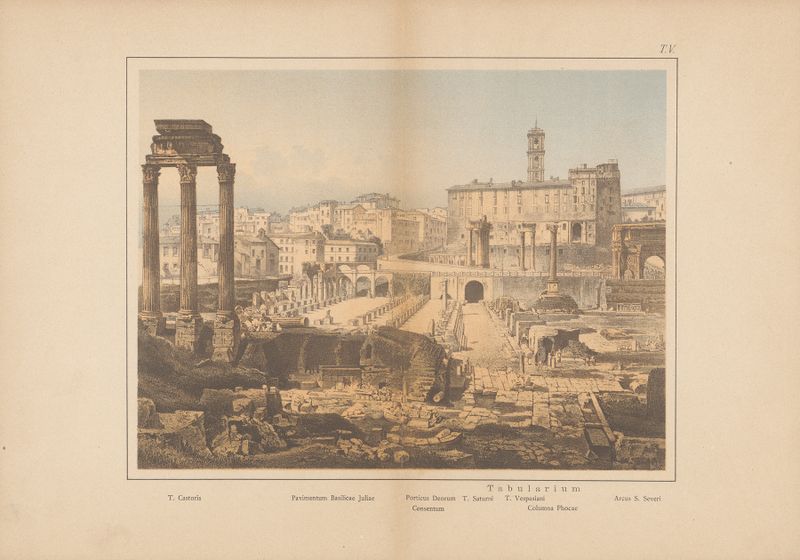
Tabularium
Christoph Ziegler
More Architecture Art
Browse all →
The statue of Liberty
Frédéric Auguste Bartholdi

View of Houses in Delft, Known as ‘The Little Street’
Johannes Vermeer

View of Houses in Delft, Known as ‘The Little Street’
Johannes Vermeer

The Cathedral in Rouen. The portal, Grey Weather
Claude Monet

The yellow house
Vincent van Gogh

The Church in Auvers-sur-Oise, View from the Chevet
Vincent van Gogh