
Mons Capitolinus — History & Facts
In the stillness of Mons Capitolinus, a world of rebirth unfolds, suggesting the promise of renewal amidst echoes of ancient glory. Look to the center of the canvas where a vibrant palette of greens and blues breathes life into the scene; the lush vegetation contrasts against the warm hues of crumbling stone. Notice how the light dances upon the architecture, illuminating the ruins with a soft glow that evokes both nostalgia and hope. The deliberative brushwork conveys textures, from the smoothness of marble to the roughness of weathered walls, inviting the viewer to explore the layers of history embedded within. Yet, beyond the surface beauty, the painting embodies a tension between decay and rejuvenation.
The remnants of the past speak of greatness now faded, while the encroaching flora signifies nature's relentless cycle of growth. This juxtaposition draws attention to the resilience inherent in both art and life, suggesting that from the ashes of desolation, new possibilities emerge. The subtle play of shadow and light further emphasizes the fleeting nature of existence, urging contemplation on what persists and what is lost. Created in 1882, during a period of burgeoning interest in historical themes and antiquity, the artist was influenced by both Romanticism and the early whispers of Impressionism.
Ziegler, working in a time when European art was exploring the tension between civilization and nature, sought to capture not just a moment in time, but the enduring spirit of rebirth that transcends eras.
More Artworks by Christoph Ziegler
Browse all →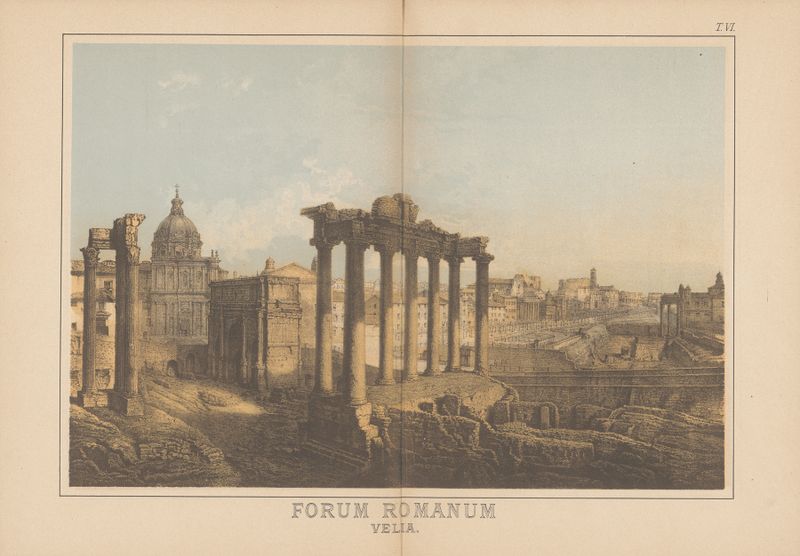
Forum Romanum
Christoph Ziegler
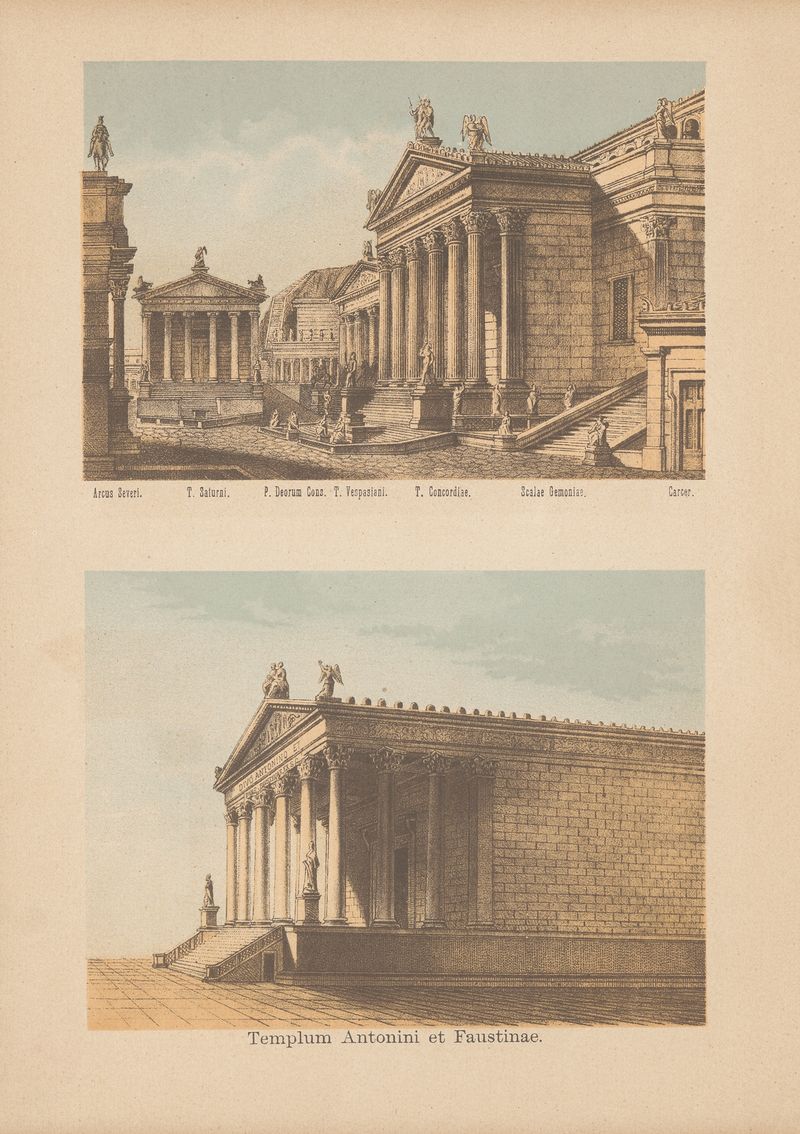
Templum Antonini et Faustinae
Christoph Ziegler
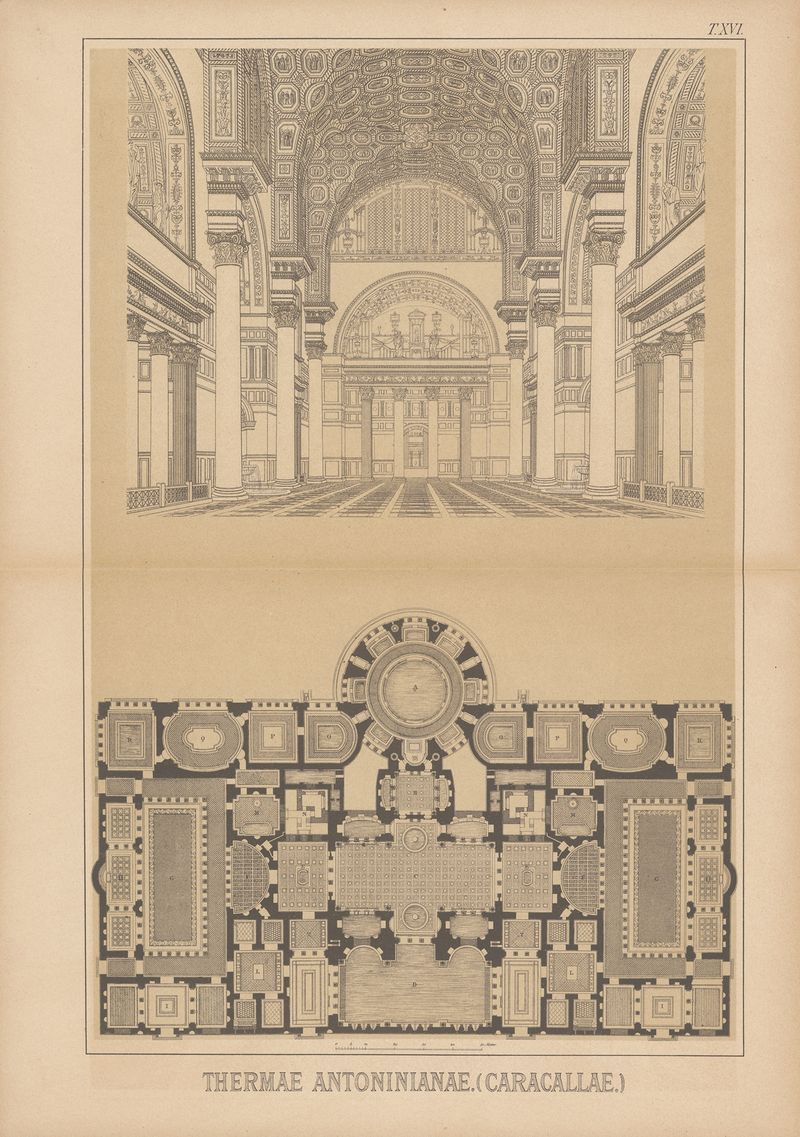
Thermae Antoninianae (Caracallae)
Christoph Ziegler
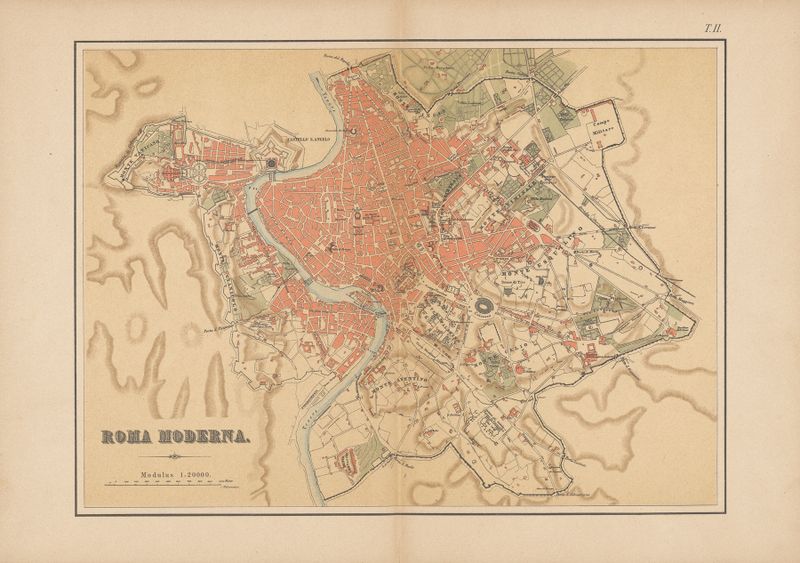
Plan des neuen Rom
Christoph Ziegler
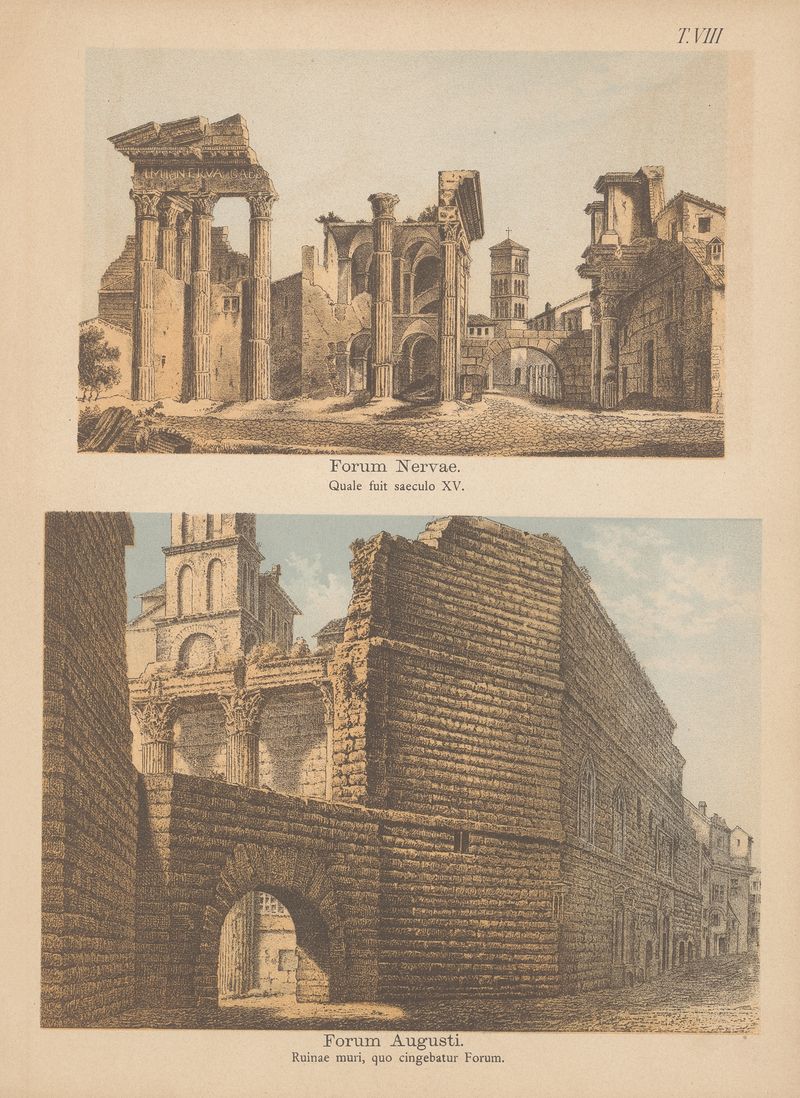
Forum Nervae, Forum Augusti
Christoph Ziegler
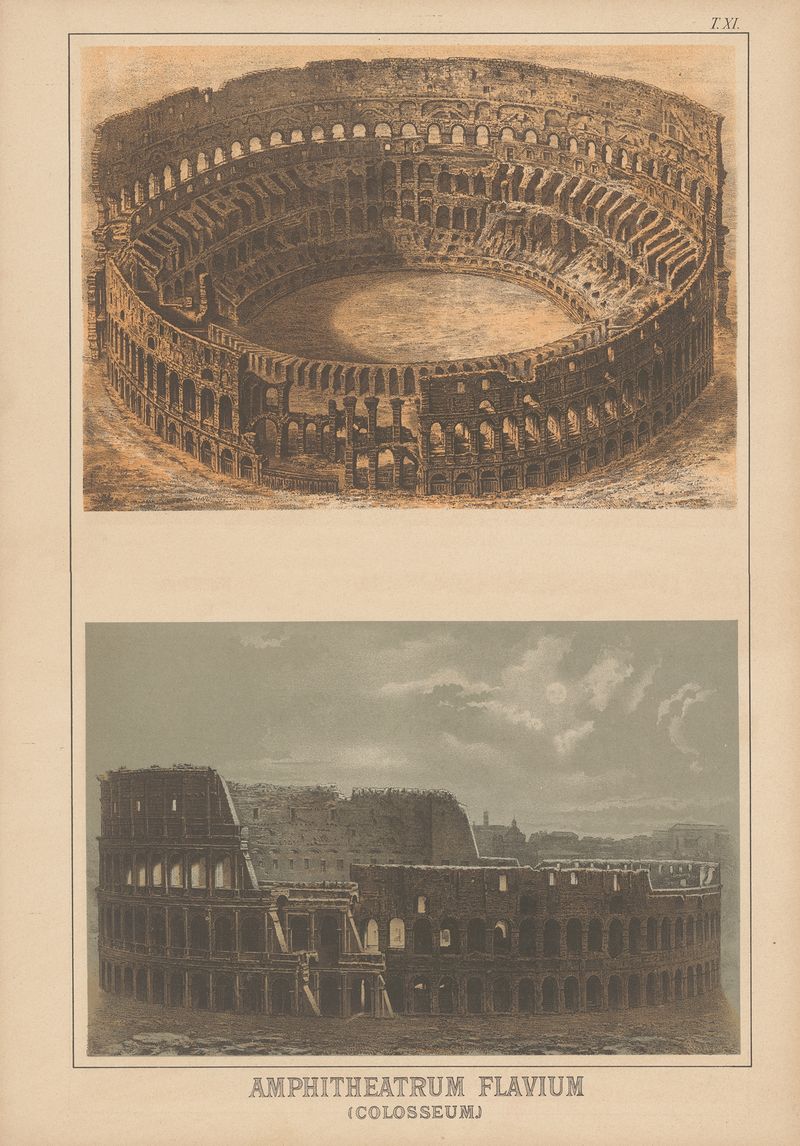
Amphitheatrum Flavium (Colosseum)
Christoph Ziegler
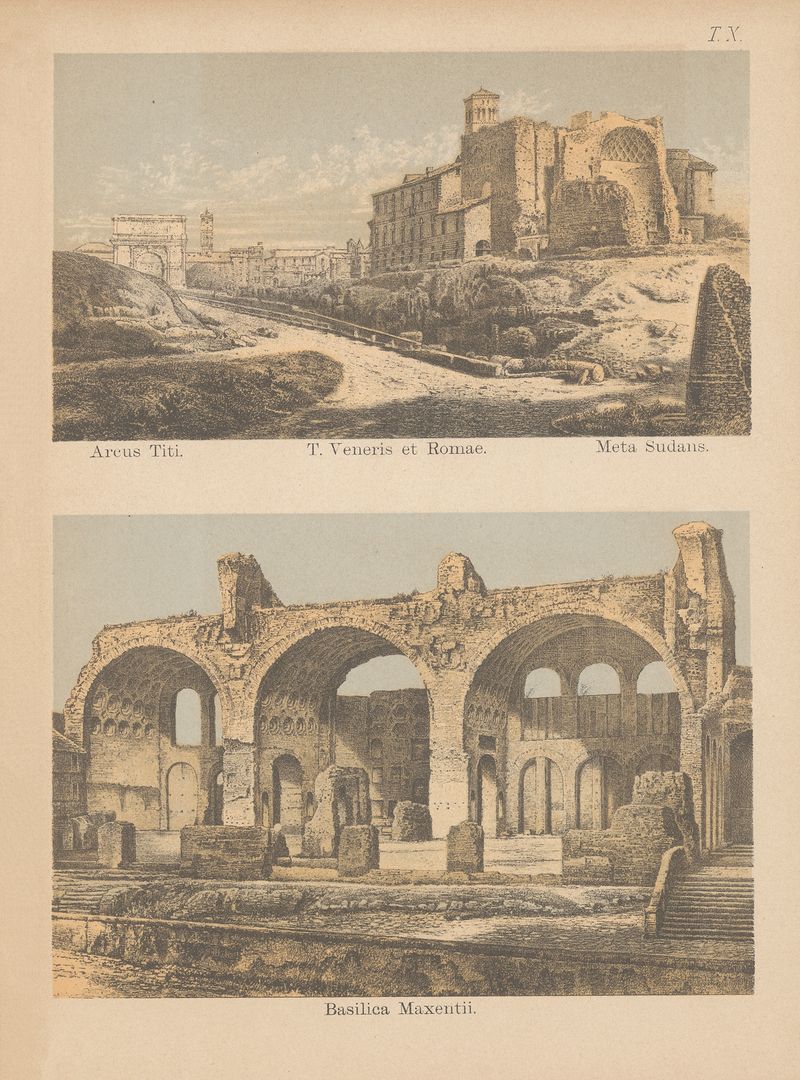
T. Veneris et Romae, Basilica Maxentii
Christoph Ziegler
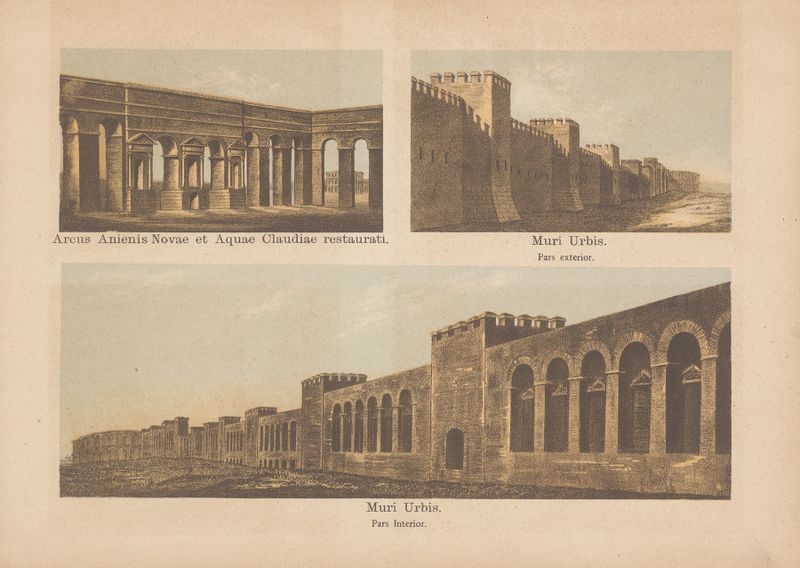
Arcus Anienis Novae, Muri urbis
Christoph Ziegler
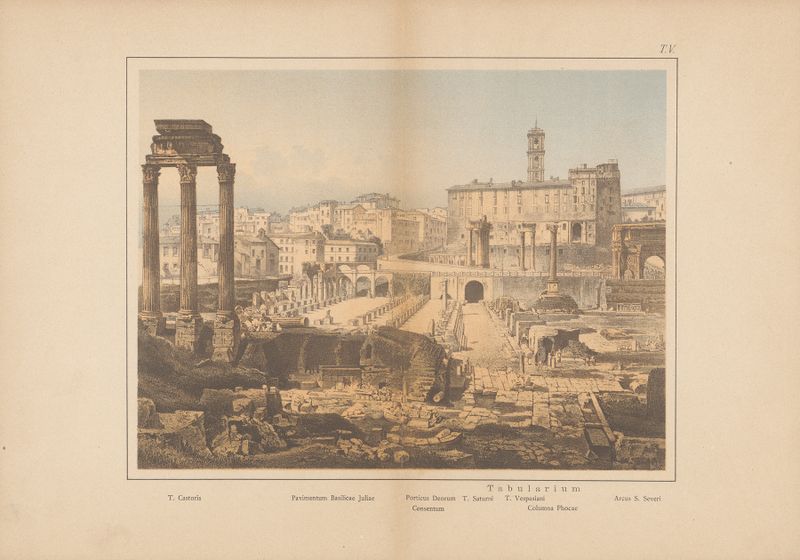
Tabularium
Christoph Ziegler
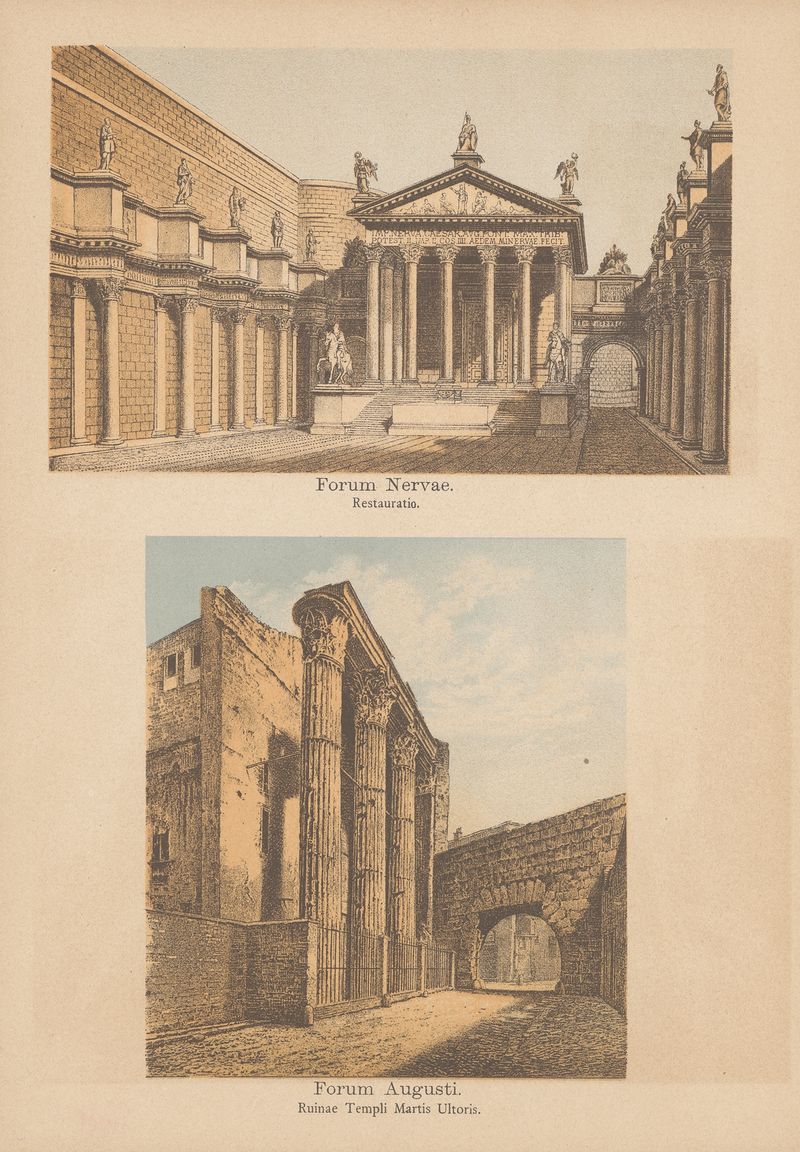
Forum Nervae, Forum Augusti
Christoph Ziegler





