
Thermae Antoninianae (Caracallae) — History & Facts
Is this a mirror — or a memory? The shimmering expanse of the ancient baths invites the eye to wander through its echoes of grandeur, each ripple reflecting the beauty of history entwined with the present. Look to the left at the majestic arches, their contours softened by the warm, golden light that bathes the scene. Notice how Ziegler meticulously captures the ornate details of the architecture, from the intricate carvings to the mosaic patterns underfoot, drawing the viewer’s gaze deeper into the space. The interplay of light and shadow creates a sense of depth, making the monumental structure feel both inviting and imposing, inviting contemplation of its once-heaving life. Yet there’s a contrast between the past and the present, between the vibrancy of the baths in their heyday and the serene stillness captured in the painting.
The solitary figure on the edge, perhaps a visitor or a ghost from another time, embodies the longing for connection to a beauty that has faded but remains palpable. The reflections in the water evoke a sense of nostalgia and transience, where each wave carries whispers of laughter, conversation, and life that once filled these walls. Christoph Ziegler painted this work in 1882, a period marked by a growing fascination with antiquity and classical architecture. Living in Germany, he was influenced by the ideals of the Romantic movement, which celebrated beauty and emotion rooted in history.
As artists turned their gaze towards the remnants of the past, Ziegler’s portrayal of the Thermae Antoninianae stands as a testament to this cultural moment, bridging the gap between eras through art.
More Artworks by Christoph Ziegler
Browse all →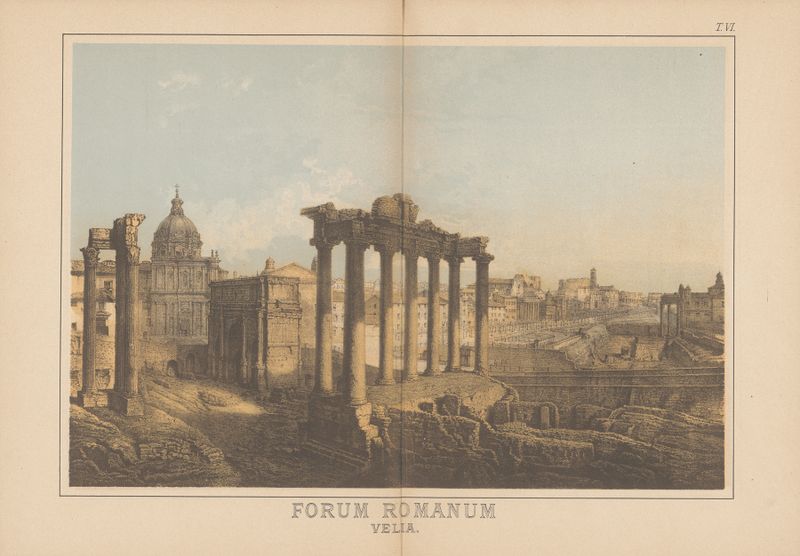
Forum Romanum
Christoph Ziegler
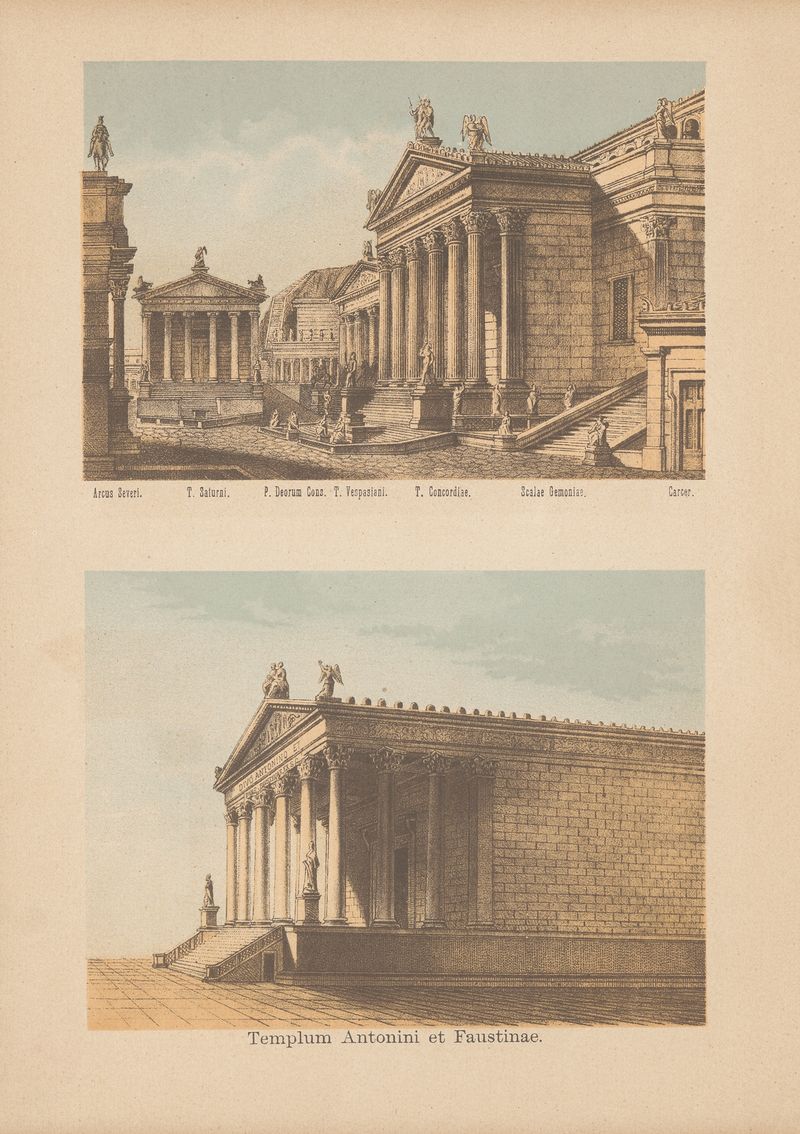
Templum Antonini et Faustinae
Christoph Ziegler
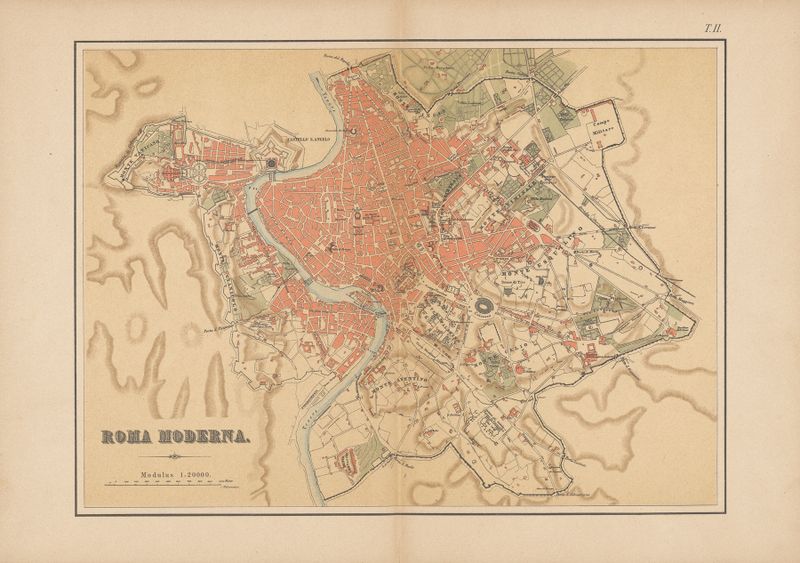
Plan des neuen Rom
Christoph Ziegler
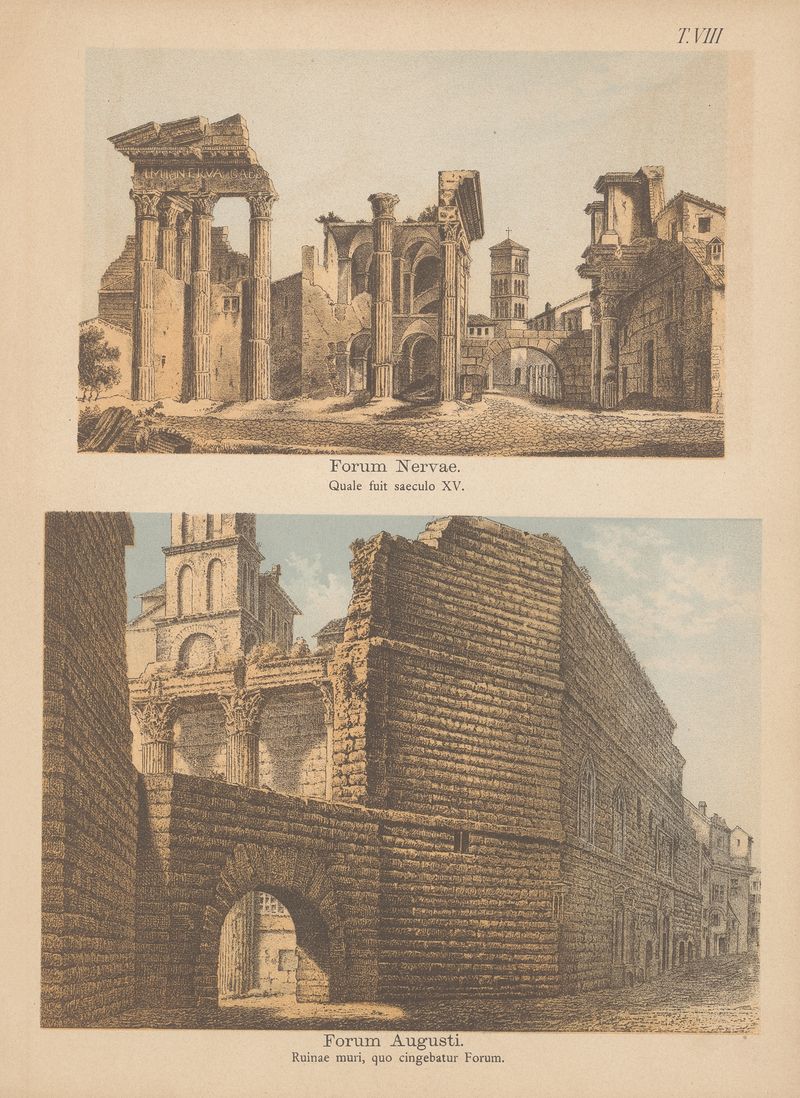
Forum Nervae, Forum Augusti
Christoph Ziegler
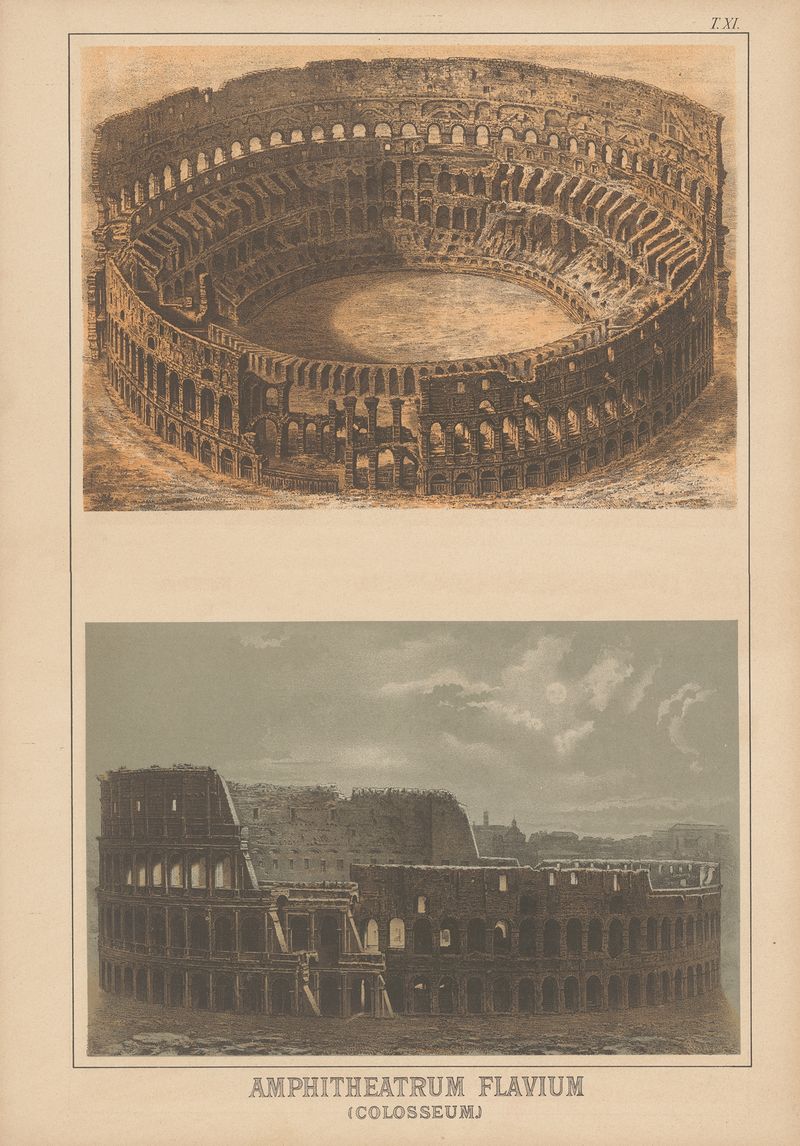
Amphitheatrum Flavium (Colosseum)
Christoph Ziegler
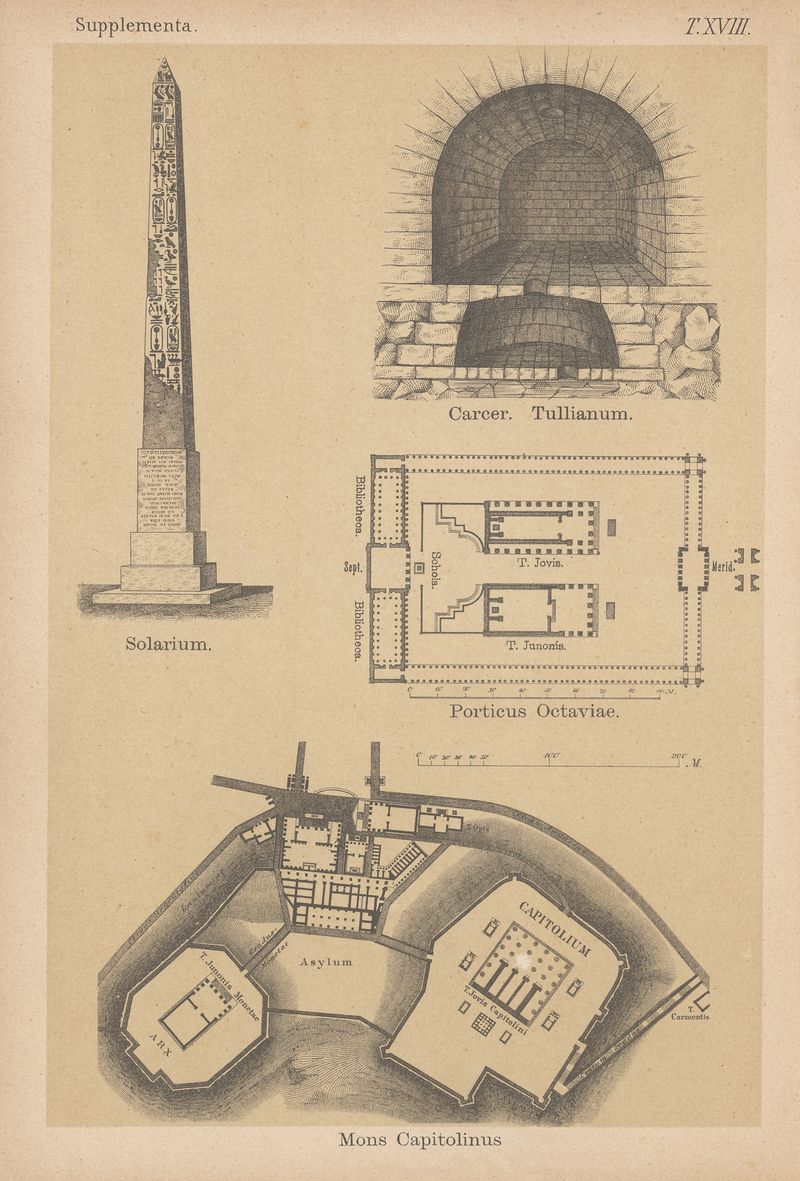
Mons Capitolinus
Christoph Ziegler
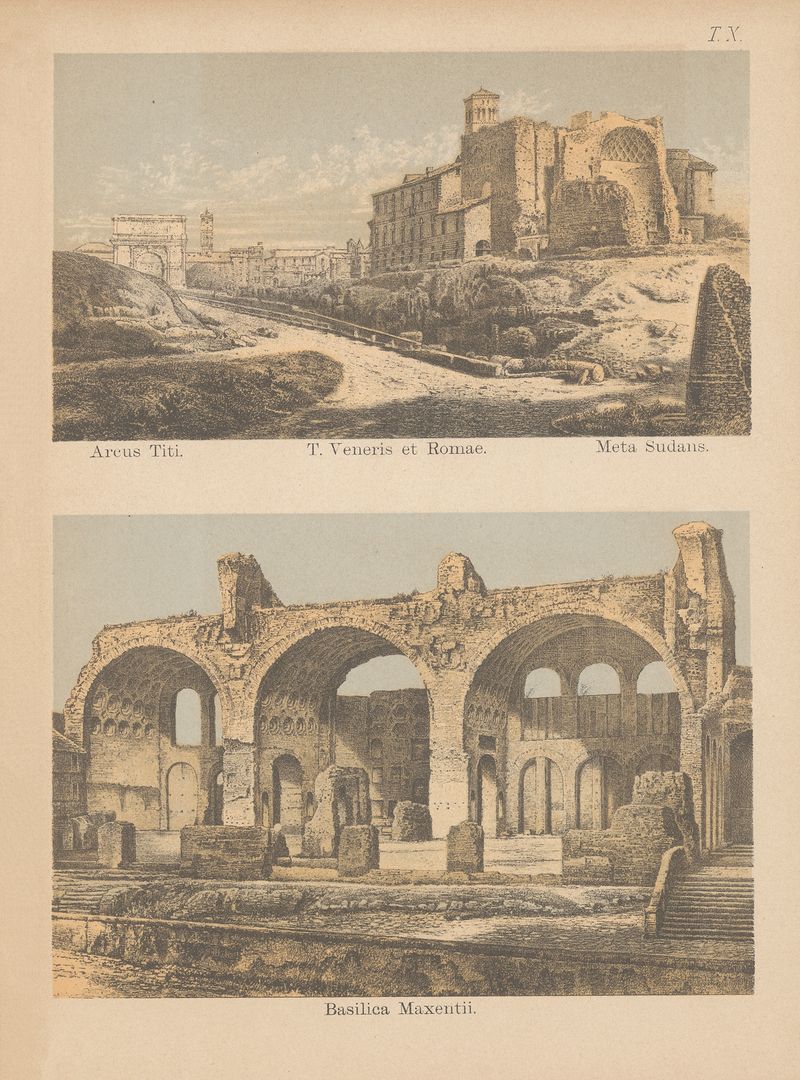
T. Veneris et Romae, Basilica Maxentii
Christoph Ziegler
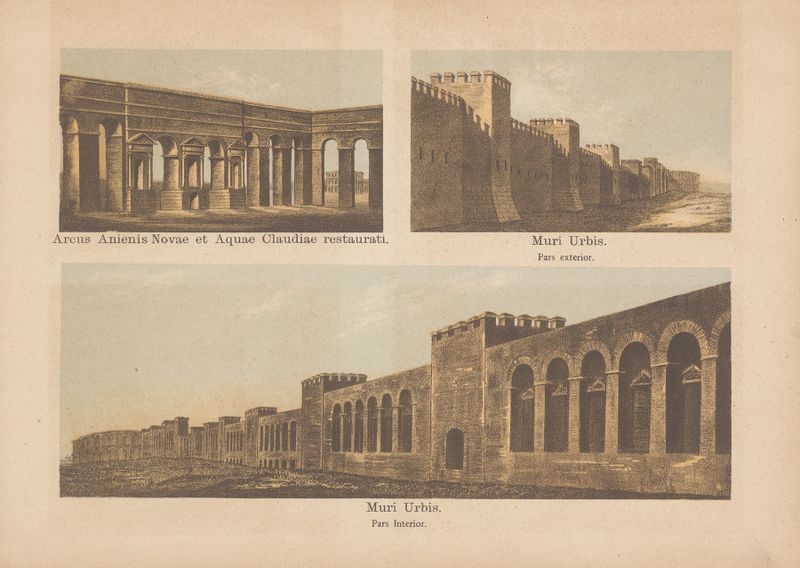
Arcus Anienis Novae, Muri urbis
Christoph Ziegler
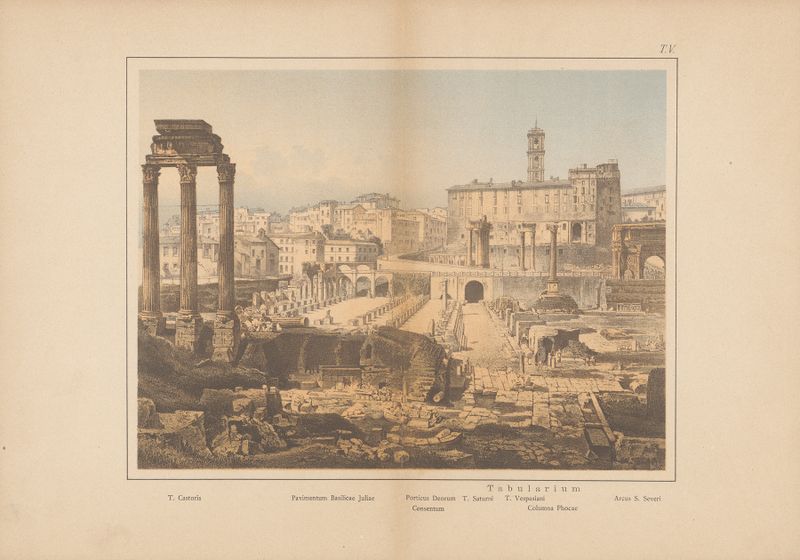
Tabularium
Christoph Ziegler
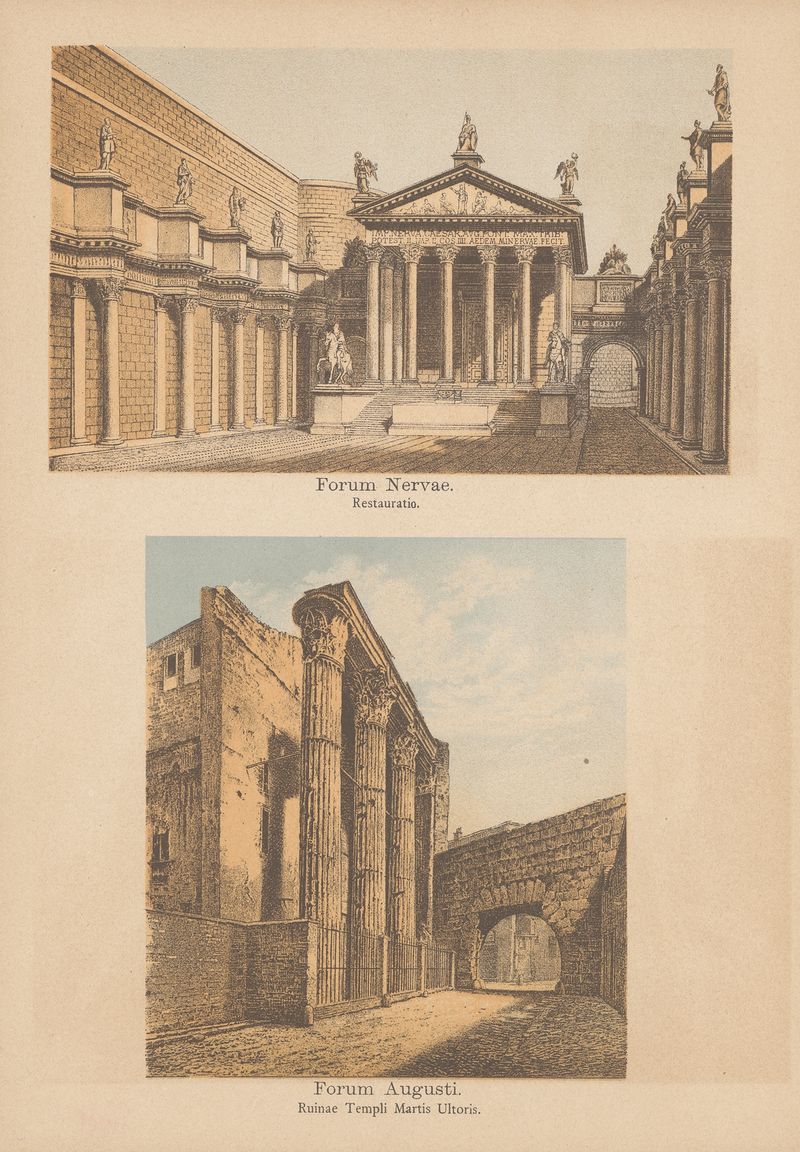
Forum Nervae, Forum Augusti
Christoph Ziegler
More Architecture Art
Browse all →
The statue of Liberty
Frédéric Auguste Bartholdi

View of Houses in Delft, Known as ‘The Little Street’
Johannes Vermeer

View of Houses in Delft, Known as ‘The Little Street’
Johannes Vermeer

The Cathedral in Rouen. The portal, Grey Weather
Claude Monet

The yellow house
Vincent van Gogh

The Church in Auvers-sur-Oise, View from the Chevet
Vincent van Gogh