
Tabularium — History & Facts
Who listens when art speaks of silence? In Tabularium, the canvas reverberates with an ethereal presence, urging us to seek the divine in the quiet spaces of life. Look to the right at the towering columns that stretch toward an unseen sky, bathed in a warm, golden light. Notice how the shadowy recesses between them invite a sense of mystery, creating a contrast that emphasizes the serene stillness of the scene. The meticulous detail in the stonework reveals not only Ziegler’s technical prowess but also an intention to evoke timelessness, as if the structure itself is a vessel for contemplation. Delve deeper into the interplay between light and shadow.
The luminous highlights dance across the surfaces, suggesting divinity, while the somber areas anchor the viewer in reality. Each column stands as a testament to strength and fragility, simultaneously evoking a sense of reverence and introspection. The emotional tension lies in this juxtaposition: the grandeur of humanity’s creations against the quiet whispers of the infinite. In 1882, Christoph Ziegler painted Tabularium in the context of a Europe grappling with rapid industrialization and profound philosophical shifts.
The late 19th century was marked by a fascination with ancient civilizations and an exploration of artistic expression that echoed history's grandeur. This painting reflects his quest for meaning amid the changes, revealing how art can embody both the divine and the silence in which it resides.
More Artworks by Christoph Ziegler
Browse all →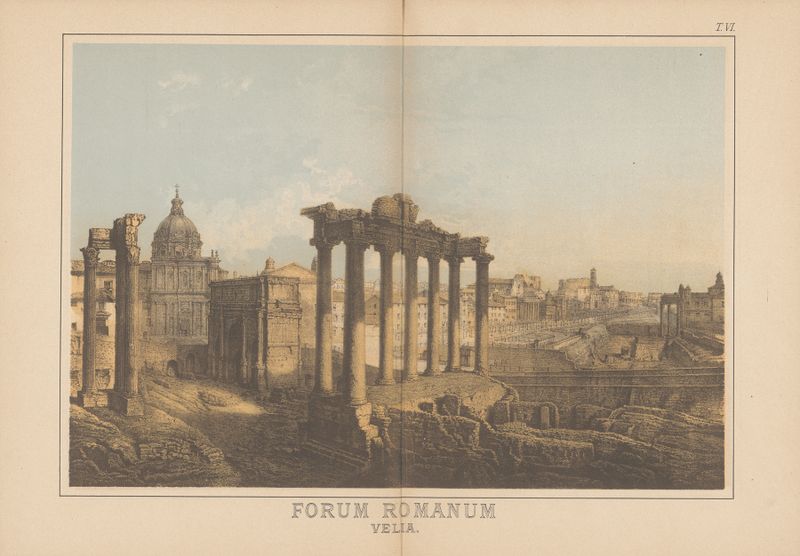
Forum Romanum
Christoph Ziegler
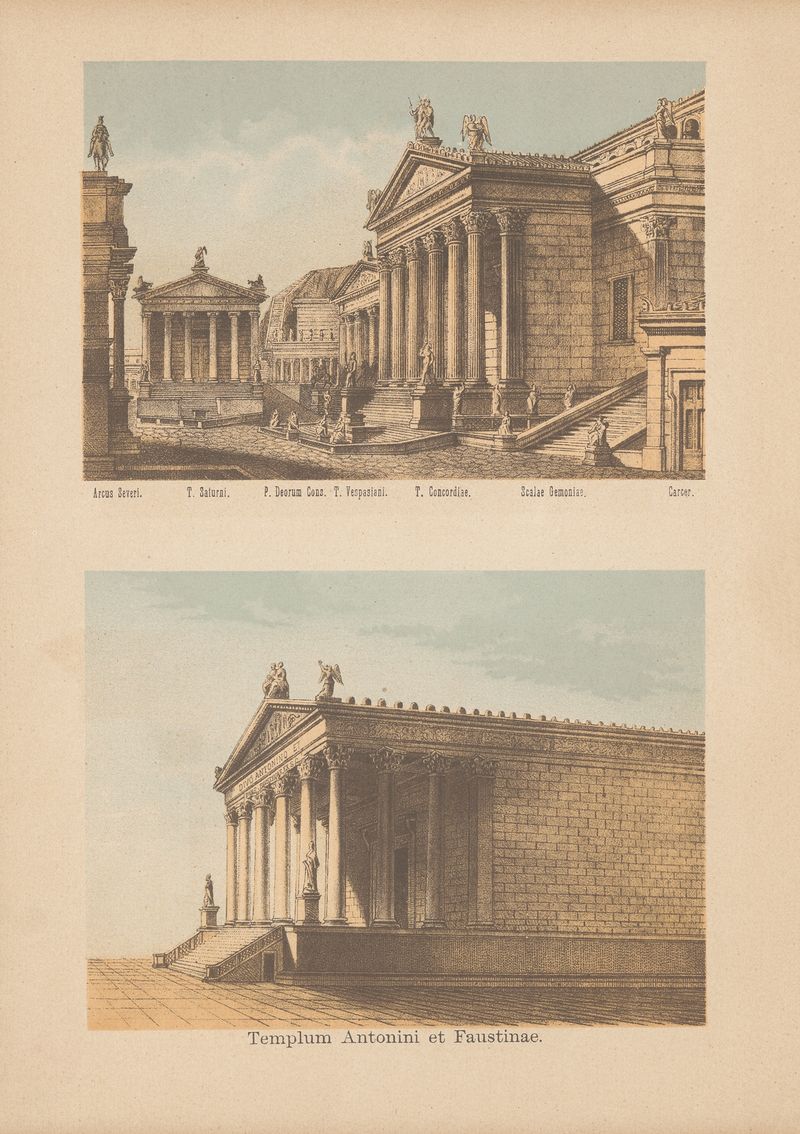
Templum Antonini et Faustinae
Christoph Ziegler
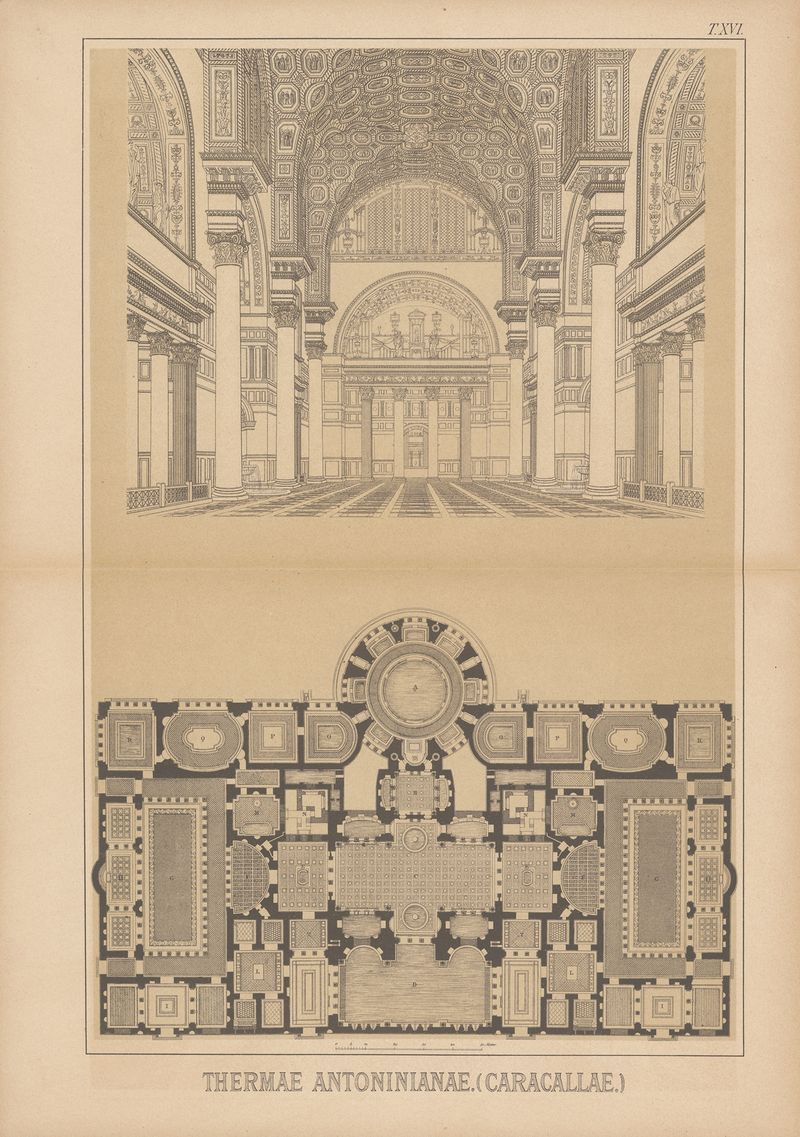
Thermae Antoninianae (Caracallae)
Christoph Ziegler
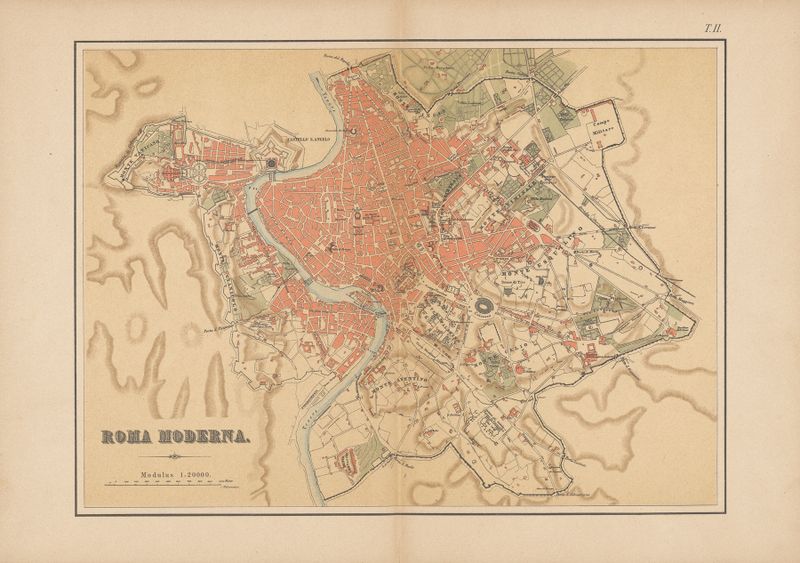
Plan des neuen Rom
Christoph Ziegler
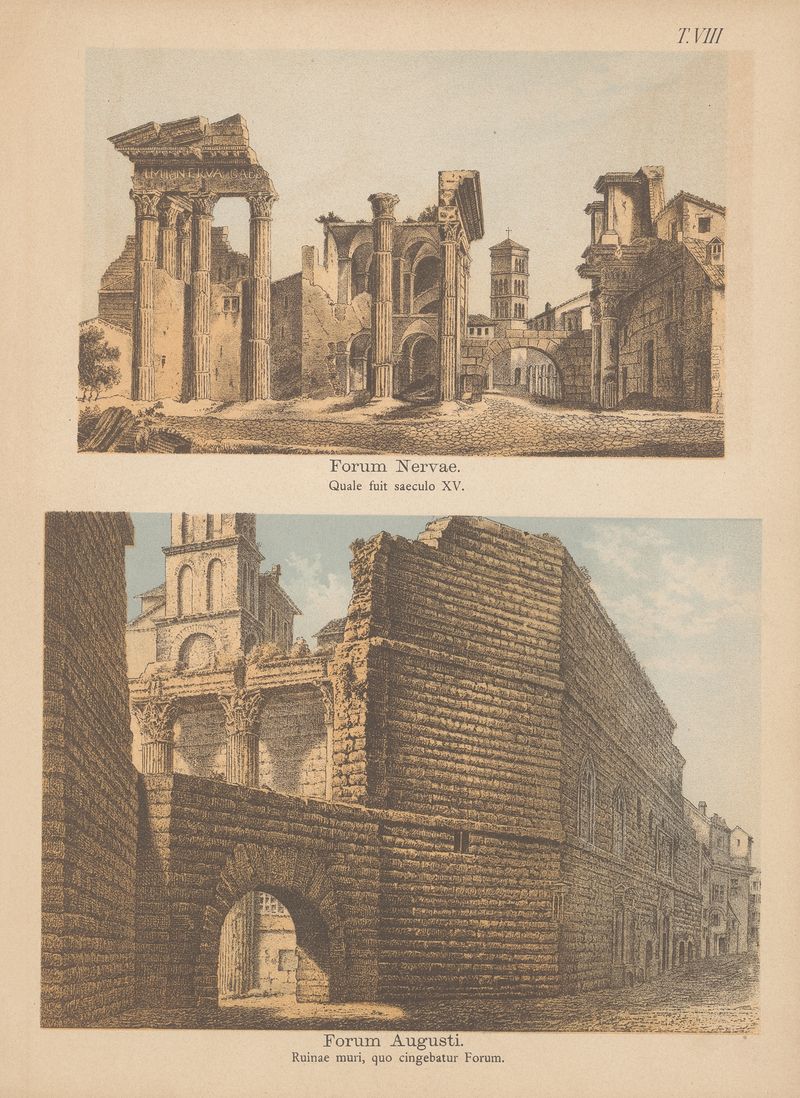
Forum Nervae, Forum Augusti
Christoph Ziegler
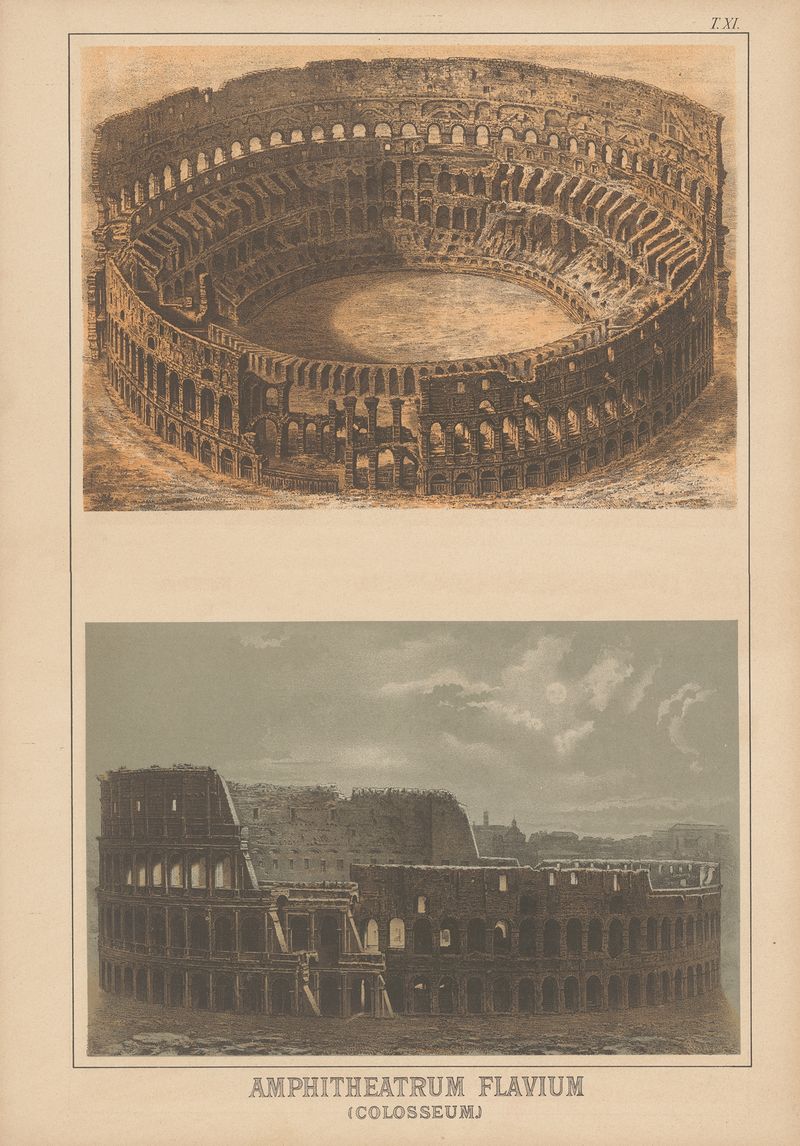
Amphitheatrum Flavium (Colosseum)
Christoph Ziegler
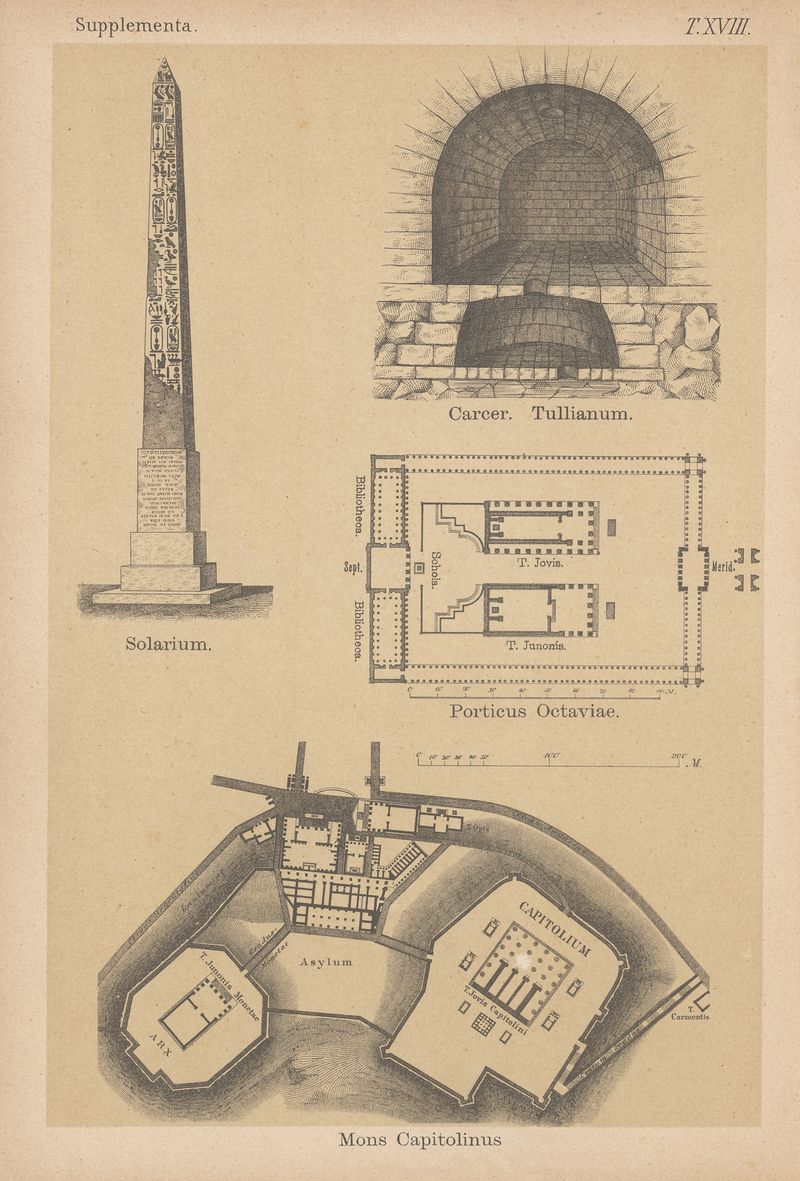
Mons Capitolinus
Christoph Ziegler
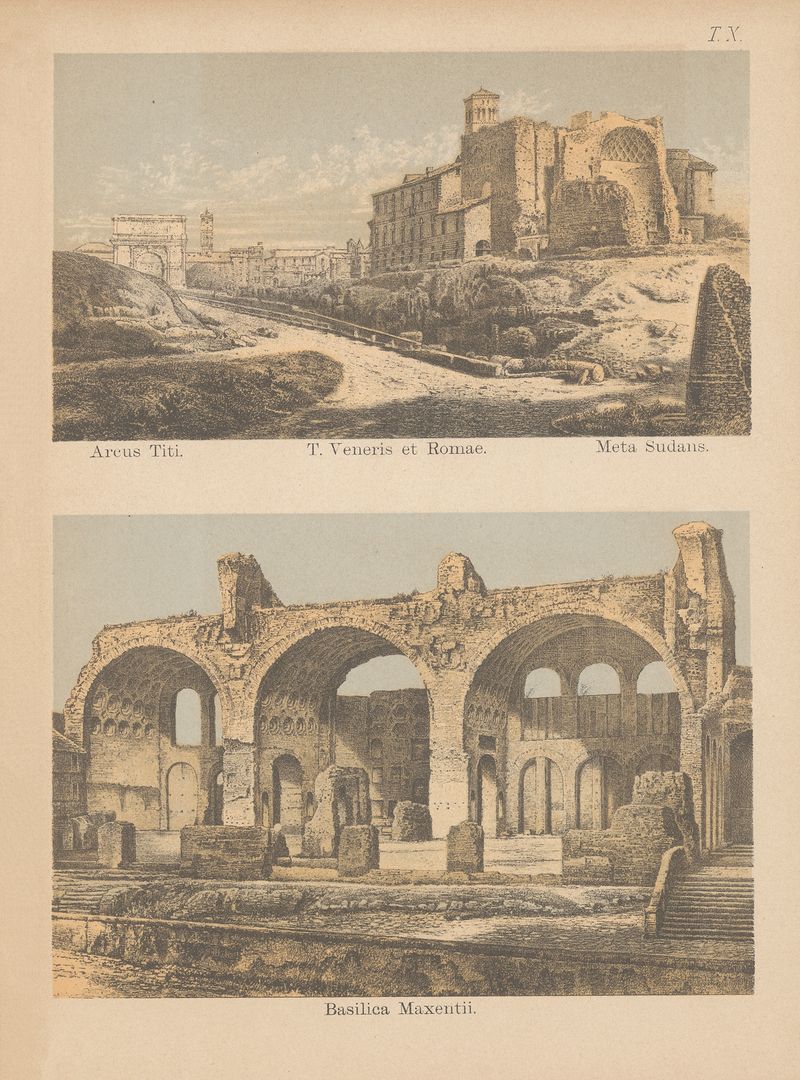
T. Veneris et Romae, Basilica Maxentii
Christoph Ziegler
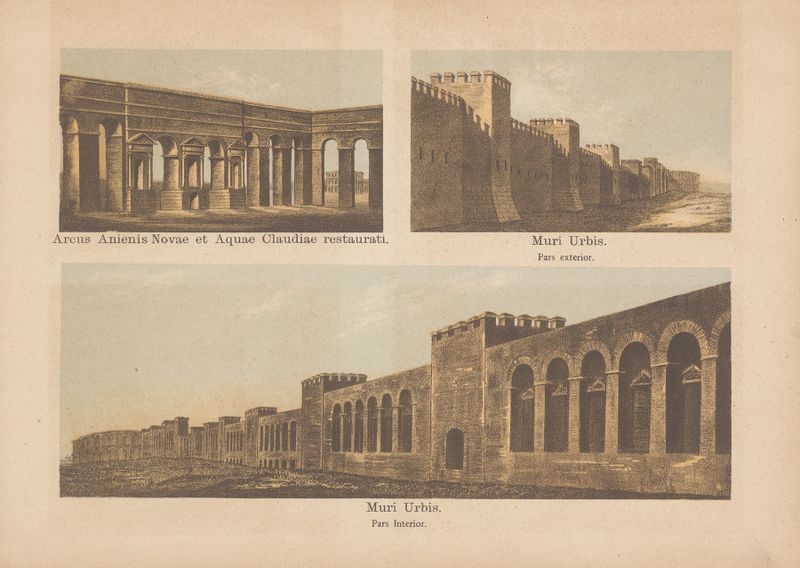
Arcus Anienis Novae, Muri urbis
Christoph Ziegler
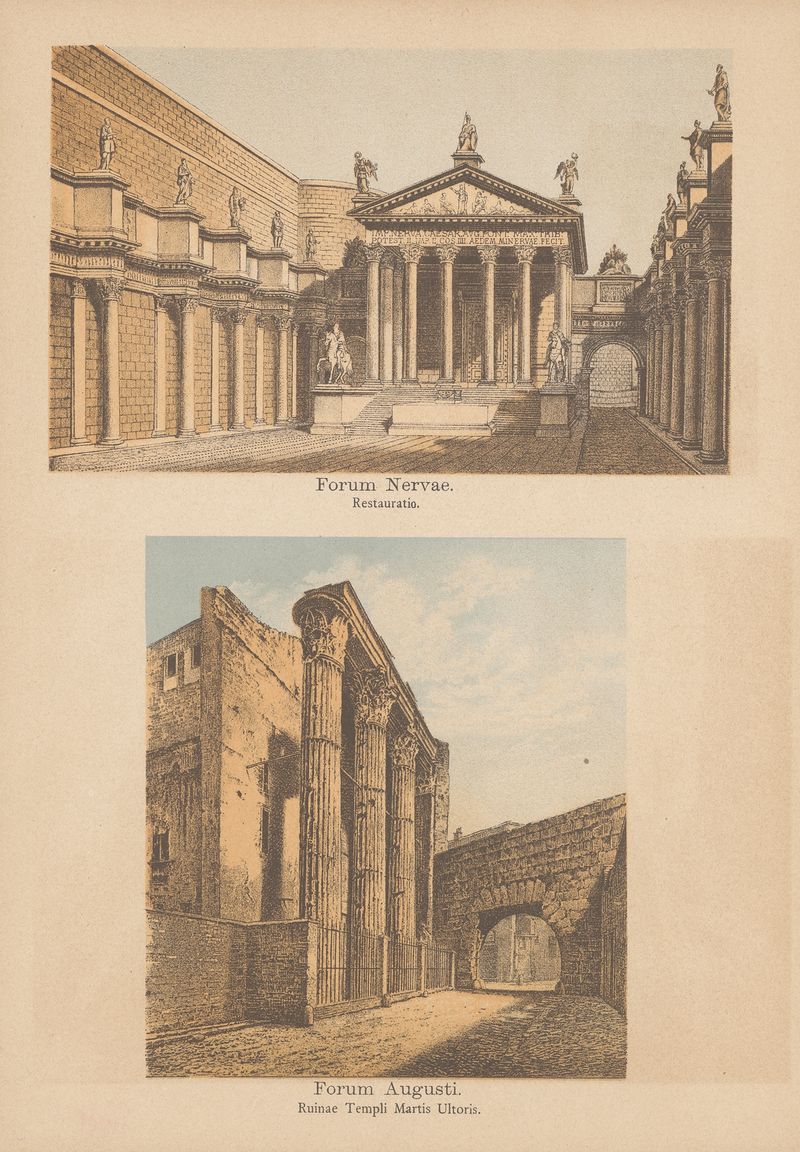
Forum Nervae, Forum Augusti
Christoph Ziegler
More Architecture Art
Browse all →
The statue of Liberty
Frédéric Auguste Bartholdi

View of Houses in Delft, Known as ‘The Little Street’
Johannes Vermeer

View of Houses in Delft, Known as ‘The Little Street’
Johannes Vermeer

The Cathedral in Rouen. The portal, Grey Weather
Claude Monet

The yellow house
Vincent van Gogh

The Church in Auvers-sur-Oise, View from the Chevet
Vincent van Gogh