
Ecluse à Quenast — History & Facts
Did the painter know this moment would outlive them? In the quiet embrace of the imagination, Ecluse à Quenast encapsulates a destiny intertwined with nature and human endeavor—a fleeting moment caught in the delicate balance of time. Focus on the serene waters that cradle the canal, where shades of blue and green meld seamlessly, reflecting the gentle strokes of Taelemans' brush. As you explore the composition, notice the lock gate, its weathered wood and muted tones showcasing both functionality and artistry. The play of light dances across the water's surface, creating a shimmering pathway that draws the viewer's eye toward the horizon, suggesting the promise of journeys yet to come. Delve deeper, and you will uncover the emotional tensions in the juxtaposition of nature and craftsmanship.
The lock represents human ingenuity, yet it stands in harmony with the surrounding landscape, a reminder of nature's enduring presence. The hints of life—a distant figure, a solitary boat—imbue the scene with a sense of quiet contemplation, inviting thoughts of the many stories that unfold along this waterway. The stillness evokes a sense of waiting, as if both the landscape and the viewer are poised on the brink of something transformative. In his career, Taelemans often explored the delicate interplay between human structures and natural settings.
Painted during a time when the movement toward industrialization was reshaping landscapes, Ecluse à Quenast reflects the artist's acute awareness of the beauty found in hard work and the inevitability of change. The piece, although undated, stands as a testament to the timelessness of art and the legacies that endure long after the creators have departed.
More Artworks by Jean-François Taelemans
Browse all →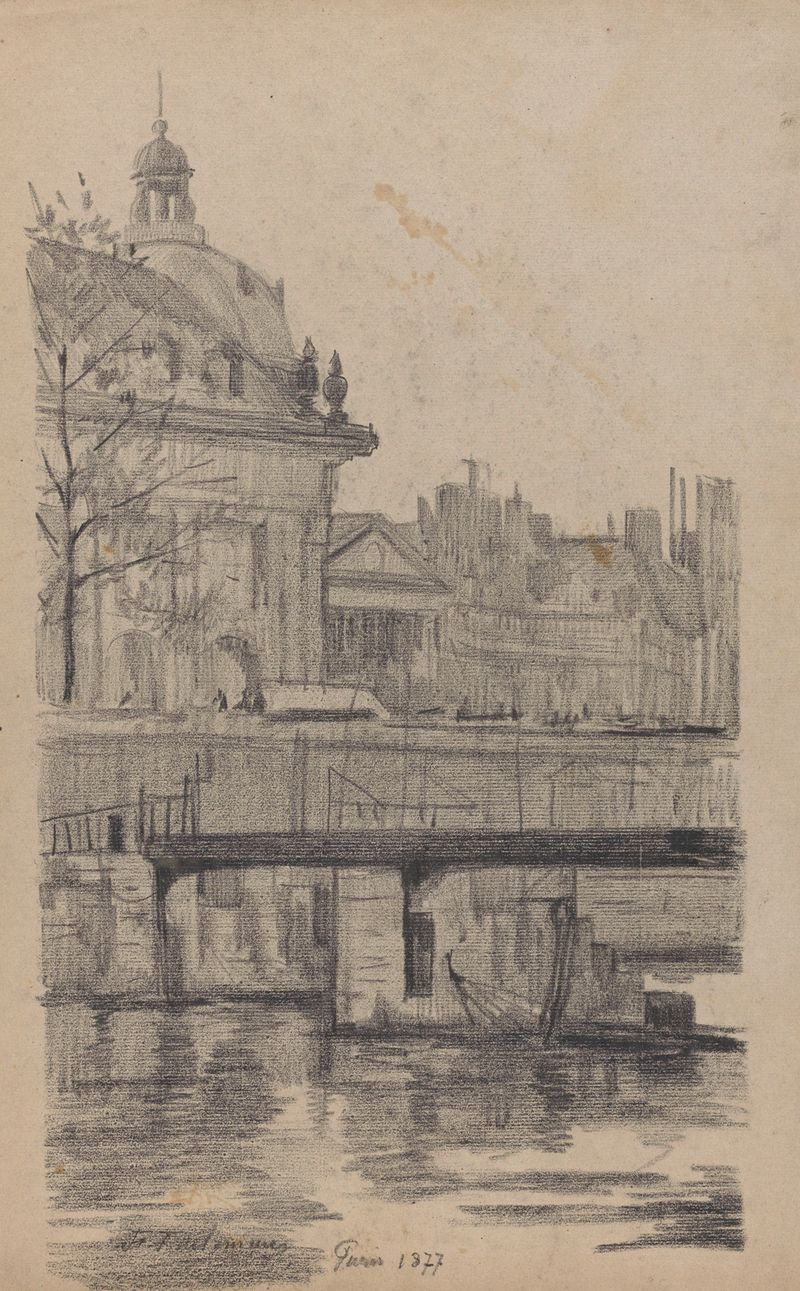
Paris (vue de la Seine et du Collège des Quatre Nations (actuellement siège de l’Institut de France)
Jean-François Taelemans
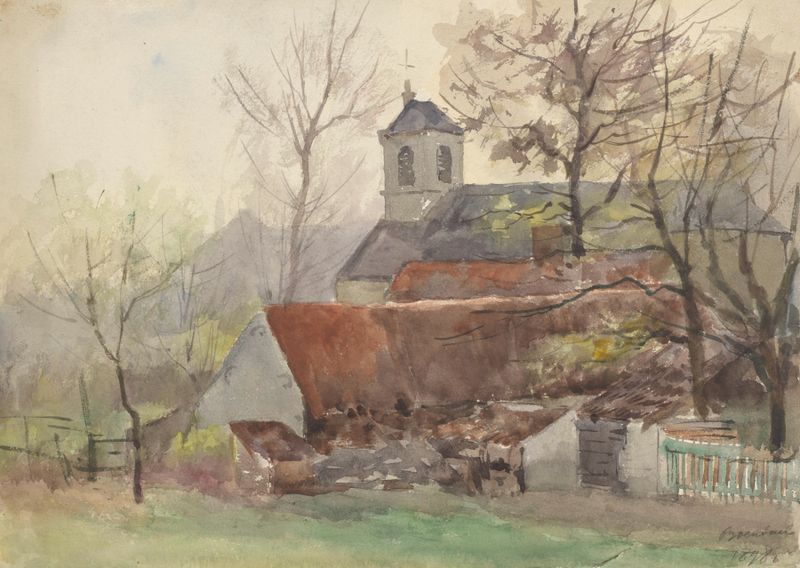
Boendael (église)
Jean-François Taelemans
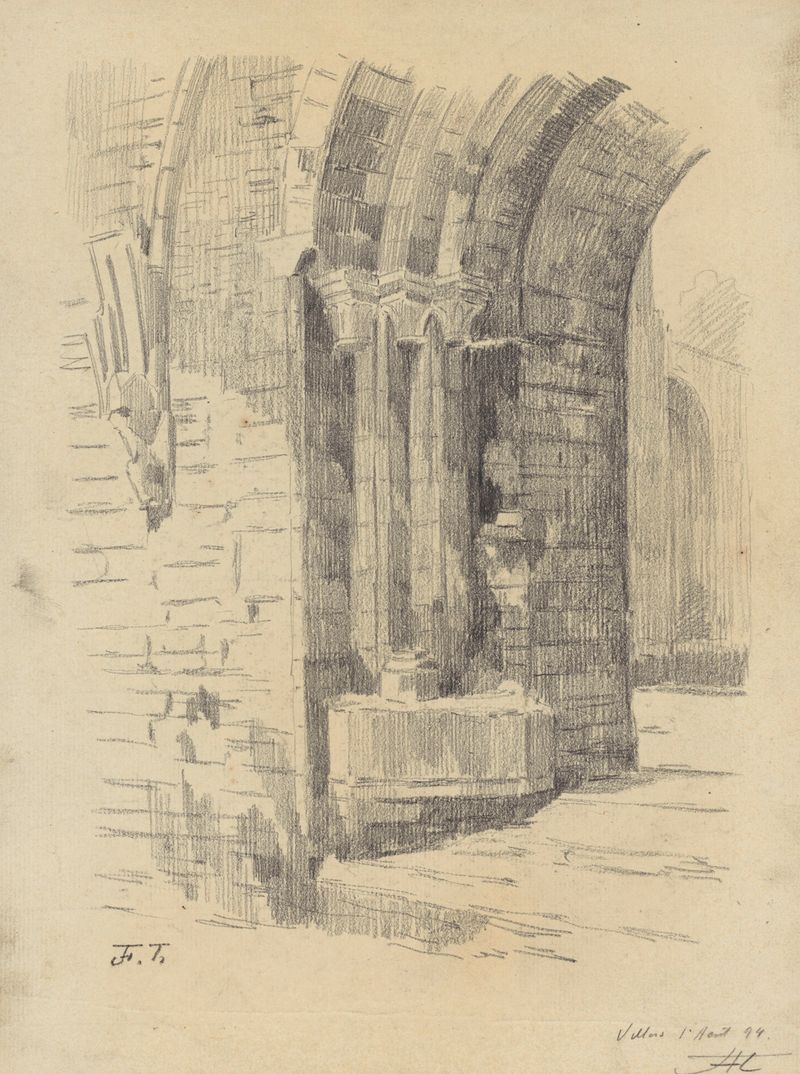
Ruines de l’abbaye de Villers-la-Ville – porche entre le cloître et l’église abbatiale (côté droit)
Jean-François Taelemans
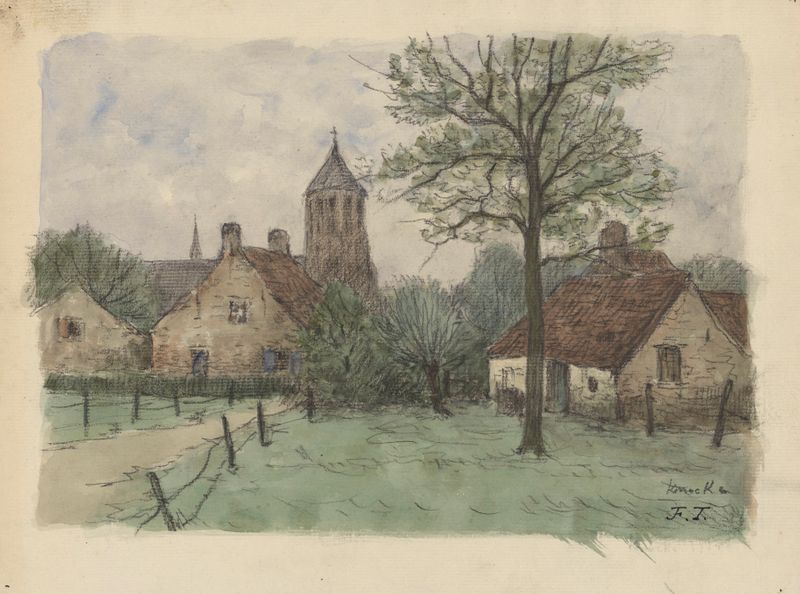
Village et église Sint Margaretha à Knocke
Jean-François Taelemans
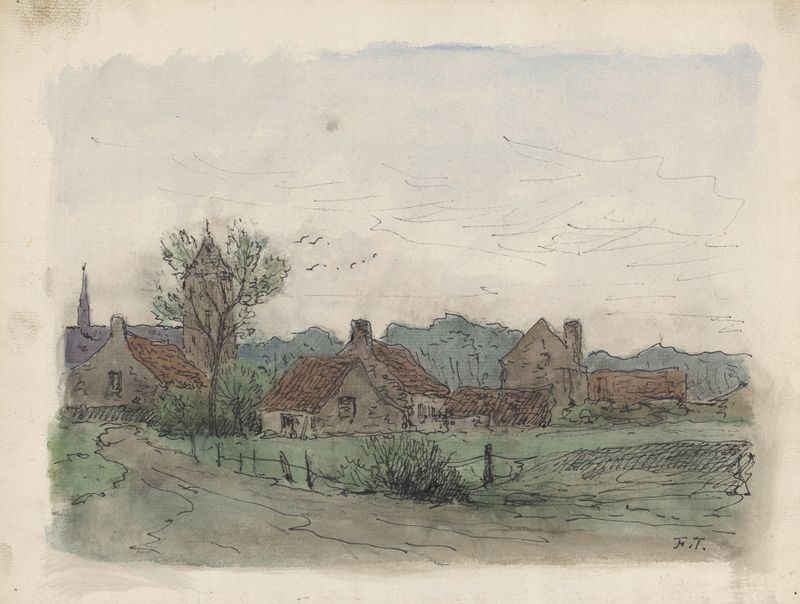
Village
Jean-François Taelemans
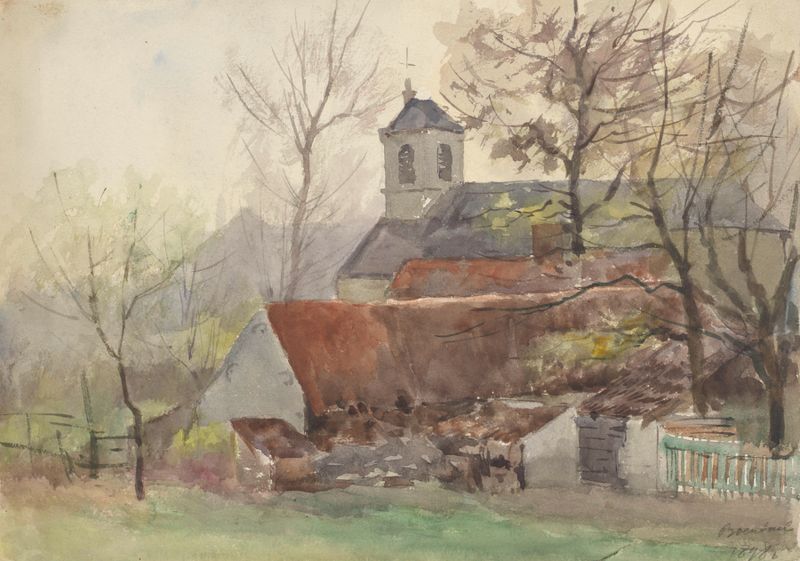
Boendael (église)
Jean-François Taelemans
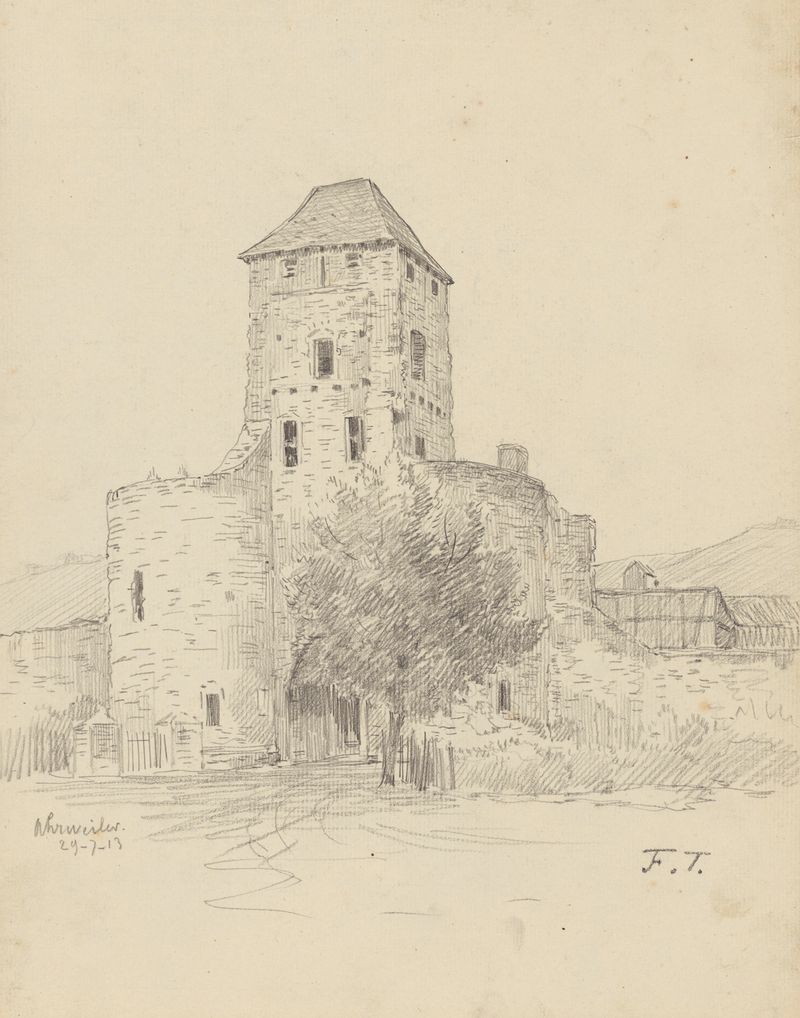
Vieille tour (porte) à Ahrweiler (Allemagne)
Jean-François Taelemans
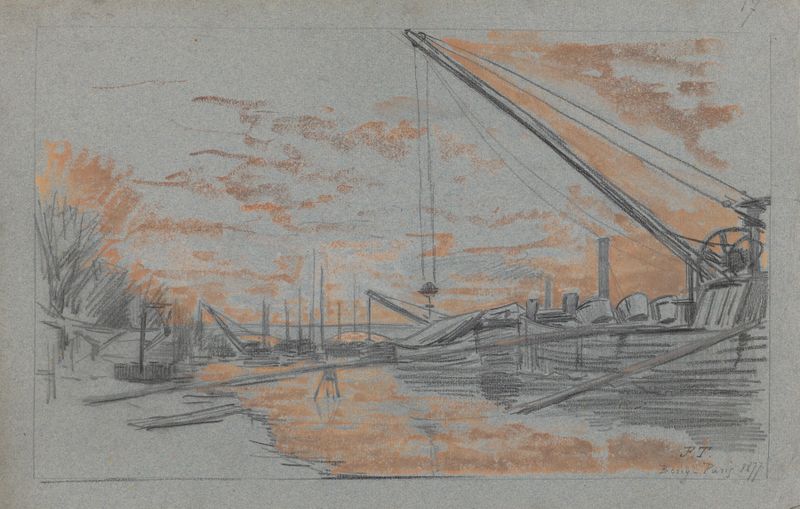
Bercy – Paris (bord de Seine avec chalands à l’ancre en cours de chargement, soleil couchant)
Jean-François Taelemans
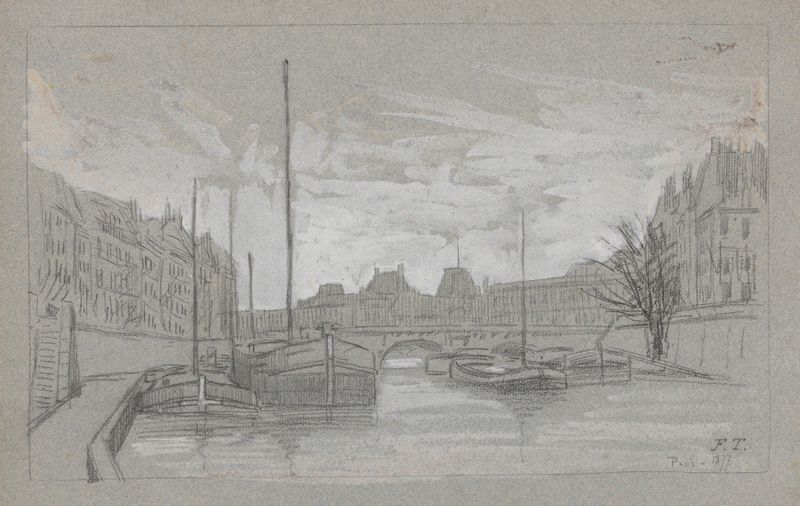
Paris (bateaux sur la Seine près d’un pont)
Jean-François Taelemans
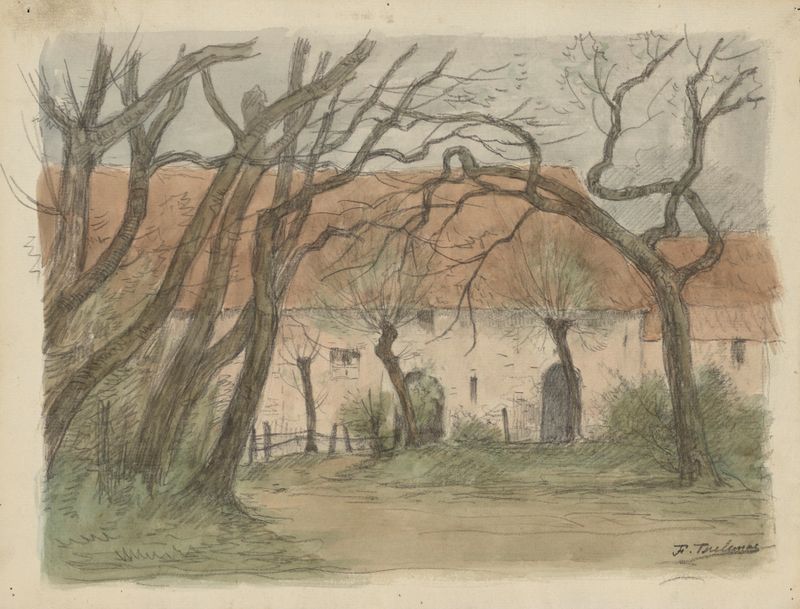
Grande maison campagnarde derrière un bouquet d’arbres
Jean-François Taelemans





