
Edam — History & Facts
This sentiment encapsulates the profound longing that permeates Grondhout's Edam, inviting viewers to connect with their own hidden desires and unexpressed emotions. Look to the center of the canvas where a quaint canal curves through a village, its tranquil waters mirroring the soft palette of muted greens and yellows. The delicate brushstrokes convey a sense of stillness, while the dappled light creates an intimate interplay between shadow and illumination. Notice how the quaint thatched-roof houses seem almost to whisper secrets of bygone days, each window reflecting a story yet to be told. As you absorb the scene, consider the emotional undertones of isolation amidst beauty.
The serene waters evoke a yearning for connection, while the absence of figures suggests a solitude that resonates deeply within the viewer. This juxtaposition of stillness and longing highlights the artist's masterful ability to evoke a sense of nostalgia, reminding us of what is lost or perhaps never attained. Willem Adrianus Grondhout created Edam during a transformative period in the late 19th to early 20th century, a time marked by shifting artistic movements in Europe. Working in the Netherlands between 1888 and 1934, he was influenced by the Impressionists while still maintaining a distinct focus on the tranquil landscapes and scenes of everyday life.
During this era, the world was grappling with rapid changes, yet Grondhout's art offers a refuge, a pause to reflect on the beauty of simplicity and a reminder of our unfulfilled aspirations.
More Artworks by Willem Adrianus Grondhout
Browse all →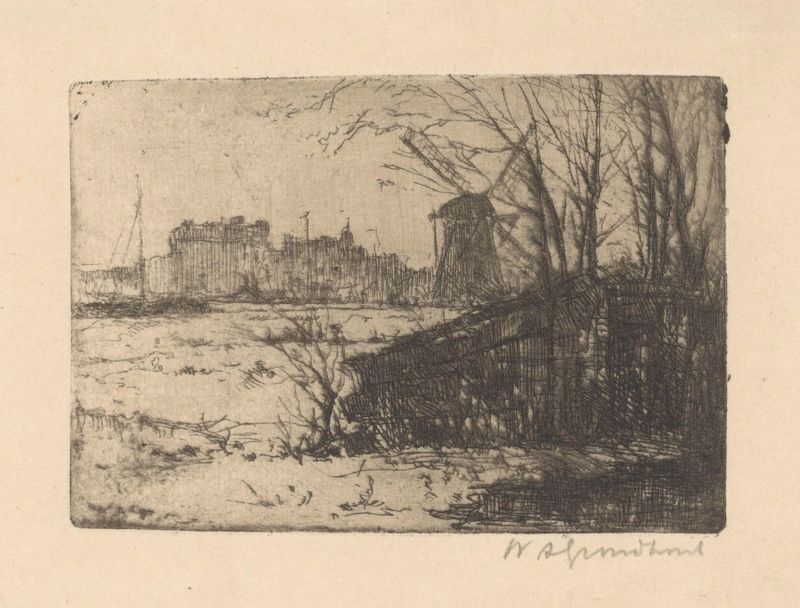
Landschap met molen in de Binckhorst in Den Haag
Willem Adrianus Grondhout
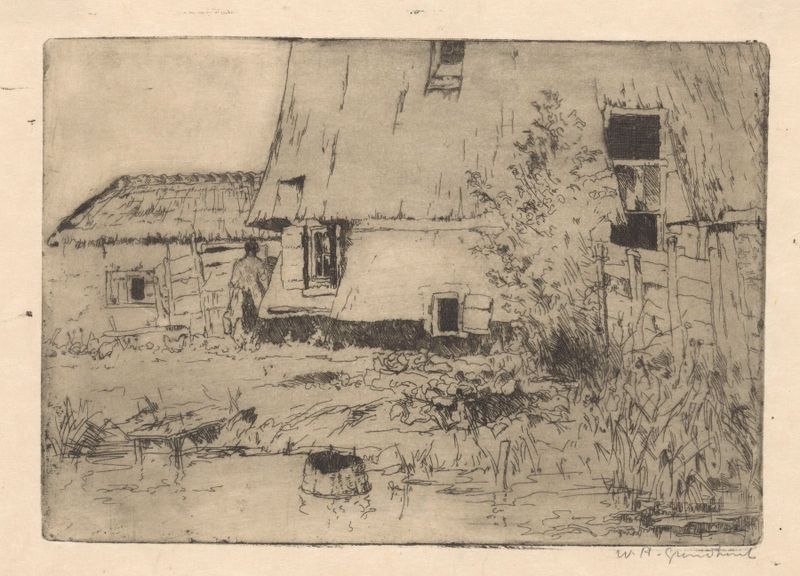
Voet van een molen in Voorburg
Willem Adrianus Grondhout
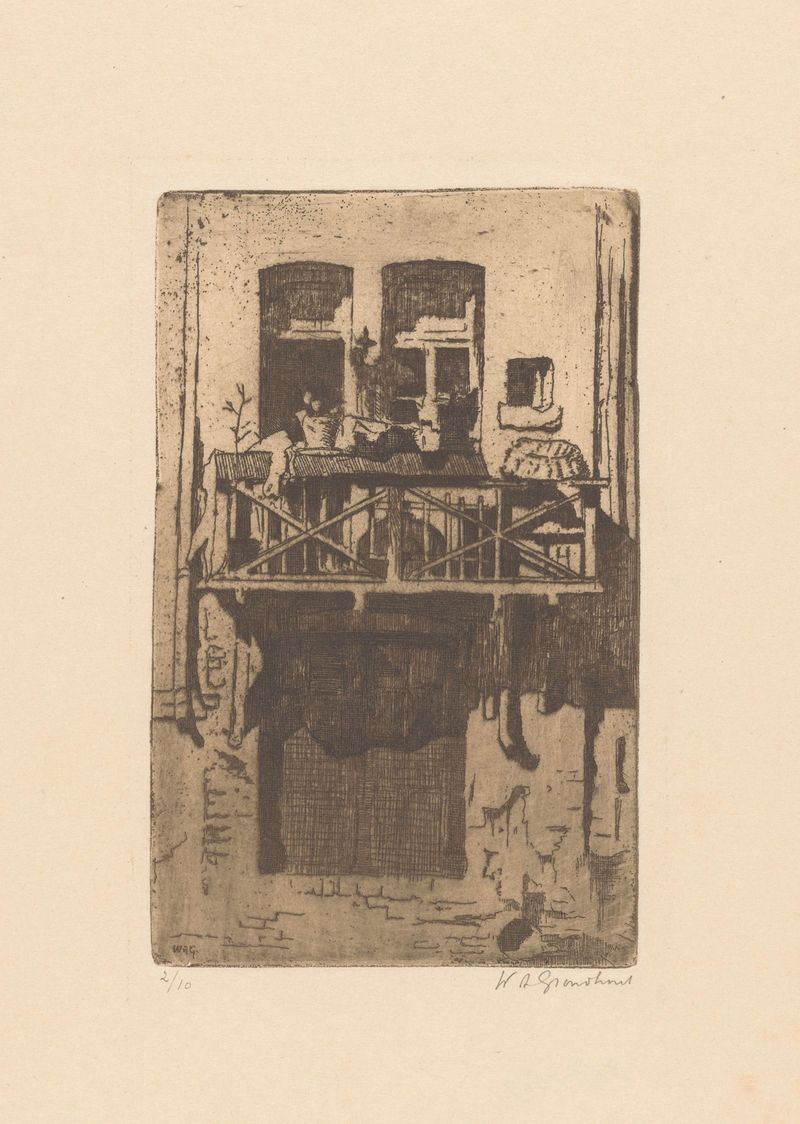
Balkon van een huis aan de Oudezijds Kolk in Amsterdam
Willem Adrianus Grondhout
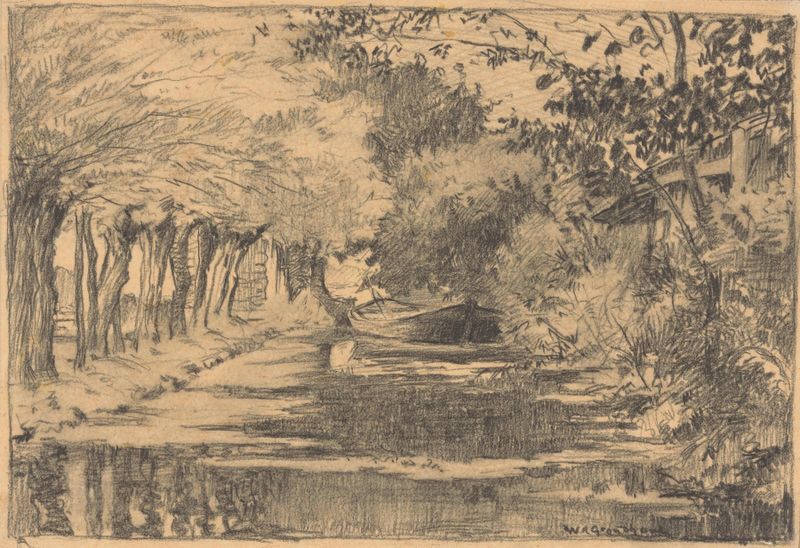
Broeksloot bij Voorburg
Willem Adrianus Grondhout
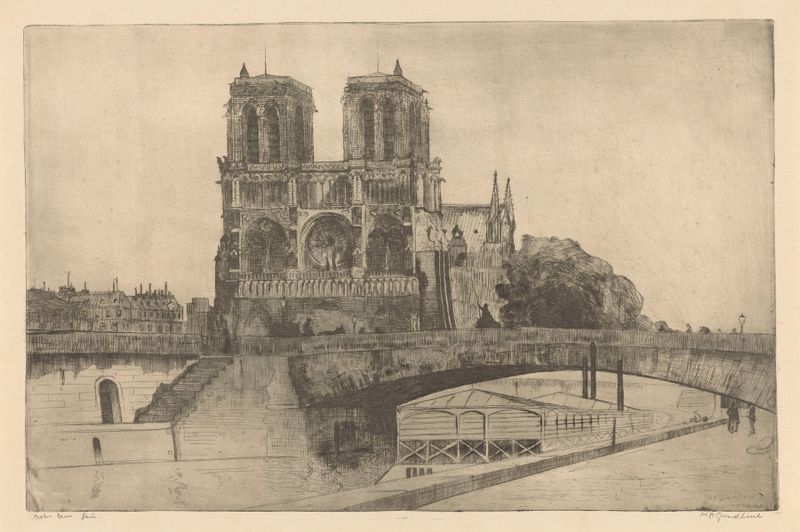
Notre-Dame, Paris
Willem Adrianus Grondhout
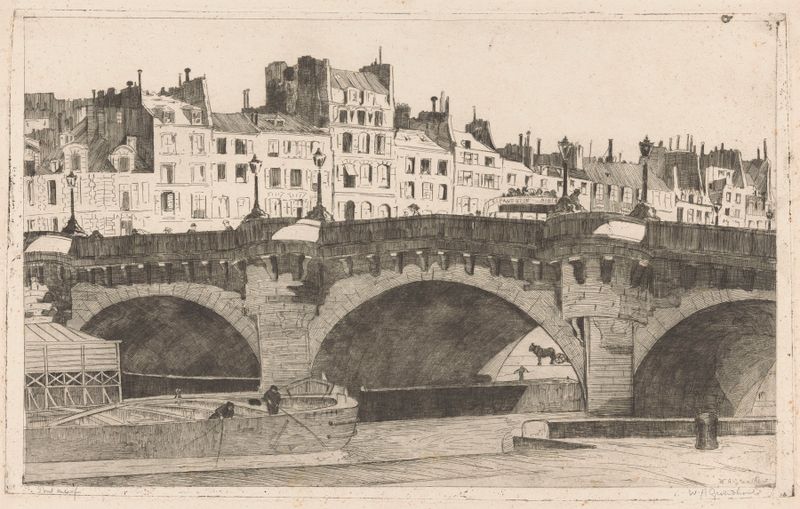
Pont Neuf
Willem Adrianus Grondhout
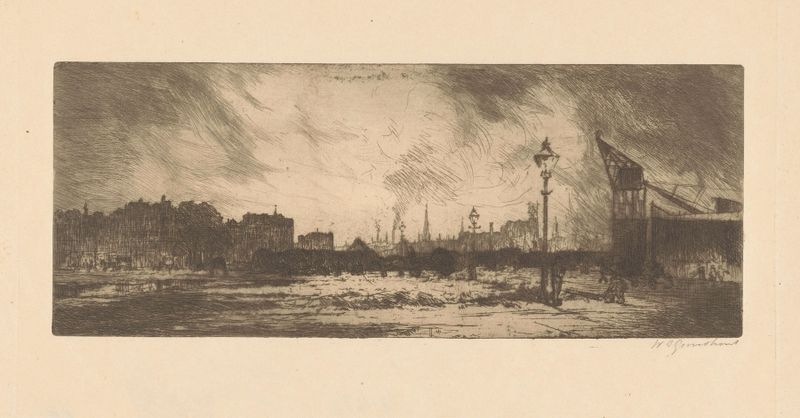
Havenkade met lantaarnpalen in Rotterdam
Willem Adrianus Grondhout
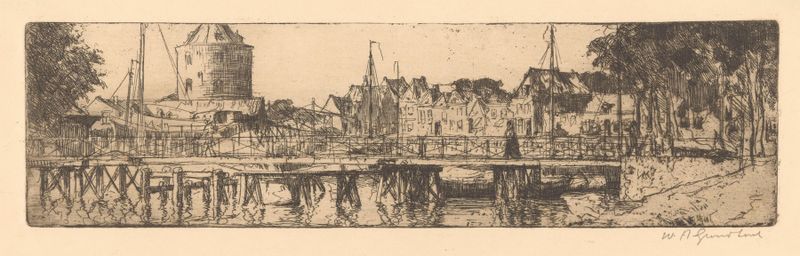
Enkhuizen
Willem Adrianus Grondhout
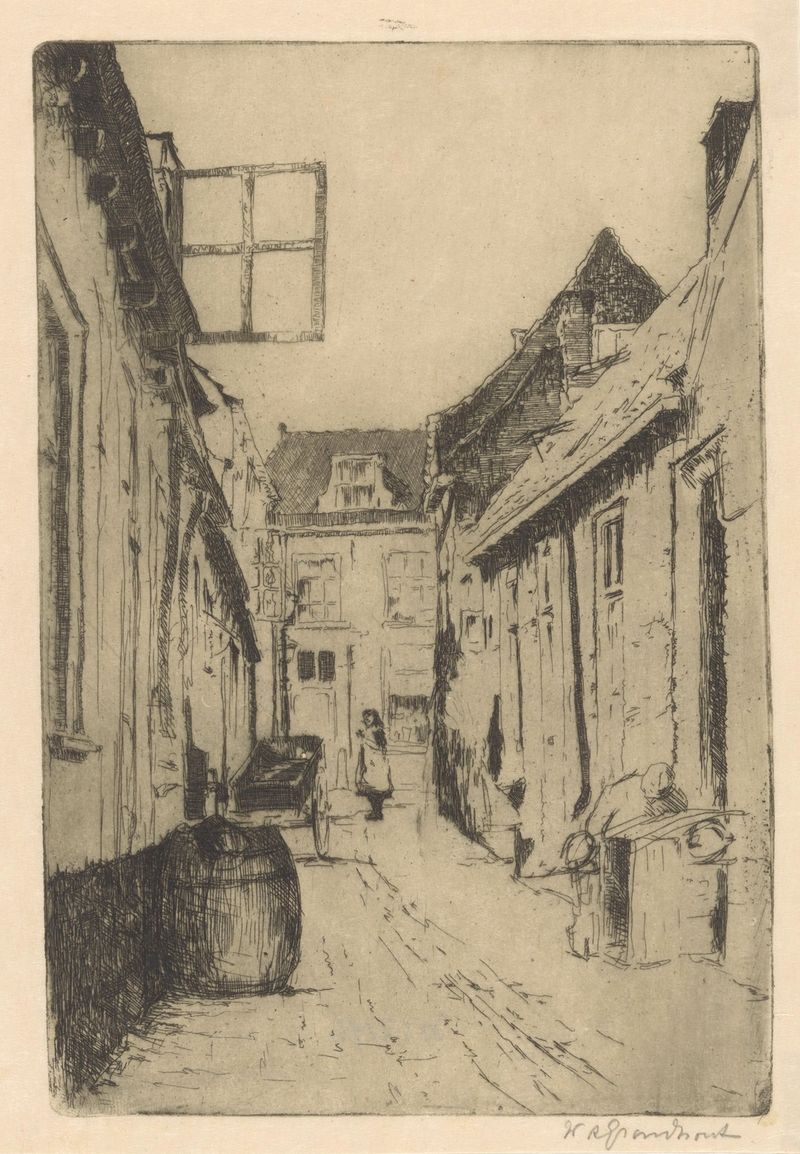
Straatje in Voorburg.
Willem Adrianus Grondhout
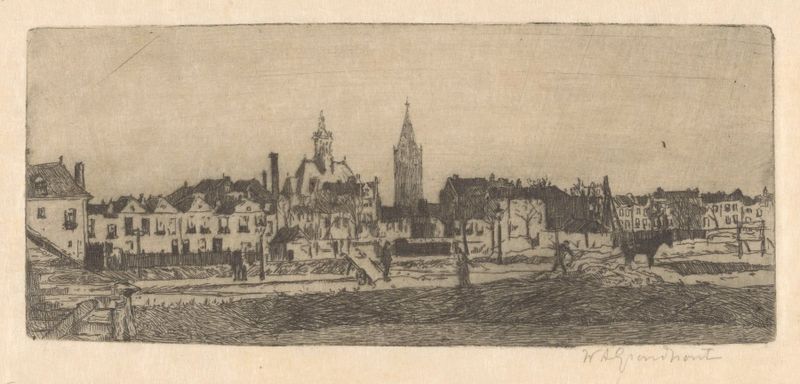
Delft
Willem Adrianus Grondhout





