
Een molen in de winter — History & Facts
Could a single brushstroke hold eternity? In Een molen in de winter, splashes of color capture a world suspended between the chill of winter and the warmth of memory. Look to the center where the windmill stands resilient against a muted sky, its blades gently caught in a wistful breeze. Notice how the calming blues and grays dominate the palette, contrasting with splashes of ochre and white that bring life to the surrounding landscape. The artist’s brushwork creates an almost tactile quality, guiding the eye across the canvas as it dances between the starkness of winter and the promise of spring. This painting is imbued with layers of meaning.
The windmill, a symbol of Dutch perseverance, offers a poignant reminder of nature's cyclic beauty and fragility. The choice of color evokes a sense of somber tranquility, while the rough texture applied in certain areas confronts the viewer with the rawness of the season—suggesting both death and rebirth. Such contrasts resonate within the broader context of the human experience, where moments of stillness often precede transformation. Jacob Maris painted this work between 1847 and 1899 during a period where the Dutch art scene was evolving, influenced by the Romantic movement and the burgeoning Impressionist style.
Living in The Hague, he was part of a vibrant community of artists capturing the beauty of the Dutch landscape, yet he was also facing personal challenges and the changing tides of societal expectations. This painting reflects both his mastery of light and color and the profound connection to his homeland during a tumultuous era.
More Artworks by Jacob Maris
Browse all →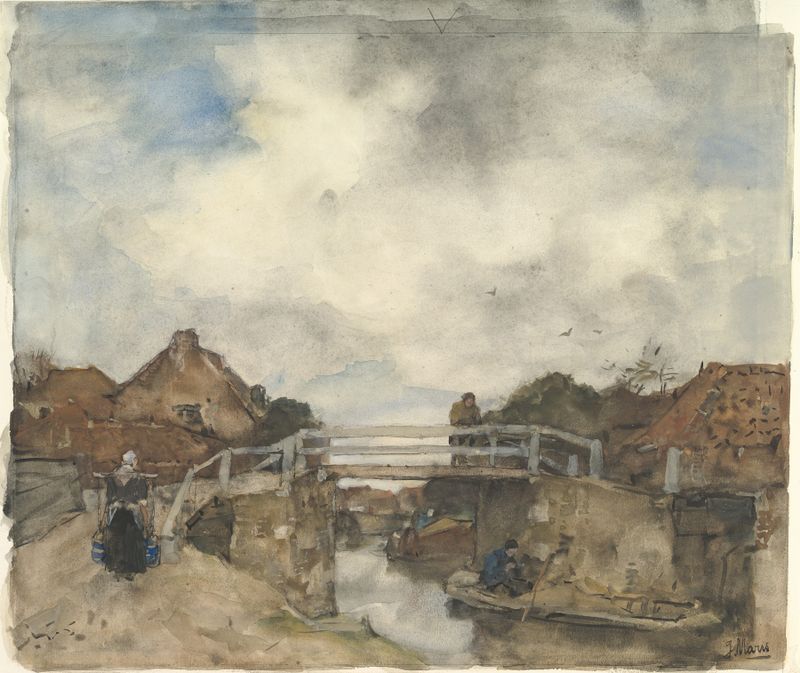
Dutch Canal, Rijswijk
Jacob Maris
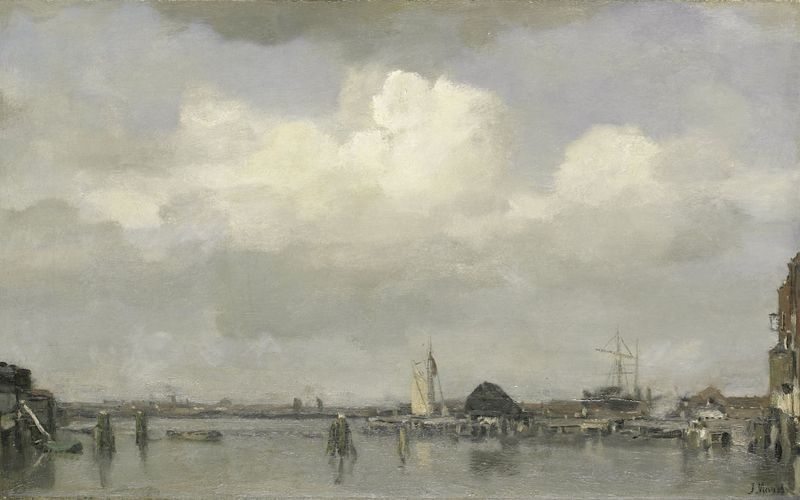
Havengezicht
Jacob Maris
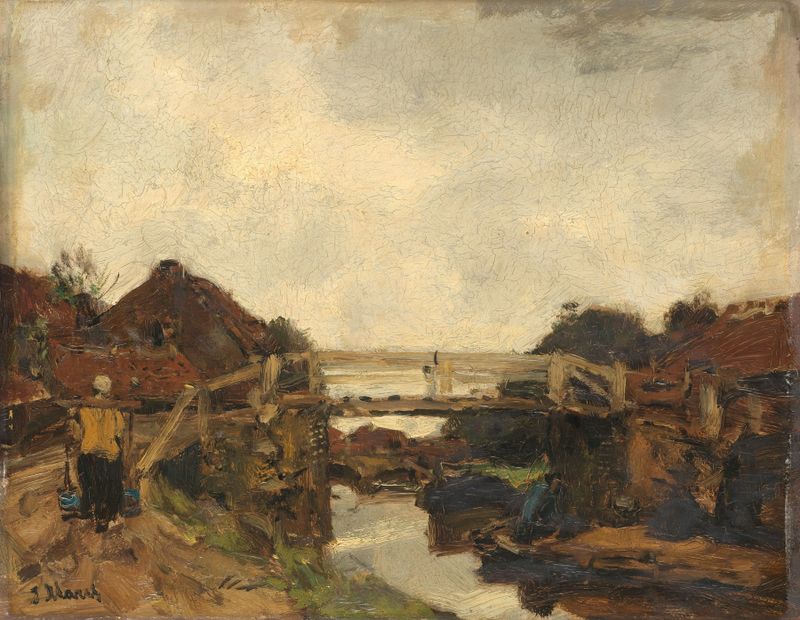
Wooden Bridge across a Canal at Rijswijk
Jacob Maris
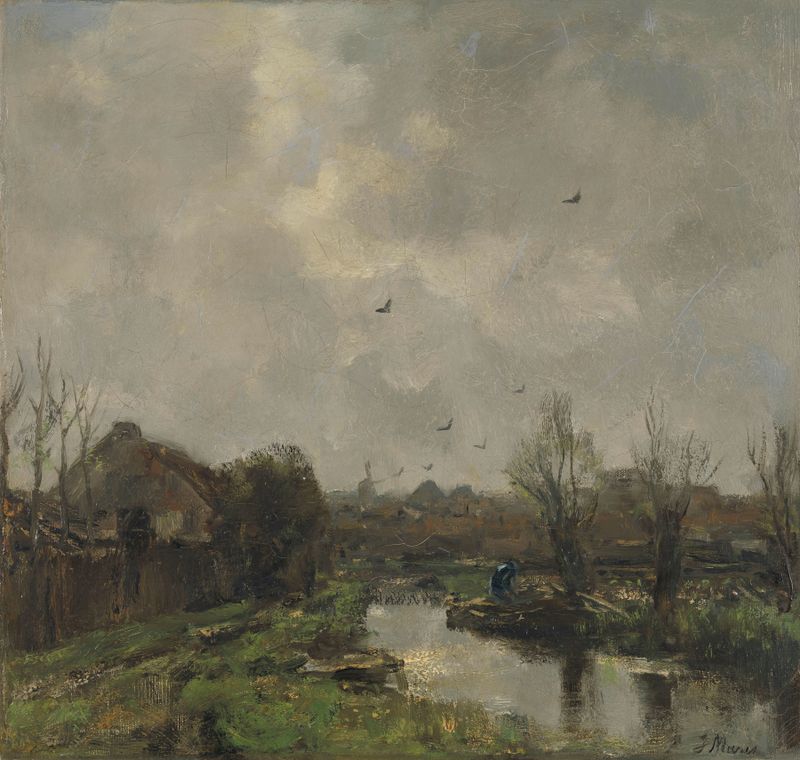
Landschap in de omgeving van Den Haag
Jacob Maris
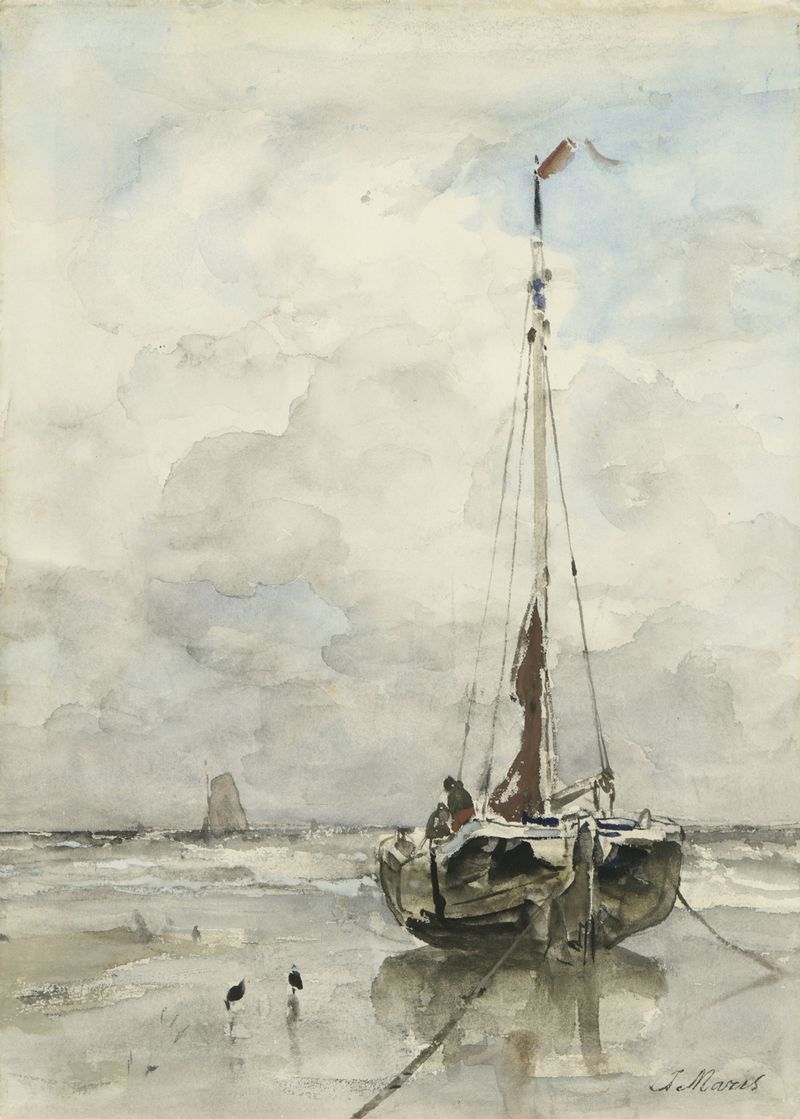
Visserspink aan het strand
Jacob Maris
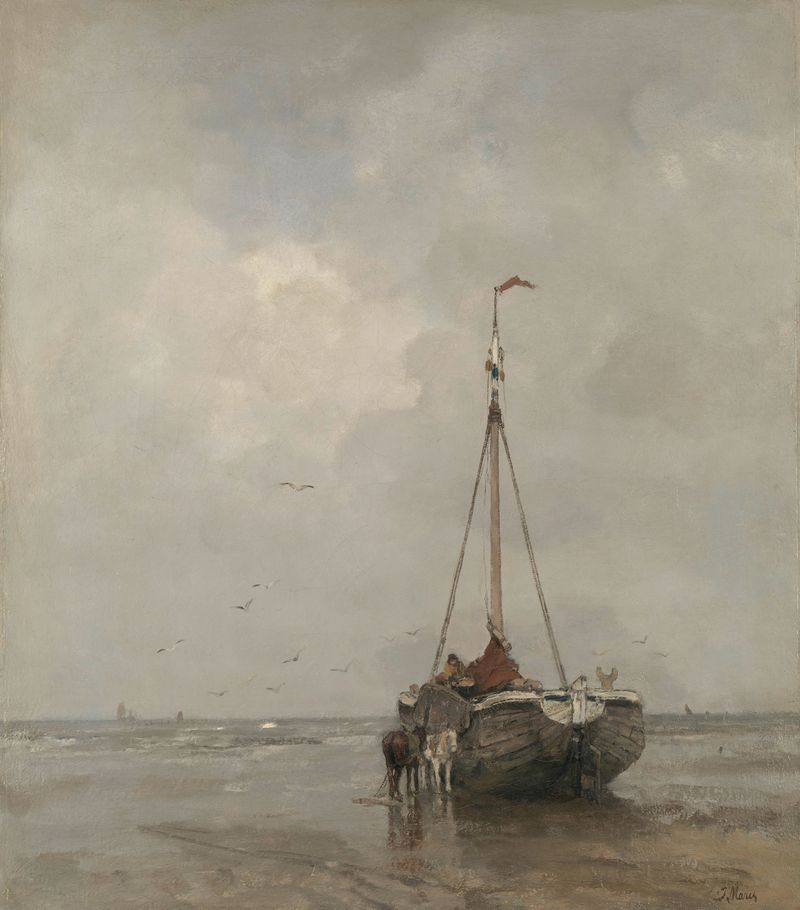
Bluff-bowed Fishing Boat on the Beach at Scheveningen
Jacob Maris
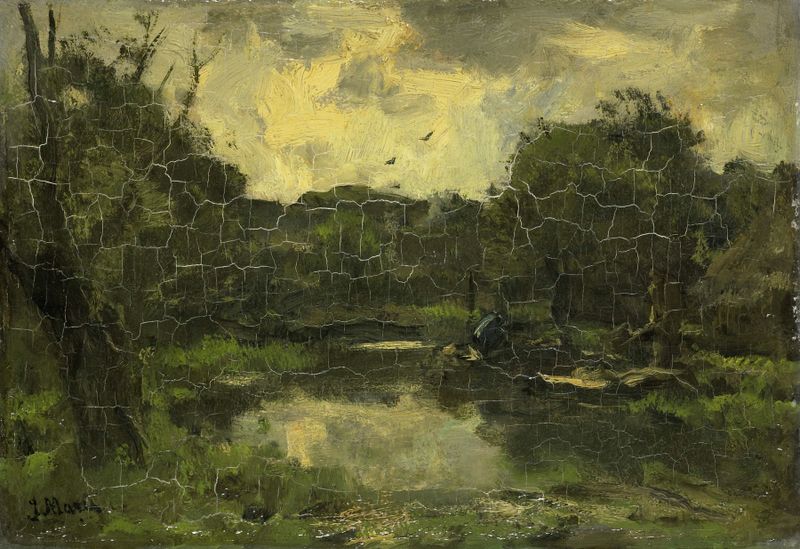
Landschap met schuit
Jacob Maris
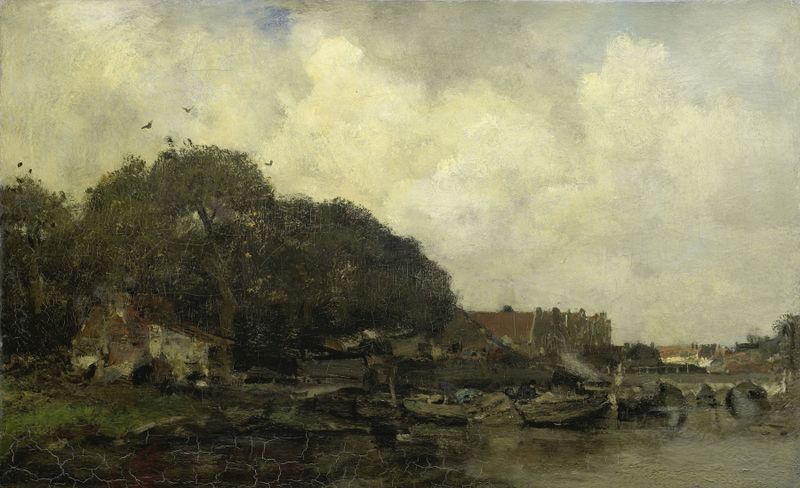
Havengezicht
Jacob Maris
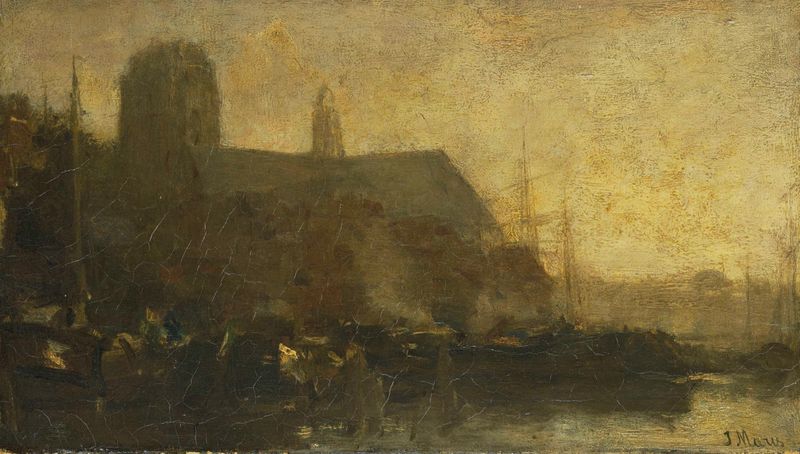
Schepen in de haven van Dordrecht
Jacob Maris
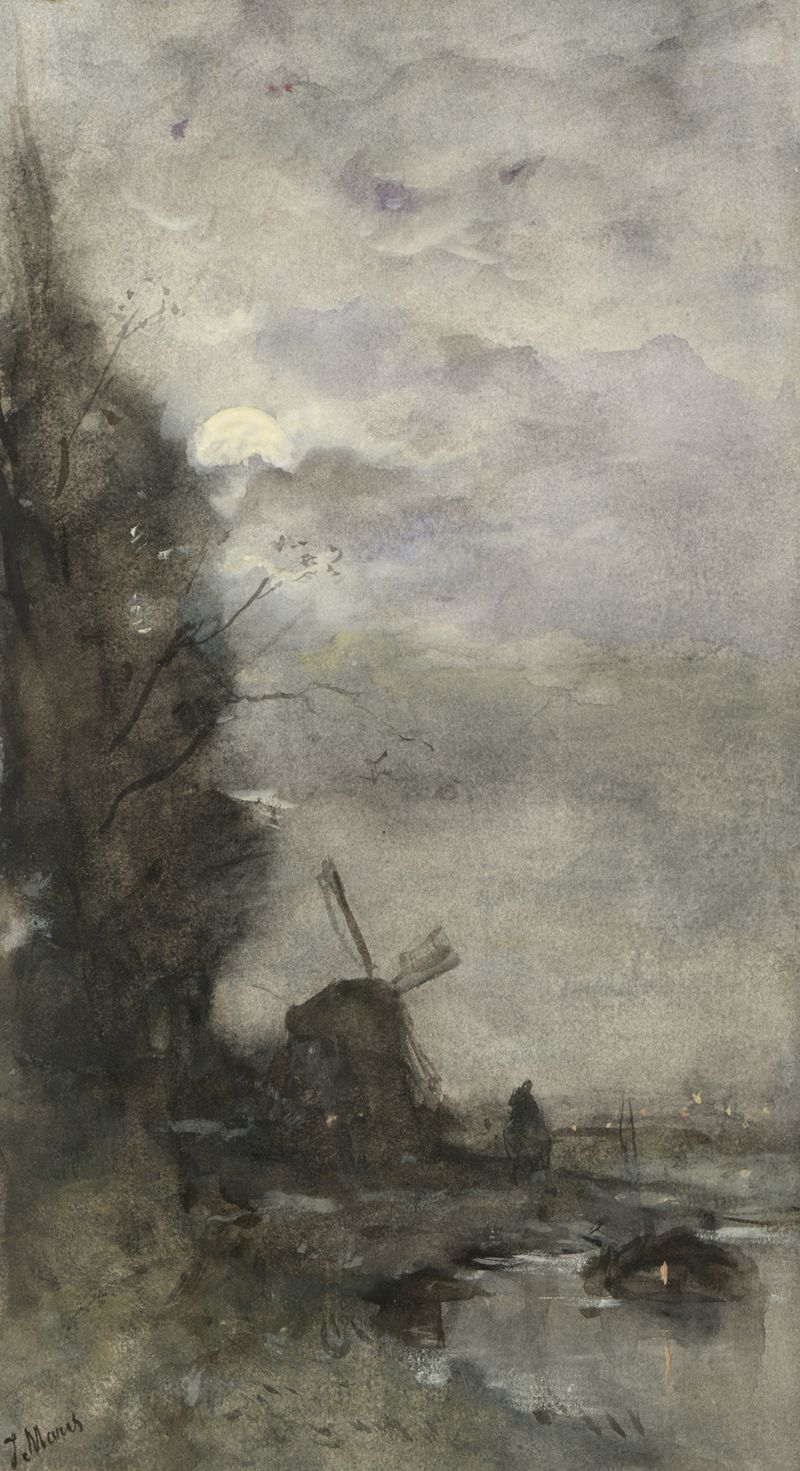
Landschap met molen bij maanlicht
Jacob Maris





