
Schepen in de haven van Dordrecht — History & Facts
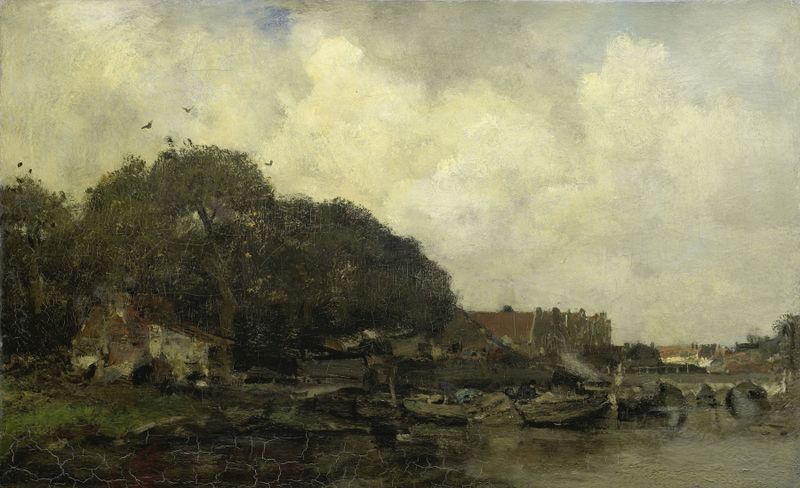
In the stillness of a bustling harbor, the air is thick with the scent of salt and oil, a promise of awakening. Boats bob gently in the water, their hulls reflecting the tender hues of dawn. This scene, captured in vibrant brushstrokes, invites the viewer to delve deeper, to feel the pulse of life that thrums just beneath the painted surface. Look to the foreground, where a trio of boats rests in serene congregation.
Notice how the light dances on the water, illuminating the intricate details of their rigging and sails. The artist employs a palette of blues and warm earth tones, creating a contrast between the coolness of the water and the warm glow of the rising sun. The composition leads the eye from the boats to the distant buildings lining the harbor, setting a tranquil yet vibrant stage for the life unfolding within this moment. Yet, amid this calmness, there exists a tension.
The slight tilt of the boats suggests a whisper of wind, while the absence of human figures evokes a poignant solitude, as if waiting for life to resume its course. The delicate brushwork captures not just the scene, but the very essence of anticipation, a reminder that every harbor is a gateway between stillness and movement. This duality speaks volumes about the transient nature of existence — even in quiet, there is a promise of awakening. Jacob Maris painted this piece between 1880 and 1899, during a time when the Dutch artistic landscape was evolving.
As a leading figure in the Hague School, he sought to capture the essence of everyday life, showcasing the beauty of natural light. His life was marked by a commitment to plein air painting, reflecting his fascination with the Dutch landscape and the interplay of light—a pursuit that would define much of his work and the broader movement of realism in art.
More Artworks by Jacob Maris
Browse all →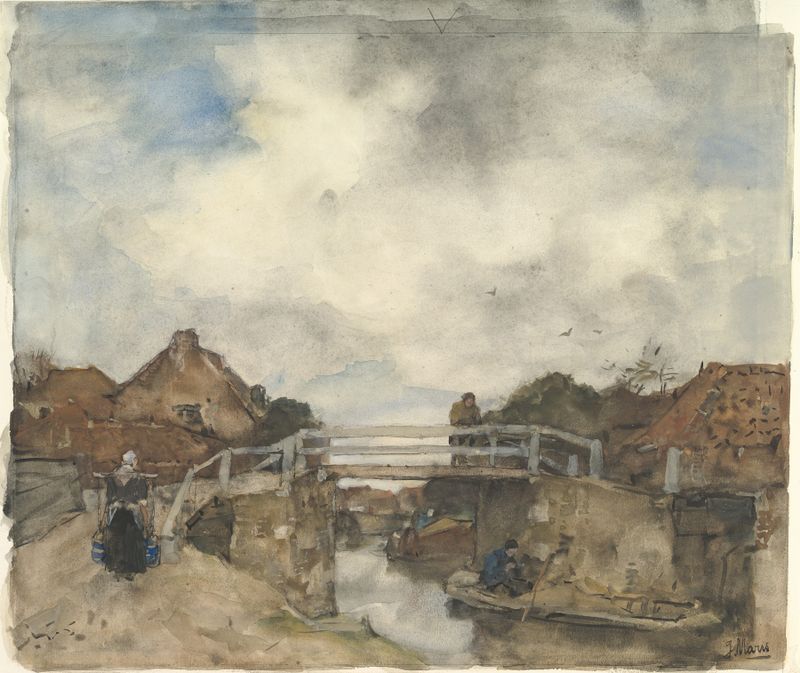
Dutch Canal, Rijswijk
Jacob Maris
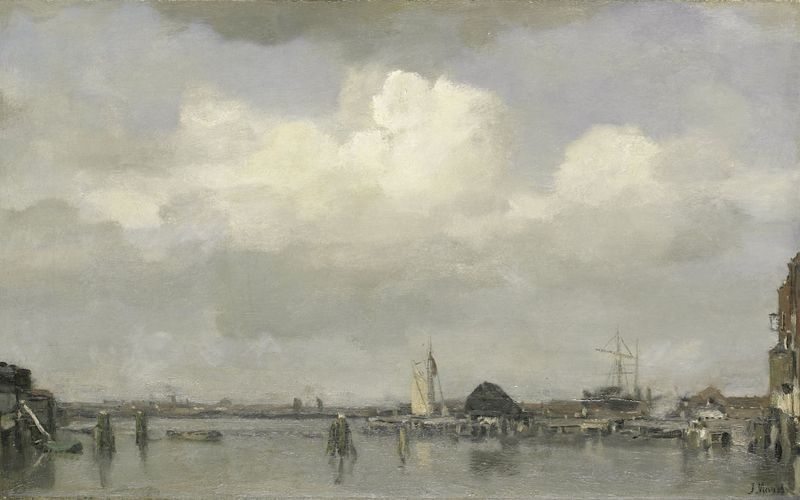
Havengezicht
Jacob Maris
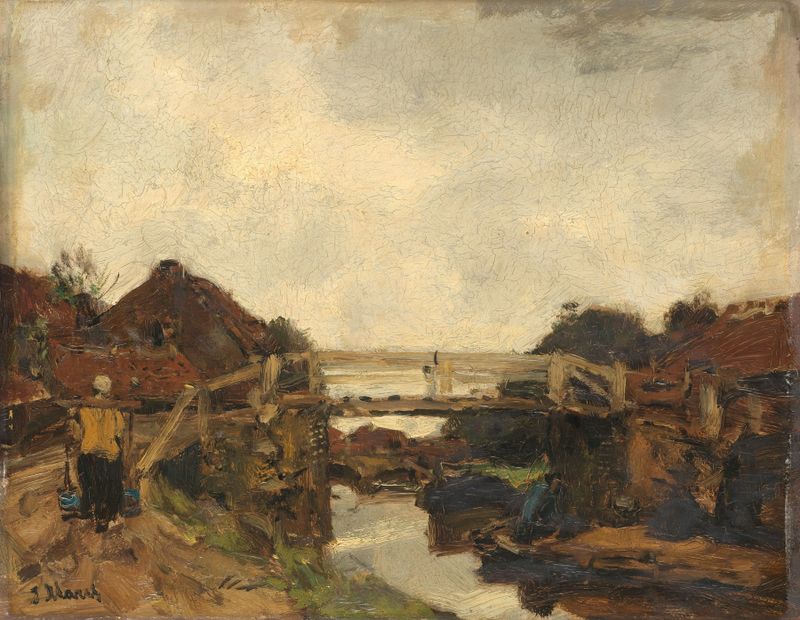
Wooden Bridge across a Canal at Rijswijk
Jacob Maris
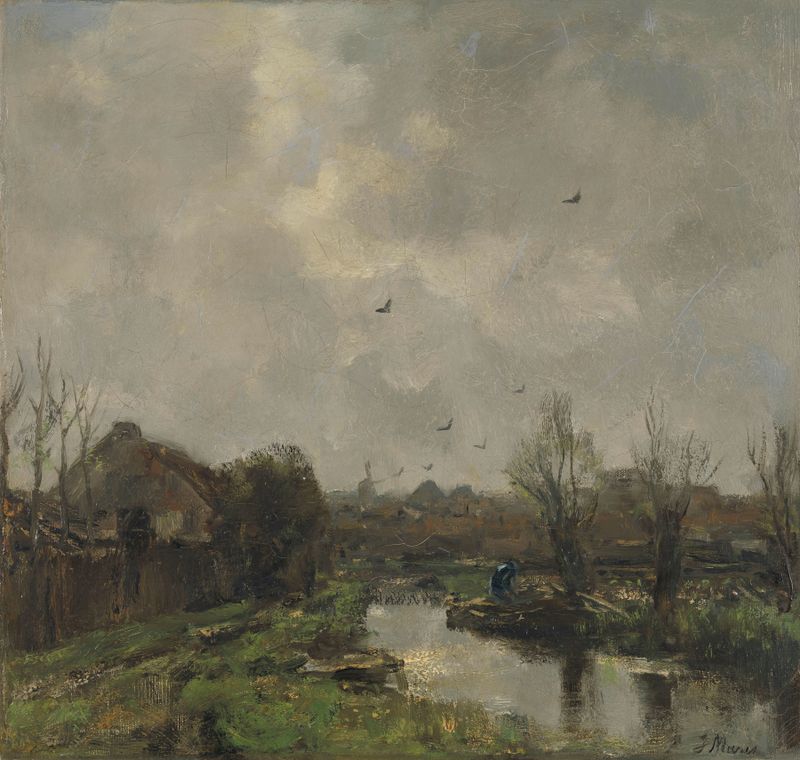
Landschap in de omgeving van Den Haag
Jacob Maris
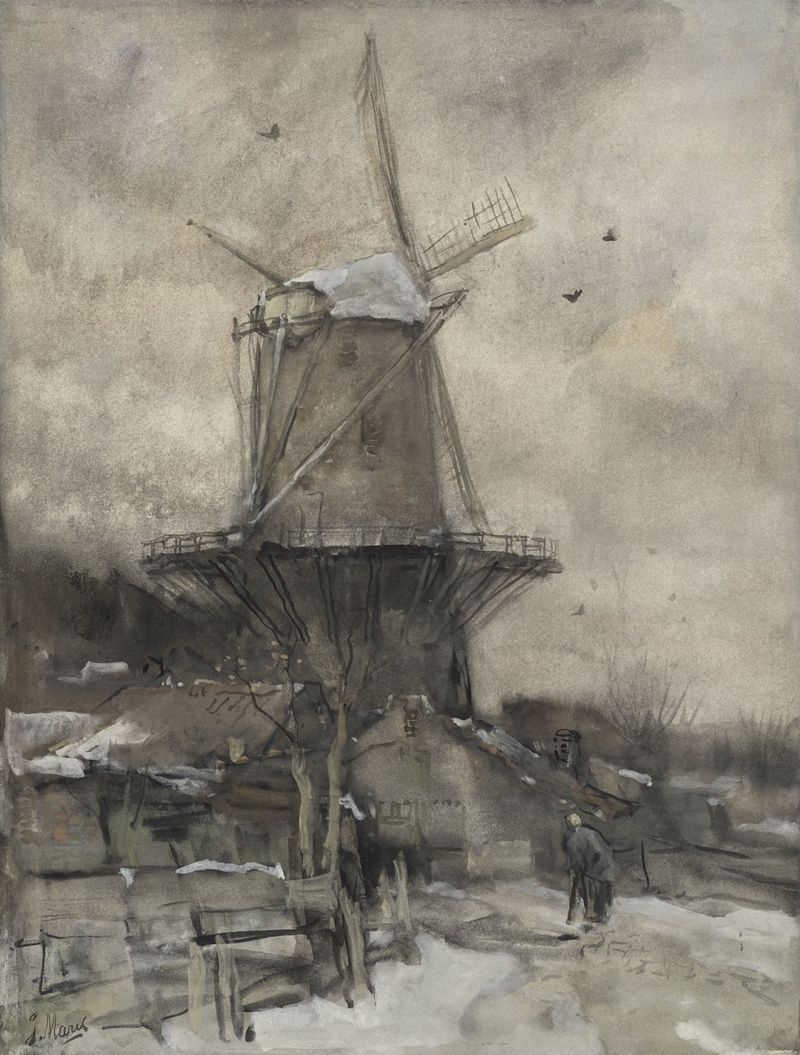
Een molen in de winter
Jacob Maris
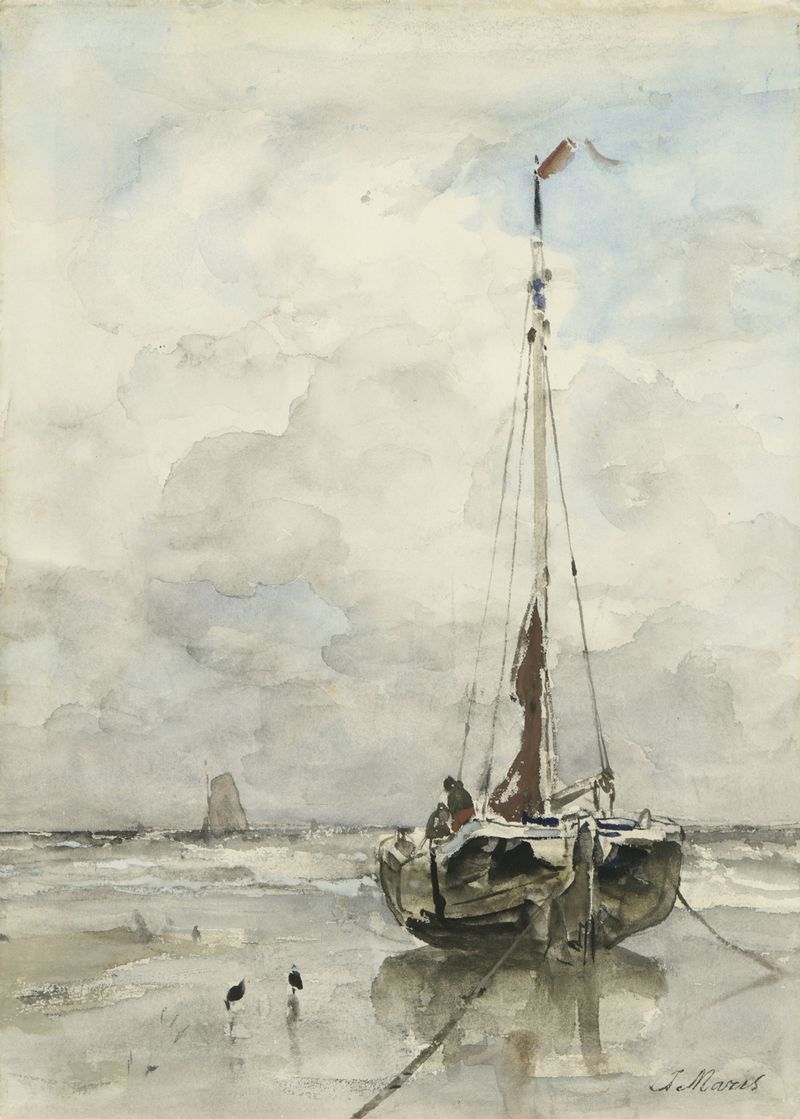
Visserspink aan het strand
Jacob Maris
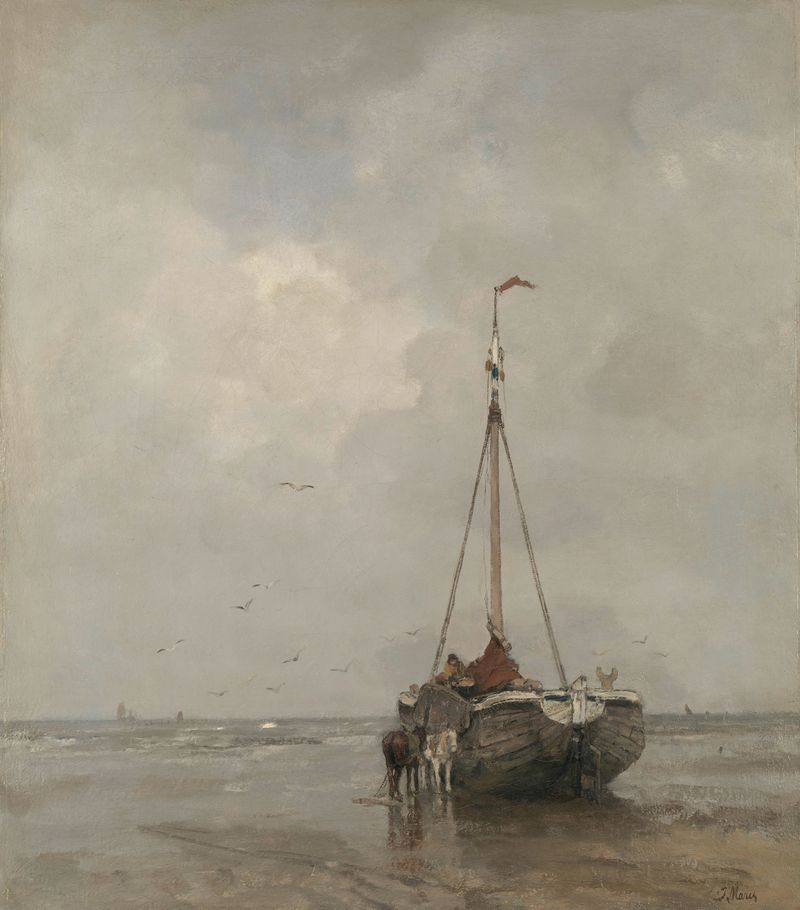
Bluff-bowed Fishing Boat on the Beach at Scheveningen
Jacob Maris
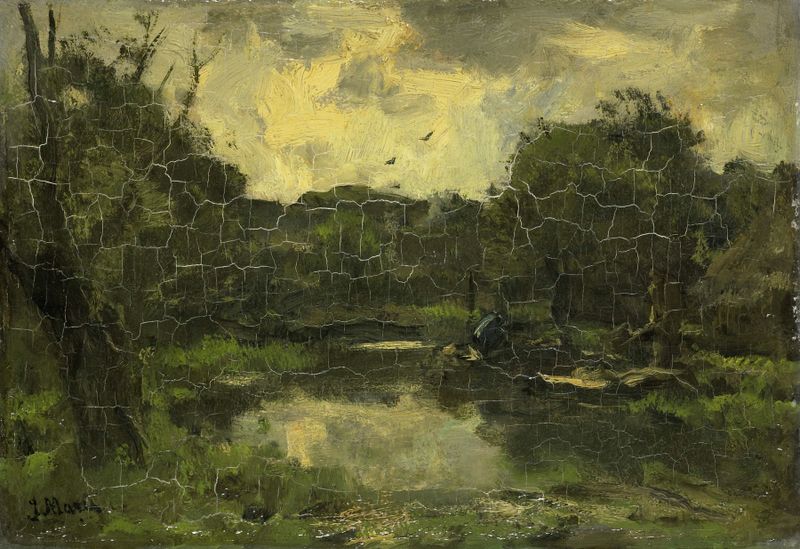
Landschap met schuit
Jacob Maris
Havengezicht
Jacob Maris
Landschap met molen bij maanlicht
Jacob Maris





