
Landschap in de omgeving van Den Haag — History & Facts
In the quiet embrace of memory, landscapes echo the whispers of sorrow and joy intertwined. Look to the left at the rolling hills, where the soft greens fade into muted browns, tracing the contours of the land with a delicate touch. The sky occupies the upper third, a gradient of soft blues and grays, hinting at a fleeting moment just before twilight. Notice how the golden sunlight spills over the horizon, illuminating the scene and casting a warm glow that contrasts with the somber earth tones below.
Each stroke reveals Maris' mastery of light and shadow, inviting the viewer to lose themselves in this serene yet melancholic vista. The interplay of light and shadow conveys a profound emotional tension—a longing for what was once cherished and is now lost. The gentle undulations of the landscape evoke a sense of nostalgia, while the looming clouds overhead suggest an unresolved turmoil, a lingering grief that permeates the air. The juxtaposition of warmth against coolness signifies both the comfort of memory and the ache of absence, creating a space where viewers can both reflect and feel. In 1891, Jacob Maris painted this exquisite landscape while living in The Hague, a city steeped in artistic innovation.
At this time, he was exploring the Dutch landscape tradition, blending impressionistic techniques with a personal touch. The world was in flux, as artists were beginning to break from convention, and Maris stood at the forefront of this movement, grappling with his own emotional landscape while capturing the beauty and sorrow of his surroundings.
More Artworks by Jacob Maris
Browse all →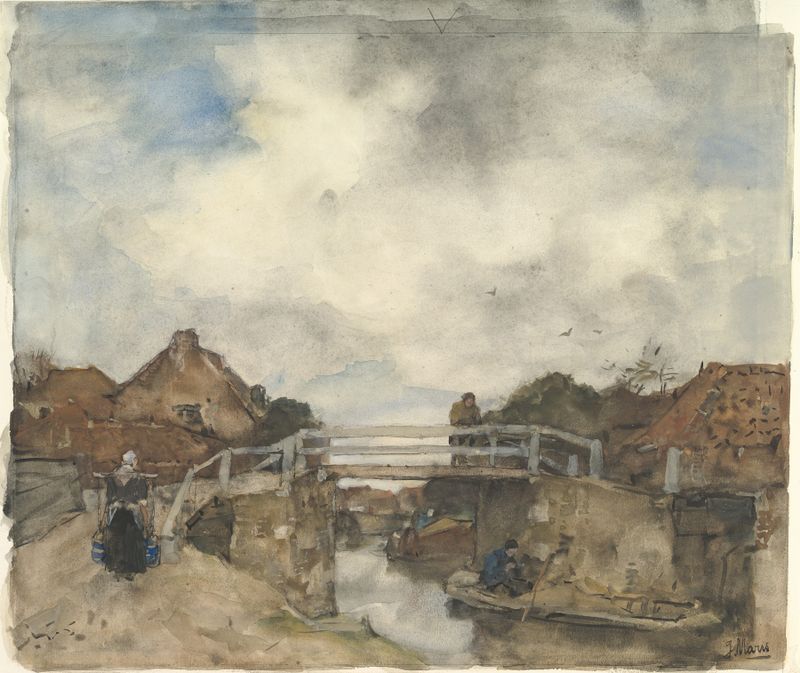
Dutch Canal, Rijswijk
Jacob Maris
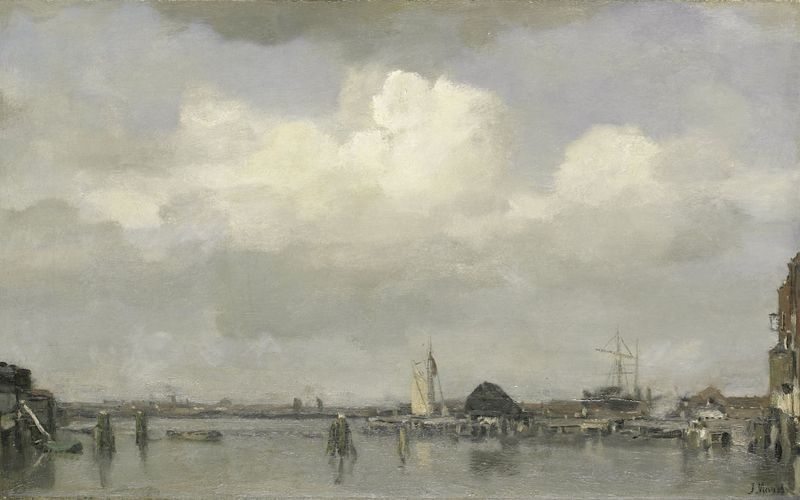
Havengezicht
Jacob Maris
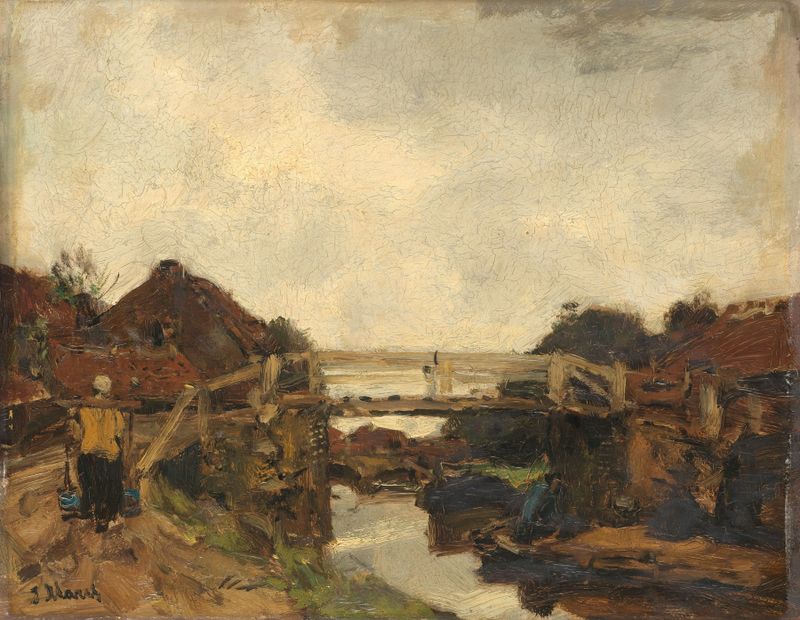
Wooden Bridge across a Canal at Rijswijk
Jacob Maris
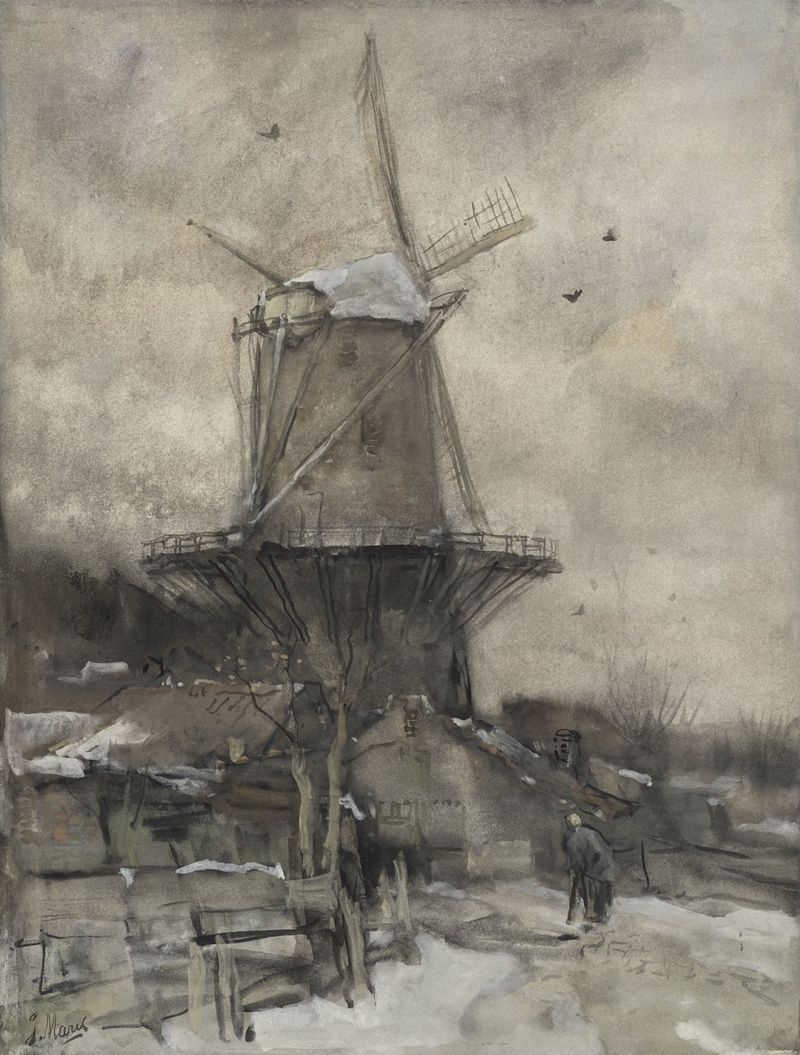
Een molen in de winter
Jacob Maris
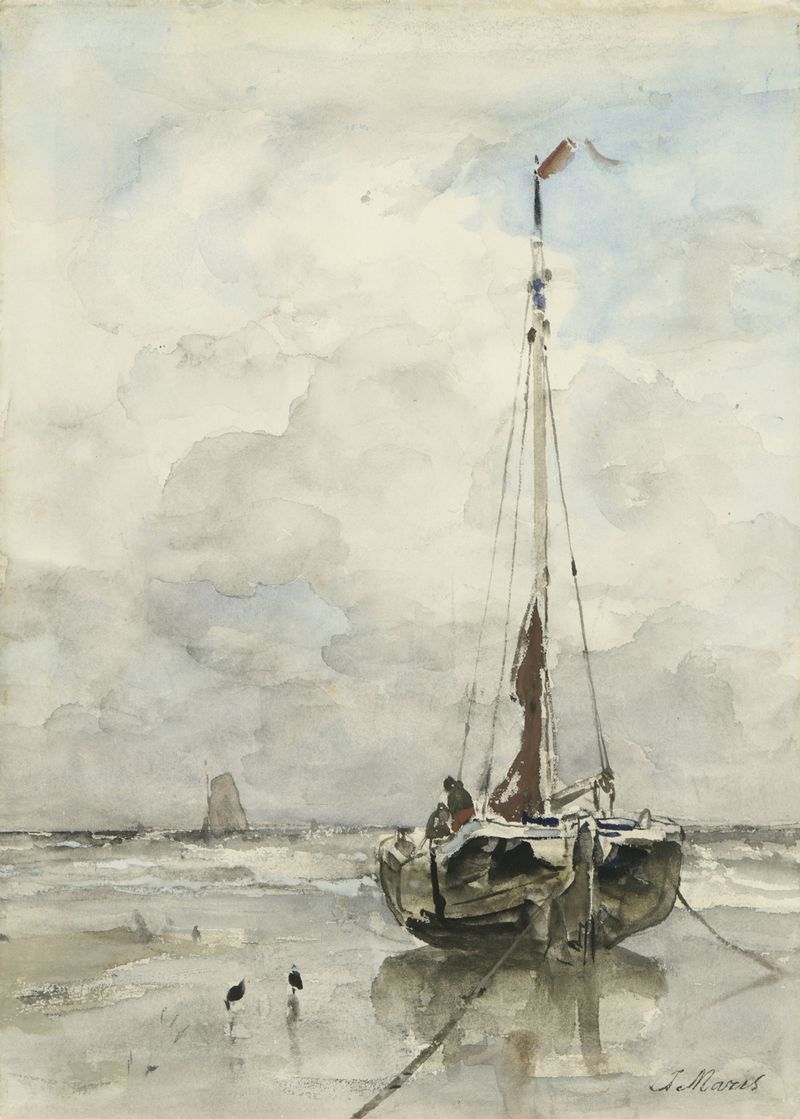
Visserspink aan het strand
Jacob Maris
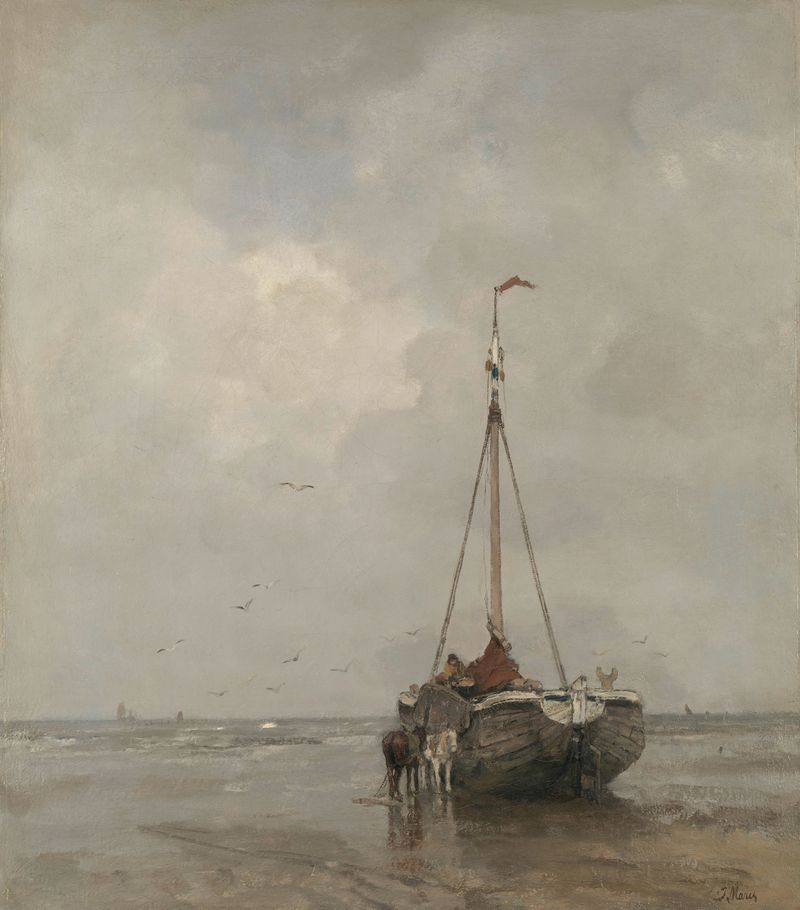
Bluff-bowed Fishing Boat on the Beach at Scheveningen
Jacob Maris
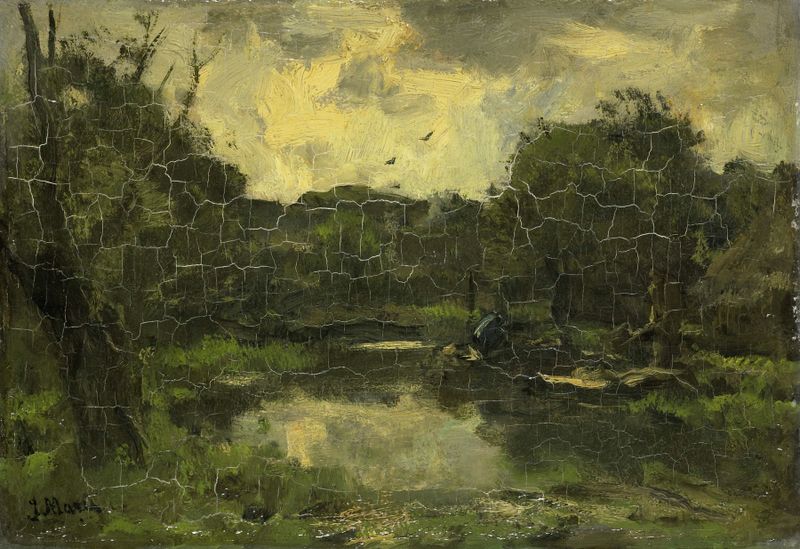
Landschap met schuit
Jacob Maris
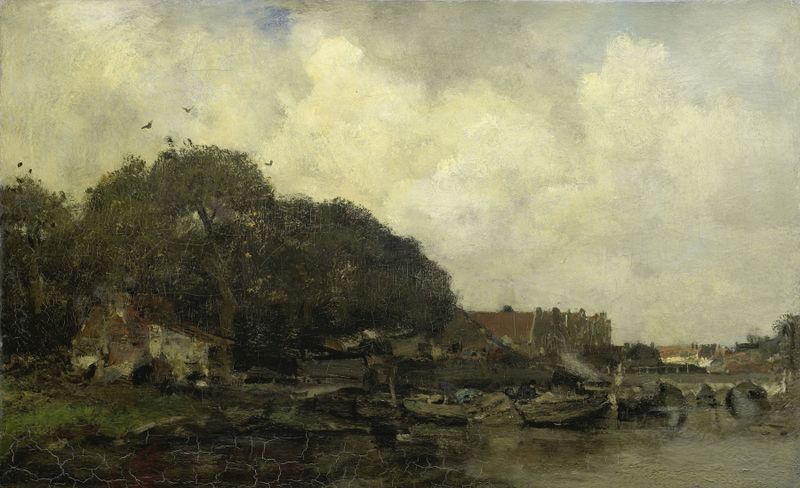
Havengezicht
Jacob Maris
Schepen in de haven van Dordrecht
Jacob Maris
Landschap met molen bij maanlicht
Jacob Maris





