
Wooden Bridge across a Canal at Rijswijk — History & Facts
Where does light end, and longing begin? In the delicate interplay of nature and architecture, Wooden Bridge across a Canal at Rijswijk articulates a profound search for harmony amidst chaos. Look to the left at the soft reflections shimmering on the water’s surface; they ripple gently, hinting at a quiet breeze. The bridge, with its muted wooden tones, sits at the center, gracefully connecting both banks of the canal. Notice how the dappled sunlight filters through the trees, casting intricate shadows that dance across the scene.
Each brushstroke reveals a careful balance of color and texture, merging the tranquil blues of the water with the earthy greens of the foliage, creating a sense of serene isolation. Yet, there is tension beneath the surface. The bridge symbolizes connection and transition, while the chaotic play of light evokes the unpredictability of nature. The distant figures, rendered small against the enormity of their surroundings, appear almost lost in contemplation, highlighting the contrast between human endeavor and the vastness of the natural world.
This tension speaks to a deeper longing for connection, both with the landscape and within oneself, as if each element yearns for understanding amidst the chaos of existence. Jacob Maris painted this moment in 1878 while living in the Netherlands, a time marked by an exploration of light and color in the burgeoning Impressionist movement. His focus on capturing atmospheric effects reflected a personal journey toward embracing the unstructured beauty of the world around him. This piece, created during an era of artistic innovation, showcases his desire to merge realism with emotional depth, inviting viewers into a shared space of reflection and tranquility.
More Artworks by Jacob Maris
Browse all →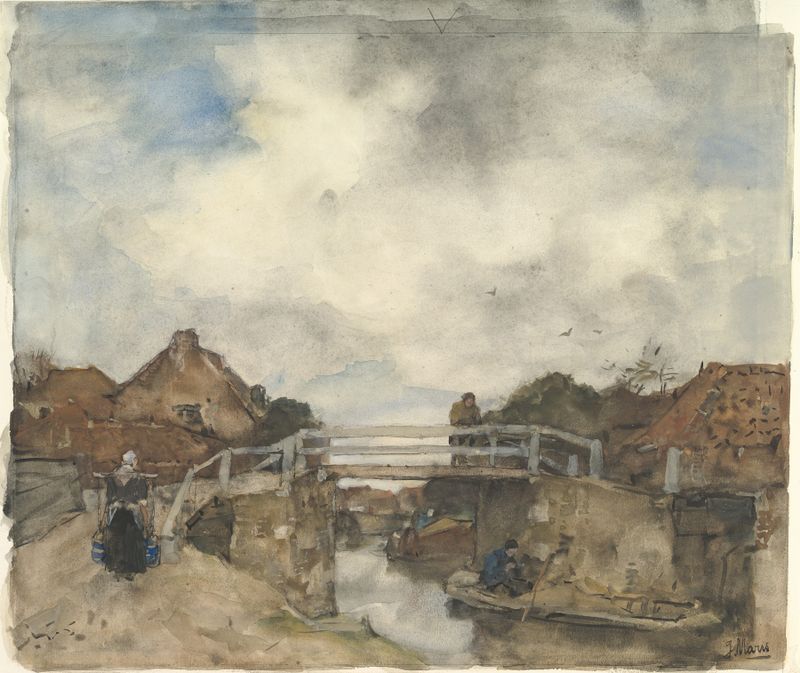
Dutch Canal, Rijswijk
Jacob Maris
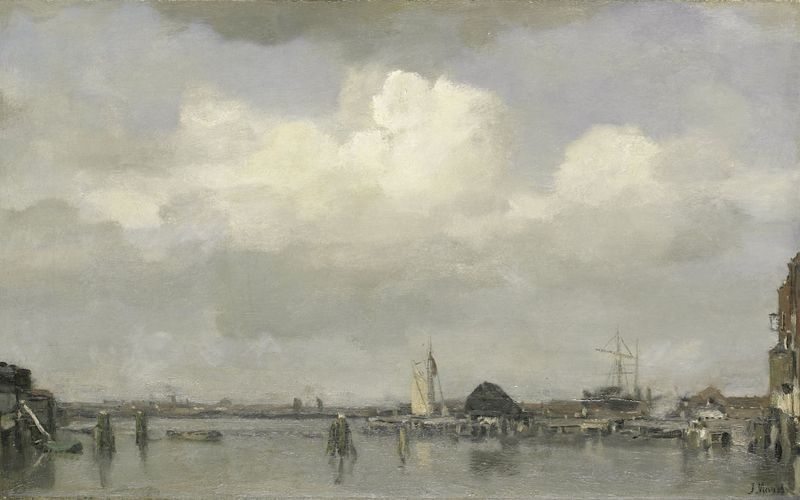
Havengezicht
Jacob Maris
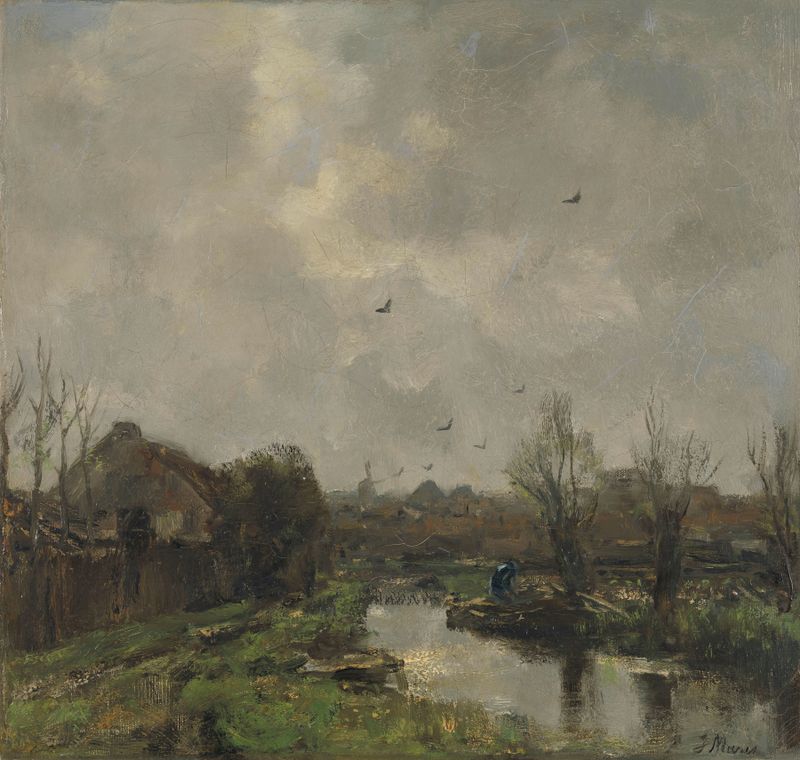
Landschap in de omgeving van Den Haag
Jacob Maris
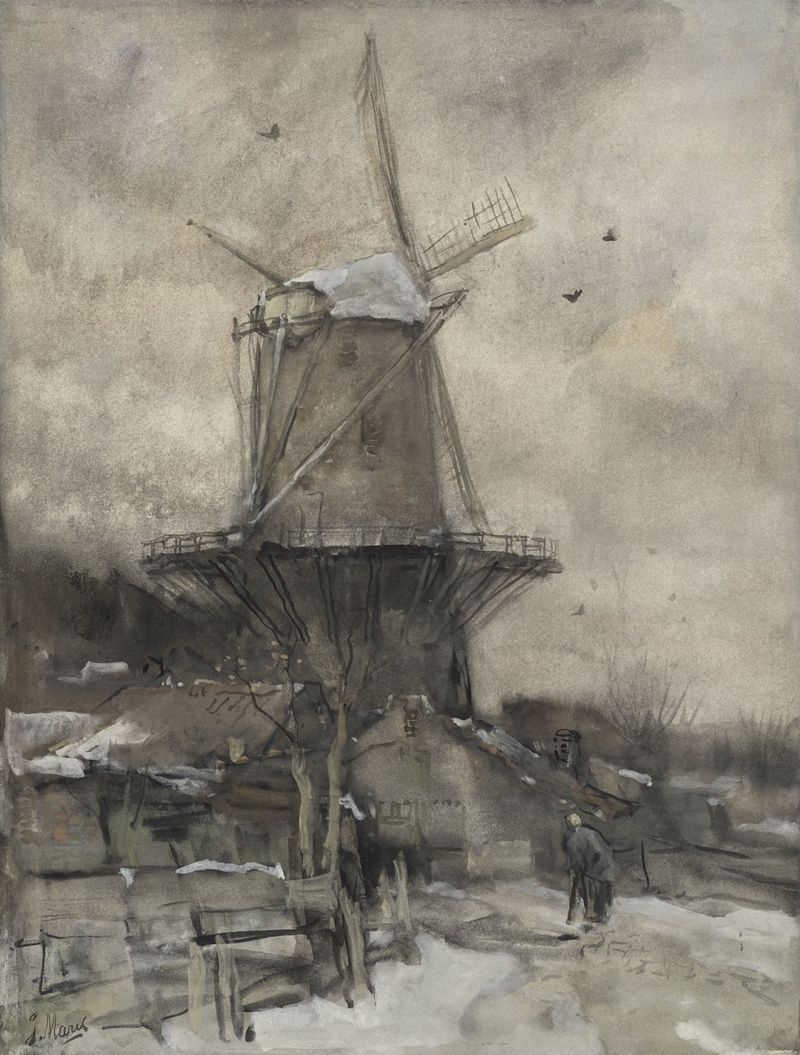
Een molen in de winter
Jacob Maris
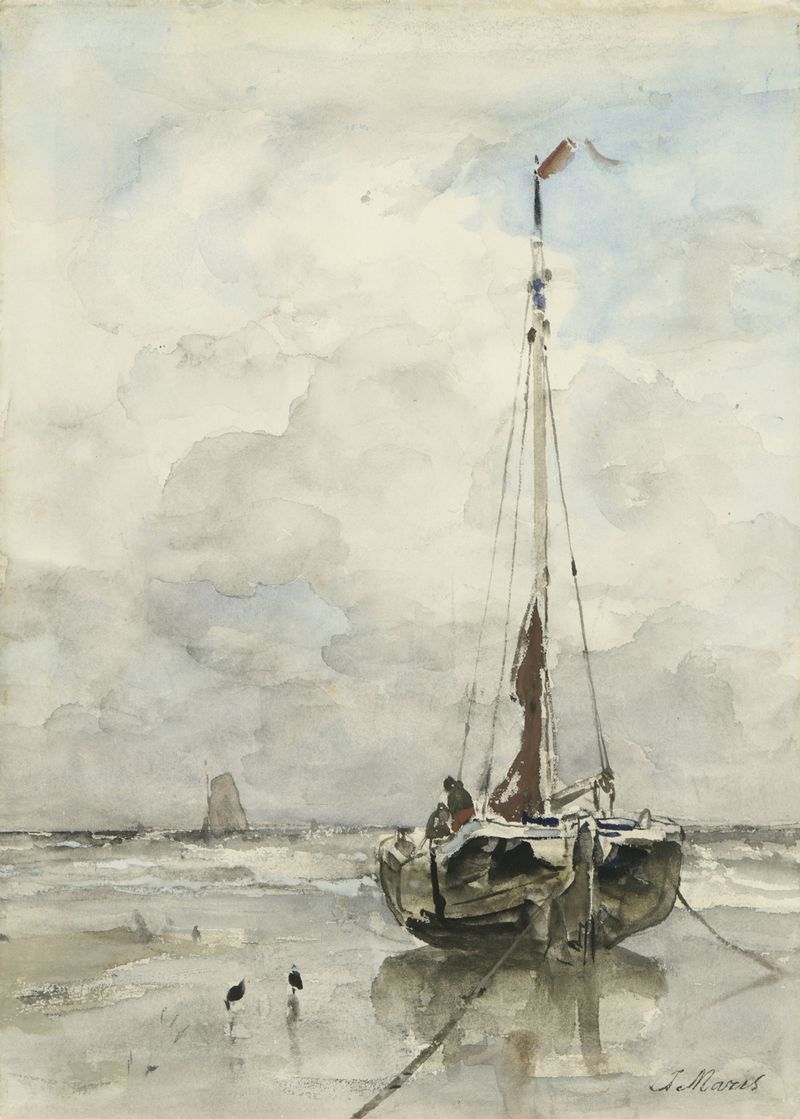
Visserspink aan het strand
Jacob Maris
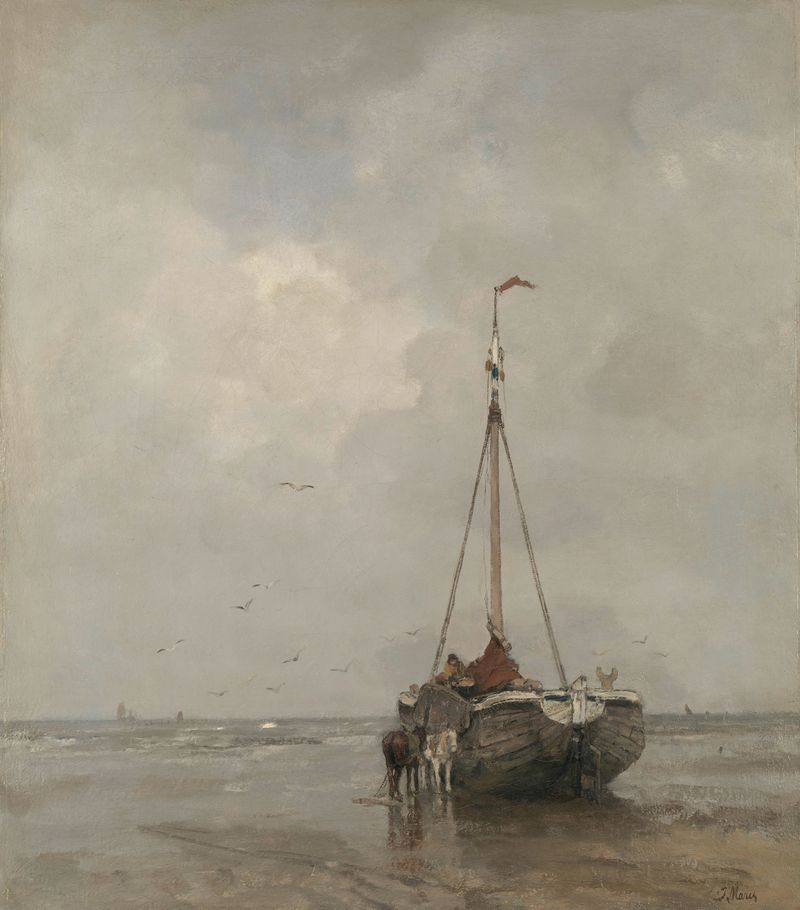
Bluff-bowed Fishing Boat on the Beach at Scheveningen
Jacob Maris
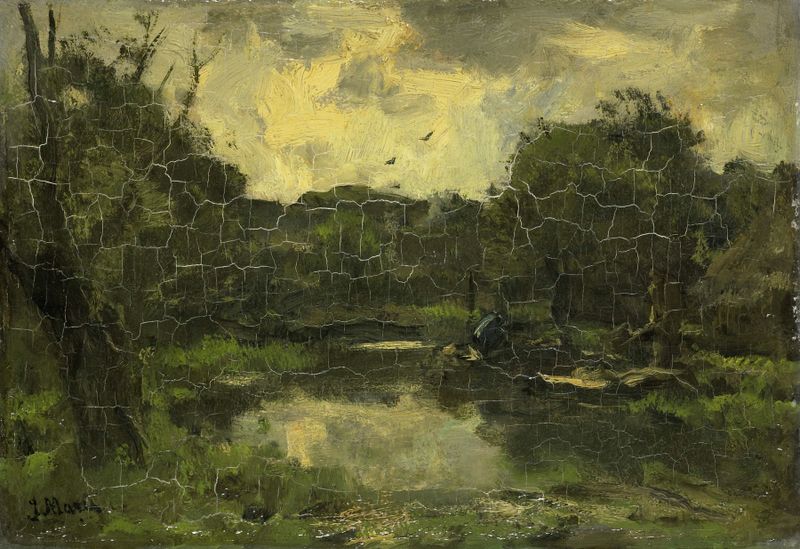
Landschap met schuit
Jacob Maris
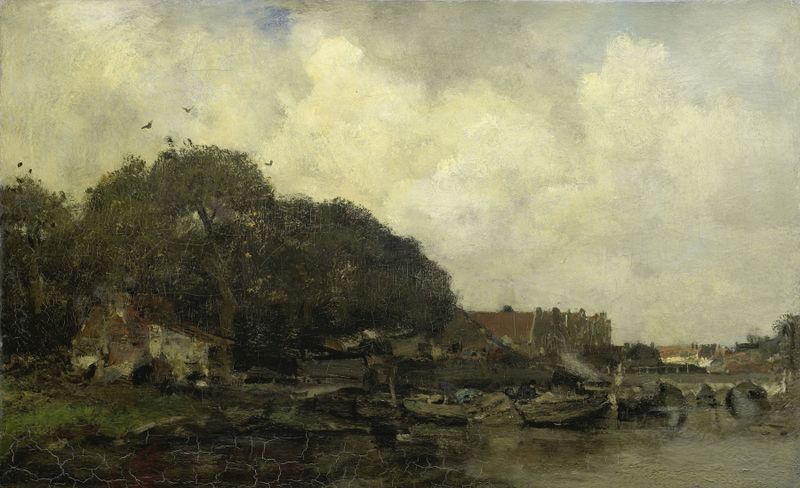
Havengezicht
Jacob Maris
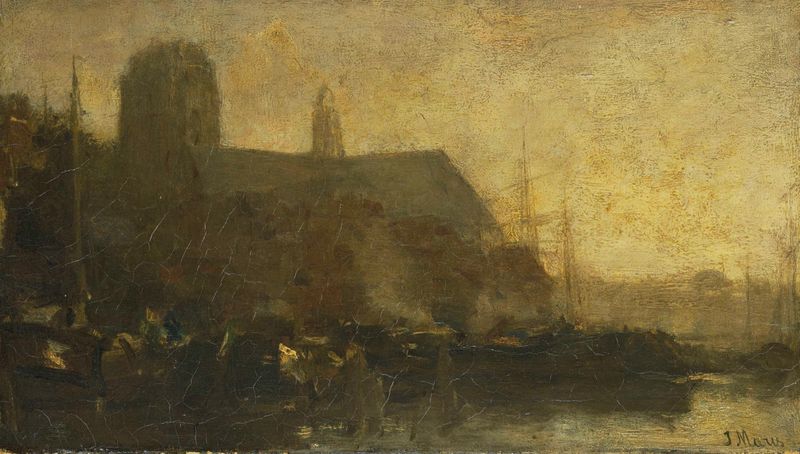
Schepen in de haven van Dordrecht
Jacob Maris
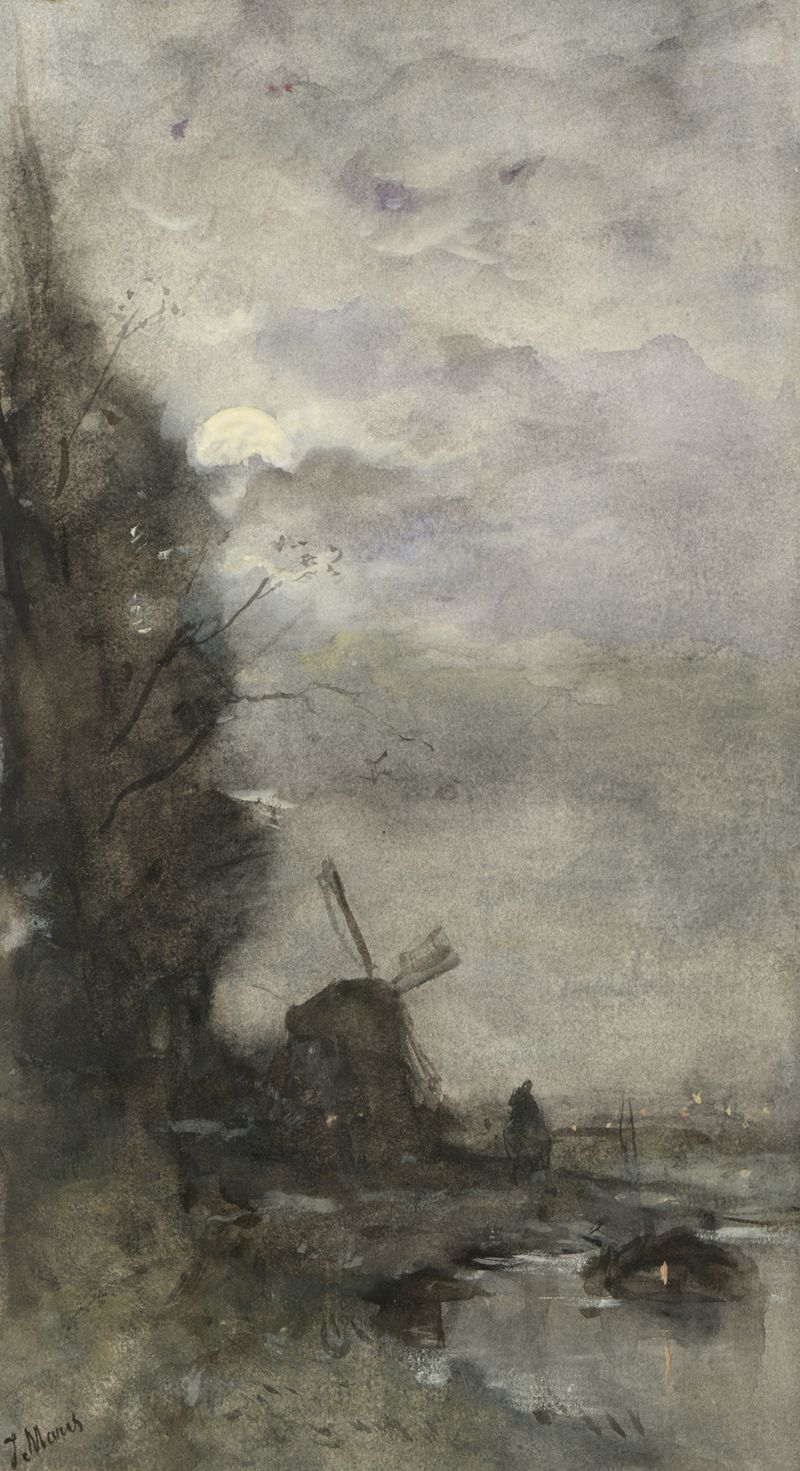
Landschap met molen bij maanlicht
Jacob Maris





