
Een steekspel en een bode bij een vorst — History & Facts
What secret hides in the quiet of the canvas? In a world where innocence can be a fragile façade, Een steekspel en een bode bij een vorst captures the delicate tension between the weight of duty and the fleeting moments of joy. Look to the left, where a nobleman stands, poised and regal, his attire rich with texture and hue. The intricate details of his garments draw the eye, reflecting Dürer’s mastery of line and form. Notice how the light gently kisses the surfaces, casting soft shadows that create depth and intimacy in the scene.
Dominating the background is a lush landscape, rendered with exquisite precision, inviting the viewer's gaze to wander beyond the figures and into the serene countryside. Here, the interplay between the solemnity of the nobleman and the spirited presence of his messenger illuminates a deeper narrative. The messenger’s youthful vibrancy contrasts sharply with the stoic grandeur of the lord, suggesting a fleeting moment of innocence amidst the weight of expectation. Additionally, the juxtaposition of the expansive landscape and the enclosed figures hints at the tension between freedom and responsibility, embodying the complexity of human emotion at a moment’s notice. Painted in 1515, Dürer created this work during a pivotal time in his career while in Nuremberg, where he had established himself as a leading figure in the Northern Renaissance.
The artist was deeply influenced by the shifting tides of culture and society, as the Reformation began to challenge established norms. This piece reflects not only his technical prowess but also the emotional undercurrents of his time, where innocence existed alongside the burdens of power.
More Artworks by Albrecht Dürer
Browse all →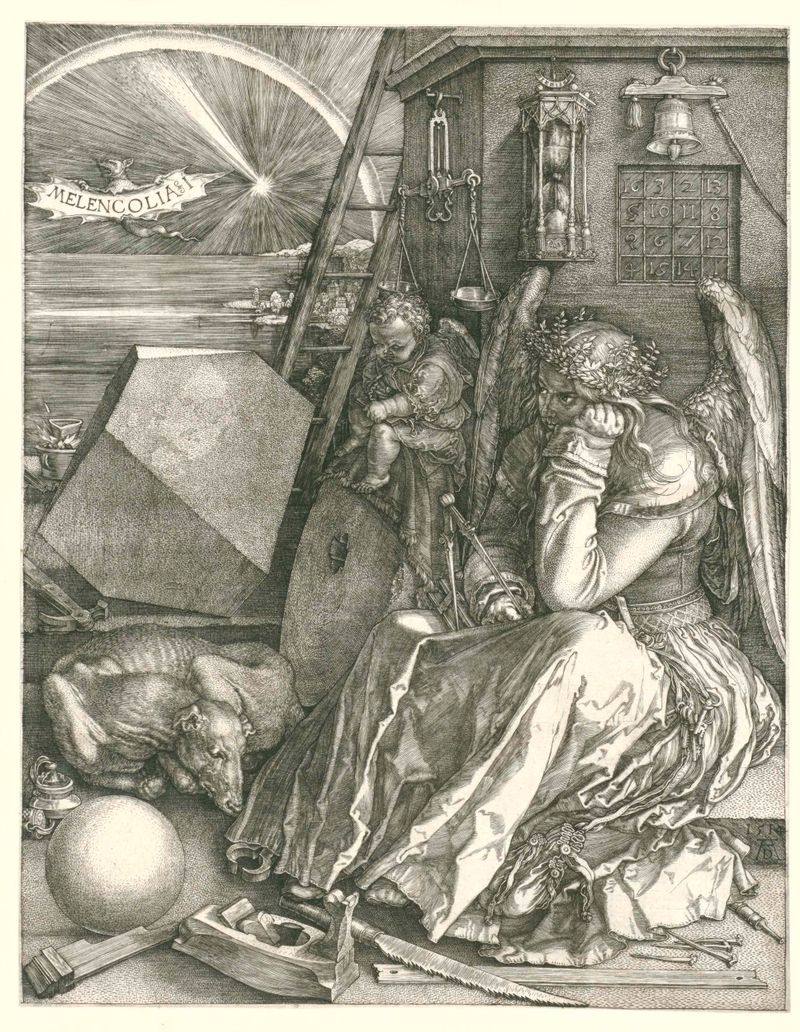
Melancholia
Albrecht Dürer
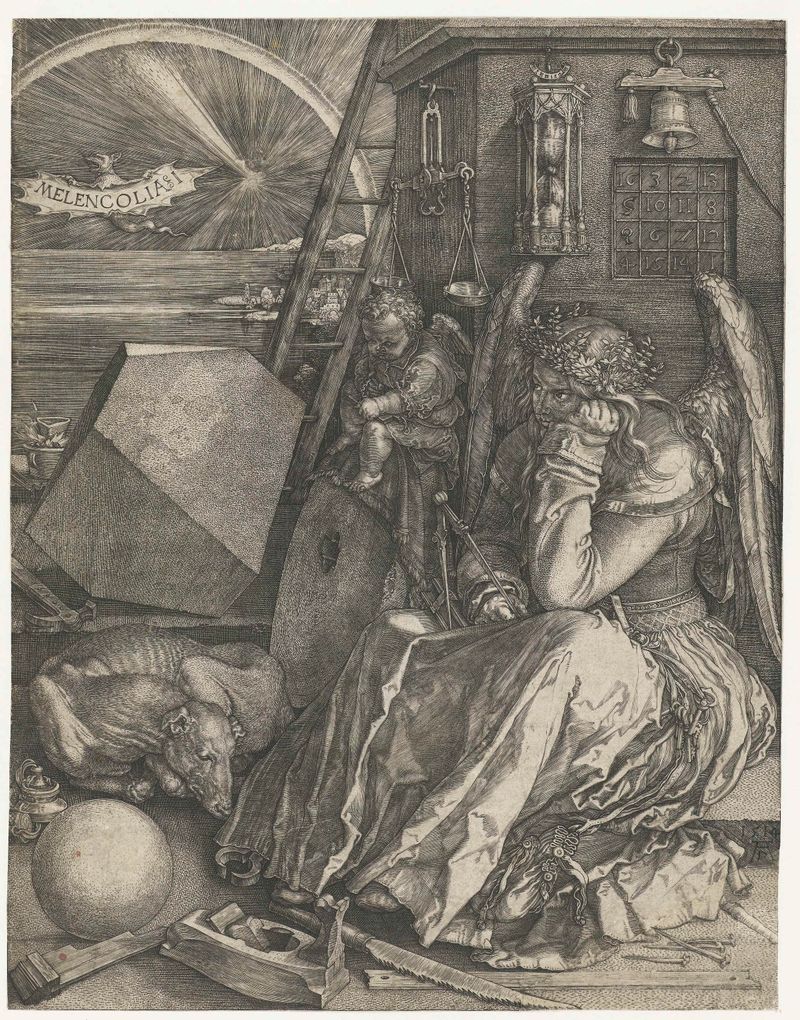
Melancholie
Albrecht Dürer
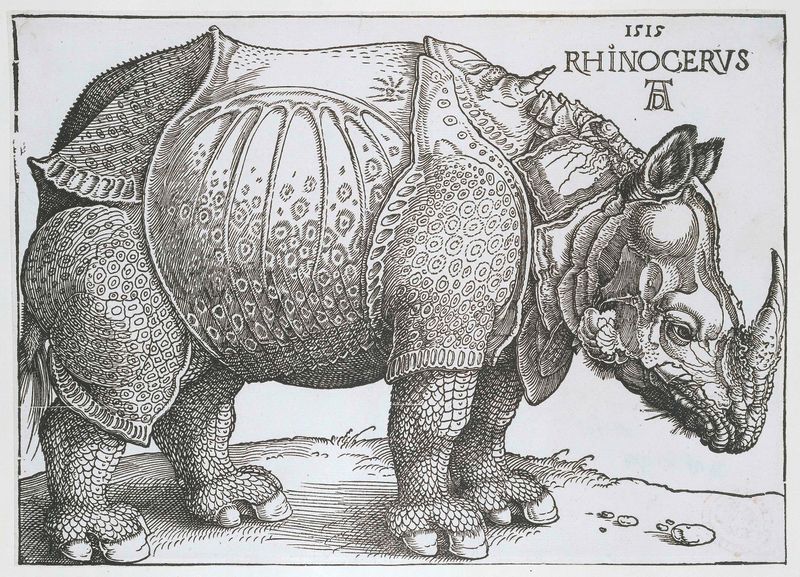
Neushoorn
Albrecht Dürer
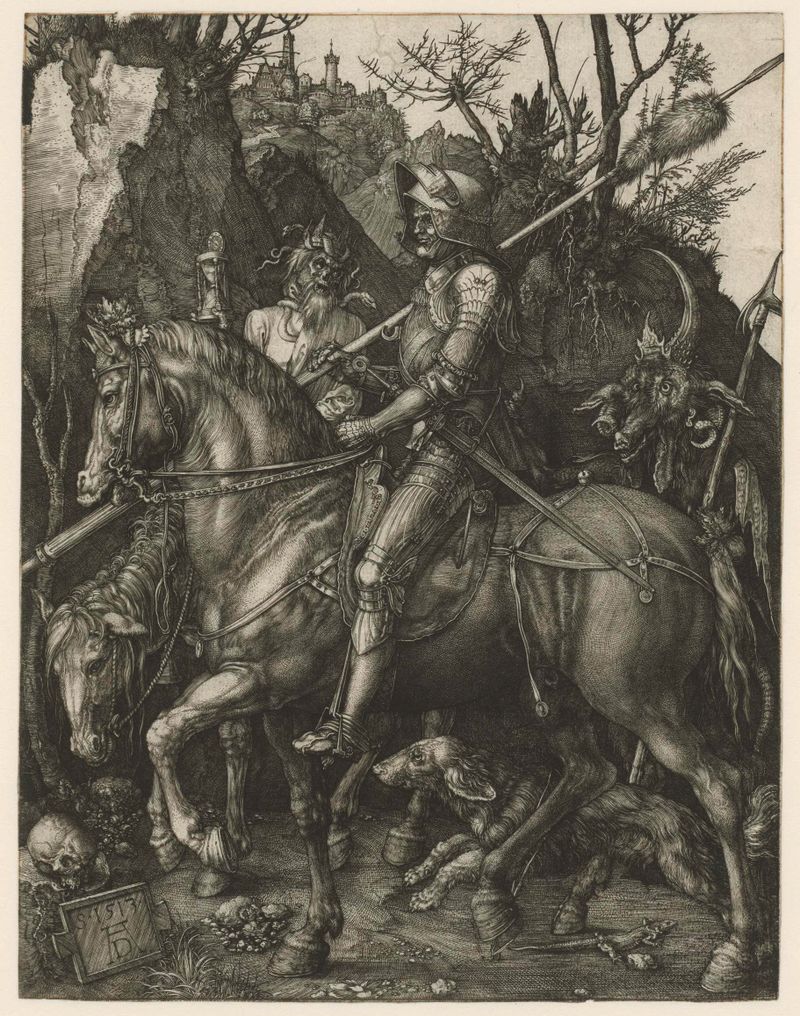
Knight, Death, and the Devil
Albrecht Dürer

De vier ruiters van de apocalyps
Albrecht Dürer

De vier ruiters van de apocalyps
Albrecht Dürer
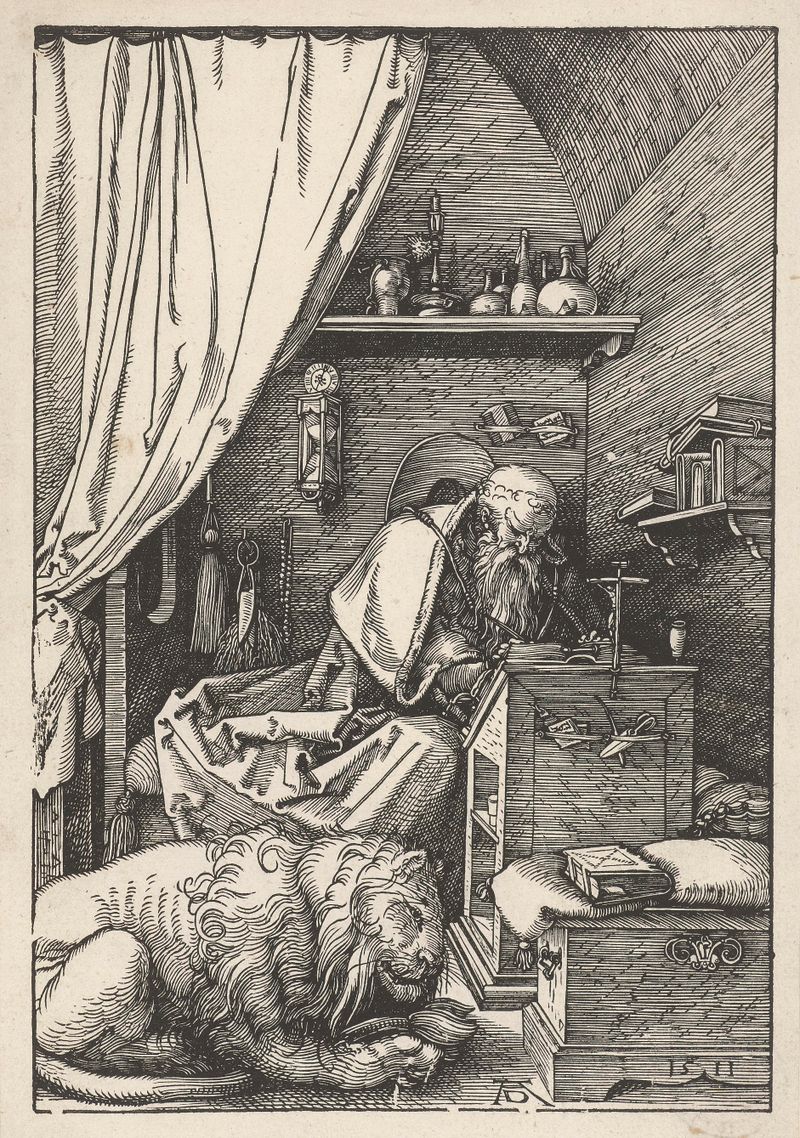
De Heilige Hiëronymus in zijn studeervertrek
Albrecht Dürer
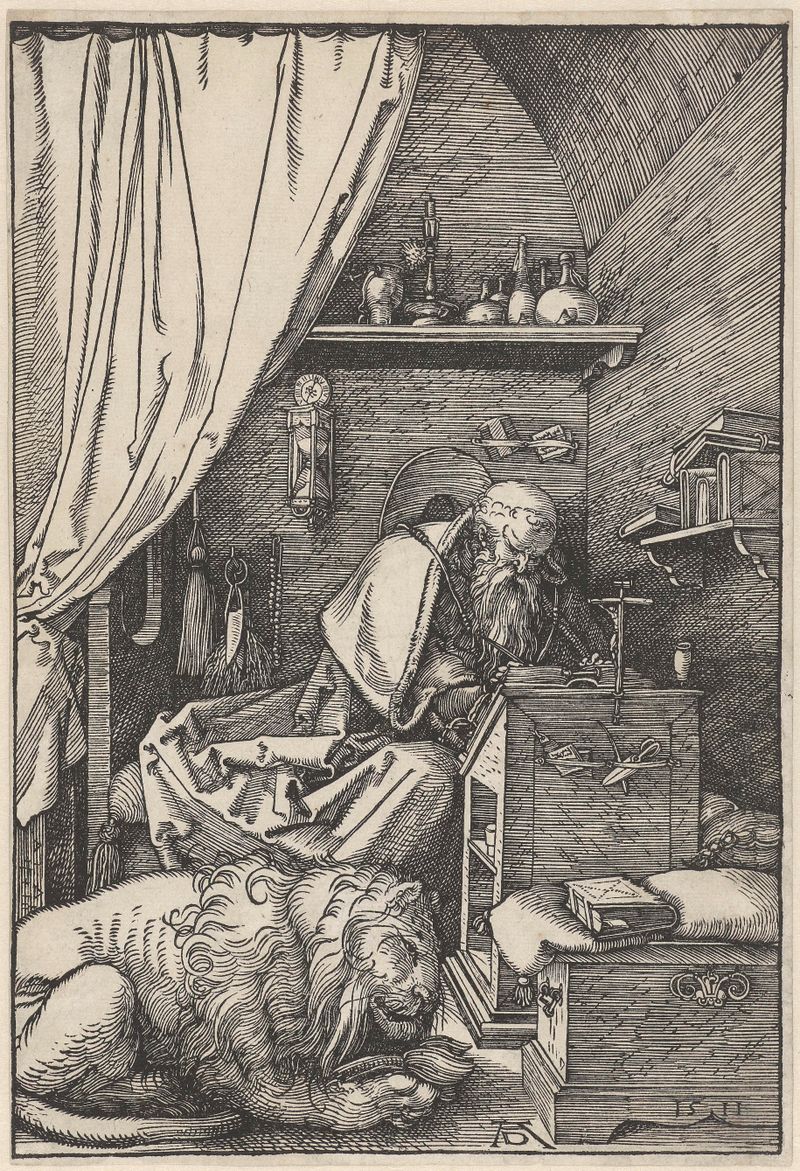
De Heilige Hiëronymus in zijn studeervertrek
Albrecht Dürer
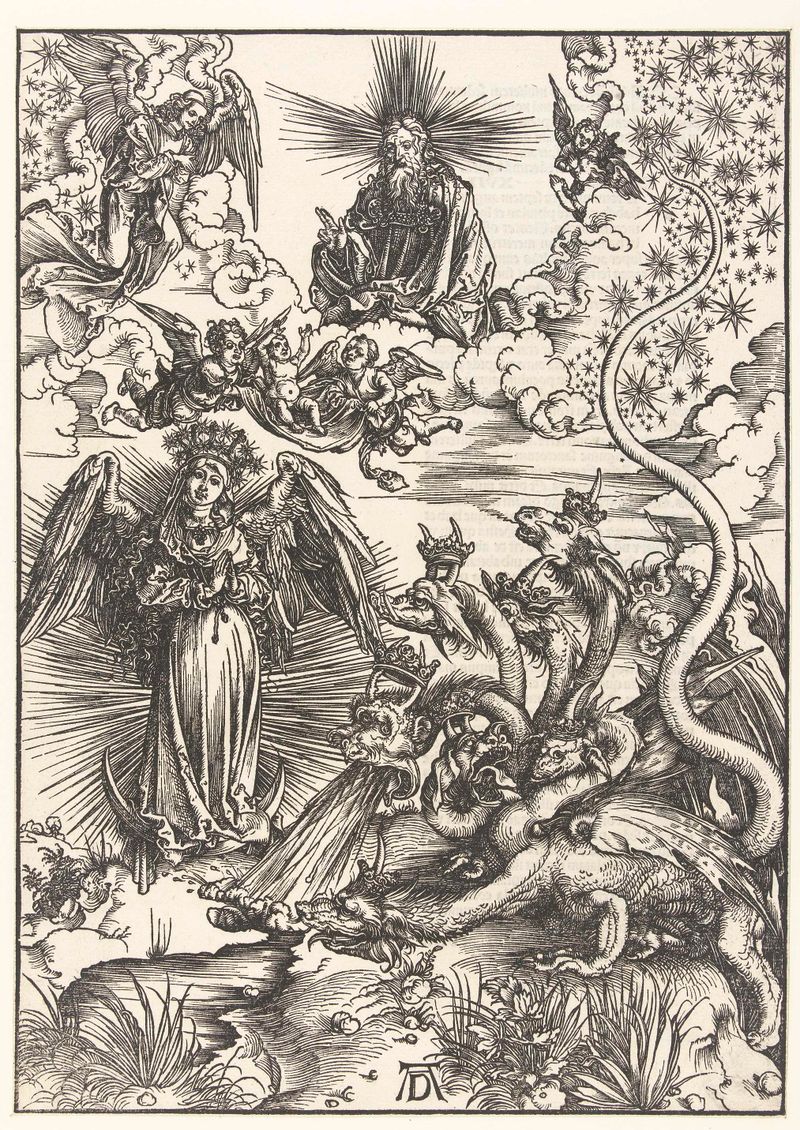
De apocalyptische vrouw en de zevenkoppige draak
Albrecht Dürer
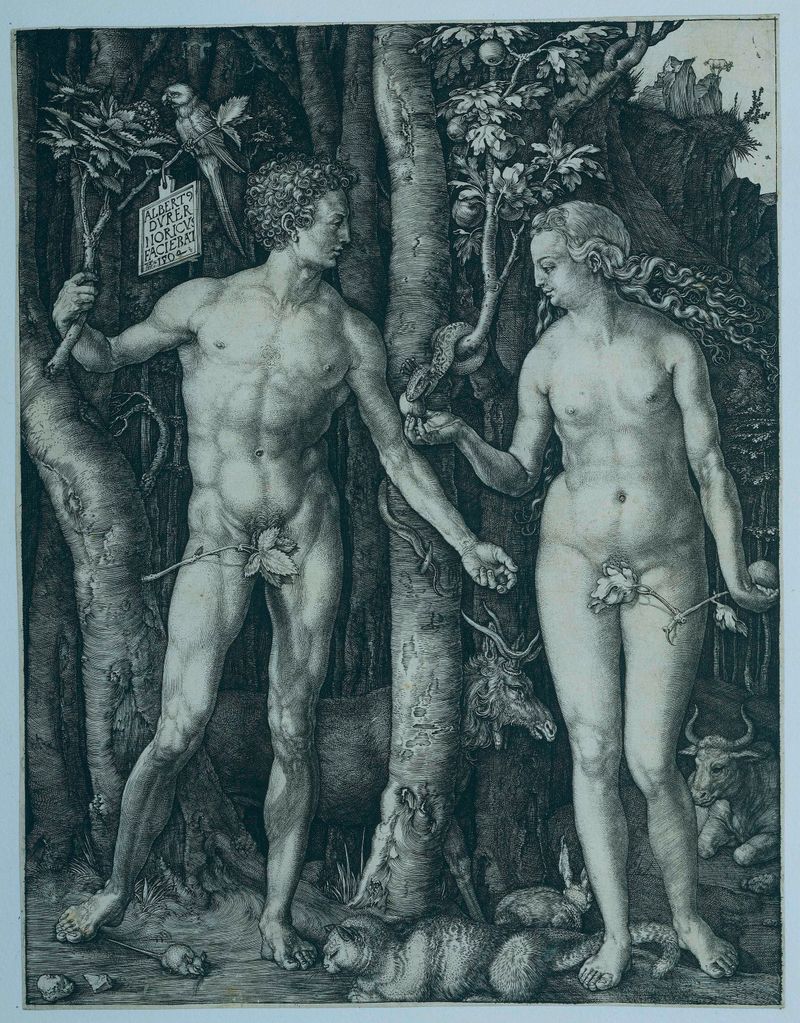
Adam en Eva
Albrecht Dürer
More Historical Art
Browse all →
The Night Watch Militia Company of District II under the Command of Captain Frans Banninck Cocq
Rembrandt van Rijn
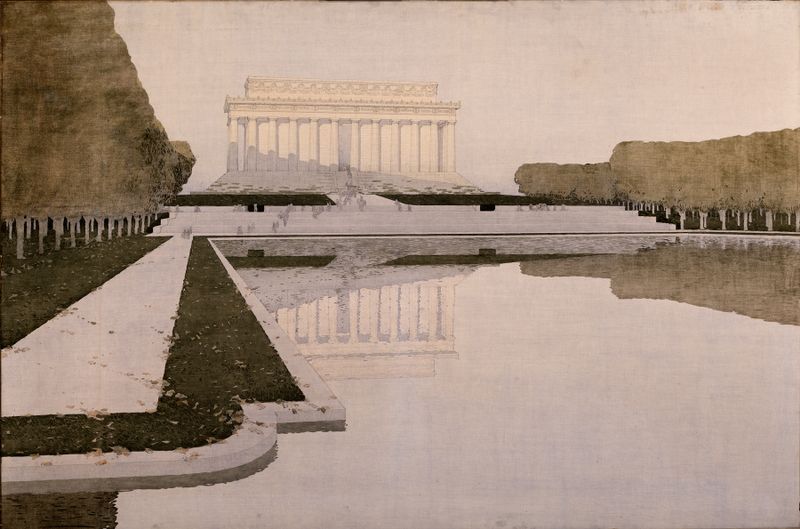
Lincoln Memorial
Henry Bacon
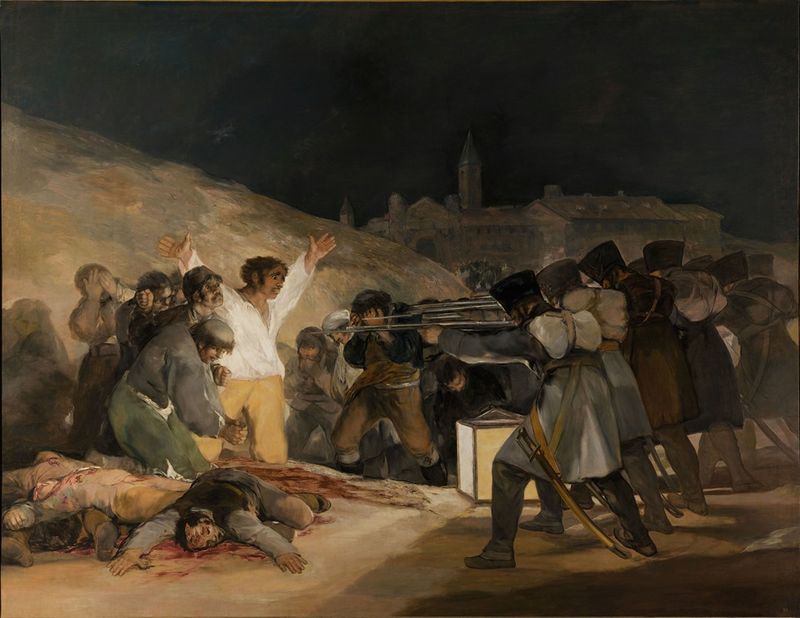
The Third of May 1808
Francisco de Goya

Isaac and Rebecca, Known as ‘The Jewish Bride’
Rembrandt van Rijn
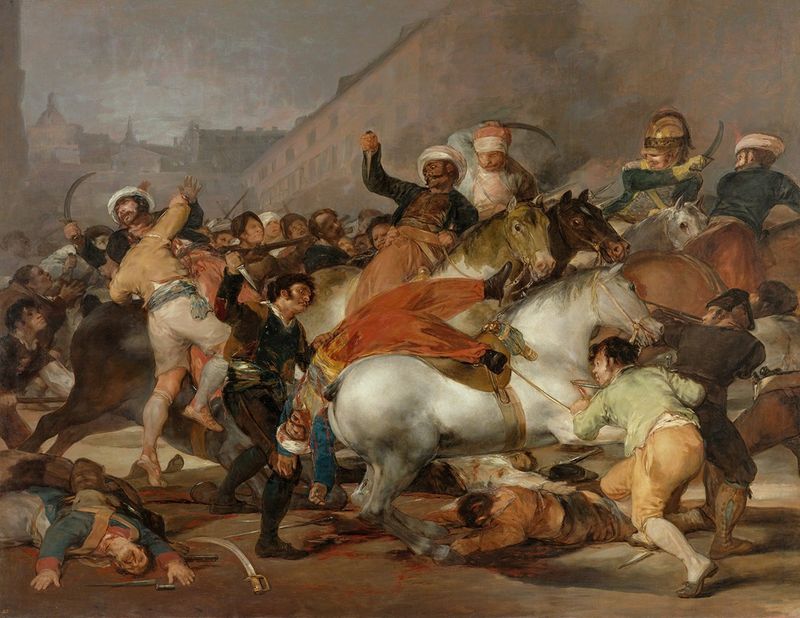
The Charge of the Mamelukes (1814)
Francisco de Goya
De vier ruiters van de apocalyps
Albrecht Dürer