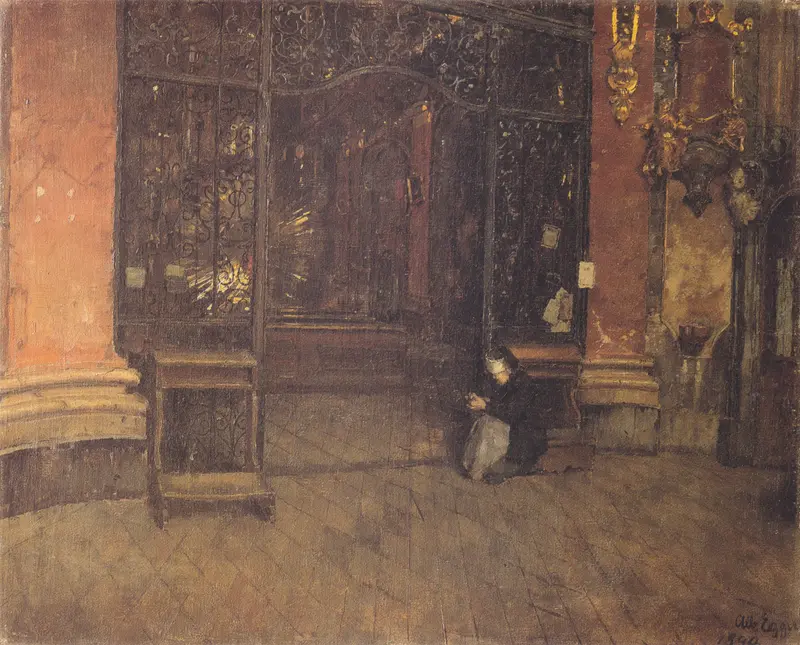
Egger Lienz Inneres der Johanneskirche zu München — History & Facts
A hush falls over the scene, as if the world has paused to honor the quiet ritual unfolding in the shadows. Your gaze is drawn first to the solitary figure kneeling on the worn wooden floor, her hands clasped in prayer, dwarfed by the soaring ironwork and the warm, faded reds of the church interior. The play of light is subtle but deliberate: golden reflections glimmer behind the grillwork, hinting at a sacred space beyond, while the foreground remains subdued, almost somber.
Every detail—the scuffed tiles, the ornate gilded sconce, the scraps of paper pinned to the lattice—invites you to linger, to notice the layers of devotion and daily life that have seeped into these walls. Painted in 1890, Egger Lienz Inneres der Johanneskirche zu München belongs to a moment in European art when the grandeur of religious architecture met the intimacy of personal faith. Works like this, often created by artists still seeking their place in the world, were not always destined for grand galleries; they might serve as studies, memories, or quiet tributes to the spaces that shaped their makers. The painting’s muted palette and honest observation echo the shifting sensibilities of the late nineteenth century, when artists began to look inward, capturing the fleeting gestures of ordinary people in extraordinary settings.
History has kept few traces of this particular canvas beyond its reproduction in an artbook, but its silent drama endures—inviting you to step inside and share a moment of stillness with the unknown worshipper.
More Artworks by Albin Egger Lienz
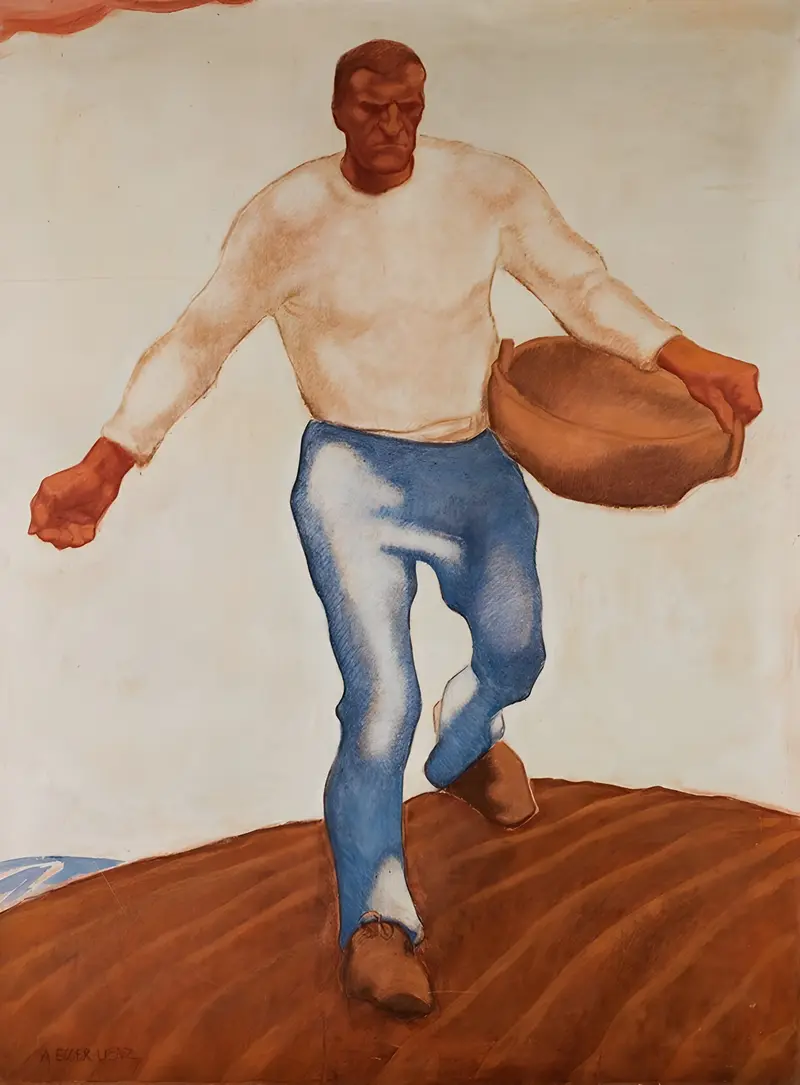
Der Sämann (The Sower)
Albin Egger Lienz
Inneres Der Johanneskirche In München
Albin Egger Lienz
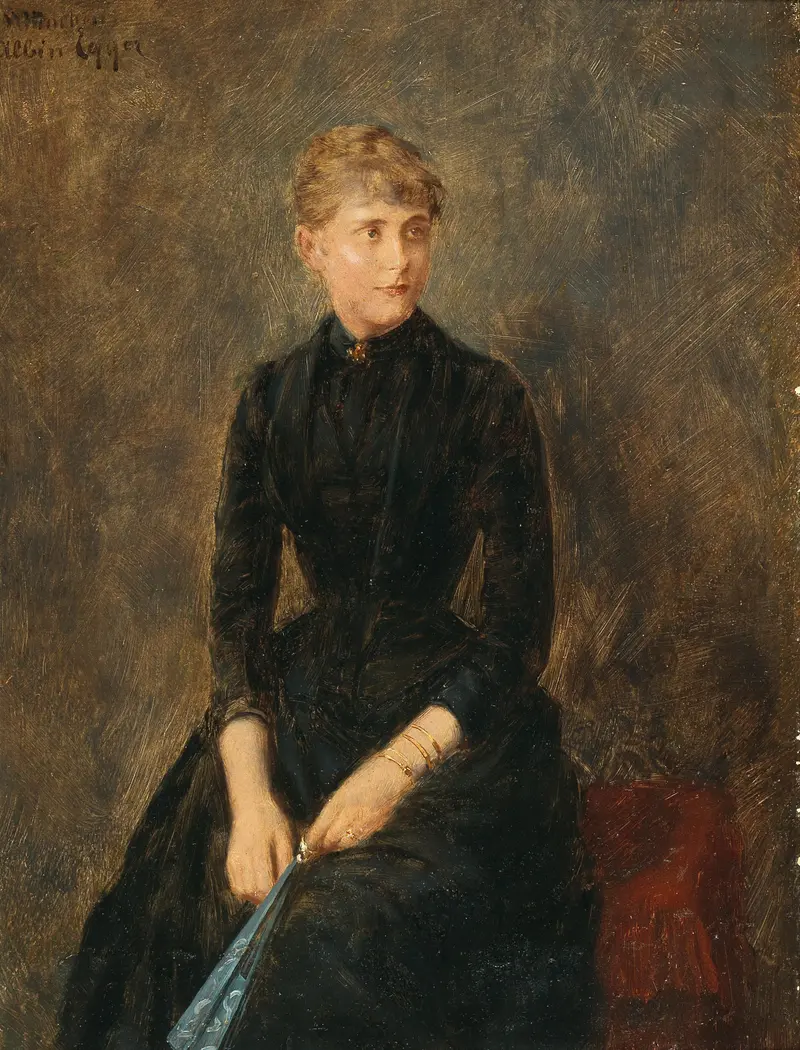
Portrait of the singer Hedwig Helbig
Albin Egger Lienz
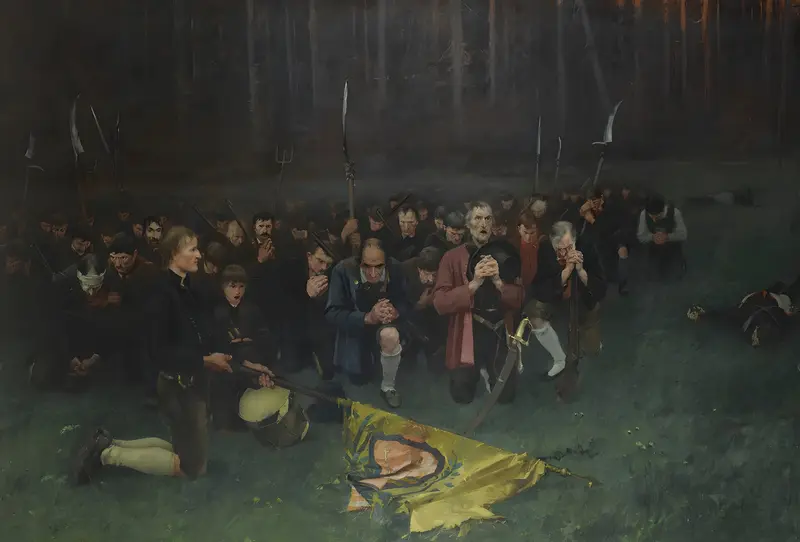
Prayer after the battle of Bergisel
Albin Egger Lienz
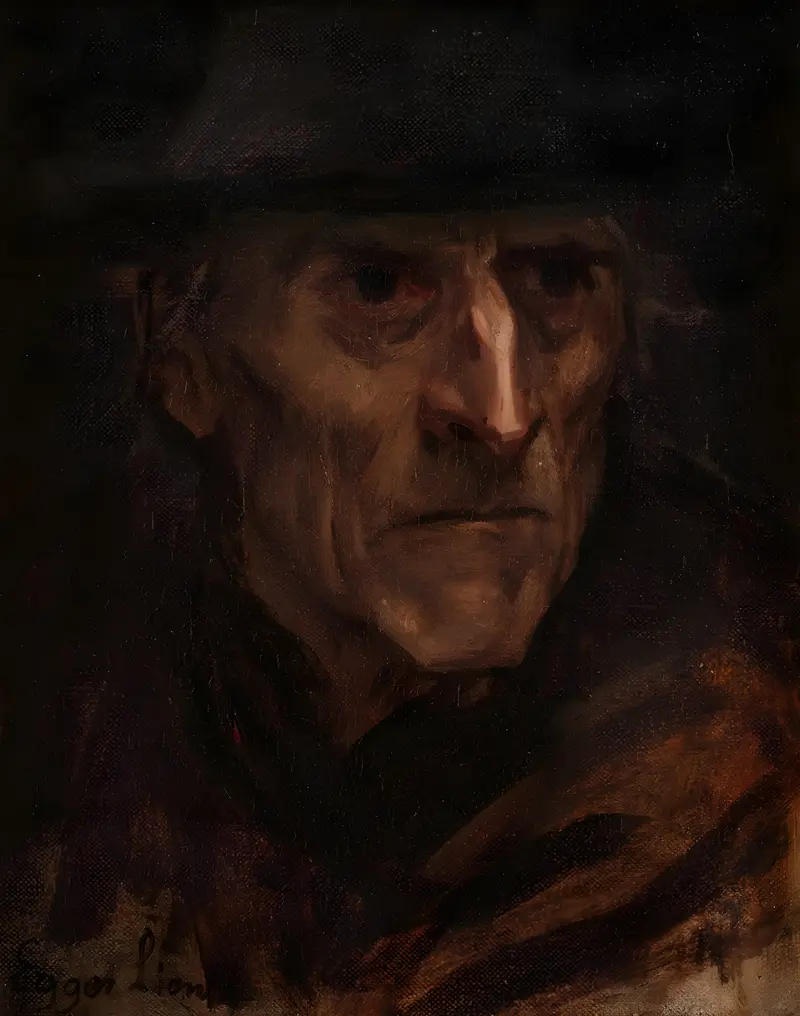
Study for the ‘Sensenmann’ in the ‘Das Kreuz’
Albin Egger Lienz
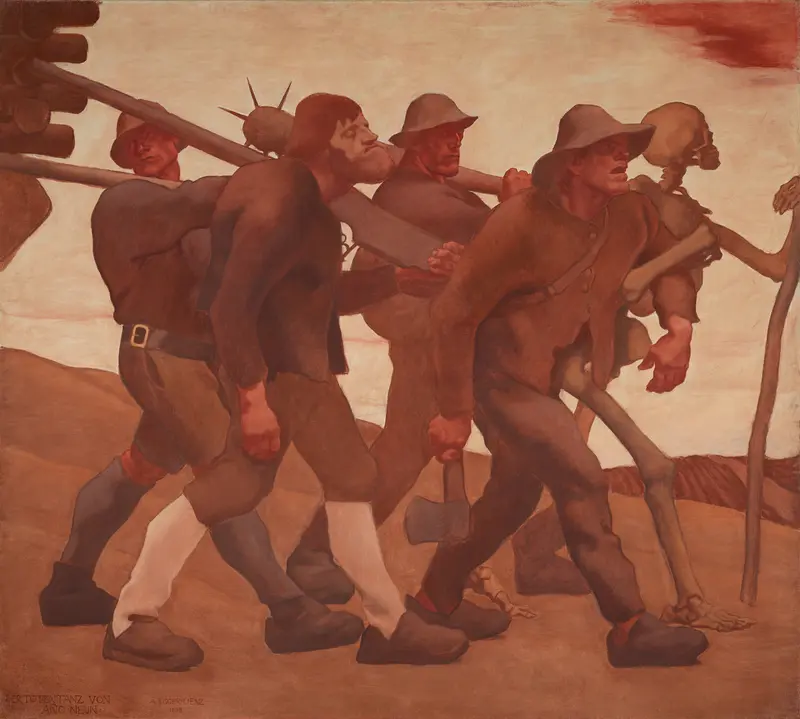
Der Totentanz Von Anno Neun
Albin Egger Lienz
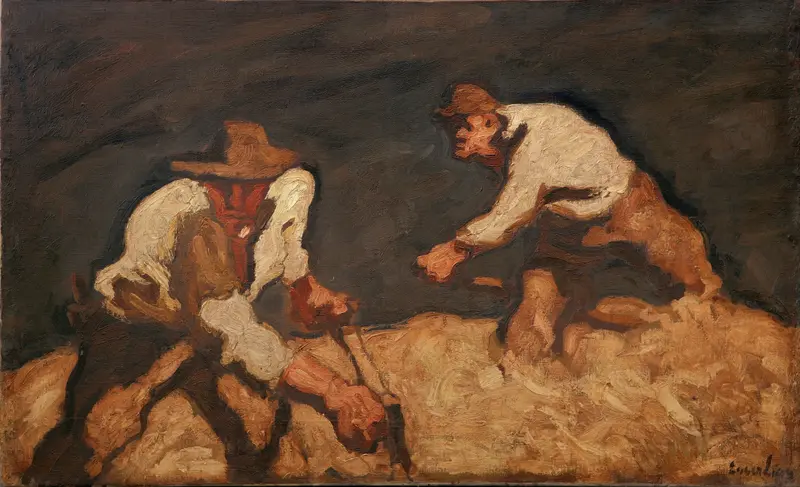
Reapers in a GatheringStorm
Albin Egger Lienz
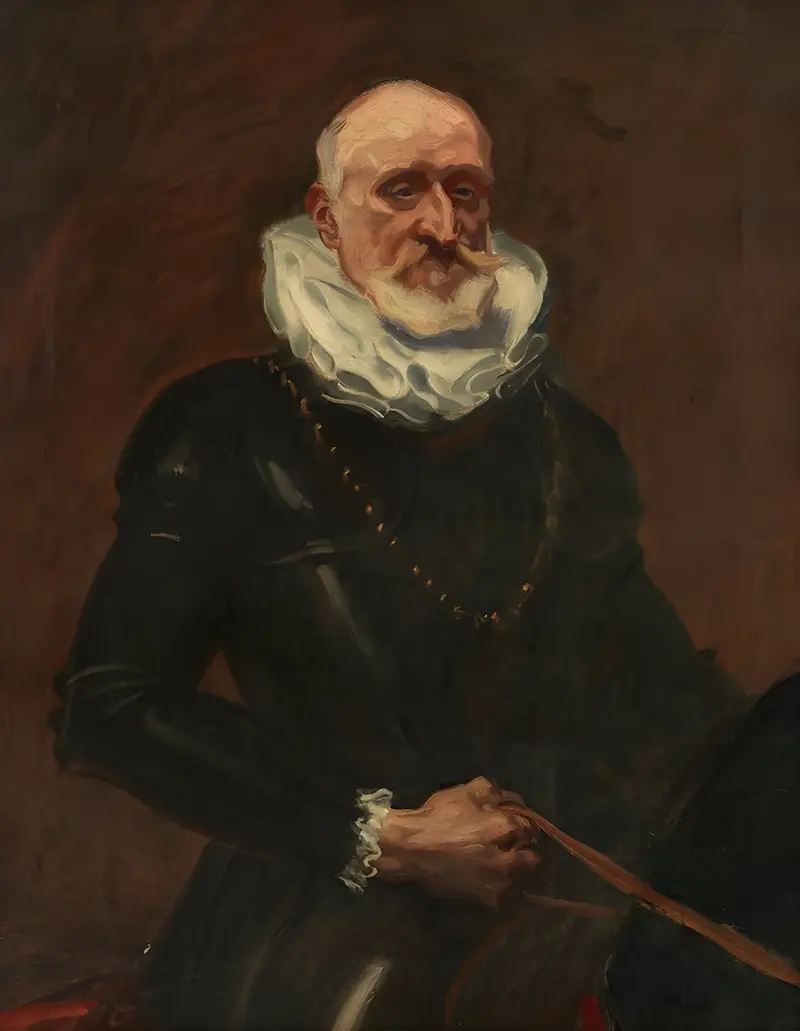
Carl Costenoble (Bildhauer und Stadtrat von Wien)
Albin Egger Lienz
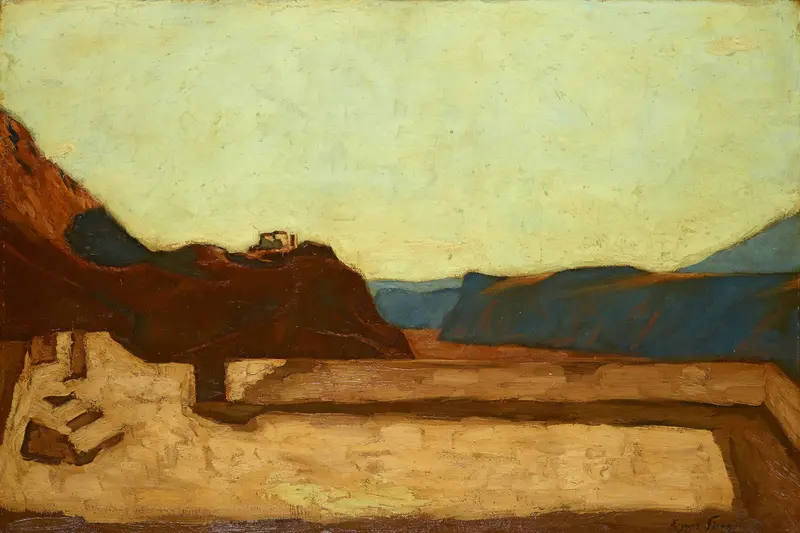
Am Kalvarienberg In Bozen
Albin Egger Lienz
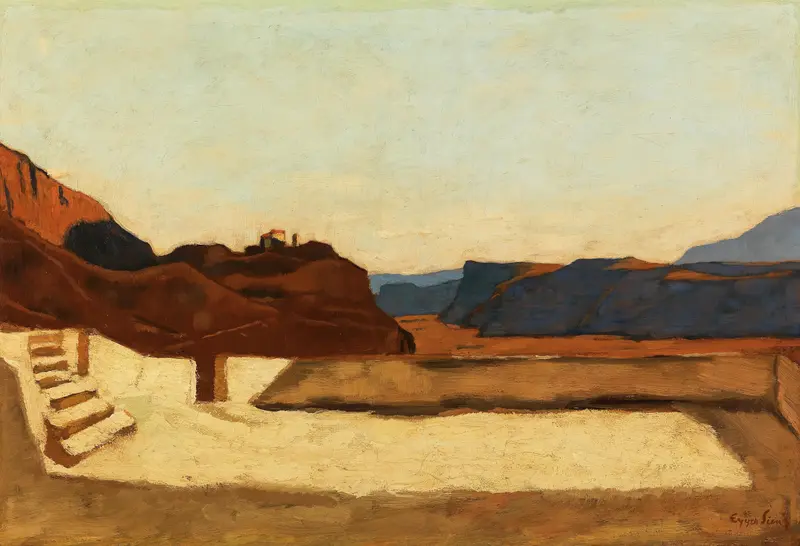
Kalvarienberg bei Bozen
Albin Egger Lienz