
Eglise à Forest — History & Facts
In Jean-François Taelemans' Eglise à Forest, fragility emerges not merely as a theme but as the essence of the moment captured—a soft sigh against the backdrop of a bustling world. Look to the center, where the church stands resolutely amidst a sea of muted greens and browns, its weathered stones suggesting stories of countless passersby. The play of light dances delicately over the structure’s façade, illuminating the details of its archways and steeple while casting gentle shadows that whisper of time’s passage. The artist's brushwork is both precise and loose, inviting the viewer to feel the texture of the world surrounding the sacred space. Notice how the surrounding landscape mirrors the church’s fragility—the trees bending ever so slightly, reminiscent of whispers carried by the wind.
The soft palette evokes an emotional pull, where hope and melancholy intertwine, hinting at a community that clings to faith in a world defined by uncertainty. It’s a poignant reminder of how sacred spaces endure, even when the human spirit feels delicate. In 1921, while residing in Belgium, Taelemans painted Eglise à Forest during a time of profound change in Europe. The aftermath of World War I loomed heavy, warping perceptions of safety and stability.
As a response to societal upheaval, the artist sought solace in the simplicity of everyday life and the enduring presence of faith, attempting to reconcile the fragility of existence with the unwavering strength of belief.
More Artworks by Jean-François Taelemans
Browse all →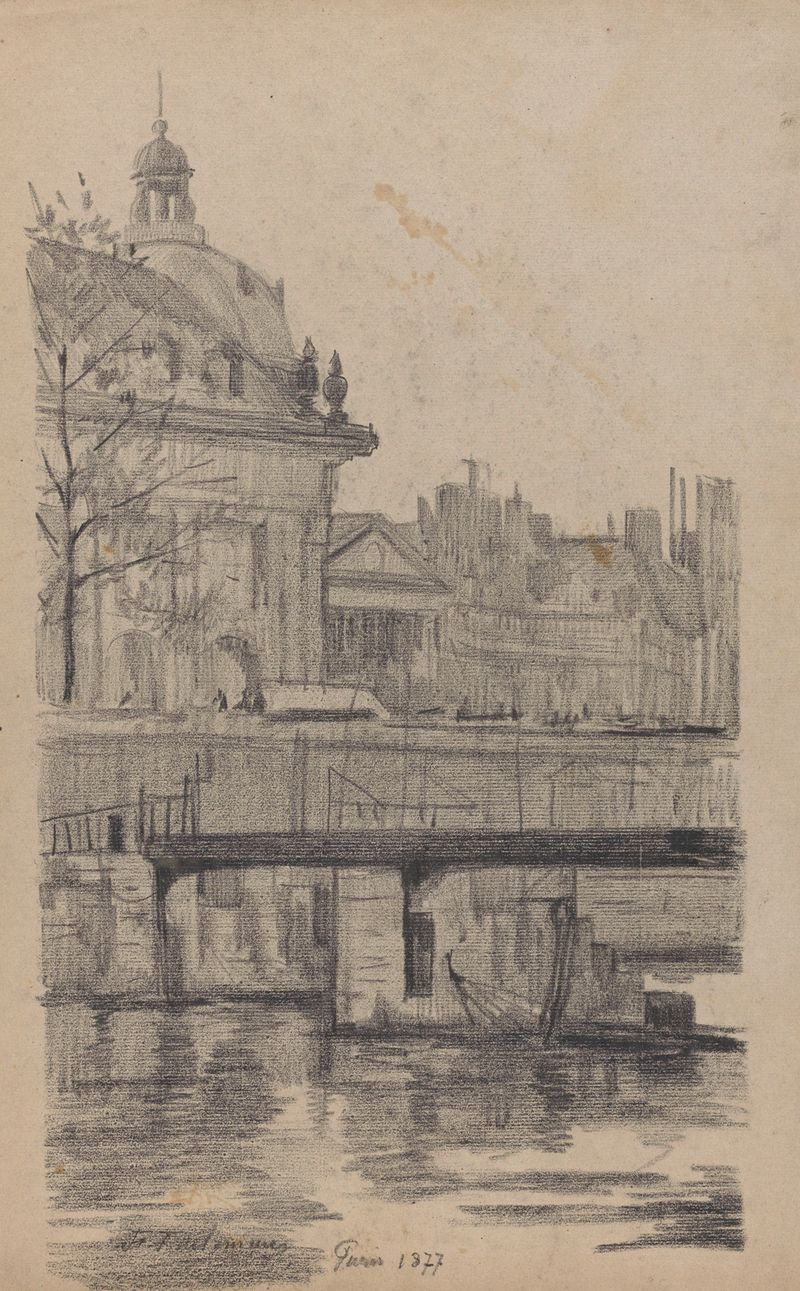
Paris (vue de la Seine et du Collège des Quatre Nations (actuellement siège de l’Institut de France)
Jean-François Taelemans
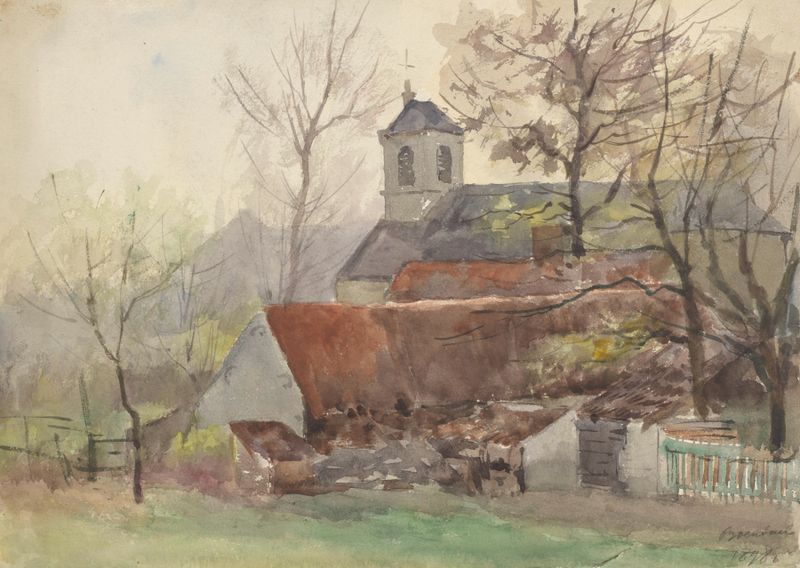
Boendael (église)
Jean-François Taelemans
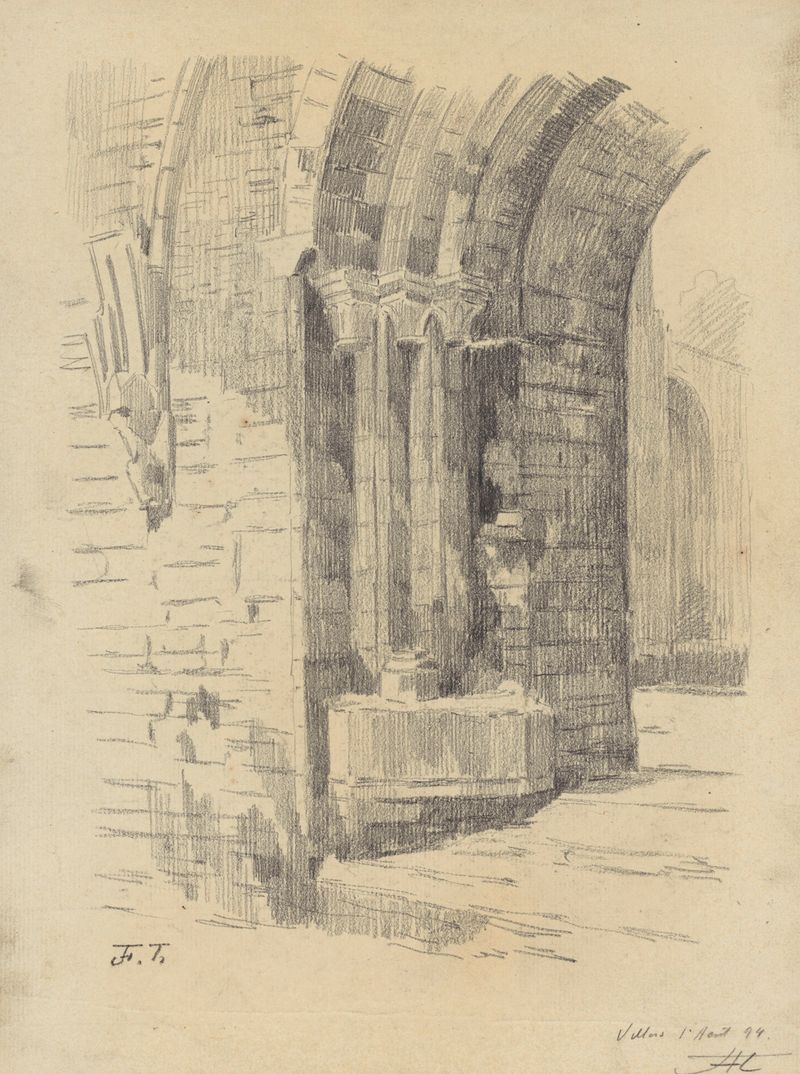
Ruines de l’abbaye de Villers-la-Ville – porche entre le cloître et l’église abbatiale (côté droit)
Jean-François Taelemans
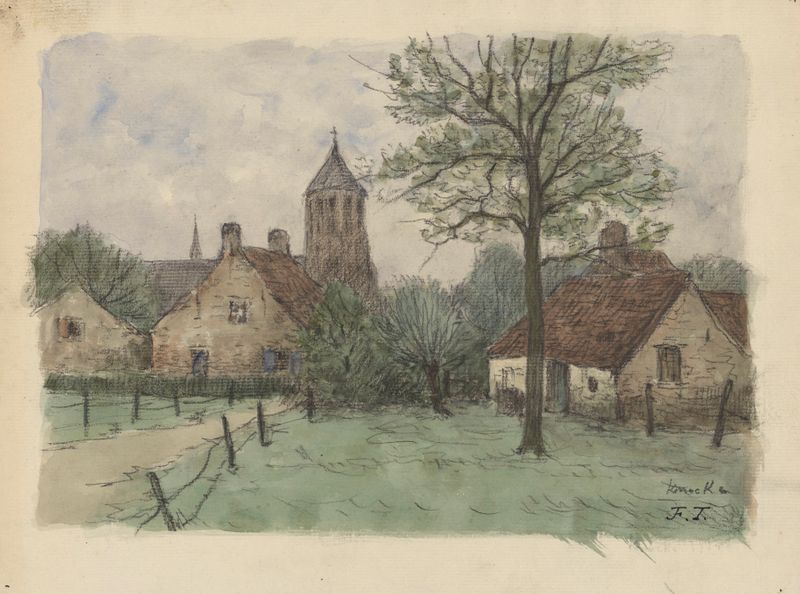
Village et église Sint Margaretha à Knocke
Jean-François Taelemans
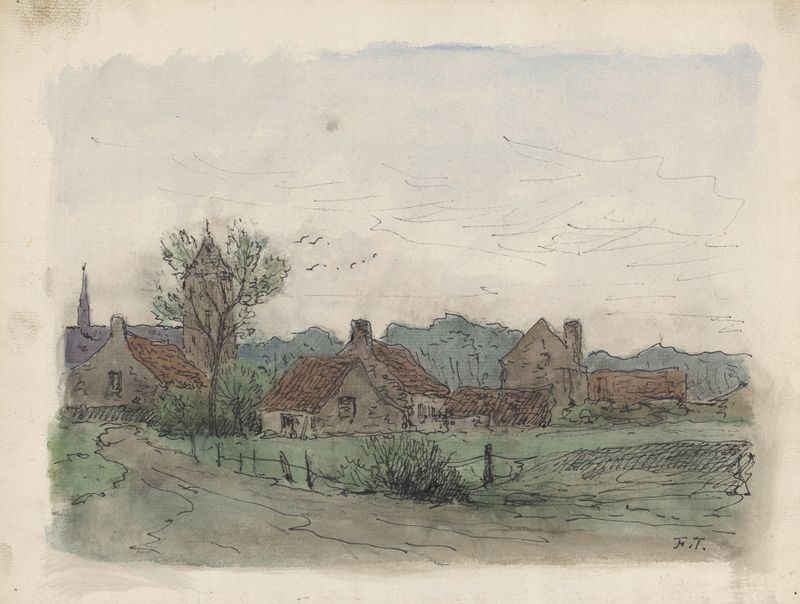
Village
Jean-François Taelemans
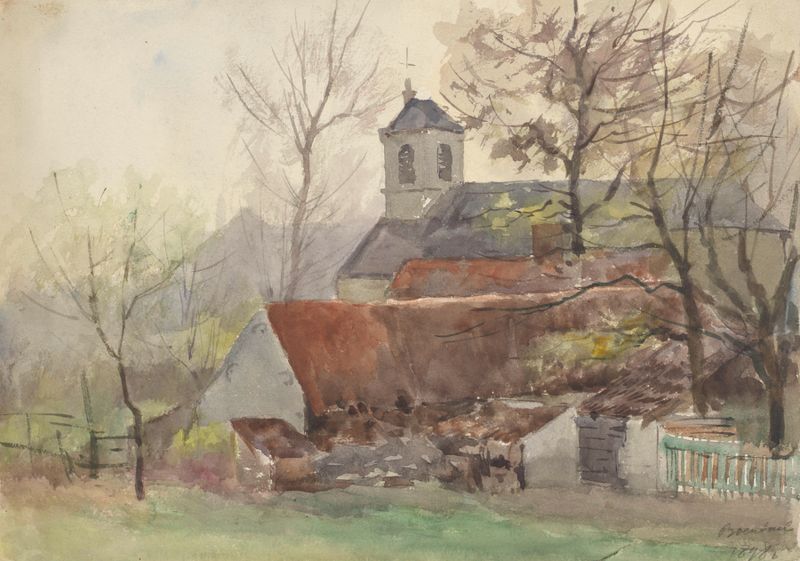
Boendael (église)
Jean-François Taelemans
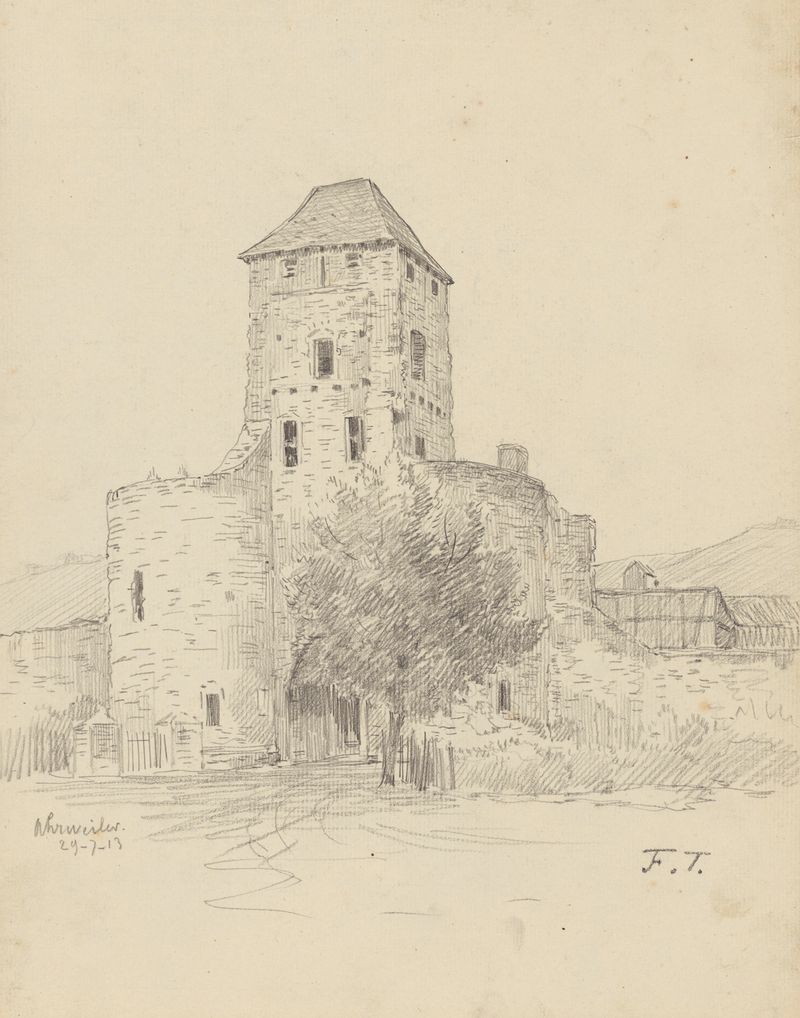
Vieille tour (porte) à Ahrweiler (Allemagne)
Jean-François Taelemans
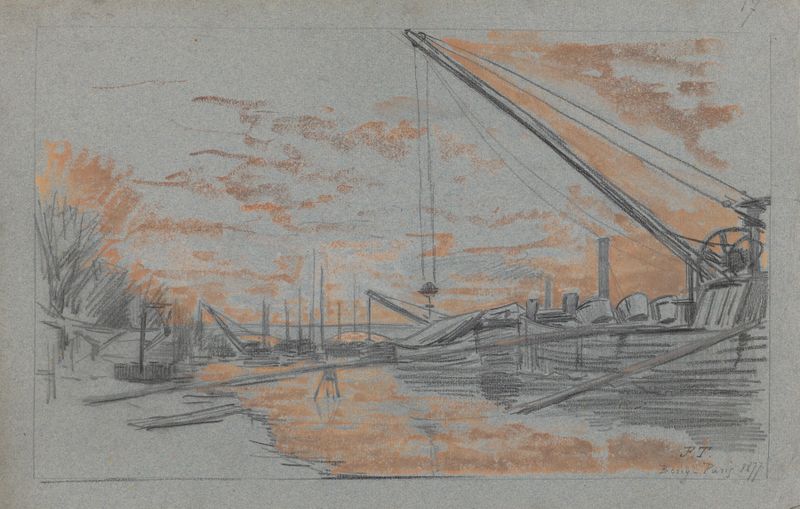
Bercy – Paris (bord de Seine avec chalands à l’ancre en cours de chargement, soleil couchant)
Jean-François Taelemans
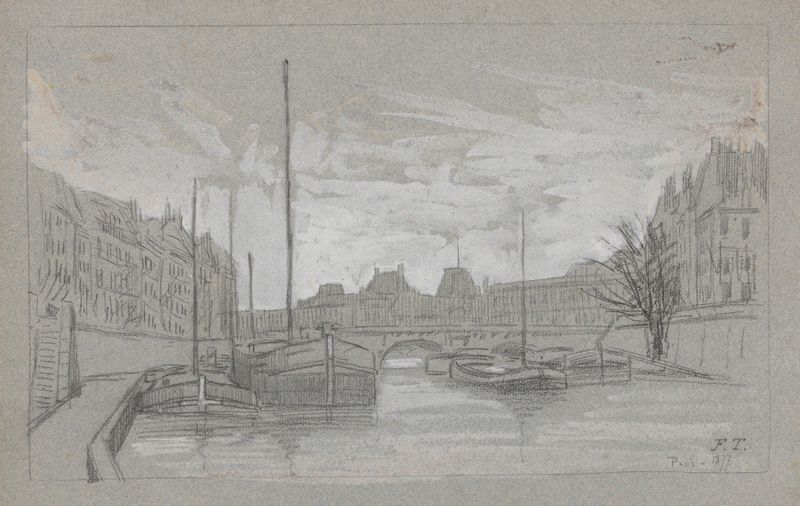
Paris (bateaux sur la Seine près d’un pont)
Jean-François Taelemans
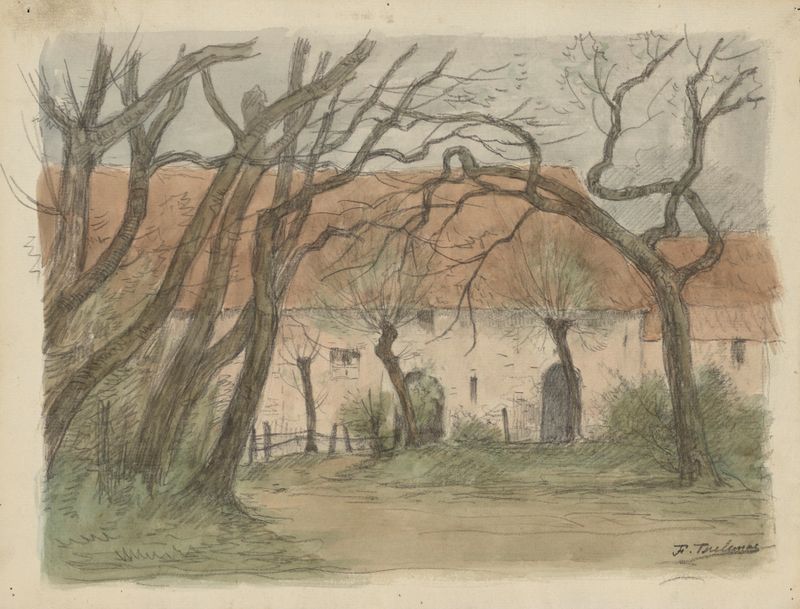
Grande maison campagnarde derrière un bouquet d’arbres
Jean-François Taelemans
More Architecture Art
Browse all →
The statue of Liberty
Frédéric Auguste Bartholdi

View of Houses in Delft, Known as ‘The Little Street’
Johannes Vermeer

View of Houses in Delft, Known as ‘The Little Street’
Johannes Vermeer

The Cathedral in Rouen. The portal, Grey Weather
Claude Monet

The yellow house
Vincent van Gogh

The Church in Auvers-sur-Oise, View from the Chevet
Vincent van Gogh