
Eglise Notre-Dame à Alsemberg — History & Facts
In the delicate interplay of light and shadow within this painting, divinity reveals itself in unexpected ways. A church, standing resolute amidst a tranquil landscape, speaks to the heart of faith and the human experience, inviting contemplation of both solace and struggle. Look to the center of the canvas, where the majestic spire of the church reaches toward the heavens. Notice how it is framed by gentle trees, their foliage a soft green that contrasts with the earth tones of the building’s structure.
The light casts a warm glow upon the scene, illuminating the façade and highlighting the intricate stonework, while shadows dance playfully along the ground, creating a sense of depth and dimensionality. This careful choreography of light and color draws the viewer into a moment suspended in time. Beneath the surface of this idyllic representation lies a tension between the sacred and the ordinary. The church, a beacon of hope, stands against a backdrop of nature, which whispers of the transience of life.
The stillness of the landscape is punctuated by the absence of human presence, evoking a sense of solitude that speaks to the inner turmoil often associated with faith. This duality of beauty and pain resonates deeply, inviting a reflection on one’s own spiritual journey. In 1910, while living in Belgium, Jean-François Taelemans painted this work during a time marked by significant social and artistic upheaval. The rise of modernism was challenging traditional representations of faith and place, and Taelemans, with a keen eye for the interplay of nature and architecture, endeavored to capture the essence of divine beauty against the backdrop of a changing world.
This painting embodies his response to that moment, merging realism with a poetic sensibility that continues to resonate today.
More Artworks by Jean-François Taelemans
Browse all →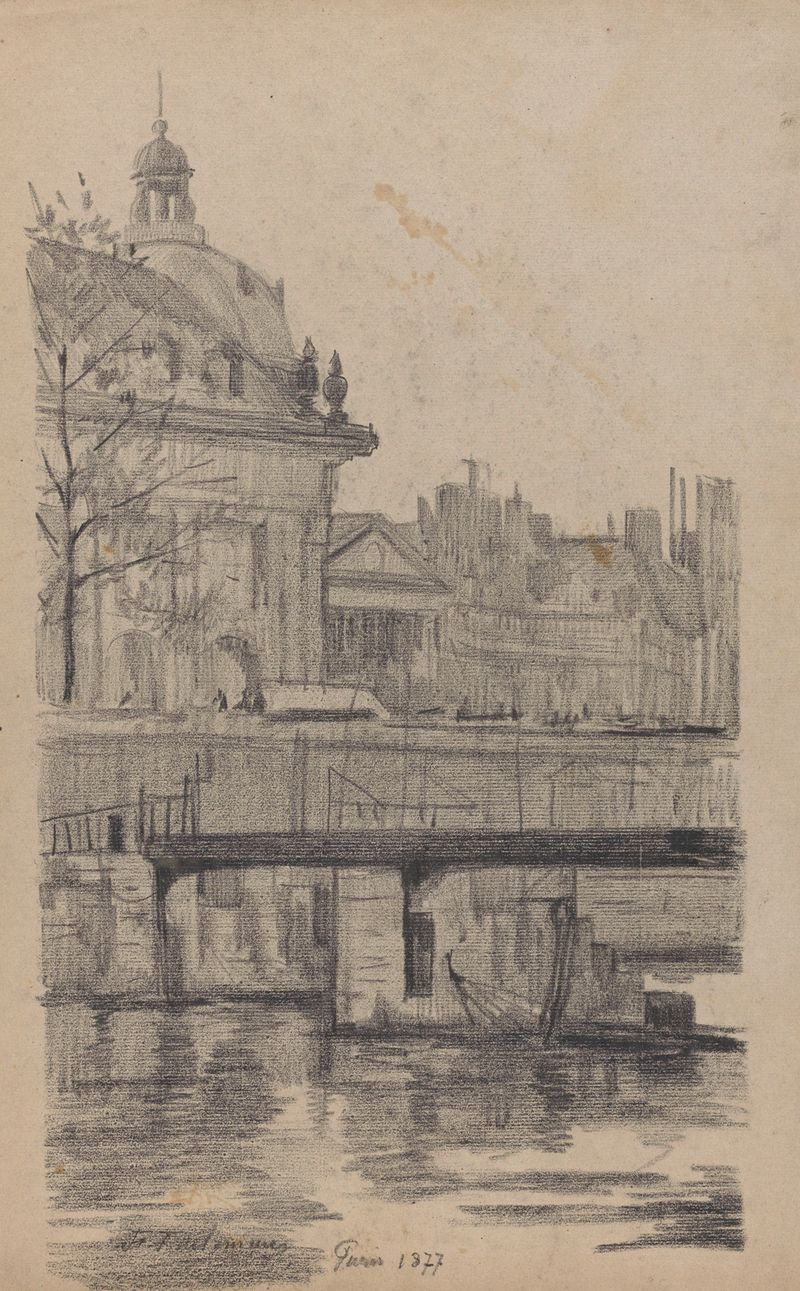
Paris (vue de la Seine et du Collège des Quatre Nations (actuellement siège de l’Institut de France)
Jean-François Taelemans
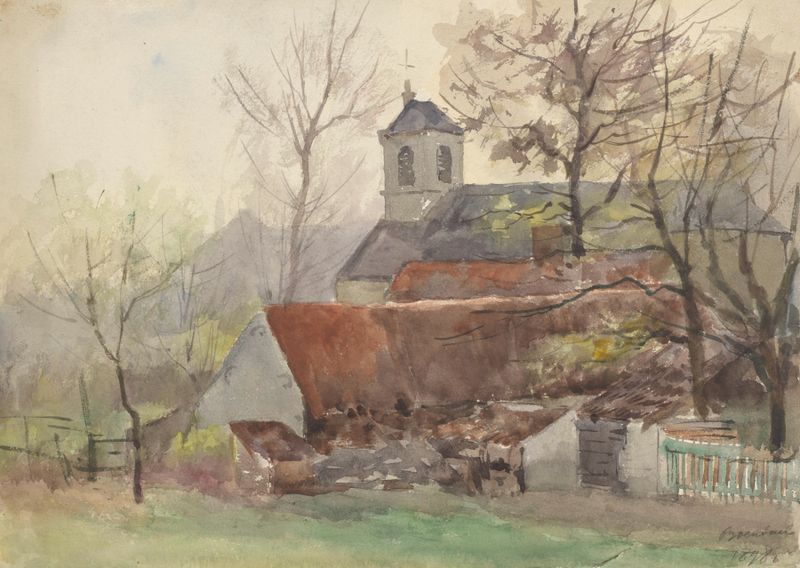
Boendael (église)
Jean-François Taelemans
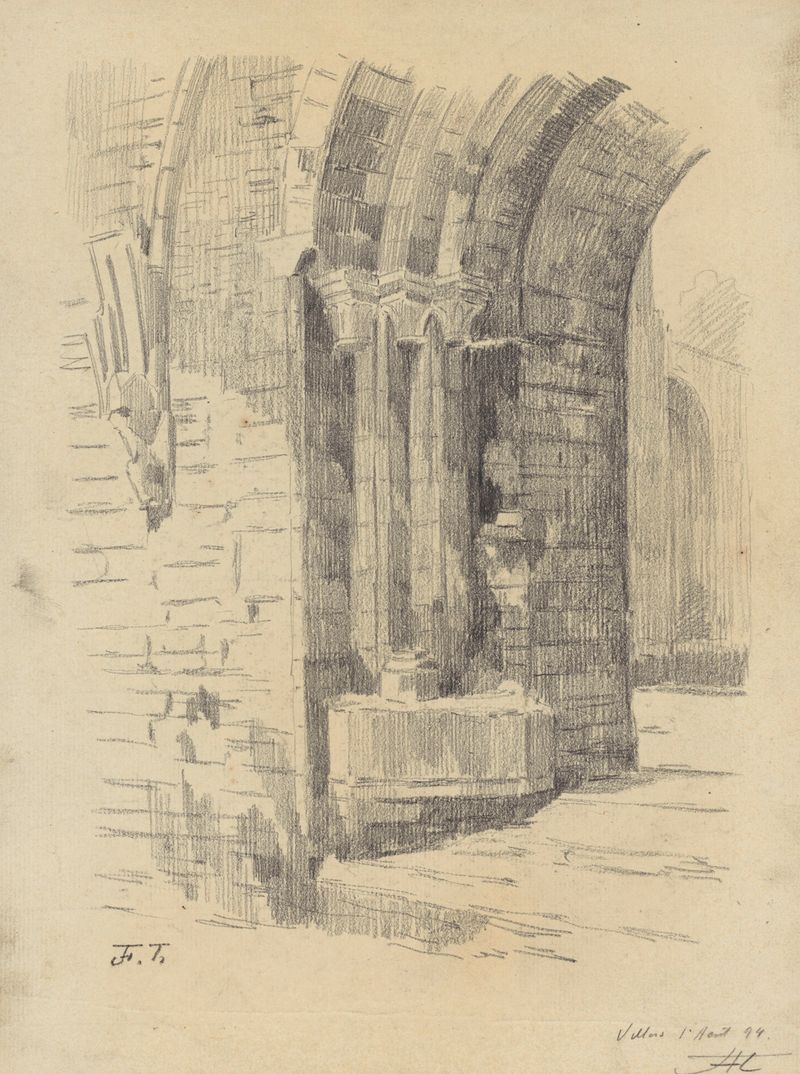
Ruines de l’abbaye de Villers-la-Ville – porche entre le cloître et l’église abbatiale (côté droit)
Jean-François Taelemans
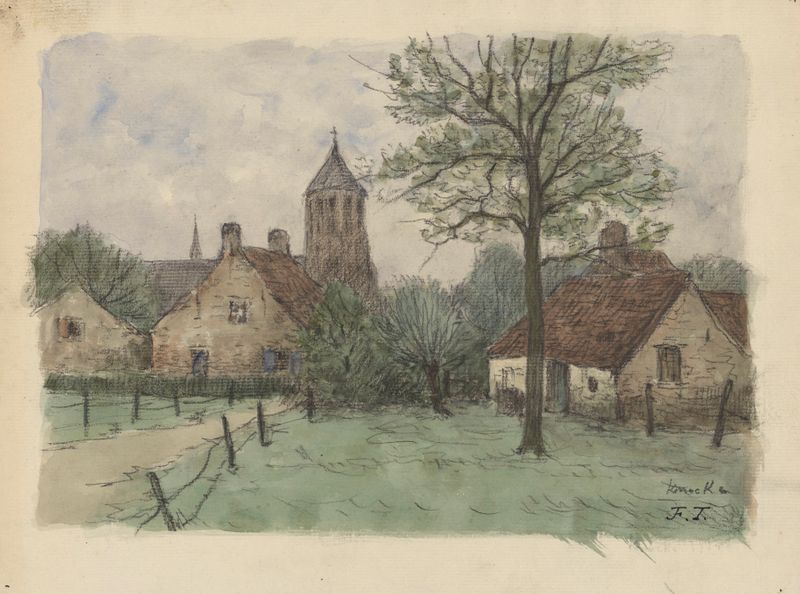
Village et église Sint Margaretha à Knocke
Jean-François Taelemans
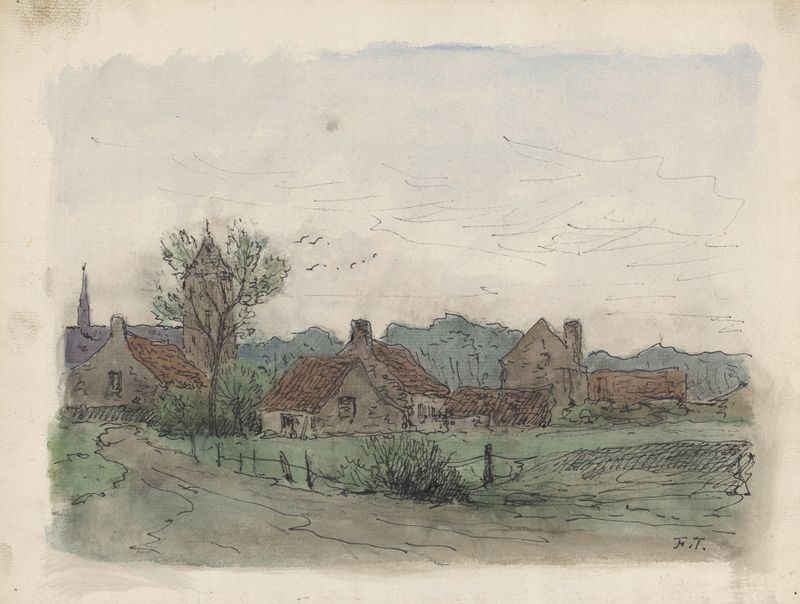
Village
Jean-François Taelemans
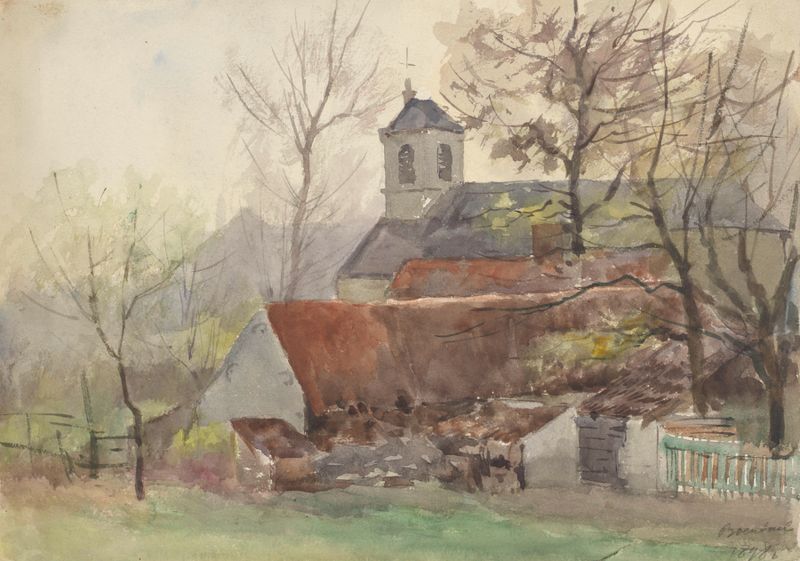
Boendael (église)
Jean-François Taelemans
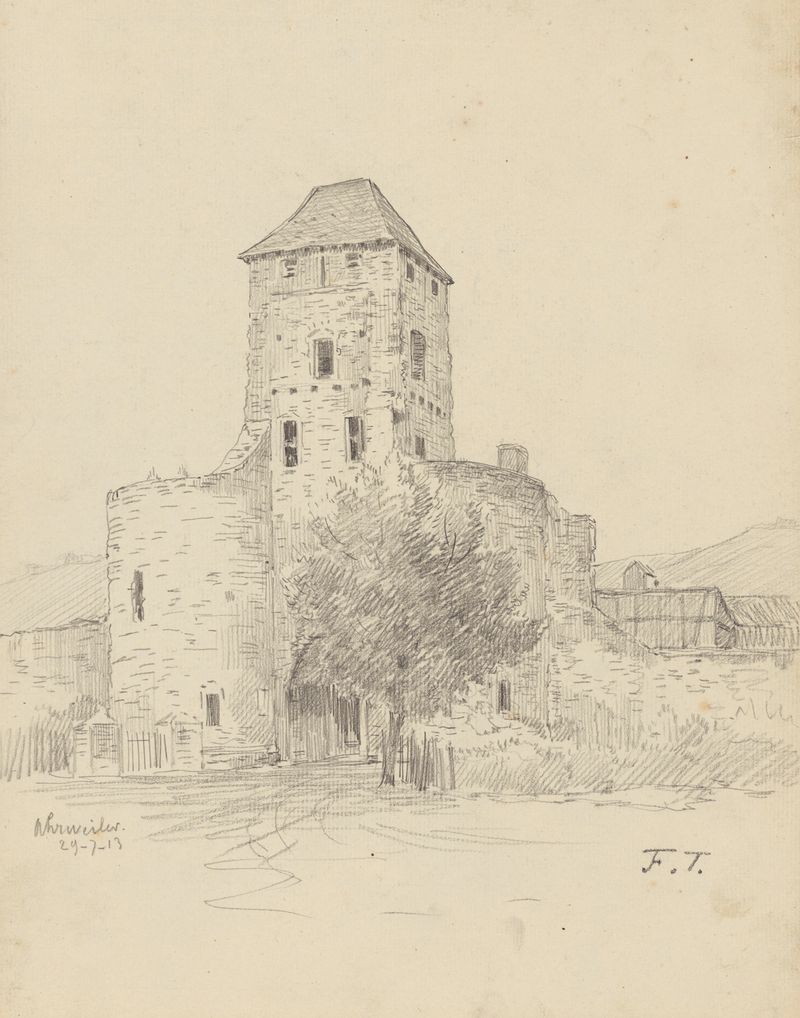
Vieille tour (porte) à Ahrweiler (Allemagne)
Jean-François Taelemans
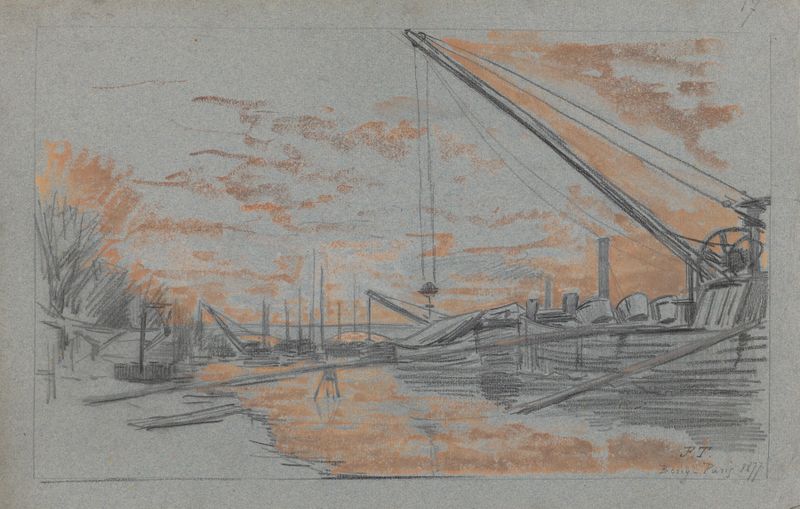
Bercy – Paris (bord de Seine avec chalands à l’ancre en cours de chargement, soleil couchant)
Jean-François Taelemans
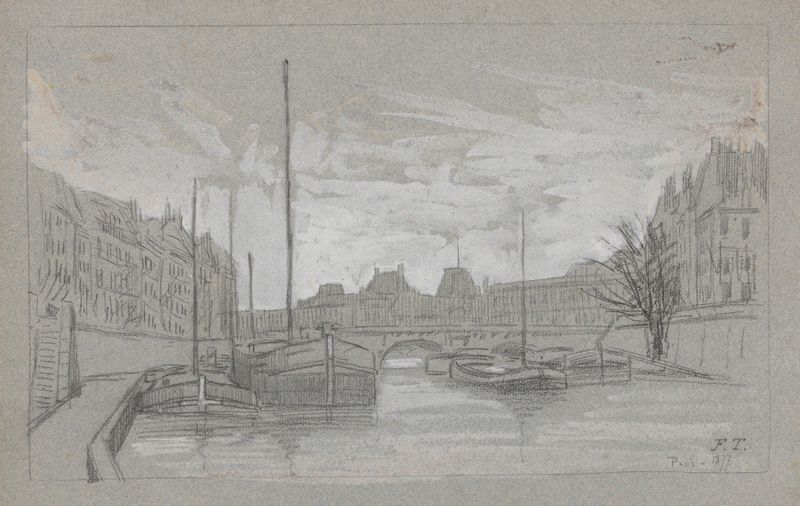
Paris (bateaux sur la Seine près d’un pont)
Jean-François Taelemans
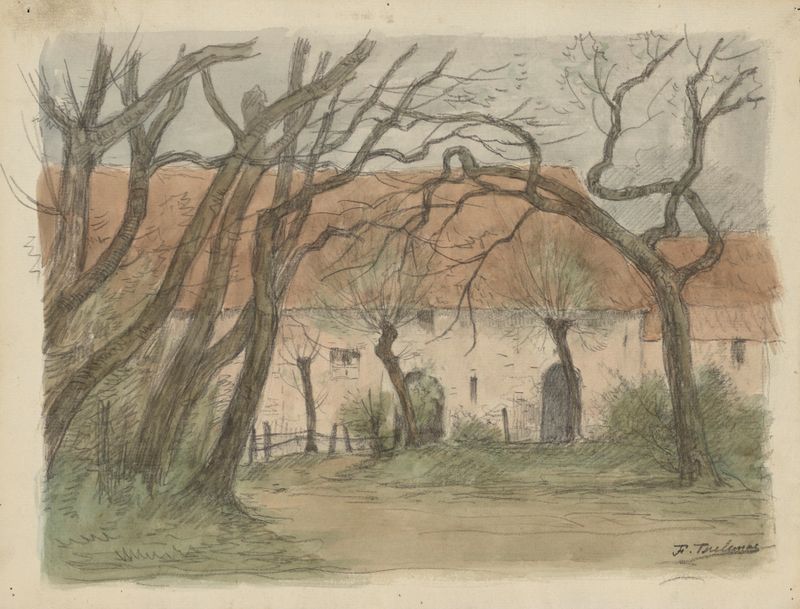
Grande maison campagnarde derrière un bouquet d’arbres
Jean-François Taelemans
More Architecture Art
Browse all →
The statue of Liberty
Frédéric Auguste Bartholdi

View of Houses in Delft, Known as ‘The Little Street’
Johannes Vermeer

View of Houses in Delft, Known as ‘The Little Street’
Johannes Vermeer

The Cathedral in Rouen. The portal, Grey Weather
Claude Monet

The yellow house
Vincent van Gogh

The Church in Auvers-sur-Oise, View from the Chevet
Vincent van Gogh