
Ejecución de los comuneros de Castilla — History & Facts
What grips the viewer first is the charged stillness at the center of the chaos: three men, hands bound, stand or kneel amid a swirl of gestures and emotion, their faces composed in the final moments before execution. The light falls directly on their figures, singling them out from the bustling crowd and the turmoil in the background. One man lies on the ground, his limbs held tightly by a soldier, while another kneels, confronted by a friar offering a crucifix.
The central figure, upright and dignified in red and green, closes his eyes as if already at peace with his fate, while a nun behind him raises her hands in a silent plea. The palette moves from the warmth of flesh and velvet to the cool blue of the sky, drawing the eye upward and outward, but always returning to the drama of these last moments. Painted in 1868 by Antonio Gisbert, this work belongs to a period when Spanish artists looked to their own turbulent history for inspiration, often choosing themes of resistance and sacrifice. The scene is set in Villalar, 1521, where the execution of the comuneros—Juan de Padilla, Juan Bravo, and Francisco Maldonado—marked a turning point in Castilian history.
Such historical paintings were commissioned or acquired by state institutions to shape national memory and identity, and this particular canvas was purchased by the Spanish state for display in the Congreso de los Diputados. In the mid-19th century, as Spain grappled with its own political upheavals, artists like Gisbert used meticulous detail and theatrical composition to invite viewers not only to witness the past, but to reflect on the costs of conviction and the meaning of public sacrifice. The painting’s solemnity and clarity challenge you to look again, searching the faces for courage, fear, and the weight of history.
More Artworks by Antonio Gisbert

Fusilamiento de Torrijos y sus compañeros en las playas de Málaga
Antonio Gisbert
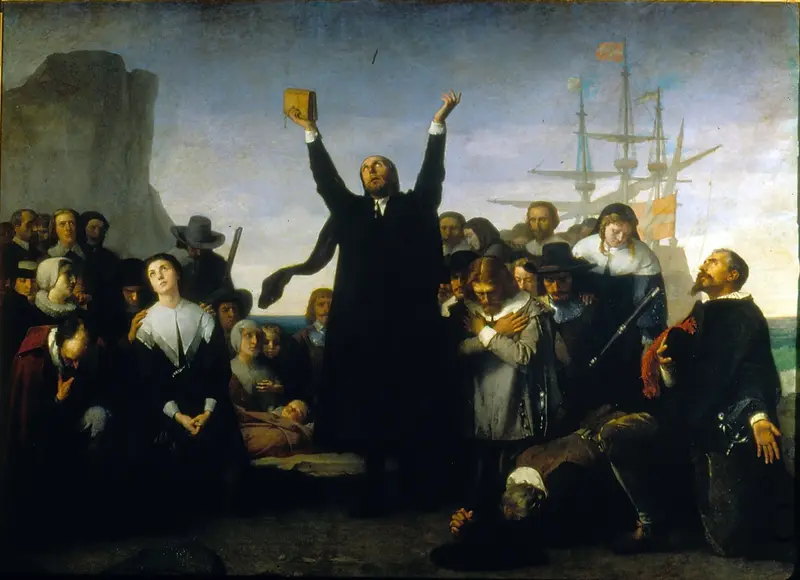
Desembarco de los puritanos en América ( )
Antonio Gisbert
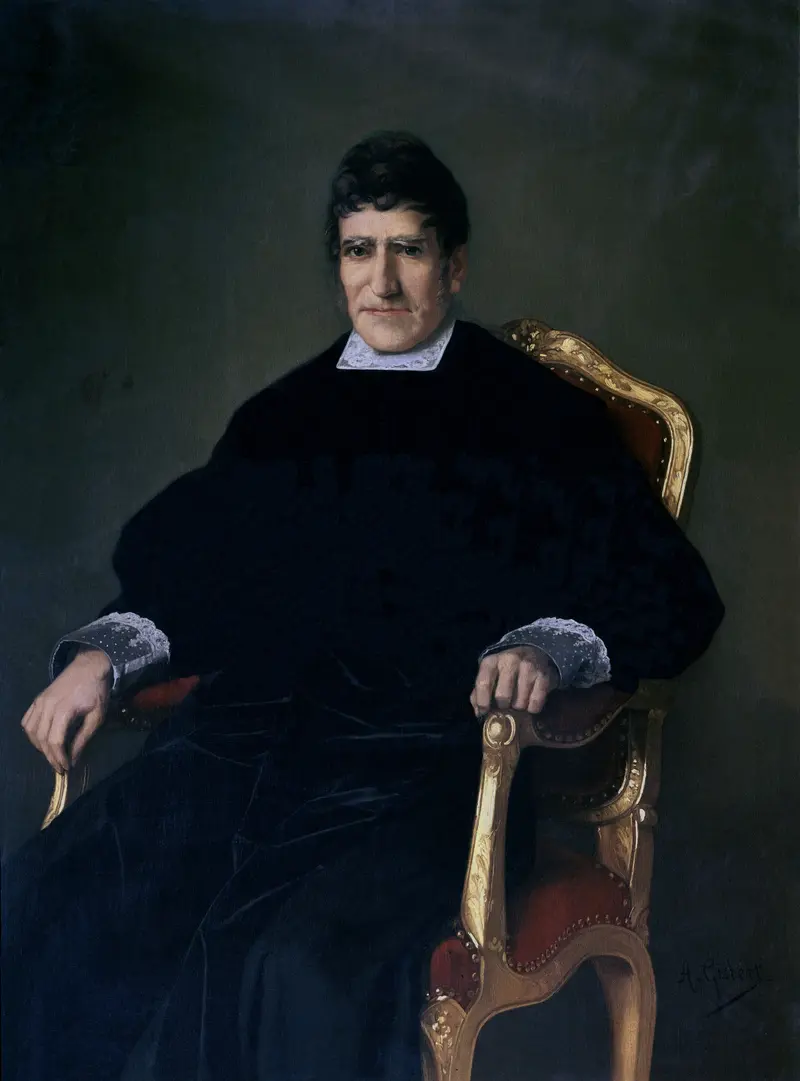
Porträt des José María Calatrava y Martínez (1781-1846)
Antonio Gisbert
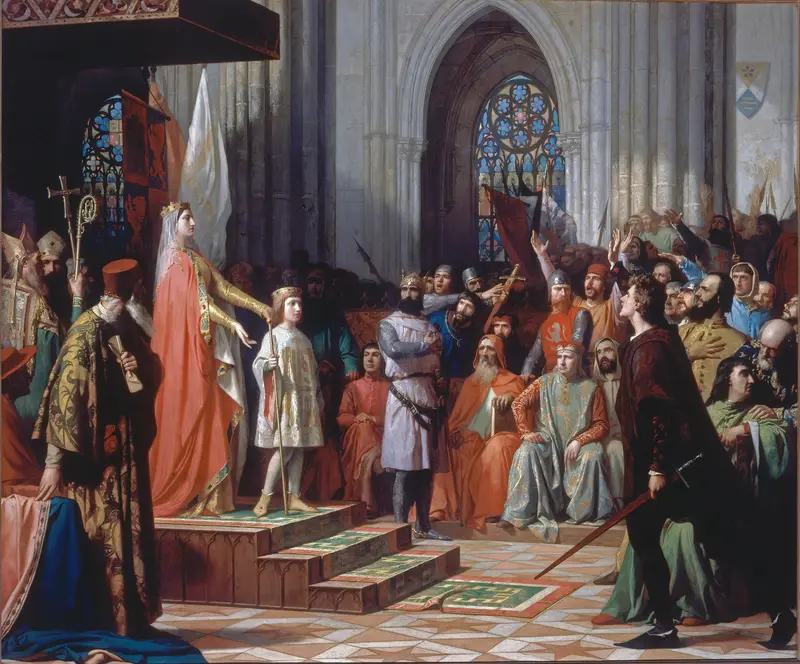
María de Molina presenta a su hijo Fernando IV en las Cortes de Valladolid de
Antonio Gisbert
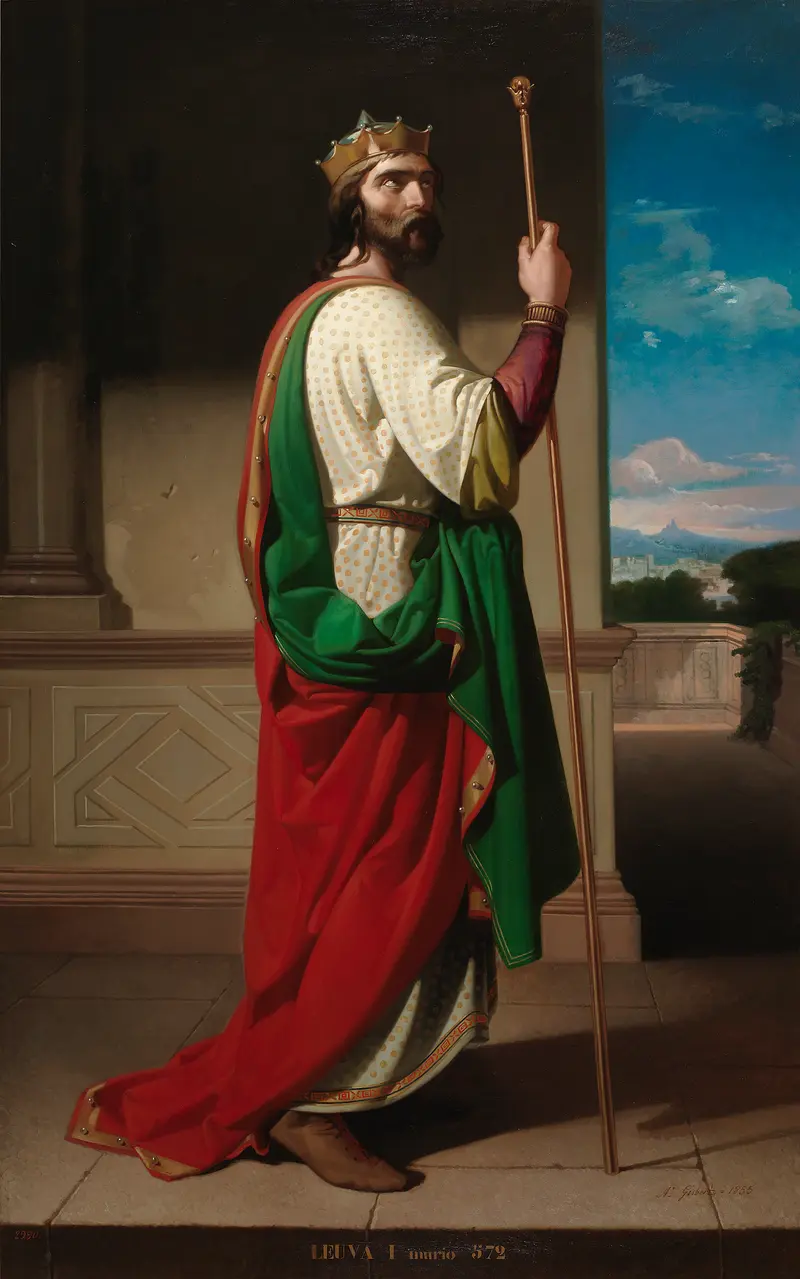
Liuva I, rey de los Visigodos
Antonio Gisbert
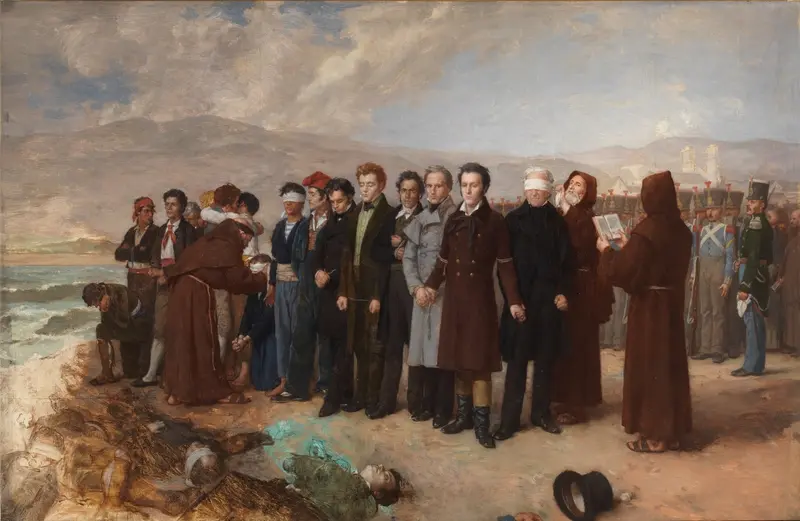
The Execution by Firing Squad of Torrijos and his Companions on the beach at Málaga
Antonio Gisbert





