
Porträt des José María Calatrava y Martínez (1781-1846) — History & Facts
A quiet authority radiates from the figure seated in this portrait by Antonio Gisbert. The sitter’s hands rest with measured confidence on the gilded arms of his chair, while the crisp white lace at his cuffs and collar draws the eye to the thoughtful, almost reserved expression on his face. The darkness of his robe, rendered in deep, velvety tones, anchors the composition and throws his face into gentle relief, allowing every line and furrow to speak of a life spent in public service.
The plain background refuses any distraction, compelling the viewer to meet the gaze of a man who once held the highest offices in Spain. Painted in 1872, this portrait captures José María Calatrava y Martínez, a statesman who rose to become both President of the Government of Spain and President of the Supreme Court. In the world of nineteenth-century Spanish portraiture, such works were more than likenesses—they were statements of civic virtue and personal accomplishment, often commissioned to commemorate careers in law, politics, or the military. While history has kept few traces of the circumstances behind this specific painting, its presence in a collection today speaks to the enduring Spanish tradition of honoring public figures with gravitas and restraint.
The viewer is left to wonder what conversations and decisions once weighed on the mind behind that steady gaze.
More Artworks by Antonio Gisbert

Fusilamiento de Torrijos y sus compañeros en las playas de Málaga
Antonio Gisbert

Ejecución de los comuneros de Castilla
Antonio Gisbert
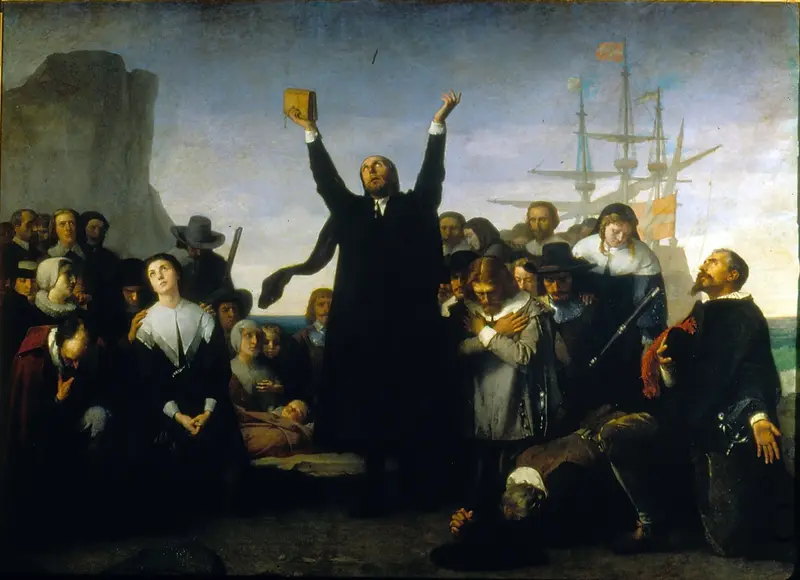
Desembarco de los puritanos en América ( )
Antonio Gisbert
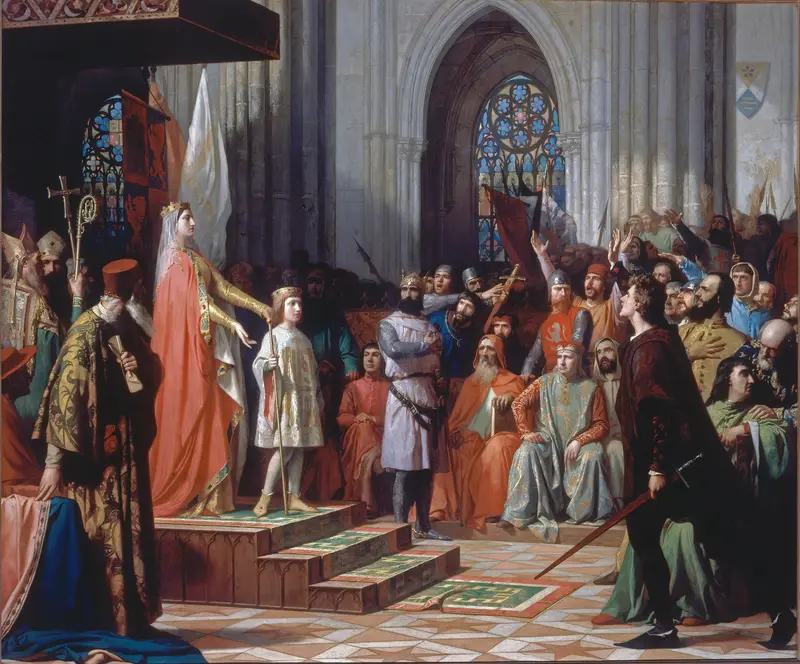
María de Molina presenta a su hijo Fernando IV en las Cortes de Valladolid de
Antonio Gisbert
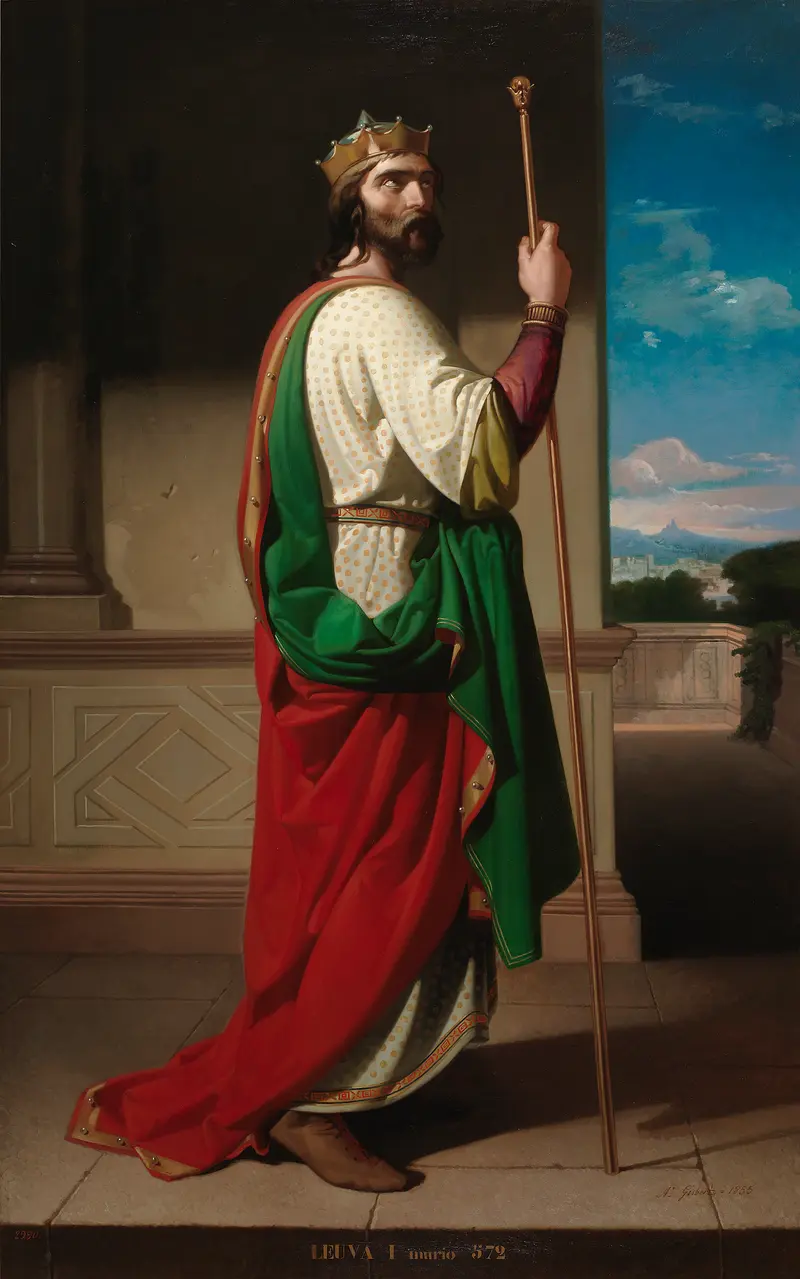
Liuva I, rey de los Visigodos
Antonio Gisbert
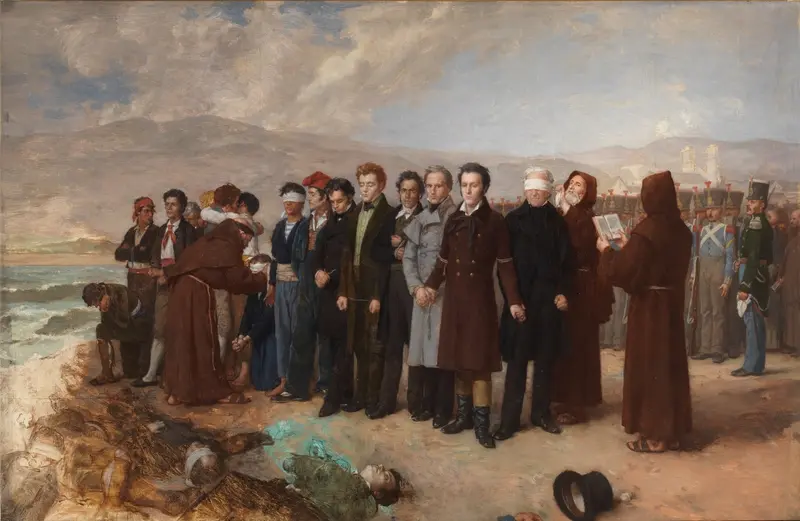
The Execution by Firing Squad of Torrijos and his Companions on the beach at Málaga
Antonio Gisbert





