
María de Molina presenta a su hijo Fernando IV en las Cortes de Valladolid de — History & Facts
A shaft of light falls across the raised platform, drawing every eye to the poised figure of a queen and the child at her side. In María de Molina presenta a su hijo Fernando IV en las Cortes de Valladolid de, Antonio Gisbert captures a moment of political theater: a mother’s gamble for her son’s crown. The queen’s outstretched arm is not just a gesture of introduction, but a declaration of legitimacy, her red robe and golden crown marking her authority amid the sea of assembled nobles and clergy.
The boy-king, Fernando IV, stands slightly behind, his own crown gleaming, his gaze steady, while the gathered men react in a chorus of raised hands, murmurs, and skeptical glances—a visual record of power being negotiated in real time. The architecture and stained glass behind the figures evoke the solemnity of a cathedral, but the drama is unmistakably human: each face is rendered with care, from the bishop clutching his cross to the armored knights and richly dressed courtiers. The checkerboard floor and the steps leading to the throne create a stage, amplifying the sense of ceremony and risk. Gisbert’s palette, dominated by deep reds and golds, sets a mood of both grandeur and tension, while the play of light isolates the central figures, making the viewer a silent witness to this pivotal encounter.
The painting’s composition, with its careful layering of bodies and banners, channels the energy of a courtroom drama, where allegiance and destiny hang in the balance. Painted in 1863 and held in the Archivo del Congreso de los Diputados, this work belongs to a tradition of 19th-century Spanish history painting, where artists revived national legends to comment on questions of authority and identity. Such canvases were often commissioned for public institutions, meant to inspire civic pride or reflection on the nation’s past. In Gisbert’s era, history painting was a vehicle for both education and political messaging, and scenes like this—of contested succession and the assertion of royal will—would have resonated in a Spain still negotiating its own modern identity.
The painting invites us to look again, not only at the faces in the crowd, but at the enduring question of how power is claimed and recognized.
More Artworks by Antonio Gisbert

Fusilamiento de Torrijos y sus compañeros en las playas de Málaga
Antonio Gisbert

Ejecución de los comuneros de Castilla
Antonio Gisbert
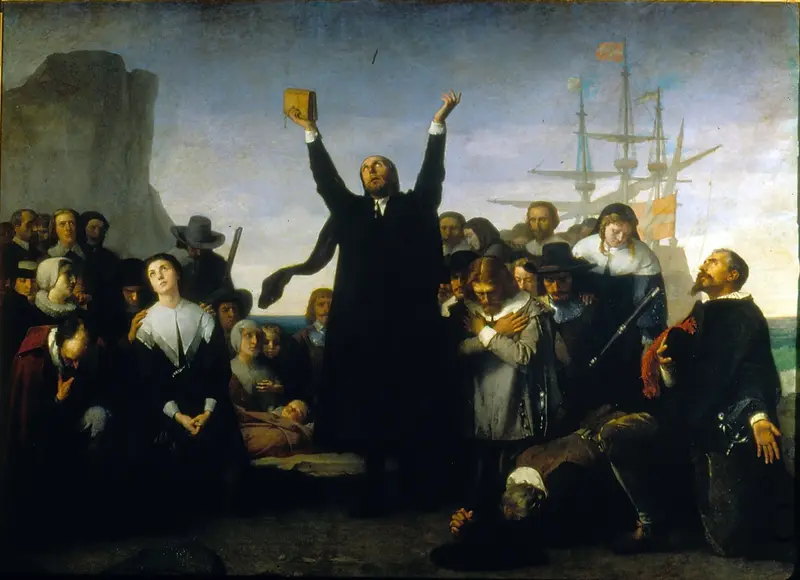
Desembarco de los puritanos en América ( )
Antonio Gisbert
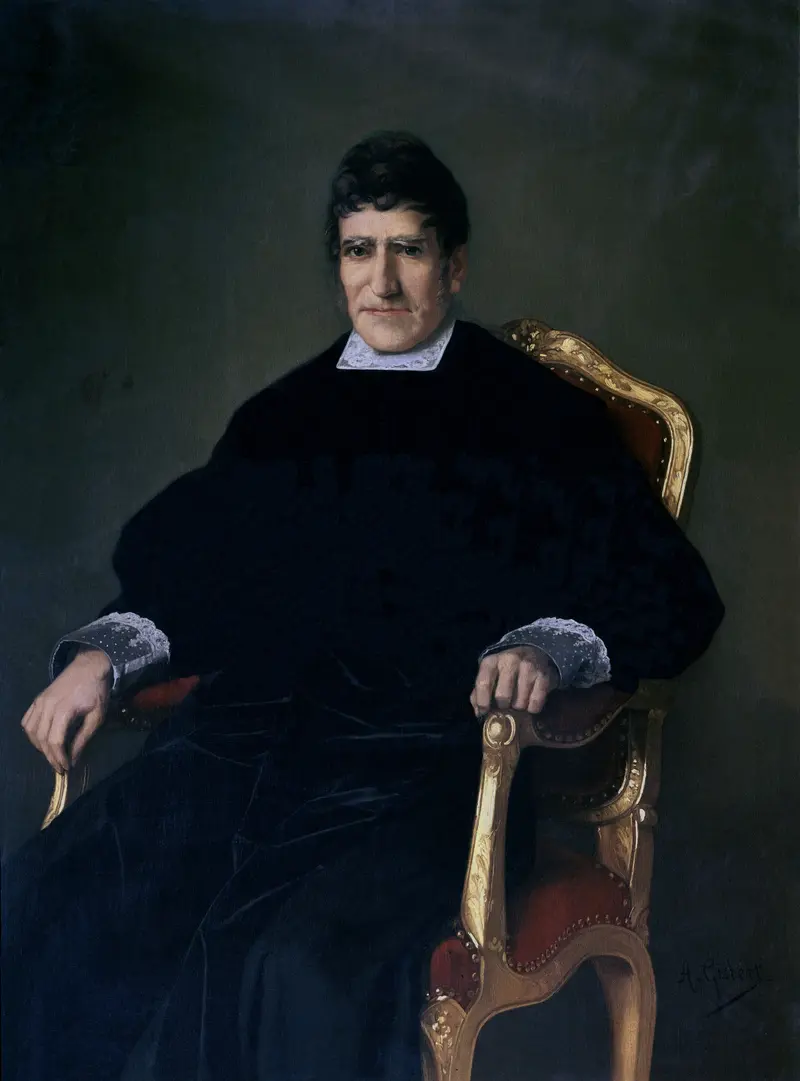
Porträt des José María Calatrava y Martínez (1781-1846)
Antonio Gisbert
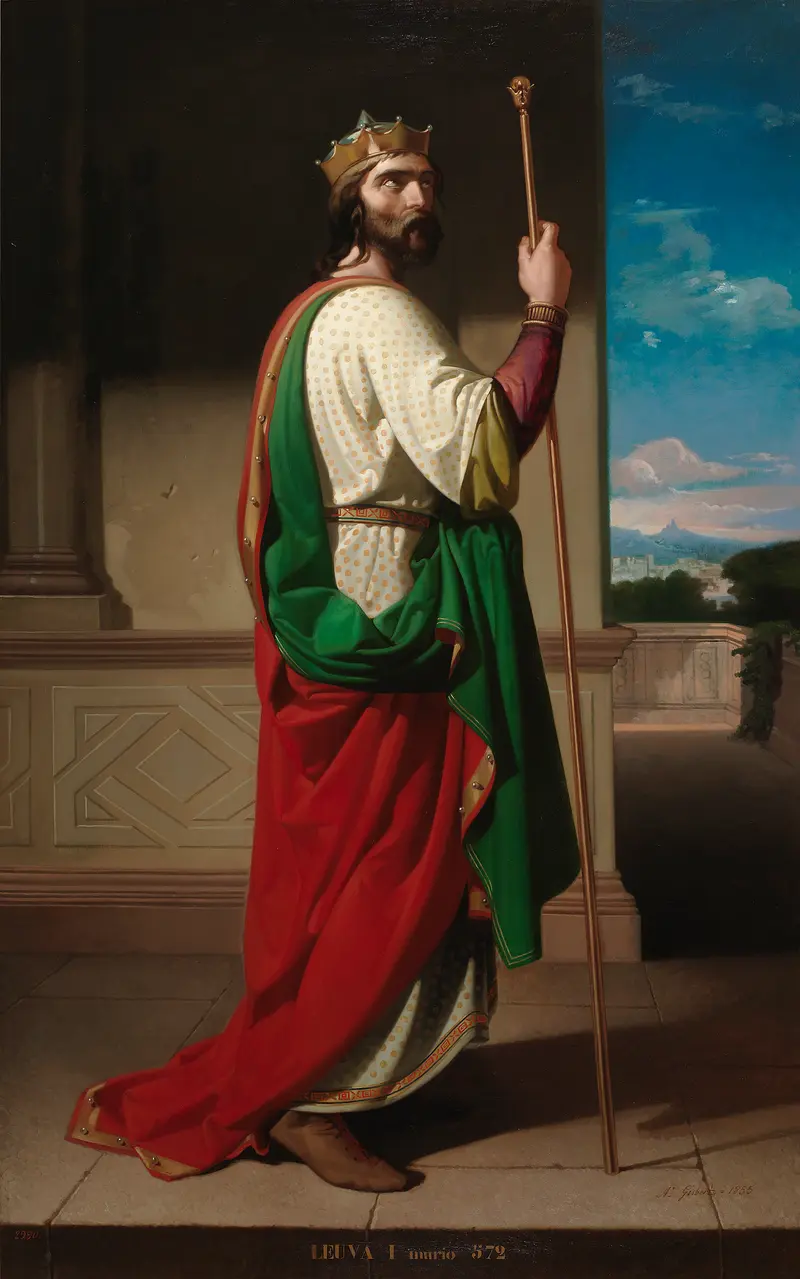
Liuva I, rey de los Visigodos
Antonio Gisbert
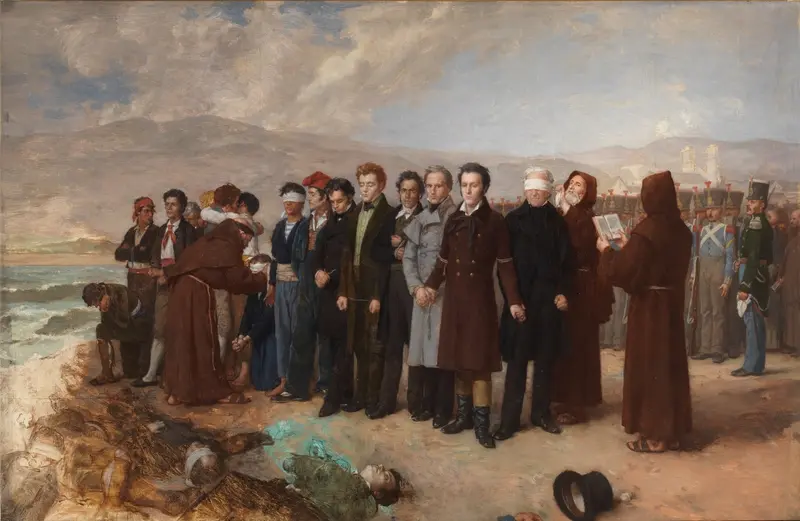
The Execution by Firing Squad of Torrijos and his Companions on the beach at Málaga
Antonio Gisbert





