
El arado — History & Facts
What if beauty was never meant to be finished? In El arado, the raw tension between labor and artistry reveals a world where creation and destruction coexist in a delicate balance. Look to the vibrant earth tones that dominate the canvas, where deep ochres and rich browns illustrate the toil of the workers. Notice how the plowed field stretches across the scene, crisscrossed by dark, jagged lines, suggesting both rhythm and chaos. The figures, hunched and determined, emerge like shadows against the unyielding landscape, their bodies intertwined with the very soil they till.
The brushwork is both swift and deliberate, capturing the essence of movement while preserving the weight of their labor. Beneath the surface, the painting conveys a haunting dichotomy. The act of plowing, often viewed as a symbol of growth and fertility, is juxtaposed with the violence embedded in the struggle of the laborers against the unforgiving land. There is a palpable sense of exhaustion in their posture, hinting at the relentless nature of their work.
This interplay between hard labor and the beauty of the earth speaks to the broader themes of life and the often overlooked brutality that underpins creation. Martín Malharro painted El arado in 1901 during a period of artistic exploration in Argentina, where the movement towards modernism began to take root. At this time, he was deeply influenced by the Impressionist techniques that had permeated the art world, which prompted him to examine the relationship between nature and human endeavor. This work reflects his commitment to capturing the spirit of his environment, while also revealing the weight of societal struggles faced by the working class.
More Artworks by Martín Malharro
Browse all →
Las parvas (la pampa de hoy)
Martín Malharro
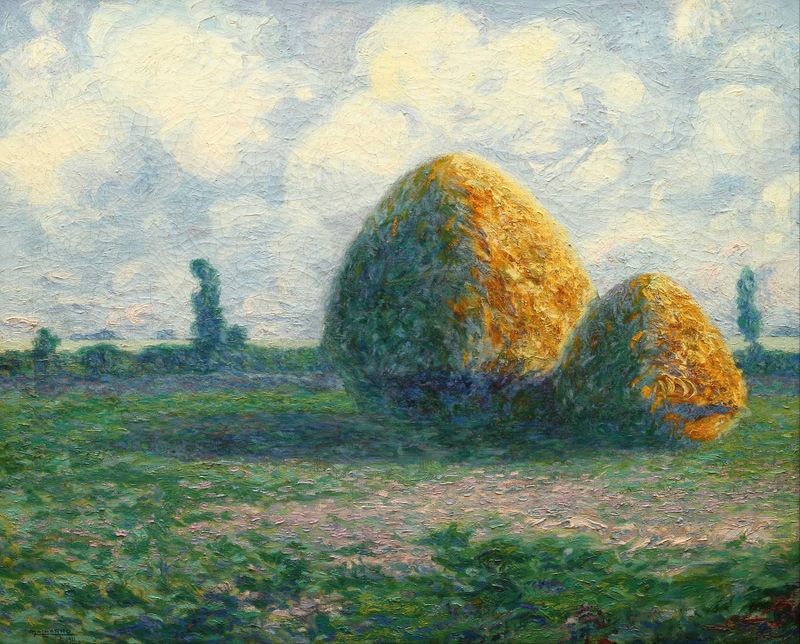
Las parvas (la pampa de hoy)
Martín Malharro
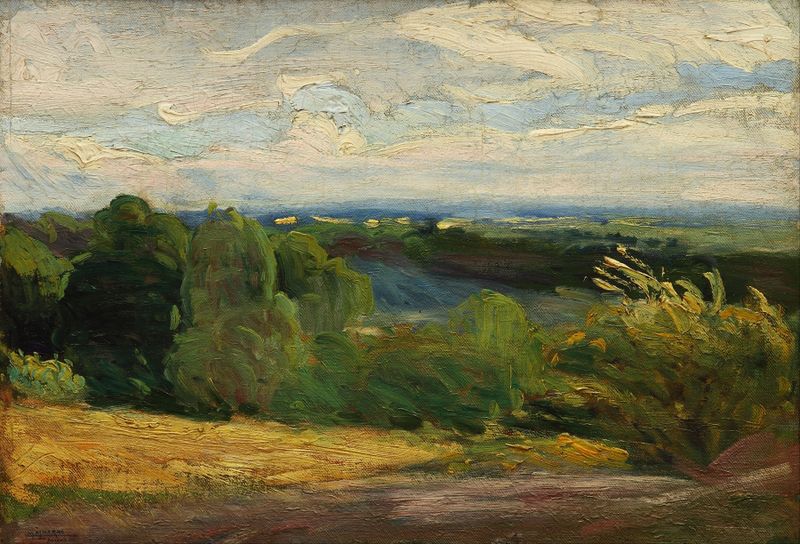
En plena naturaleza
Martín Malharro
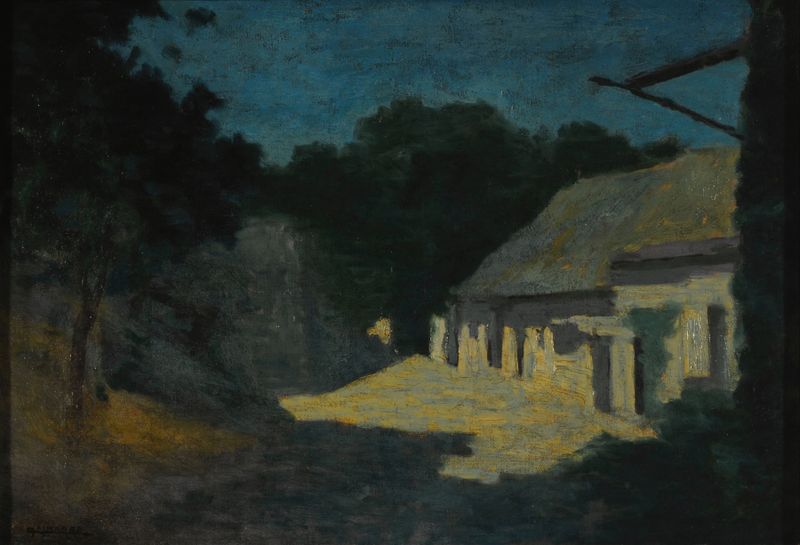
Nocturno
Martín Malharro

Un rincón de Belgrano
Martín Malharro

En plena naturaleza
Martín Malharro

Paisaje
Martín Malharro

Nocturno
Martín Malharro

El arado
Martín Malharro
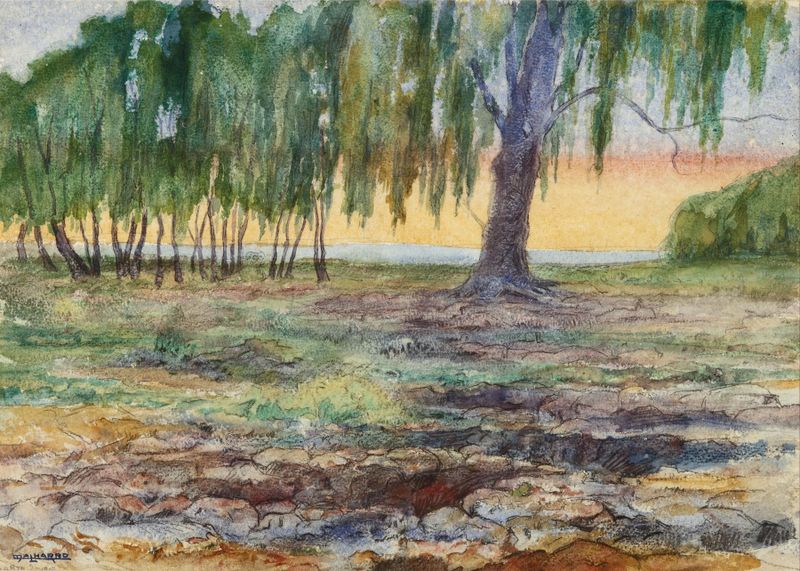
Paisaje
Martín Malharro





