
El Asha — History & Facts
Can paint confess what words never could? In El Asha, layers of color and texture reveal intimate truths that elude language, beckoning viewers to explore the depths of emotion. Look to the left where a cascade of vibrant blues and greens envelops the figure, drawing your gaze toward her serene expression. The artist's brushwork captures not only her beauty but also the delicate interplay between light and shadow. Notice how the dappled sunlight dances across her skin, accentuating the softness of her form and the intricacies of her attire.
The vibrant hues juxtaposed with muted tones establish a visual harmony that evokes both vibrancy and calm, inviting you to linger in her presence. Within the composition lies a subtle tension between the figure's poised demeanor and the underlying narrative suggested by her surroundings. The way her gaze seems both inviting and distant hints at a story of longing or introspection. The intricate patterns of her fabric are rich with cultural significance, suggesting deeper layers of identity and heritage that resonate beyond the canvas.
Here, Lavery captures a moment of vulnerability, where silence communicates what words cannot express. Painted in 1891, Lavery was in Paris, a hub of artistic innovation and cultural exchange. The late 19th century was a pivotal time in the art world, marked by the rise of Impressionism and the exploration of new techniques and themes. This period influenced Lavery's approach, as he sought to blend emotion with technical mastery, creating works that not only depicted beauty but also invited personal reflection and connection.
More Artworks by Sir John Lavery
Browse all →
On The Sands
Sir John Lavery

The Beach, Tangier
Sir John Lavery

Evening, The Bay Of Tunis
Sir John Lavery

Tangier bay at night
Sir John Lavery
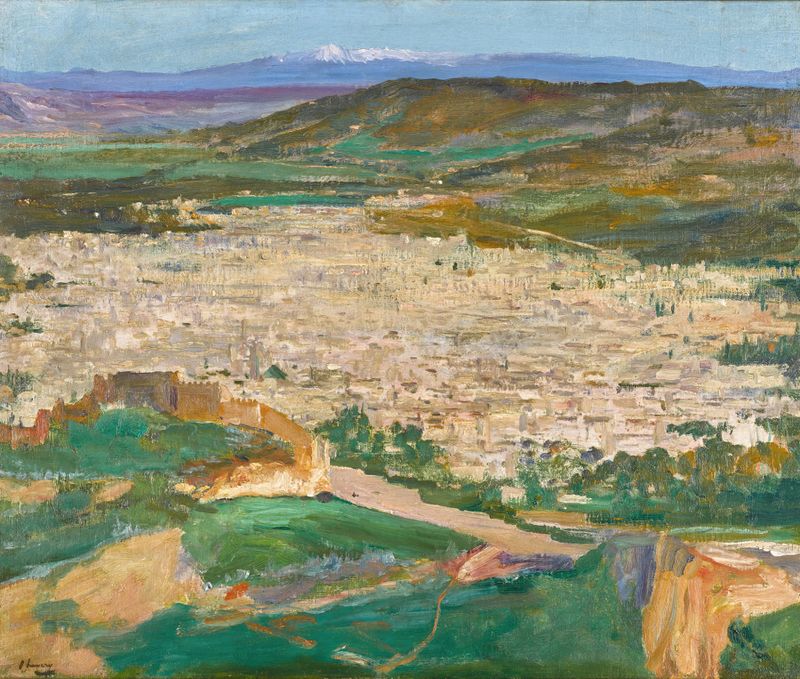
A View of Fez
Sir John Lavery
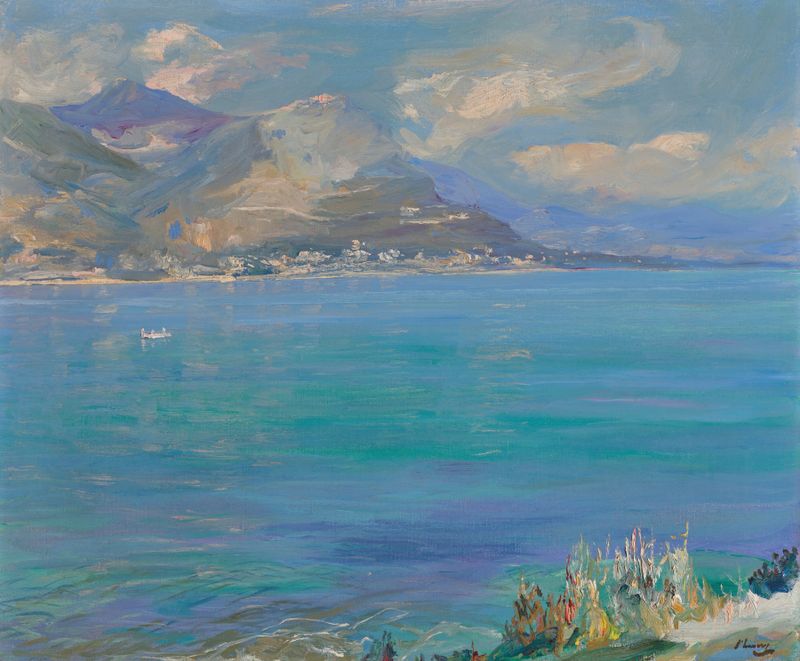
Beaulieu
Sir John Lavery
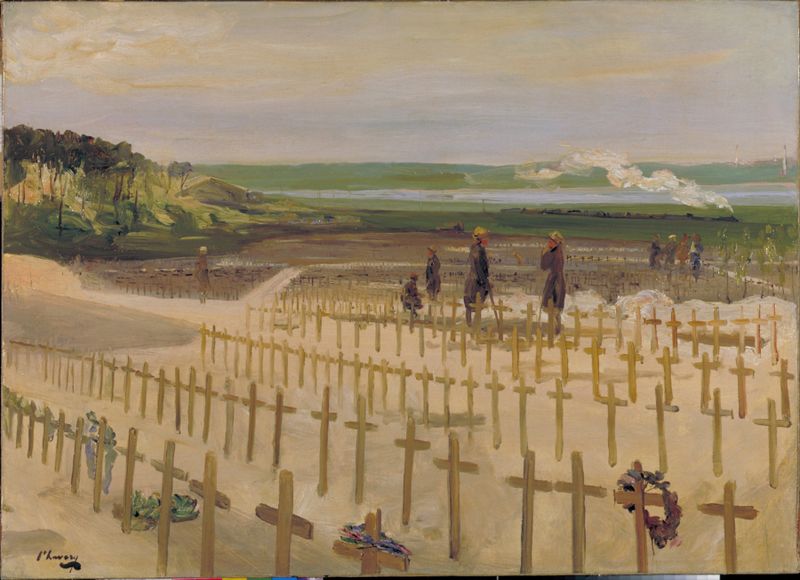
The Cemetery, Etaples, 1919
Sir John Lavery
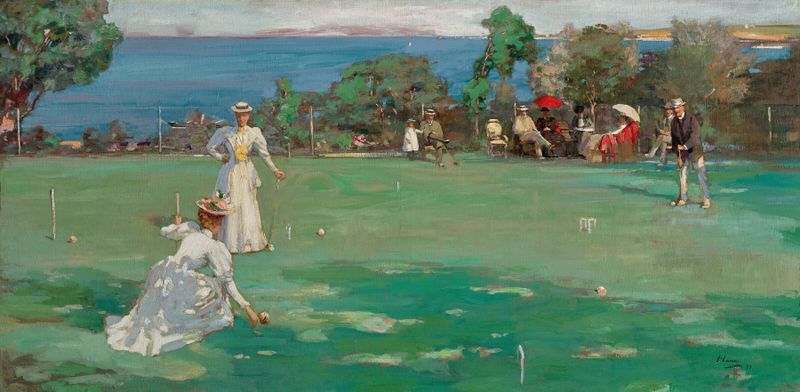
The Croquet Party
Sir John Lavery
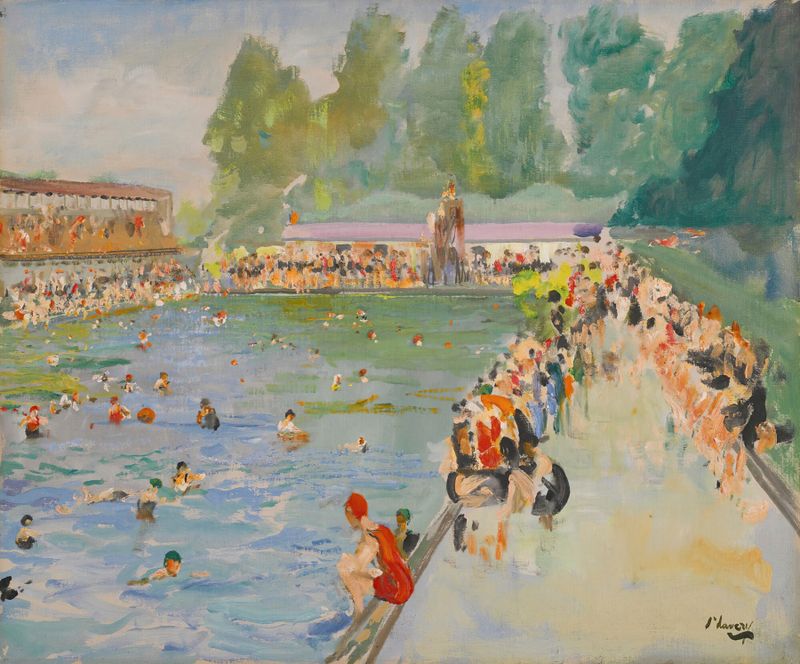
Chiswick Baths
Sir John Lavery

Hounslow
Sir John Lavery
More Portrait Art
Browse all →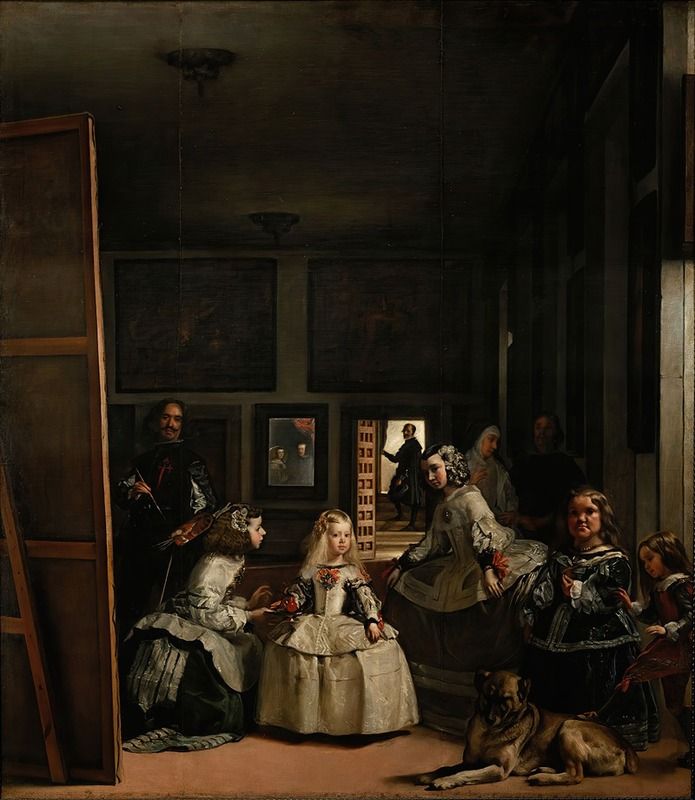
Las meninas
Diego Velázquez
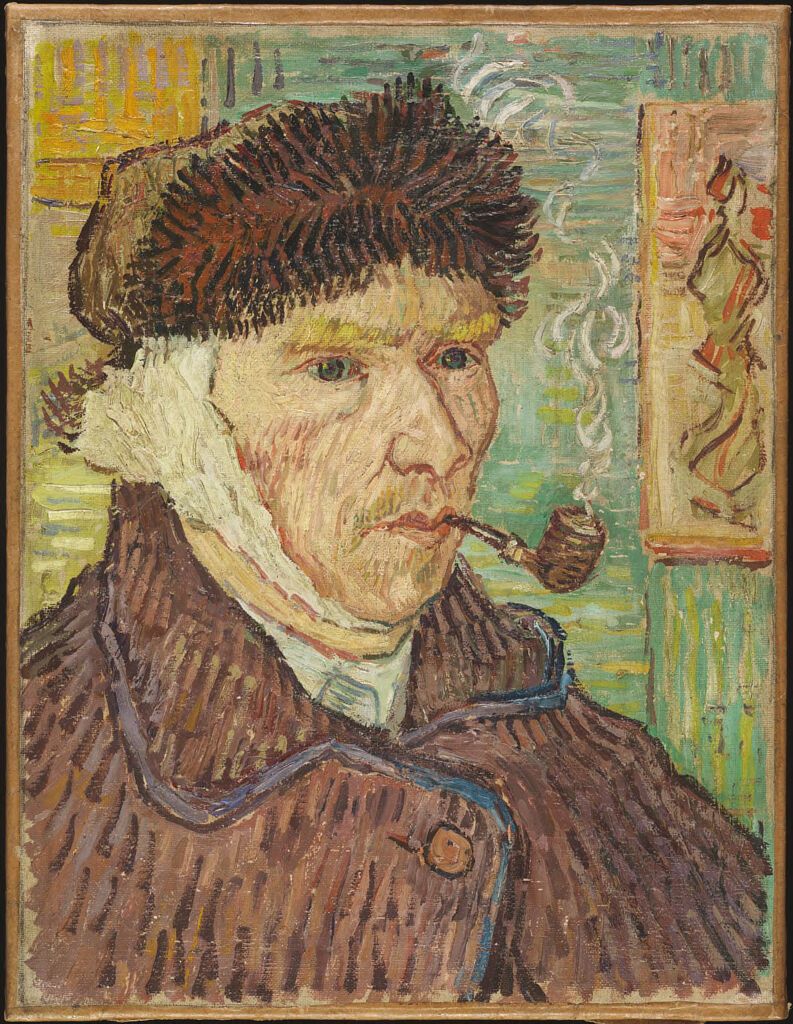
Self-portrait with a Bandaged Ear and Pipe
Unidentified artist
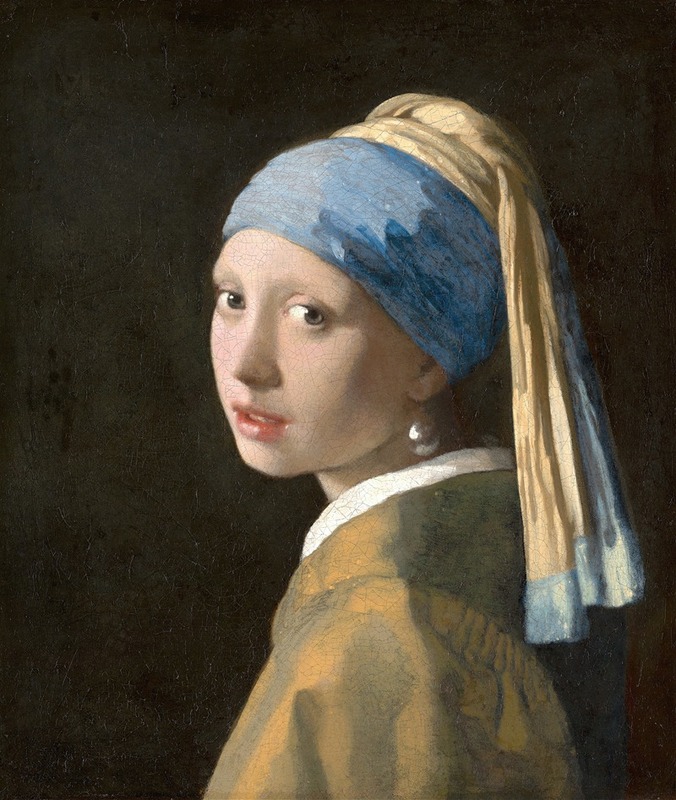
Girl with a Pearl Earring
Johannes Vermeer
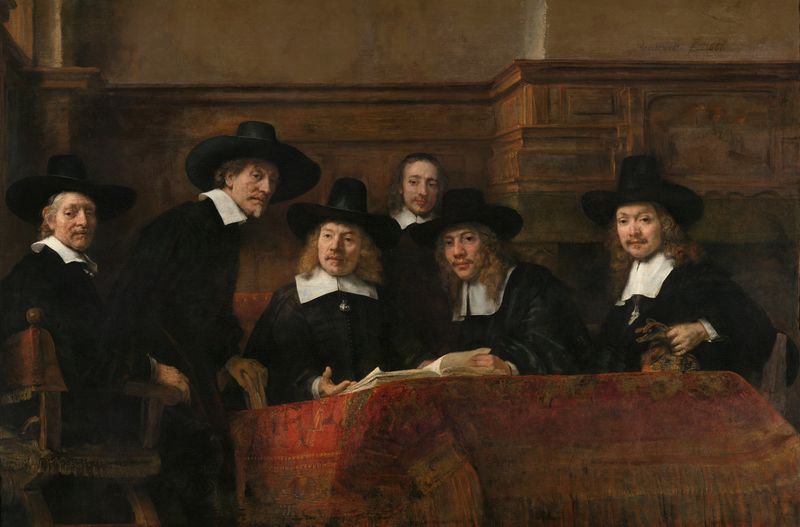
The Sampling Officials of the Amsterdam Drapers’ Guild, Known as ‘The Syndics’
Rembrandt van Rijn
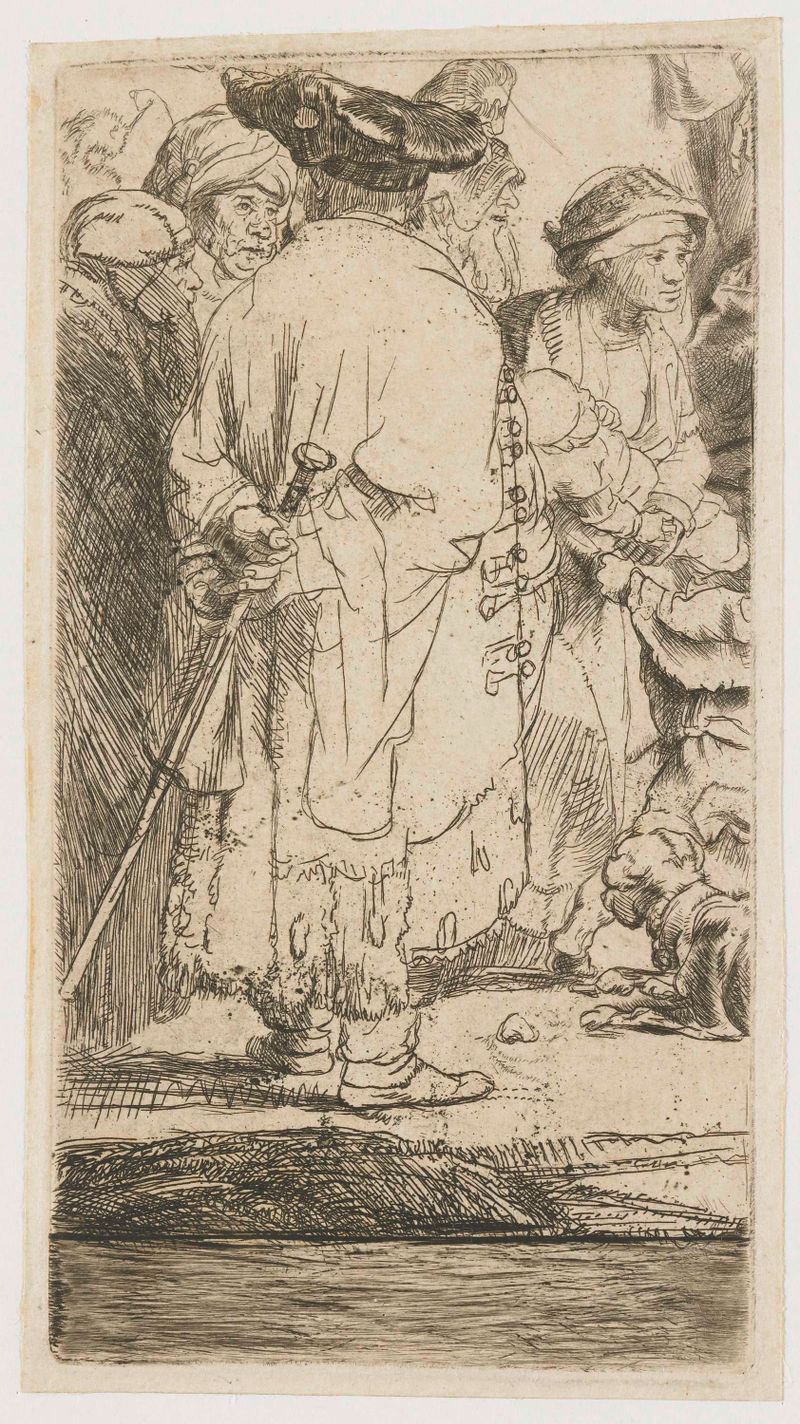
The Hundred Guilder Print: the man seen on the back in the lower left corner
Rembrandt van Rijn

Portrait of Dr Gachet
Vincent van Gogh