
On The Sands — History & Facts
Can paint confess what words never could? In On The Sands, serenity unfolds beneath a sun-drenched sky, inviting contemplation and quiet reflection that transcends mere description. Look to the lower left, where warm golden sand stretches invitingly beneath the figures, leading your gaze toward the shimmering sea. The soft brushwork captures the gentle caress of the waves as they kiss the shore, while dappled light dances across the water’s surface, creating a harmonious interplay of blues and greens. The figures, positioned slightly to the right, create a sense of intimacy, their relaxed postures echoing the calming rhythm of the surrounding nature.
The artist’s use of light and shadow fosters a tranquil atmosphere that envelops the scene. Amidst the tranquility, a deeper tension brews in the contrast between the figures and the vastness of the sea. The onlookers seem both connected to and isolated from their environment, evoking a sense of introspection that invites viewers into their world. The simplicity of the scene belies the complexity of human emotion, capturing fleeting moments that resonate with the universal desire for peace and connection.
Each brushstroke whispers the silent stories of the viewers, hinting at dreams, longings, and the quiet beauty of existence. In 1910, Lavery was painting in a period marked by the rise of modernism, yet he remained rooted in the traditions of Impressionism. Working in his studio in London, Lavery sought to convey the essence of everyday life through light and color, reflecting the social changes and artistic explorations of his time. On The Sands exemplifies this balance between tradition and innovation, a serene escape that echoes the artist's own pursuit of beauty amid a rapidly changing world.
More Artworks by Sir John Lavery
Browse all →
The Beach, Tangier
Sir John Lavery

Evening, The Bay Of Tunis
Sir John Lavery

Tangier bay at night
Sir John Lavery
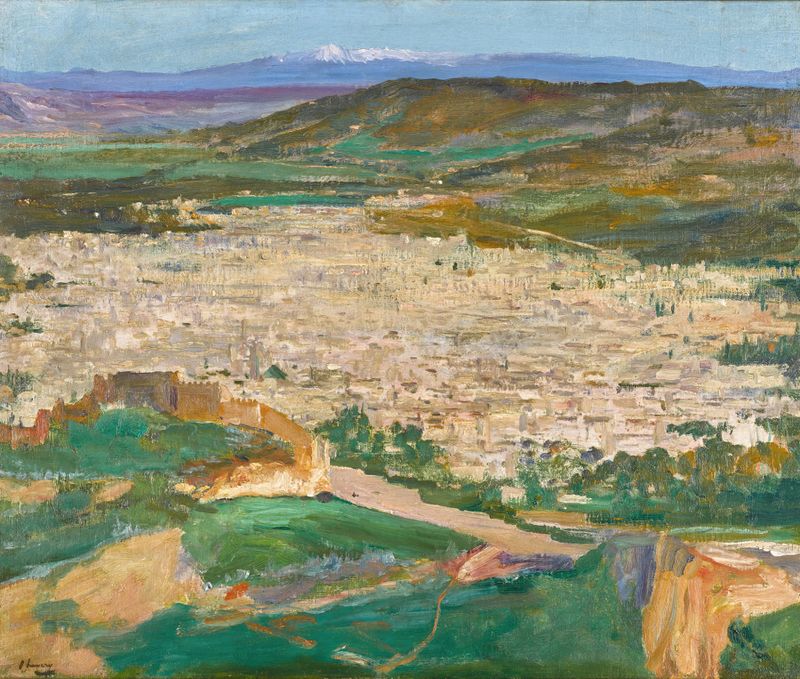
A View of Fez
Sir John Lavery
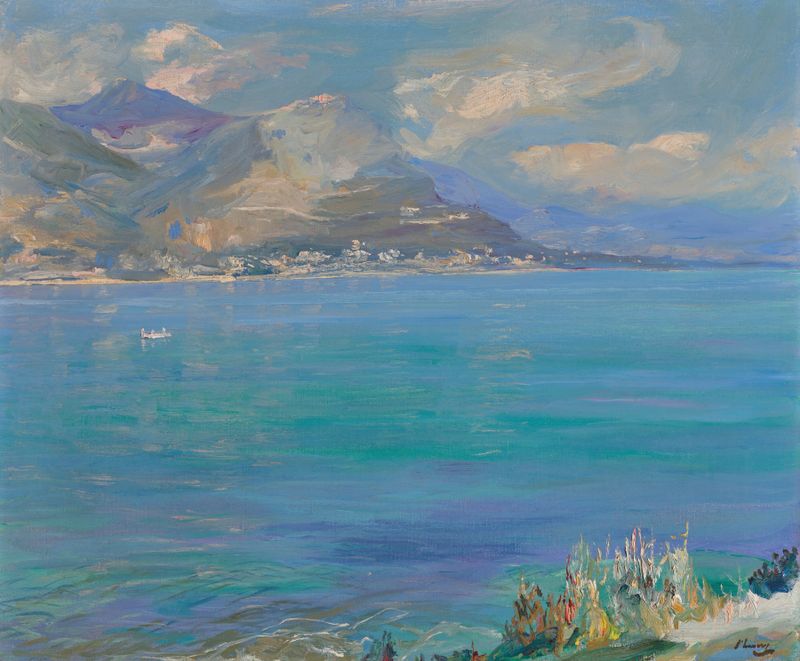
Beaulieu
Sir John Lavery
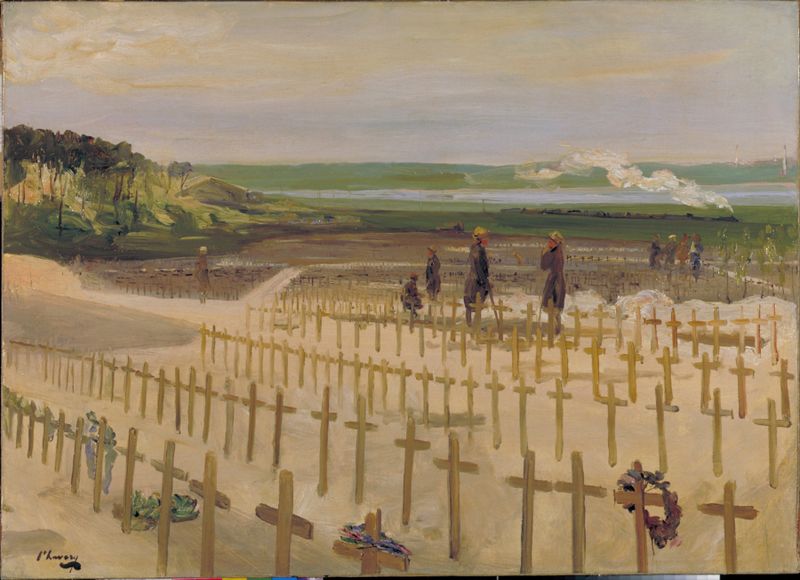
The Cemetery, Etaples, 1919
Sir John Lavery
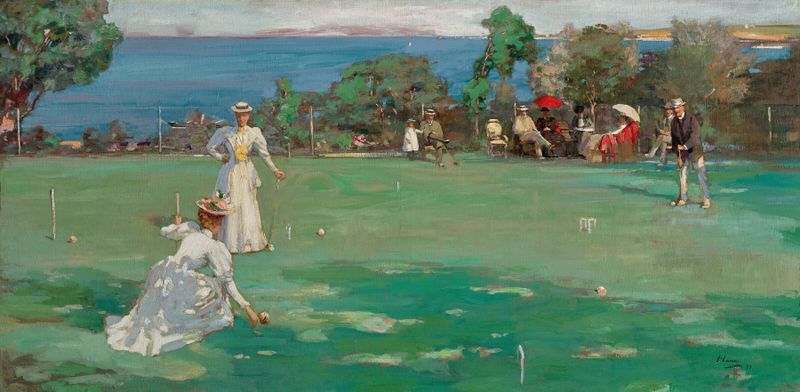
The Croquet Party
Sir John Lavery
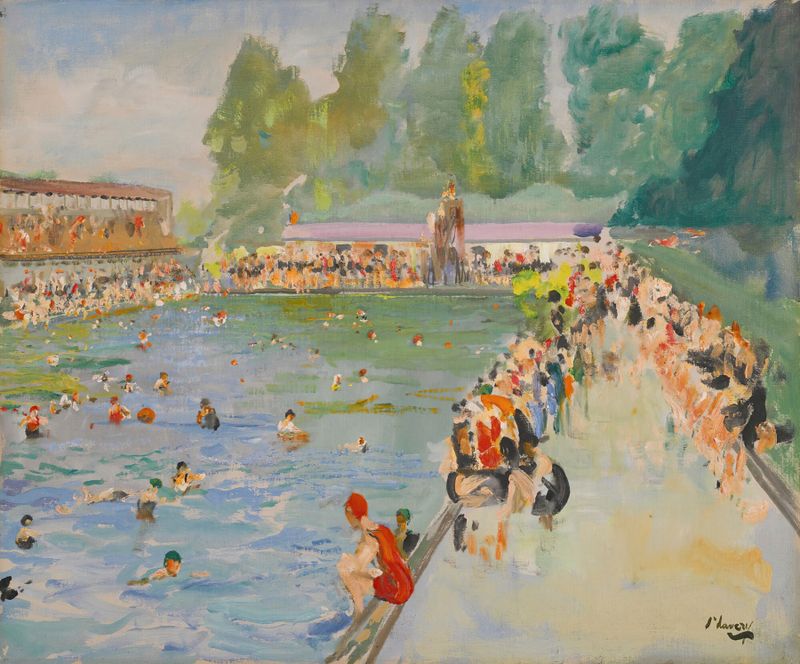
Chiswick Baths
Sir John Lavery

Hounslow
Sir John Lavery

The Little White Boats, Cap Ferrat
Sir John Lavery





