
Hounslow — History & Facts
What if silence could speak through light? In the stillness of Hounslow, the interplay of shadow and illumination invites viewers to explore the sacredness interwoven with everyday life. Each brushstroke resonates with a sense of reverence, as the divine subtly infiltrates the mundane. Look to the center of the canvas, where a figure stands bathed in soft, golden light. The gentle glow highlights the contours of the subject’s form, emphasizing the tranquility that envelops the scene.
Notice how Lavery employs a palette of muted greens and browns, creating an intimate atmosphere that contrasts with the vibrant halo surrounding the figure. The delicate balance between light and shadow masterfully evokes a feeling of contemplation, drawing the eye deeper into the serene narrative unfolding in the composition. Beneath its tranquil surface lies a rich tapestry of meaning. The figure, seemingly lost in thought, represents the human search for connection with the divine, suggesting that moments of stillness can lead to profound revelations.
The surrounding environment, while unassuming, speaks to the beauty of the ordinary and the unexpected grace that can be found in simple moments. This emotional tension between the sacred and the everyday invites viewers to reflect on their own experiences of divinity in daily life. In 1917, Lavery created Hounslow during a period marked by the tumult of World War I. Living in London, he was grappling with the impact of the war on society and his own artistic journey.
This painting emerged as a personal response to the chaos around him, capturing a moment of peace amidst turmoil. The work reflects a broader movement in art toward capturing the beauty in stillness, a balm for a world yearning for solace.
More Artworks by Sir John Lavery
Browse all →
On The Sands
Sir John Lavery

The Beach, Tangier
Sir John Lavery

Evening, The Bay Of Tunis
Sir John Lavery

Tangier bay at night
Sir John Lavery
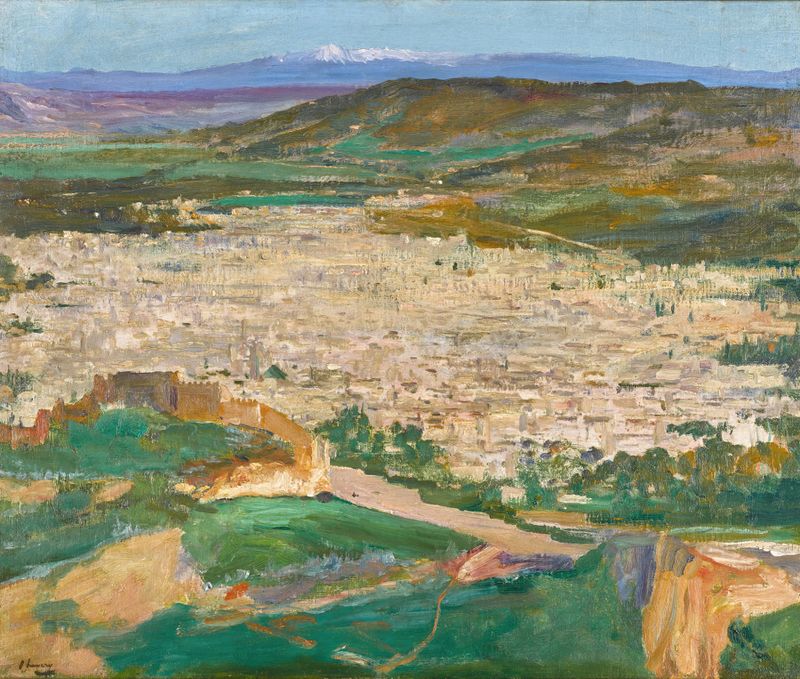
A View of Fez
Sir John Lavery
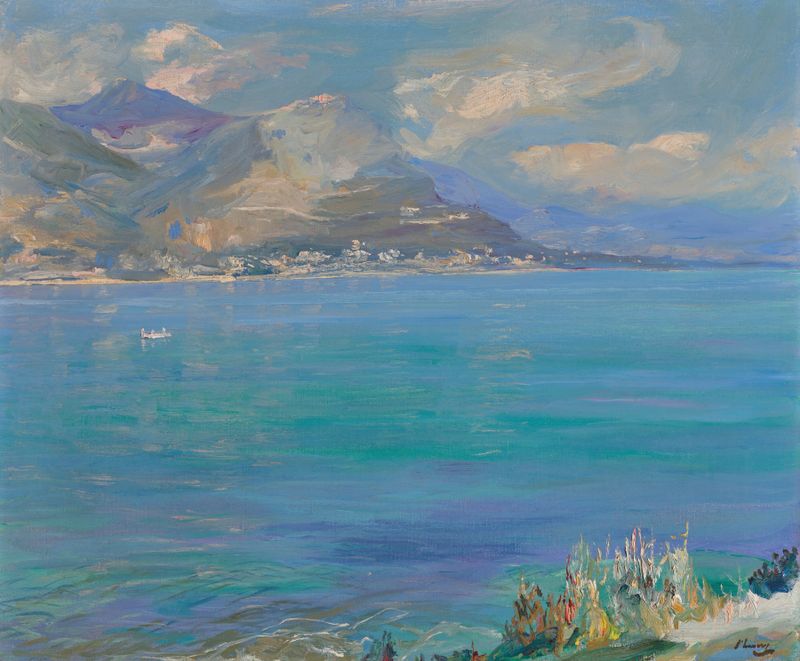
Beaulieu
Sir John Lavery
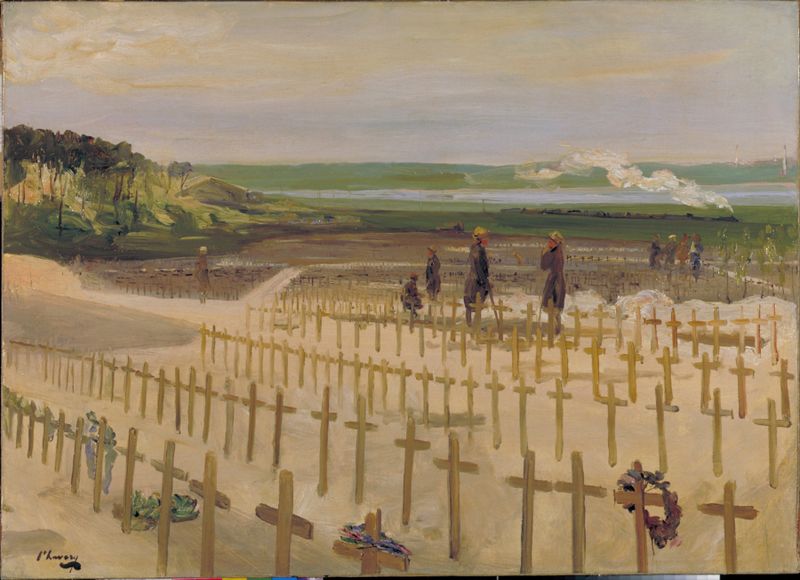
The Cemetery, Etaples, 1919
Sir John Lavery
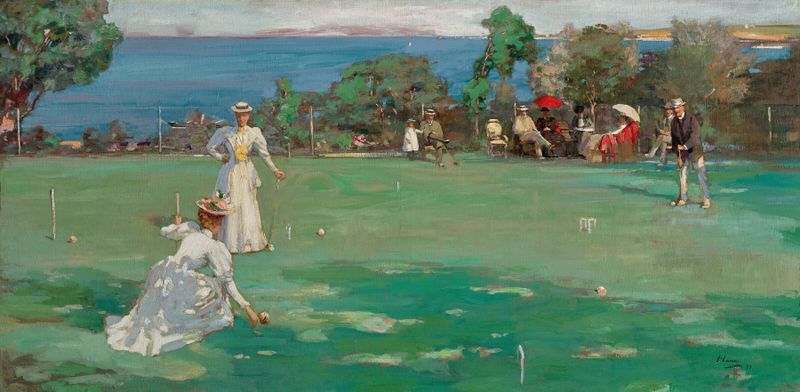
The Croquet Party
Sir John Lavery
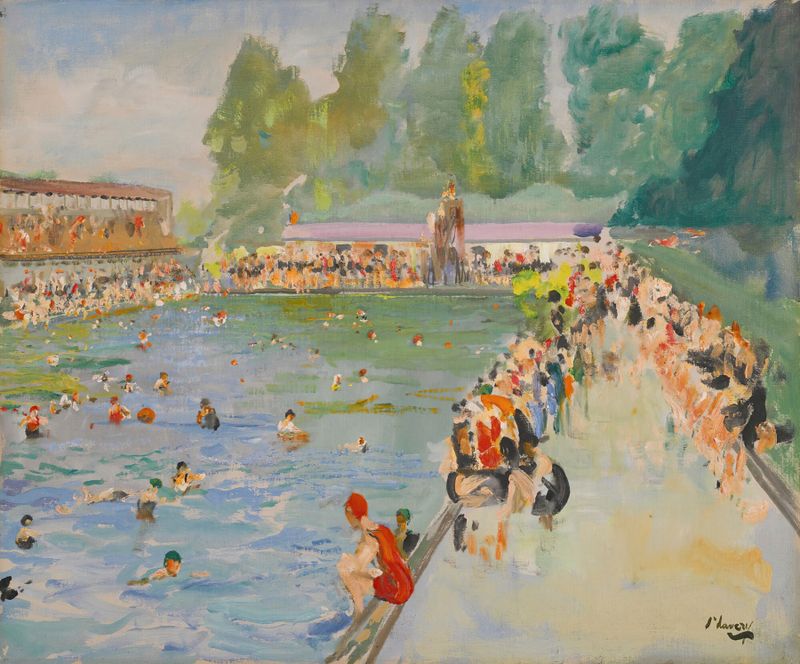
Chiswick Baths
Sir John Lavery

The Little White Boats, Cap Ferrat
Sir John Lavery





